Water stains in your electric kettle aren’t just unsightly—they can affect taste and performance over time. Fortunately, removing them is easy with common household ingredients like vinegar, lemon juice, or baking soda. This guide walks you through safe, effective methods to restore your kettle’s shine and keep it running efficiently.
If you’ve ever poured yourself a cup of tea only to notice a faint chalky film at the bottom of your electric kettle, you’re not alone. That white, crusty residue—commonly known as water stains or limescale—is a buildup of minerals like calcium and magnesium found in hard water. Over time, these deposits accumulate on the heating element and interior surfaces, reducing efficiency, altering the taste of your drinks, and even shortening your kettle’s lifespan. The good news? Removing water stains from an electric kettle is simpler than you might think, and you probably already have everything you need at home.
Electric kettles are one of the most convenient kitchen appliances we rely on daily. Whether it’s for morning coffee, instant oatmeal, or a soothing cup of herbal tea, we expect our kettles to heat water quickly and reliably. But when mineral deposits start forming, they act as insulation, forcing the heating element to work harder and use more energy. This not only increases your electricity bill but can also lead to overheating or premature failure. Plus, no one wants their morning brew tasting faintly of chalk! Fortunately, with a few household staples and a little elbow grease, you can restore your kettle to like-new condition—no expensive cleaners or special tools required.
Key Takeaways
- White vinegar is the most effective natural cleaner: Its acetic acid dissolves mineral buildup without damaging the kettle’s interior.
- Lemon juice works well for light stains and leaves a fresh scent: The citric acid breaks down limescale gently and naturally.
- Baking soda paste tackles stubborn spots: When combined with water, it creates a mild abrasive ideal for scrubbing without scratching.
- Always rinse thoroughly after cleaning: Residual cleaning agents can affect the taste of your water or beverages.
- Prevention is easier than removal: Regular descaling every 2–4 weeks prevents heavy buildup, especially in hard water areas.
- Never use harsh chemicals or steel wool: These can damage the heating element or interior coating, voiding warranties.
- Unplug and cool the kettle before cleaning: Safety first—always ensure the appliance is off and safe to handle.
📑 Table of Contents
Why Water Stains Form in Electric Kettles
Water stains, technically referred to as limescale or mineral deposits, occur when hard water is heated repeatedly. Hard water contains high levels of dissolved minerals—primarily calcium carbonate and magnesium. When water boils, these minerals don’t evaporate. Instead, they precipitate out of the solution and cling to surfaces inside the kettle, especially around the heating coil and the base. Over weeks and months, this buildup thickens into a white, chalky layer that’s tough to ignore.
The harder your local water supply, the faster these stains will appear. If you live in an area with particularly hard water—common in regions with limestone-rich soil—you might notice limescale forming after just a few weeks of regular use. Even if your water seems clear, don’t be fooled: invisible minerals are still at work. You’ll often see the first signs as a cloudy film on the interior walls or a white ring around the waterline. In severe cases, the heating element may become partially encased in scale, leading to longer boiling times or inconsistent heating.
It’s important to understand that these deposits aren’t just cosmetic. They can insulate the heating element, reducing thermal efficiency and increasing energy consumption. In extreme cases, heavy scaling can cause the kettle to overheat or trigger automatic shut-off features prematurely. Additionally, flaking mineral deposits can end up in your cup, which is unappetizing at best and potentially harmful if ingested in large quantities over time. That’s why regular maintenance isn’t just about aesthetics—it’s about performance, safety, and longevity.
Top Natural Methods to Remove Water Stains
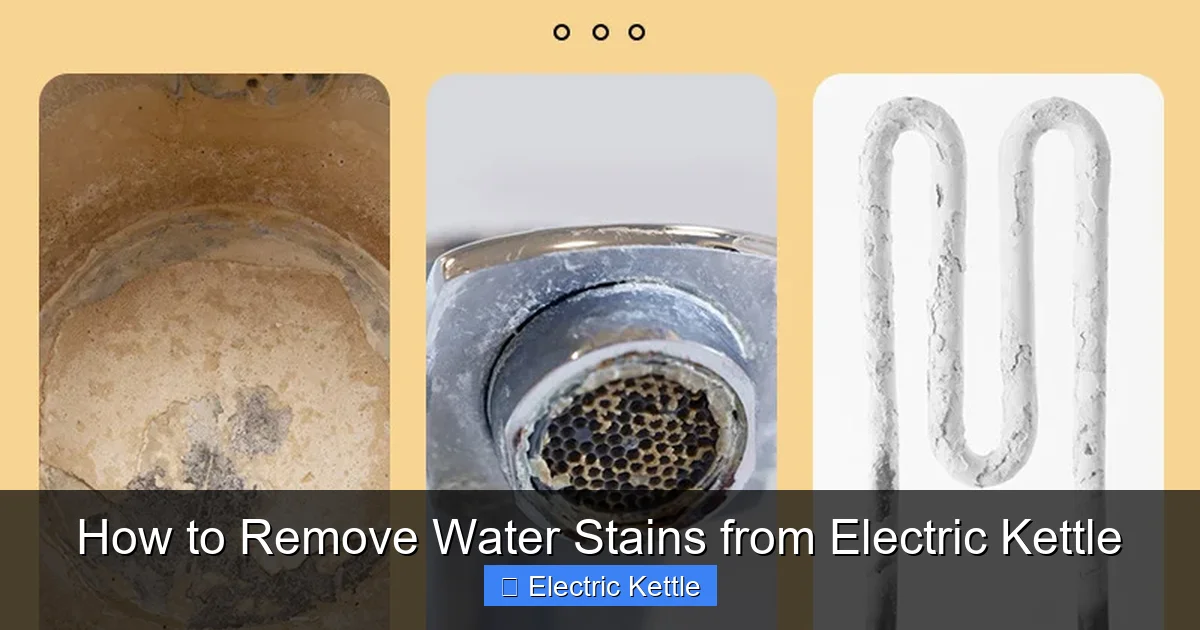
Visual guide about How to Remove Water Stains from Electric Kettle
Image source: down-my.img.susercontent.com
When it comes to cleaning your electric kettle, natural solutions are not only effective but also safe for both you and your appliance. Unlike commercial descaling products that may contain harsh chemicals, household ingredients like vinegar, lemon juice, and baking soda are gentle on surfaces and environmentally friendly. Plus, they’re inexpensive and readily available in most kitchens.
One of the most popular and reliable methods is using white distilled vinegar. Its high acetic acid content makes it excellent at dissolving mineral deposits without damaging stainless steel or plastic interiors. For light to moderate staining, a simple vinegar-water solution (typically 1:1 ratio) is all you need. Fill the kettle halfway with equal parts water and vinegar, bring it to a boil, then let it sit for 15–30 minutes. The acid will break down the limescale, making it easy to wipe away.
Lemon juice is another fantastic option, especially if you prefer a fresher scent. Freshly squeezed lemon juice contains citric acid, which works similarly to vinegar but with a milder odor. Simply cut a lemon in half, squeeze the juice into the kettle, add water to cover the stained areas, and boil. Let it sit for 20–30 minutes before rinsing. Many people find this method more pleasant, particularly if they’re sensitive to the smell of vinegar.
For tougher, baked-on stains, baking soda can be your secret weapon. While it’s not as acidic as vinegar or lemon, baking soda has mild abrasive properties that help scrub away stubborn residue. Make a thick paste by mixing baking soda with a small amount of water, then use a soft sponge or cloth to gently rub the affected areas. Be careful not to scratch delicate surfaces—especially if your kettle has a non-stick coating.
Each of these methods has its strengths, and you can even combine them for extra power. For example, after using vinegar to dissolve the bulk of the scale, a quick scrub with baking soda can polish away any remaining film. The key is consistency: the more frequently you clean, the less effort each session will require.
Using Vinegar to Remove Water Stains
White distilled vinegar is arguably the gold standard for removing water stains from electric kettles. Its effectiveness comes from acetic acid, which reacts with calcium carbonate—the main component of limescale—to form soluble compounds that rinse away easily. This chemical reaction not only dissolves existing buildup but also helps prevent future deposits when used regularly.
To use vinegar, start by unplugging the kettle and allowing it to cool completely. Safety is paramount—never attempt to clean a hot or recently used appliance. Once cool, fill the kettle with a mixture of equal parts white vinegar and water. For example, if your kettle holds 1.7 liters, use about 850 ml of vinegar and 850 ml of water. Make sure the solution covers all stained areas, especially the heating element and the bottom where buildup tends to concentrate.
Next, plug the kettle back in and bring the vinegar solution to a full boil. Once it reaches boiling point, turn off the kettle and let the mixture sit for at least 15–30 minutes. For heavy scaling, you can leave it overnight, though this is rarely necessary. During this time, the acid will work to loosen and dissolve the mineral deposits. You may notice bubbling or fizzing—this is normal and indicates the reaction is taking place.
After soaking, pour out the vinegar solution and rinse the kettle thoroughly with clean water. Fill it several times, swishing the water around to ensure all traces of vinegar are gone. If you’re concerned about lingering odor, you can boil a few cups of fresh water afterward to “flush” the system. Finally, wipe the interior with a soft, damp cloth to remove any remaining residue.
One tip: if your kettle has a strong vinegar smell after cleaning, don’t worry—it will dissipate quickly. Running a couple of cycles with plain water usually eliminates any residual odor. And remember, while vinegar is safe for most kettles, avoid using it on models with special coatings or finishes unless specified by the manufacturer.
Lemon Juice: A Fresh Alternative
If the sharp scent of vinegar isn’t your favorite, lemon juice offers a fragrant and equally effective alternative. Citrus fruits like lemons are rich in citric acid, a natural chelating agent that binds to minerals and helps break down limescale. Plus, it leaves your kettle smelling clean and fresh—perfect for tea lovers who don’t want their beverages tasting faintly of vinegar.
To clean with lemon juice, begin by cutting a fresh lemon in half and squeezing the juice directly into the kettle. Use about one whole lemon for a standard 1–1.5 liter kettle. Add enough water to cover the stained areas—usually about halfway full. Then, plug in the kettle and bring the mixture to a boil. Once boiling, turn it off and let it sit for 20–30 minutes. The citric acid will begin dissolving the mineral deposits, and the heat will accelerate the process.
After soaking, pour out the lemon solution and rinse the kettle thoroughly. You may notice that the interior looks brighter and shinier already. For any remaining spots, use a soft sponge or cloth to gently wipe them away. Unlike vinegar, lemon juice rarely leaves a strong odor, but if you detect any citrus scent, simply boil a few cups of plain water to neutralize it.
Lemon juice is especially useful for light to moderate staining and works well as a monthly maintenance routine. It’s also a great option if you’re cleaning your kettle before storing it for an extended period—no one wants to return to a vinegar-scented appliance! Just be sure to use fresh lemon juice rather than bottled versions, which may contain preservatives or lower acidity levels that reduce effectiveness.
Baking Soda for Stubborn Stains
When water stains have built up over months or even years, they can become hard and crusty—resistant to liquid cleaners alone. That’s where baking soda comes in. While it’s not acidic like vinegar or lemon, baking soda (sodium bicarbonate) has mild abrasive properties that make it ideal for scrubbing away tough deposits without scratching most surfaces.
To use baking soda, start by mixing 2–3 tablespoons with a small amount of water to form a thick paste. The consistency should be similar to toothpaste—not too runny, but spreadable. Using a soft sponge, microfiber cloth, or even an old toothbrush (dedicated to cleaning only), gently scrub the stained areas. Focus on the base, heating element, and any visible rings or patches. The gentle abrasion helps lift away mineral buildup that liquids alone can’t reach.
For best results, let the paste sit on the stains for 10–15 minutes before scrubbing. This gives the baking soda time to soften the deposits. After scrubbing, rinse the kettle thoroughly with clean water. If needed, repeat the process for particularly stubborn spots. You can also combine baking soda with vinegar for a powerful one-two punch: apply the paste first, then pour in vinegar to create a fizzing reaction that helps dislodge residue.
One advantage of baking soda is its versatility. It’s safe for stainless steel, glass, and most plastic interiors, making it a great all-around cleaner. However, avoid using it on kettles with non-stick coatings or delicate finishes, as abrasive scrubbing could damage the surface. Always test a small area first if you’re unsure.
Step-by-Step Cleaning Guide
Cleaning your electric kettle doesn’t have to be complicated. With a clear, step-by-step approach, you can tackle water stains efficiently and safely. Whether you’re dealing with light film or heavy limescale, following a consistent routine ensures thorough results every time.
Start by unplugging the kettle and letting it cool completely. Never clean a hot appliance—this prevents burns and protects internal components. Once cool, empty any remaining water and inspect the interior for visible stains. Note the severity: light discoloration may only require a quick vinegar rinse, while thick, white crusts might need a longer soak or scrubbing.
Choose your cleaning method based on the level of buildup. For routine maintenance (every 2–4 weeks), a vinegar or lemon solution works perfectly. For heavy scaling, consider combining methods—vinegar soak followed by a baking soda scrub. Always use a soft sponge or cloth; avoid steel wool, scouring pads, or harsh brushes that can scratch surfaces.
After applying your chosen cleaner, allow adequate soaking time. Rushing the process reduces effectiveness. Most solutions need at least 15–30 minutes to work, especially on older deposits. During this time, you can clean the exterior with a damp cloth and mild dish soap to keep the whole appliance looking fresh.
Once the soaking period is over, pour out the cleaning solution and rinse the kettle multiple times with clean water. Fill it, swish it around, and pour it out—repeat this 3–4 times to ensure no residue remains. Lingering vinegar or lemon can affect the taste of your next brew, so thorough rinsing is essential.
Finally, wipe the interior dry with a soft towel or let it air-dry with the lid open. This prevents moisture buildup, which can encourage mold or mildew. Before your next use, run one or two cycles with plain water to flush out any remaining traces of cleaner. Your kettle should now be spotless, efficient, and ready to use.
Preventing Future Water Stains
While removing water stains is straightforward, preventing them is even better. Regular maintenance not only keeps your kettle looking clean but also extends its lifespan and improves performance. The key is consistency—small efforts done frequently save you from big cleanups later.
One of the simplest prevention strategies is regular descaling. Even if you don’t see visible stains, minerals are still accumulating. Aim to clean your kettle every 2–4 weeks, depending on how often you use it and how hard your water is. In areas with very hard water, monthly cleaning is recommended. This proactive approach prevents buildup from becoming severe and makes each cleaning session quicker and easier.
Another effective tip is to use filtered water. While it won’t eliminate minerals entirely, a good water filter can significantly reduce calcium and magnesium levels. This is especially helpful if you live in a hard water region. Just remember: filtered water isn’t mineral-free, so descaling is still necessary—just less frequently.
Avoid overfilling your kettle. When water levels are too high, more surface area is exposed to mineral deposition. Fill only what you need for each use. This reduces the amount of water that evaporates and leaves behind minerals, slowing the buildup process.
After each use, consider leaving the kettle empty and open to air-dry. Moisture trapped inside can encourage mineral crystallization and bacterial growth. Letting it dry completely between uses helps maintain a clean interior.
Finally, check your kettle’s user manual. Some models come with built-in descaling reminders or specific cleaning instructions. Following the manufacturer’s guidelines ensures you’re not accidentally damaging your appliance or voiding the warranty.
Safety Tips and What to Avoid
Cleaning your electric kettle safely is just as important as cleaning it effectively. A few simple precautions can prevent accidents, damage, and health risks.
Always unplug the kettle before cleaning. Even if it’s off, there’s a risk of electric shock if water enters the base or cord. Never submerge the entire unit in water—only the interior should be cleaned, and even then, avoid getting water into the electrical components.
Use only soft, non-abrasive tools. Steel wool, metal scrapers, or harsh scouring pads can scratch stainless steel, damage coatings, or expose underlying metal to corrosion. Stick to sponges, microfiber cloths, or soft brushes.
Avoid commercial drain cleaners, bleach, or ammonia-based products. These chemicals are too harsh for food-contact surfaces and can leave toxic residues. Stick to food-safe options like vinegar, lemon, and baking soda.
Never mix cleaning agents unless you know they’re safe together. For example, vinegar and baking soda can be used sequentially, but never mix vinegar with bleach—it creates toxic chlorine gas.
If your kettle has a removable limescale filter (common in some models), clean it separately according to the manufacturer’s instructions. These filters trap minerals and should be rinsed regularly to maintain performance.
Lastly, if your kettle shows signs of electrical issues—like sparking, unusual smells, or failure to heat—stop using it immediately and consult a professional. Cleaning won’t fix mechanical problems, and attempting to do so could be dangerous.
Conclusion
Removing water stains from your electric kettle is a simple, cost-effective way to maintain performance, improve taste, and extend the life of your appliance. With common household ingredients like vinegar, lemon juice, and baking soda, you can tackle everything from light film to heavy limescale without resorting to harsh chemicals or expensive products.
The key is consistency. Regular cleaning every few weeks prevents buildup from becoming a problem, and using the right method for your level of staining ensures the best results. Whether you prefer the power of vinegar, the freshness of lemon, or the scrubbing action of baking soda, there’s a solution that fits your needs.
By following safe practices and avoiding common mistakes, you’ll keep your kettle in top condition for years to come. And the next time you pour a cup of tea, you can enjoy it knowing it came from a clean, efficient, and well-maintained appliance. So don’t let those chalky stains linger—give your kettle the care it deserves, and it will reward you with reliable service and great-tasting beverages every time.
Frequently Asked Questions
Can I use apple cider vinegar instead of white vinegar?
Yes, apple cider vinegar can work, but it’s less effective and may leave a stronger odor. White distilled vinegar is preferred because it’s more acidic and leaves no residue or scent.
How often should I clean my electric kettle?
For most users, cleaning every 2–4 weeks is sufficient. If you live in a hard water area or use your kettle daily, aim for monthly cleanings to prevent buildup.
Will cleaning remove the heating element coating?
No, when done correctly with gentle cleaners like vinegar or lemon, cleaning won’t damage the heating element. Avoid abrasive tools or harsh chemicals to protect the coating.
Can I clean the exterior with the same methods?
No, the exterior should be wiped with a damp cloth and mild soap. Never use vinegar or lemon on plastic exteriors, as they can cause discoloration or damage.
Is it safe to drink water after cleaning with vinegar?
Yes, as long as you rinse the kettle thoroughly. Boiling a few cycles of plain water after cleaning ensures no vinegar taste remains.
What if my kettle has a non-stick interior?
Use only liquid cleaners like vinegar or lemon and avoid scrubbing. Baking soda or abrasive tools can scratch non-stick surfaces, so stick to gentle soaking and rinsing.