White stains in your electric kettle are usually limescale buildup from hard water. These mineral deposits not only look unappealing but can also affect your kettle’s performance and the taste of your water. Fortunately, removing them is easy with common household items like white vinegar or lemon juice—no harsh chemicals needed.
Key Takeaways
- White stains are caused by limescale: Hard water contains calcium and magnesium that form chalky deposits over time.
- Vinegar is the most effective cleaner: Its acetic acid dissolves mineral buildup quickly and safely.
- Lemon juice works too: A natural alternative with citric acid that’s gentle on surfaces.
- Regular cleaning prevents buildup: Clean your kettle every 2–4 weeks depending on water hardness.
- Never use abrasive scrubbers: They can scratch the interior and damage heating elements.
- Rinse thoroughly after cleaning: Residual cleaner can affect water taste if not washed out completely.
- Prevention is better than cure: Use filtered water and empty the kettle after each use to reduce scaling.
📑 Table of Contents
- Why Do White Stains Appear in Your Electric Kettle?
- Top Methods to Remove White Stains from Electric Kettle
- Step-by-Step Guide to Safely Clean Your Electric Kettle
- How Often Should You Clean Your Electric Kettle?
- Prevention Tips to Avoid Future White Stains
- Common Mistakes to Avoid When Cleaning Your Kettle
- Conclusion: Keep Your Kettle Sparkling and Efficient
Why Do White Stains Appear in Your Electric Kettle?
If you’ve noticed a chalky white film or crusty spots inside your electric kettle, don’t panic—you’re not alone. These unsightly white stains are one of the most common issues faced by kettle owners, especially those living in areas with hard water. But what exactly causes them?
The culprit is limescale, a hard, off-white deposit made primarily of calcium carbonate and magnesium carbonate. These minerals are naturally present in tap water, particularly in regions where the water supply comes from limestone-rich groundwater. Every time you boil water, some of it evaporates, leaving behind these dissolved minerals. Over time, they accumulate on the kettle’s interior surfaces—especially around the heating element and the bottom—forming those stubborn white stains.
While limescale isn’t harmful to drink in small amounts, it’s far from ideal. It can insulate the heating element, making your kettle less efficient and causing it to take longer to boil. In severe cases, it may even lead to overheating or premature failure of the appliance. Plus, no one wants their morning tea tasting faintly of chalk!
Understanding the root cause is the first step toward solving the problem. The good news? Removing white stains from your electric kettle is surprisingly simple—and you probably already have everything you need at home.
Top Methods to Remove White Stains from Electric Kettle
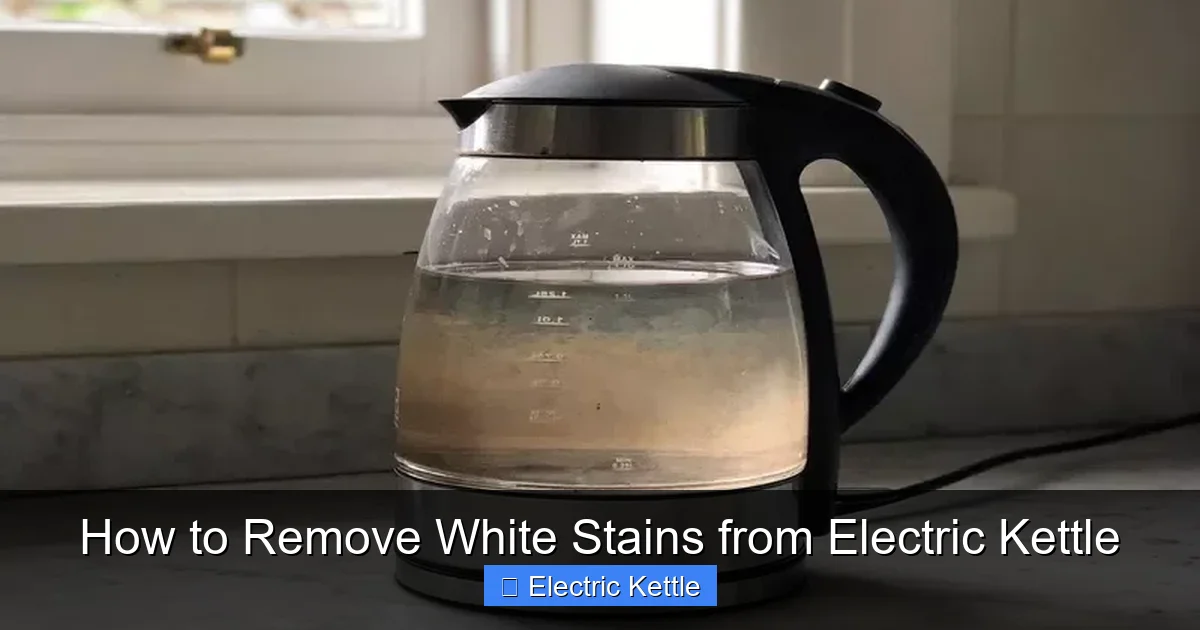
Visual guide about How to Remove White Stains from Electric Kettle
Image source: irrorwxhiqijjr5q.ldycdn.com
When it comes to cleaning your electric kettle, you don’t need expensive commercial descalers or specialty tools. In fact, some of the most effective solutions are already in your kitchen pantry. Below are the top tried-and-true methods for banishing those pesky white stains.
Method 1: White Vinegar Solution (The Gold Standard)
White distilled vinegar is arguably the best natural cleaner for limescale. Its high acetic acid content breaks down mineral deposits quickly and safely, without damaging your kettle’s interior.
To use this method:
1. Mix equal parts white vinegar and water (e.g., 1 cup vinegar + 1 cup water).
2. Pour the solution into the kettle, making sure it covers the stained areas.
3. Let it sit for at least 30 minutes—or overnight for heavy buildup.
4. Bring the mixture to a boil, then turn off the kettle and let it cool.
5. Pour out the solution and scrub gently with a soft sponge or brush if needed.
6. Rinse the kettle thoroughly 2–3 times with clean water to remove any vinegar smell or taste.
Tip: If your kettle has a strong vinegar odor after rinsing, fill it with fresh water, boil it once, and discard the water. This helps neutralize any lingering scent.
Method 2: Lemon Juice (Natural & Fresh-Smelling)
Lemon juice is another excellent option, especially if you prefer a citrusy aroma over vinegar. Like vinegar, lemon contains natural acids (mainly citric acid) that dissolve limescale effectively.
Here’s how to do it:
1. Cut a fresh lemon in half and squeeze the juice into the kettle (about ½ to 1 cup).
2. Add enough water to cover the stained areas.
3. Let it soak for 1–2 hours, or boil the mixture for faster results.
4. After boiling, turn off the kettle and allow it to cool completely.
5. Pour out the liquid and wipe the interior with a soft cloth.
6. Rinse thoroughly with clean water.
Bonus: Lemon leaves your kettle smelling fresh and can even help remove light tea or coffee stains.
Method 3: Baking Soda Paste (For Stubborn Spots)
While baking soda alone isn’t strong enough to dissolve thick limescale, it works well as a gentle abrasive for scrubbing away residual stains after using vinegar or lemon.
To use baking soda:
1. Make a thick paste by mixing 2–3 tablespoons of baking soda with a small amount of water.
2. Apply the paste directly to the white stains using a soft sponge or cloth.
3. Gently scrub in circular motions—avoid harsh scrubbing that could scratch the surface.
4. Rinse thoroughly with water.
Note: Use this method only after softening the limescale with an acidic solution like vinegar or lemon. Baking soda works best as a finishing touch.
Method 4: Commercial Descalers (When You Need Extra Power)
If you’re dealing with extremely heavy limescale or want a quick, no-fuss solution, commercial descalers can be helpful. Products like Durgol, Urtekram, or even supermarket-brand descaling liquids are formulated specifically for kettles and coffee makers.
Always follow the manufacturer’s instructions carefully. Most require diluting the solution with water, boiling it, letting it sit, and then rinsing multiple times. While effective, these products often contain stronger chemicals, so ensure proper ventilation and thorough rinsing.
Pro tip: Look for eco-friendly or biodegradable descalers if you’re concerned about environmental impact.
Step-by-Step Guide to Safely Clean Your Electric Kettle
Cleaning your electric kettle doesn’t have to be complicated. With the right approach, you can restore it to like-new condition in under an hour. Follow this detailed step-by-step guide for safe and effective results.
Step 1: Unplug and Cool Down
Safety first! Always unplug your kettle and let it cool completely before cleaning. Never attempt to clean a hot or recently used kettle—this can cause burns or damage the appliance.
Step 2: Empty and Inspect
Pour out any remaining water and inspect the interior. Note the severity of the white stains—light film, moderate crust, or thick buildup? This will help you choose the right cleaning method and soaking time.
Step 3: Choose Your Cleaning Solution
Based on the level of buildup:
– Light stains: Lemon juice or diluted vinegar (1:3 ratio).
– Moderate to heavy stains: Equal parts vinegar and water or full-strength lemon juice.
– Very stubborn deposits: Commercial descaler or extended vinegar soak (overnight).
Step 4: Soak and Boil
Pour your chosen solution into the kettle, ensuring all stained areas are submerged. For best results:
– Soak for 30 minutes to 2 hours (or overnight for tough cases).
– Bring the solution to a boil, then turn off the heat and let it sit for another 15–30 minutes.
Boiling helps accelerate the chemical reaction between the acid and minerals, breaking down limescale more efficiently.
Step 5: Scrub Gently (If Needed)
After soaking, most stains should wipe away easily. Use a soft sponge, non-abrasive brush, or even an old toothbrush for hard-to-reach spots. Avoid steel wool, scouring pads, or metal brushes—they can scratch stainless steel or coated interiors.
Step 6: Rinse Thoroughly
This step is crucial! Rinse the kettle at least 2–3 times with clean water. Any leftover vinegar or lemon residue can affect the taste of your next cup of tea or coffee. For extra assurance, boil a full kettle of fresh water once and discard it before using the kettle normally.
Step 7: Dry and Store
Wipe the exterior with a damp cloth and dry it completely. Leave the lid open for a few hours to air out the interior and prevent moisture buildup.
How Often Should You Clean Your Electric Kettle?
Frequency depends largely on your water hardness and usage habits. Here’s a practical guideline:
– **Soft water areas**: Clean every 4–6 weeks.
– **Moderate hardness**: Clean every 2–3 weeks.
– **Hard water areas**: Clean every 1–2 weeks.
If you notice white stains forming sooner, adjust accordingly. Regular maintenance not only keeps your kettle looking clean but also extends its lifespan and ensures better-tasting beverages.
Signs it’s time to clean:
– Visible white or gray film inside.
– Slower boiling times.
– Odd taste or smell in boiled water.
– Reduced water flow (if your kettle has a filter).
Setting a monthly reminder on your phone or calendar can help you stay consistent. Think of it like changing your toothbrush—small effort, big payoff.
Prevention Tips to Avoid Future White Stains
An ounce of prevention is worth a pound of cure—especially when it comes to limescale. While cleaning is essential, taking proactive steps can significantly reduce buildup and save you time in the long run.
Use Filtered or Distilled Water
The simplest way to prevent limescale is to use softer water. Invest in a water filter pitcher (like Brita) or install an under-sink filtration system. Alternatively, bottled distilled water works well for kettles—though it’s less eco-friendly.
Filtered water removes many of the minerals that cause scaling, keeping your kettle cleaner for longer.
Empty the Kettle After Each Use
Don’t let water sit in your kettle overnight or between uses. Stagnant water allows minerals to settle and bond to surfaces. Get in the habit of pouring out leftover water after boiling—even if you plan to use it again soon.
Wipe the Interior Weekly
A quick wipe with a damp cloth once a week can remove early mineral deposits before they harden. This is especially helpful if you live in a hard water area.
Descale Regularly—Even If It Looks Clean
Don’t wait for visible stains to appear. Schedule a light descaling session every month using a mild vinegar solution (1 part vinegar to 3 parts water). This prevents buildup from becoming a bigger problem.
Choose a Kettle with a Removable Limescale Filter
Many modern electric kettles come with built-in mesh filters near the spout. These catch loose limescale particles before they enter your cup. Clean or replace these filters regularly according to the manufacturer’s instructions.
Common Mistakes to Avoid When Cleaning Your Kettle
Even with the best intentions, it’s easy to make errors that can damage your kettle or reduce its effectiveness. Here are some common pitfalls to watch out for:
Using Abrasive Cleaners or Tools
Steel wool, harsh scouring powders, or metal brushes may seem effective, but they scratch the interior surface. Over time, these scratches create grooves where limescale can accumulate more easily—making future cleaning harder.
Stick to soft sponges, microfiber cloths, or silicone brushes.
Not Rinsing Thoroughly
Residual vinegar or lemon juice can leave a sour taste in your water. Always rinse multiple times and consider doing a test boil with fresh water before making your first drink.
Cleaning While the Kettle Is Hot or Plugged In
This is a serious safety hazard. Always unplug and cool your kettle completely before cleaning. Water and electricity don’t mix—even when the kettle is off.
Using Undiluted Vinegar for Light Cleaning
While full-strength vinegar works for heavy buildup, it’s overkill—and potentially corrosive—for light stains. Dilute it appropriately to protect your kettle’s finish and internal components.
Ignoring the Exterior
Limescale isn’t just an interior issue. Mineral deposits can also build up on the outside base or handle. Wipe the exterior regularly with a vinegar-water solution (1:1) and a soft cloth to maintain its shine.
Conclusion: Keep Your Kettle Sparkling and Efficient
White stains in your electric kettle are more than just a cosmetic issue—they’re a sign that limescale is affecting your appliance’s performance and your drinking experience. But with the right knowledge and a few simple ingredients, you can easily restore your kettle to peak condition.
Whether you choose vinegar, lemon juice, or a commercial descaler, the key is consistency and safety. Regular cleaning prevents buildup, improves efficiency, and ensures your tea, coffee, or hot water tastes fresh every time.
Remember: prevention is just as important as cleaning. Use filtered water, empty your kettle after use, and descale on a schedule. Your kettle—and your taste buds—will thank you.
By following the tips and methods outlined in this guide, you’ll not only remove white stains from your electric kettle but also extend its life and enjoy better-tasting beverages for years to come. So grab that vinegar bottle, give your kettle some love, and say goodbye to limescale for good!
Frequently Asked Questions
Are white stains in my electric kettle harmful?
No, white stains are typically limescale—mineral deposits from hard water—and are not harmful to consume in small amounts. However, they can affect your kettle’s efficiency and the taste of your water, so it’s best to clean them regularly.
Can I use apple cider vinegar instead of white vinegar?
While apple cider vinegar contains acetic acid, it’s less effective and can leave a strong odor or stain the interior. Stick to white distilled vinegar for the best results and easiest cleanup.
How do I clean a kettle with a non-removable heating element?
You can still use vinegar or lemon juice safely. Just avoid submerging the electrical base. Pour the solution into the water chamber, soak, boil, and rinse—never immerse the entire unit in water.
Will cleaning my kettle remove the warranty?
No, regular cleaning with mild solutions like vinegar or lemon juice will not void your warranty. In fact, many manufacturers recommend descaling as part of routine maintenance. Avoid using harsh chemicals or abrasive tools, which could cause damage.
Can I clean my electric kettle with soap and water?
Soap and water are fine for the exterior, but they won’t remove limescale. For interior stains, you need an acidic solution like vinegar or lemon juice to dissolve mineral deposits effectively.
How long does it take for limescale to build up?
It depends on your water hardness and usage. In hard water areas, visible buildup can appear in as little as 1–2 weeks. In softer water regions, it may take several months. Regular cleaning every few weeks helps prevent accumulation.