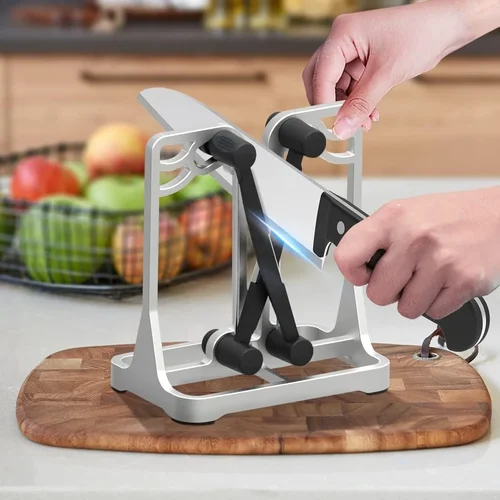
A dull knife isn’t just frustrating—it’s dangerous. When your blade drags through food instead of slicing cleanly, it increases the risk of slipping and causing injury. Yet, many home cooks and even seasoned chefs avoid sharpening their knives simply because they don’t own a whetstone or don’t know how to use one. The good news? You don’t need expensive equipment or professional training to restore a sharp edge. With a few household items and some technique, you can bring your favorite kitchen knife back to life—safely and effectively.
This comprehensive guide is designed for anyone who wants to sharpen a dull knife without relying on traditional sharpening stones. Whether you’re a beginner intimidated by the idea of freehand sharpening or an experienced cook looking for quick fixes when your stone isn’t handy, this article will equip you with practical, proven methods. We’ll explore alternative tools, step-by-step techniques, safety tips, and expert insights to help you maintain razor-sharp blades using everyday objects. By the end, you’ll understand not only how to sharpen your knife but also why certain methods work—and which ones to avoid.
The market for knife maintenance tools has exploded in recent years, with electric sharpeners, pull-through systems, and ceramic rods flooding store shelves. While these products have their place, they often come with steep price tags and inconsistent results. More importantly, they don’t teach you the foundational skills needed to care for your knives long-term. This guide cuts through the noise and focuses on accessible, low-cost, and highly effective alternatives that use items you likely already have at home—like ceramic mugs, leather belts, or even the unglazed bottom of a dinner plate. Our goal isn’t to replace professional sharpening services but to empower you with reliable DIY solutions that deliver real results.

What to Look for When Buying Buying Guide
1. Budget & Price Range
When considering how to sharpen a knife without a stone, your budget plays a surprisingly minor role—because most effective alternatives are either free or cost next to nothing. Unlike buying a $50–$200 whetstone set, many improvised sharpening tools come from items already in your kitchen or garage. That said, if you’re investing in supplementary tools like honing rods, ceramic steels, or leather strops, prices can range from under $10 to over $100 depending on material quality and brand. For most home users, spending $15–$30 on a decent ceramic honing rod or a quality strop offers excellent value. Avoid ultra-cheap pull-through sharpeners under $10—they often remove too much metal and damage blade geometry. Instead, prioritize affordability paired with functionality: a $20 ceramic rod can outperform a $60 electric sharpener in terms of edge refinement and blade longevity.
2. Performance Specifications
Performance isn’t just about how sharp your knife gets—it’s about consistency, control, and edge retention. When using non-stone methods, performance hinges on the abrasiveness and stability of your chosen tool. For example, the unglazed ring on the bottom of a ceramic mug typically provides a medium-grit finish (roughly equivalent to 800–1200 grit), ideal for restoring a moderately dull edge. A leather strop, especially when charged with compound, polishes the edge to a mirror-like finish that enhances sharpness and reduces micro-serrations. Ceramic honing rods offer fine abrasion (around 3000+ grit) and are excellent for daily maintenance. The key is matching the tool’s abrasiveness to your knife’s current condition: heavily damaged blades may need coarse correction first (which stones handle best), while slightly dull edges respond well to ceramic or stropping. Always test your method on a less valuable knife first to gauge its effectiveness.
3. Build Quality & Durability
Even improvised sharpening tools must be durable enough to provide a stable, consistent surface. A chipped ceramic mug base or a warped leather strop won’t deliver reliable results and could damage your blade. Look for thick-walled ceramic dishes or mugs with a wide, flat unglazed ring—thin or cracked ceramics can fracture during use. Leather strops should be made from vegetable-tanned cowhide, not synthetic substitutes, as they hold polishing compounds better and resist tearing. If you’re using a steel honing rod, ensure it’s made of high-carbon stainless steel or ceramic; cheap plated rods wear out quickly and lose their abrasive properties. Remember: the tool doesn’t need to be expensive, but it must be structurally sound. A $5 thrift-store mug with an intact base can outperform a flimsy $30 “sharpening plate” made of compressed paper.
4. Features & Functionality
Functionality in non-stone sharpening revolves around versatility, ease of use, and adaptability to different blade types. A ceramic mug works well for chef’s knives and paring knives but may be awkward for long slicers or serrated blades. A leather belt strop, on the other hand, conforms to any blade shape and is perfect for finishing edges on everything from pocket knives to cleavers. Some improvised tools offer dual functionality—for instance, a granite countertop edge (if smooth and unpolished) can serve as a coarse sharpening surface in emergencies. Consider whether your chosen method allows for adjustable angles (typically 15–20 degrees for Western knives, 10–15 for Japanese blades). Tools that let you maintain consistent angle control—like a honing guide clipped to a mug rim—significantly improve results. Simplicity often wins: the fewer steps involved, the more likely you are to sharpen regularly.
5. Brand Reputation
While brand matters less when using household items, it becomes relevant if you’re purchasing supplementary tools like ceramic rods, strops, or angle guides. Established brands such as Work Sharp, DMT, and Spyderco have built reputations for quality and consistency. However, don’t overlook lesser-known makers—many small leatherworkers produce excellent hand-stitched strops at a fraction of big-brand prices. Read user reviews focusing on longevity and edge results, not just aesthetics. Be wary of “as seen on TV” sharpeners that promise miracle results; they often sacrifice blade integrity for speed. When in doubt, choose tools recommended by professional chefs or knife enthusiasts in forums like r/knives or BladeForums. Reputation should guide your decision, but never override practical testing.
6. Warranty & Support
Warranties are rare for improvised sharpening methods, but they matter for any purchased accessories. A ceramic honing rod should come with at least a 1-year warranty against breakage—ceramic is brittle, and poor manufacturing can lead to cracking under pressure. Leather strops rarely break but may degrade over time; reputable sellers often offer replacement strops or repair services. Check return policies before buying: if a tool doesn’t perform as expected, you should be able to return it within 30 days. Customer support is especially important for angle guides or multi-stage systems—poor instructions can lead to frustration and damaged knives. Always buy from retailers with clear contact information and responsive service teams.
7. Size & Portability
Portability is a major advantage of non-stone sharpening. A ceramic mug fits in any kitchen drawer, a leather belt strop rolls up smaller than a whetstone, and a honing rod takes up minimal space. This makes these methods ideal for travelers, campers, or anyone working in compact kitchens. Consider how often you’ll need to sharpen on the go: if you frequently cook outdoors, a compact ceramic rod or a strop integrated into a knife roll is invaluable. Conversely, large improvised surfaces like countertop edges aren’t portable but offer stability for heavy-duty tasks. Balance convenience with effectiveness—sometimes a slightly bulkier tool delivers better results, and that trade-off is worth it.
8. User Reviews & Ratings
Before adopting any non-stone method, consult real user experiences. Search YouTube for “sharpen knife with mug” or “leather strop results” and watch before-and-after tests. Look for reviewers who show close-up footage of the edge under magnification—this reveals whether the method truly sharpens or just polishes. Online forums and Amazon reviews often highlight hidden flaws: for example, some ceramic plates have glazed bottoms that won’t sharpen at all. Prioritize reviews from users with similar knife types (e.g., German vs. Japanese steel) and usage patterns (home cook vs. professional). A method that works for a lightweight paring knife might fail on a thick-bladed cleaver. Let collective wisdom guide your choice, but remember that your specific setup may vary.
Different Types of Buying Guide

Common Buying Mistakes to Avoid
❌ Mistake: Using Glazed Ceramic Surfaces
Why it’s bad: Only the unglazed bottom ring of a ceramic mug or plate is abrasive enough to sharpen metal. The glazed top surface is smooth and will do nothing but polish the blade, giving a false sense of sharpness. Many beginners waste time rubbing their knife against the wrong part of a dish.
What to do instead: Always flip the mug or plate upside down and use only the rough, unglazed ceramic ring around the base. Test it first by scratching gently with a fingernail—if it feels gritty, it’s usable.
❌ Mistake: Applying Too Much Pressure
Why it’s bad: Pressing hard doesn’t speed up sharpening—it increases the risk of chipping the edge, damaging the tool, or losing control of the blade. Excessive force also creates uneven wear and can round over the edge instead of sharpening it.
What to do instead: Let the abrasive do the work. Use light, consistent pressure and focus on maintaining the correct angle. Think of it like sanding wood: steady strokes beat brute force every time.
❌ Mistake: Ignoring Angle Consistency
Why it’s bad: Sharpening at random angles creates a weak, uneven edge that dulls quickly. Most kitchen knives perform best at 15–20 degrees per side, and deviating significantly reduces cutting efficiency.
What to do instead: Use a guide (like a coin stack or commercial angle guide) or practice the “nickel test”: place a nickel on the spine and tilt the blade until the bevel matches the coin’s curve. Consistency beats speed.
❌ Mistake: Skipping the Strop
Why it’s bad: Many people stop after using a ceramic rod or mug, but this leaves a burr and micro-serrations that reduce sharpness and durability. Without stropping, the edge may feel sharp initially but will dull faster.
What to do instead: Always finish with a leather strop—even an old belt works. Drag the blade spine-first across the leather 10–15 times per side to remove the burr and align the edge.
❌ Mistake: Using Dull or Dirty Tools
Why it’s bad: A cracked ceramic base or a greasy strop won’t sharpen effectively and can transfer contaminants to your blade. Dirty abrasives also clog quickly, reducing their cutting power.
What to do instead: Inspect your tools before each use. Clean strops with mild soap and water, and replace ceramic items if they chip. Store tools dry to prevent rust or mold.
❌ Mistake: Over-Sharpening
Why it’s bad: Removing too much metal shortens your knife’s lifespan and can alter its balance or geometry. Frequent aggressive sharpening is unnecessary for most home cooks.
What to do instead: Sharpen only when needed—typically every 2–6 months depending on use. Use honing rods weekly for maintenance and reserve full sharpening for when the blade struggles to cut paper.
❌ Mistake: Assuming All Knives Are the Same
Why it’s bad: Japanese knives (like Gyutos) often have harder steel and thinner profiles requiring lower angles (10–15°), while German knives (like Wüsthof) are softer and thicker, favoring 18–20°. Using the wrong angle damages the edge.
What to do instead: Research your knife’s ideal angle and adjust your technique accordingly. When in doubt, start at 17° and refine based on performance.
Budget Guidelines: How Much Should You Spend?
Why it’s bad: Sharpening at random angles creates a weak, uneven edge that dulls quickly. Most kitchen knives perform best at 15–20 degrees per side, and deviating significantly reduces cutting efficiency.
What to do instead: Use a guide (like a coin stack or commercial angle guide) or practice the “nickel test”: place a nickel on the spine and tilt the blade until the bevel matches the coin’s curve. Consistency beats speed.
❌ Mistake: Skipping the Strop
Why it’s bad: Many people stop after using a ceramic rod or mug, but this leaves a burr and micro-serrations that reduce sharpness and durability. Without stropping, the edge may feel sharp initially but will dull faster.
What to do instead: Always finish with a leather strop—even an old belt works. Drag the blade spine-first across the leather 10–15 times per side to remove the burr and align the edge.
❌ Mistake: Using Dull or Dirty Tools
Why it’s bad: A cracked ceramic base or a greasy strop won’t sharpen effectively and can transfer contaminants to your blade. Dirty abrasives also clog quickly, reducing their cutting power.
What to do instead: Inspect your tools before each use. Clean strops with mild soap and water, and replace ceramic items if they chip. Store tools dry to prevent rust or mold.
❌ Mistake: Over-Sharpening
Why it’s bad: Removing too much metal shortens your knife’s lifespan and can alter its balance or geometry. Frequent aggressive sharpening is unnecessary for most home cooks.
What to do instead: Sharpen only when needed—typically every 2–6 months depending on use. Use honing rods weekly for maintenance and reserve full sharpening for when the blade struggles to cut paper.
❌ Mistake: Assuming All Knives Are the Same
Why it’s bad: Japanese knives (like Gyutos) often have harder steel and thinner profiles requiring lower angles (10–15°), while German knives (like Wüsthof) are softer and thicker, favoring 18–20°. Using the wrong angle damages the edge.
What to do instead: Research your knife’s ideal angle and adjust your technique accordingly. When in doubt, start at 17° and refine based on performance.
Budget Guidelines: How Much Should You Spend?
Why it’s bad: A cracked ceramic base or a greasy strop won’t sharpen effectively and can transfer contaminants to your blade. Dirty abrasives also clog quickly, reducing their cutting power.
What to do instead: Inspect your tools before each use. Clean strops with mild soap and water, and replace ceramic items if they chip. Store tools dry to prevent rust or mold.
❌ Mistake: Over-Sharpening
Why it’s bad: Removing too much metal shortens your knife’s lifespan and can alter its balance or geometry. Frequent aggressive sharpening is unnecessary for most home cooks.
What to do instead: Sharpen only when needed—typically every 2–6 months depending on use. Use honing rods weekly for maintenance and reserve full sharpening for when the blade struggles to cut paper.
❌ Mistake: Assuming All Knives Are the Same
Why it’s bad: Japanese knives (like Gyutos) often have harder steel and thinner profiles requiring lower angles (10–15°), while German knives (like Wüsthof) are softer and thicker, favoring 18–20°. Using the wrong angle damages the edge.
What to do instead: Research your knife’s ideal angle and adjust your technique accordingly. When in doubt, start at 17° and refine based on performance.
Budget Guidelines: How Much Should You Spend?
Why it’s bad: Japanese knives (like Gyutos) often have harder steel and thinner profiles requiring lower angles (10–15°), while German knives (like Wüsthof) are softer and thicker, favoring 18–20°. Using the wrong angle damages the edge.
What to do instead: Research your knife’s ideal angle and adjust your technique accordingly. When in doubt, start at 17° and refine based on performance.
Budget Guidelines: How Much Should You Spend?
– Entry-Level ($0–$10): Perfect for beginners or occasional use. Use household items like ceramic mugs, old plates, or belts. Expect decent results with practice, but limited precision. Ideal for maintaining one or two kitchen knives without investment.
– Mid-Range ($15–$40): The sweet spot for most home cooks. Invest in a quality ceramic honing rod ($20–$30) and a basic leather strop ($15–$25). This combo delivers professional-level results, lasts years, and requires minimal skill. Great value for daily maintenance and periodic sharpening.
– Premium ($50–$100): For enthusiasts and serious home chefs. Add a set of adhesive-backed sandpaper (various grits) mounted on a flat board, or a high-end stropping compound kit. These tools offer full control over the sharpening process and can restore heavily damaged blades.
– Luxury ($100+): Reserved for collectors or professionals who want museum-grade edges. Includes custom-made strops, diamond-coated rods, or precision angle guides. Overkill for most users, but delivers unparalleled consistency and edge longevity.
Expert Tips for Getting the Best Deal
– Buy during holiday sales: Black Friday, Prime Day, and post-holiday clearances often feature 20–40% off sharpening tools. Stock up on strops, compounds, or rods when prices dip.
– Check local thrift stores: Ceramic mugs, leather belts, and even old honing rods appear in secondhand shops for pennies. Inspect for damage, but many items are like new.
– DIY your strop: Cut a piece of vegetable-tanned leather from a craft store ($5–$10) and attach it to a wooden block. Apply green or white stropping compound ($8) for a pro-grade finish.
– Test before committing: Try sharpening a cheap knife first. If the method works, apply it to your favorite blade. This prevents costly mistakes on high-end knives.
– Read return policies: Some retailers offer 30-day trials on sharpening tools. Use this window to test performance and return if unsatisfied.
– Join knife forums: Communities often share discount codes, group buys, or free tutorials. Knowledge is as valuable as the tool itself.
– Maintain your tools: Clean strops regularly, store rods vertically, and avoid dropping ceramics. Proper care extends lifespan and ensures consistent results.
– Learn the fundamentals: Watch free YouTube tutorials from reputable sources like Japanese Knife Import or Brodbeck Ironworks. Understanding angle, pressure, and burr formation makes all methods more effective.

Frequently Asked Questions
Q: Can I really sharpen a knife with a coffee mug?
A: Yes—but only if the mug has an unglazed ceramic ring on the bottom. This rough surface acts like a medium-grit stone. Flip the mug upside down, hold it steady, and draw the blade across the ring at a consistent angle. It won’t replace a full stone progression but works well for touch-ups.
Q: How often should I sharpen my knife without a stone?
A: It depends on usage. Light home cooks may need sharpening every 3–6 months, while heavy users might do it monthly. Use a honing rod weekly to maintain the edge between sharpenings. Test sharpness by slicing a tomato: if it crushes instead of cuts, it’s time to sharpen.
Q: Will using a leather belt damage my knife?
A: No—as long as the belt is clean and free of metal rivets or buckles. Vegetable-tanned leather is ideal. Avoid belts with decorative studs or rough textures that could scratch the blade. Always strop spine-first to prevent accidental cuts.
Q: What’s the difference between honing and sharpening?
A: Honing realigns the edge without removing metal (like a ceramic rod). Sharpening removes metal to create a new edge (like a mug or sandpaper). You should hone frequently and sharpen only when the blade is truly dull.
Q: Can I use sandpaper on glass to sharpen?
A: Absolutely. Attach wet/dry sandpaper (start with 400–600 grit, progress to 1000–3000+) to a flat glass or granite surface. Keep it wet to prevent clogging. This method offers excellent control and is great for repairing chips.
Q: Why does my knife feel sharp but not cut well?
A: This usually means there’s a burr or the edge isn’t properly aligned. The blade may feel sharp to the touch but lacks slicing ability. Finish with a strop to remove the burr and polish the edge.
Q: Are electric sharpeners better than DIY methods?
A: Not necessarily. Electric sharpeners are fast but often remove too much metal and create uneven edges. DIY methods give you full control and preserve blade geometry—ideal for high-quality knives.
Q: Can I sharpen serrated knives without a stone?
A: Yes, but it’s trickier. Use a round ceramic rod or a tapered sharpening tool that fits into the serrations. Work one groove at a time, maintaining the original angle. A leather strop can help polish the peaks.
Q: How do I know if my angle is correct?
A: Practice the “paper test”: hold a sheet of paper and try to slice it cleanly. If it tears, adjust your angle slightly. Over time, muscle memory develops. You can also use an angle guide or smartphone app for precision.
Q: Is it safe to sharpen knives at home?
A: Yes, if done carefully. Always secure your sharpening surface, keep fingers away from the edge, and use controlled motions. A dull knife is far more dangerous than a sharp one—proper sharpening reduces accident risk.
Our Final Recommendations
– Best for Budget-Conscious Buyers: Use a ceramic mug or plate base. It’s free, effective, and requires no learning curve. Pair with an old belt for stropping.
– Best Overall Value: A $25 ceramic honing rod (like the one from HiCerman) plus a $15 leather strop. This combo delivers consistent, professional results with minimal effort.
– Best Premium Option: DMT Diafold ceramic rod ($60) and a custom horsehide strop with green compound ($80). Ideal for collectors or those who demand perfection.
– Best for Beginners: Start with the mug method and a YouTube tutorial. Once comfortable, add a basic honing rod. Focus on angle consistency over speed.
– Best for Advanced Users: Sandpaper-on-glass progression (400 to 3000+ grit) followed by a polished leather strop. Offers full control and museum-grade edges.
Conclusion: Making the Right Choice
Sharpening a knife without a stone isn’t just possible—it’s practical, affordable, and empowering. You don’t need expensive gadgets or years of experience to maintain a razor-sharp edge. By understanding your tools, respecting your blade’s geometry, and practicing consistent technique, you can keep your knives performing at their peak using items already in your home. Whether you choose a ceramic mug, a leather belt, or a honing rod, the key is regularity and care.
Remember, a sharp knife is a safe knife. Don’t let fear or lack of equipment keep you from proper maintenance. Start simple, learn as you go, and prioritize quality over convenience. Your knives—and your cooking—will thank you. Now grab that dull blade, find your nearest unglazed ceramic base, and give it the edge it deserves.