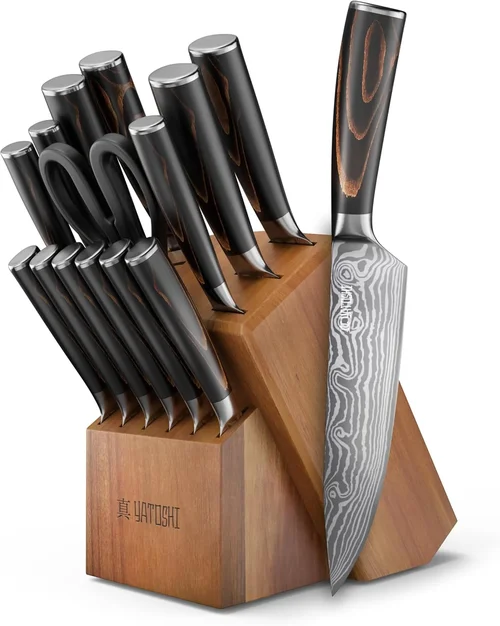
When it comes to cooking, few tools are as essential—or as personal—as a good kitchen knife. Whether you’re dicing onions for a weeknight stir-fry, slicing through a ripe heirloom tomato without crushing it, or breaking down a whole chicken, the quality of your knife can make or break your experience in the kitchen. A high-quality knife doesn’t just cut better—it feels better in your hand, lasts longer, and makes cooking more enjoyable and efficient. Yet, with so many options flooding the market—from budget sets at big-box stores to hand-forged Japanese blades costing hundreds of dollars—it’s easy to feel overwhelmed. How do you know if a knife is truly worth the investment?
This guide is designed to cut through the noise and help you make an informed decision. Whether you’re a home cook upgrading from a basic set or a seasoned chef looking for your next workhorse blade, understanding what makes a kitchen knife high quality is the first step toward building a collection you’ll cherish for years. We’ll walk you through the key factors that separate a mediocre knife from a masterpiece, including blade material, construction method, handle ergonomics, balance, and more. You’ll learn how to spot red flags, avoid common pitfalls, and identify features that genuinely matter—not just marketing buzzwords. By the end of this guide, you’ll have the knowledge and confidence to choose a knife that fits your cooking style, budget, and long-term needs.
The kitchen knife market today is more diverse—and competitive—than ever. Brands range from heritage European makers like Wüsthof and Zwilling to modern innovators like Shun, Miyabi, and even tech-forward newcomers offering ceramic and Damascus steel options. Online retailers, specialty kitchen shops, and even subscription services now offer curated knife collections, making access easier but selection more complex. With prices ranging from under $20 to over $500 per blade, the challenge isn’t just finding a knife—it’s finding the right knife. This guide will equip you with the expertise to navigate that landscape, ensuring you invest wisely in a tool that enhances your culinary journey.

What to Look for When Buying a Kitchen Knife
1. Blade Material: The Foundation of Performance
The blade is the heart of any kitchen knife, and the material it’s made from determines everything from sharpness and edge retention to ease of maintenance and corrosion resistance. High-quality knives typically use one of several premium steels, each with distinct characteristics.
Carbon Steel is revered by professional chefs for its exceptional sharpness and ability to hold a razor-thin edge. It’s softer than stainless steel, which means it can be sharpened to a finer angle, resulting in superior slicing performance. However, carbon steel is prone to rust and discoloration if not properly cared for. It requires regular drying and occasional oiling, especially if used frequently with acidic ingredients like citrus or vinegar. If you’re willing to put in the maintenance, a carbon steel knife—like those from brands such as Masamoto or Glestain—can be a joy to use.
Stainless Steel is the most common material in modern kitchen knives due to its durability and resistance to rust and staining. High-carbon stainless steel combines the best of both worlds: the edge retention of carbon steel with the corrosion resistance of stainless. Look for grades like VG-10, AUS-10, or X50CrMoV15, which are used in premium knives from brands like Shun, Global, and Wüsthof. These steels offer excellent performance with less maintenance, making them ideal for most home cooks.
Damascus Steel isn’t a specific type of steel but rather a forging technique that layers different metals to create a distinctive wavy pattern. While primarily aesthetic, Damascus blades often use high-quality core steels (like VG-10 or SG2) and are folded multiple times to improve strength and flexibility. The result is a visually stunning knife with excellent performance—though the pattern itself doesn’t affect cutting ability. Be cautious of knives marketed as “Damascus” with no mention of the core steel; some lower-end models use thin layers over cheap steel, offering beauty without substance.
Ceramic blades are lightweight, extremely hard, and retain their edge for years without sharpening. They’re also non-reactive, so they won’t alter the flavor of foods like onions or fish. However, ceramic is brittle and can chip or break if dropped or used on hard surfaces. They’re best suited for precision tasks like slicing vegetables or boneless meats, not chopping through bones or frozen items.
2. Blade Construction: Forged vs. Stamped
How a knife is made significantly impacts its strength, balance, and longevity. There are two primary methods: forged and stamped.
Forged knives are created by heating a single piece of steel and hammering it into shape—a process that dates back centuries. This method results in a thicker, heavier blade with a visible bolster (the thick junction between blade and handle) and a full tang (the metal extends through the entire handle). Forged knives are generally more durable, better balanced, and capable of withstanding heavy use. They’re the standard in professional kitchens and premium home sets. Brands like Wüsthof, Henckels, and Miyabi specialize in forged blades.
Stamped knives are cut from a flat sheet of steel using a die or laser, then heat-treated and sharpened. They’re lighter, more flexible, and often less expensive. While stamped knives can still be high quality—especially when made with premium steel—they typically lack the bolster and full tang of forged models, which can affect balance and durability. However, modern stamped knives from brands like Global and Tojiro offer excellent performance at a lower price point.
One hybrid approach is the monosteel or full-tang stamped design, where the blade is stamped but extends fully through the handle, offering better balance than traditional stamped knives. These are increasingly common in mid-range knives and represent a smart compromise between cost and quality.
3. Edge Geometry and Sharpness
A knife’s edge geometry—how it’s shaped and sharpened—determines how it performs during cutting. The two main types are Western (German) and Japanese (Asian) edge profiles.
Western knives typically have a curved edge with a 20-degree bevel on each side (40 degrees total). This design is ideal for rocking motions—chopping herbs, mincing garlic, or dicing vegetables. The thicker spine provides heft and stability, making these knives great for heavier tasks. German brands like Wüsthof and Zwilling exemplify this style.
Japanese knives often feature a flatter edge with a sharper angle—15 degrees per side (30 degrees total)—resulting in a finer, more precise cut. These are perfect for slicing, peeling, and delicate tasks like sashimi preparation. The thinner blade allows for cleaner cuts with less tearing, especially on soft foods like tomatoes. Brands like Shun, Masahiro, and Sakai Takayuki are known for their razor-sharp Japanese edges.
Some knives use a double-bevel or compound grind, combining a sharp primary edge with a micro-bevel for added durability. Others feature a Granton edge—small scallops along the blade—that reduce friction and prevent food from sticking, ideal for slicing meats and cheeses.
Sharpness out of the box is also a key indicator of quality. A high-end knife should feel noticeably sharper than a budget model, even before you test it. You can assess this by gently running your thumb across the edge (carefully!) or by slicing a piece of paper. If it cuts cleanly without tearing, the edge is likely well-honed.
4. Handle Design and Ergonomics
A knife’s handle affects comfort, control, and safety during use. A poorly designed handle can cause hand fatigue, slipping, or even injury—especially during prolonged tasks.
Material matters: High-quality handles are made from durable, non-slip materials like pakkawood (wood veneer laminated with resin), micarta, or high-grade polymers. These resist moisture, bacteria, and wear. Avoid cheap plastic or untreated wood, which can crack, warp, or harbor germs.
Shape and contour should fit naturally in your hand. Look for a handle that fills your palm without causing pressure points. Many premium knives feature ergonomic designs with finger grooves or tapered ends for a secure grip. The heel of the handle should rest comfortably against your palm, allowing for precise control.
Balance between the blade and handle is crucial. A well-balanced knife feels like an extension of your hand. To test this, place your finger at the bolster—the knife should balance evenly. If the blade feels too heavy, it can cause wrist strain; if the handle is too heavy, it reduces cutting precision.
Full tang construction, where the metal blade extends through the entire handle, enhances balance and durability. It’s a hallmark of high-quality knives, especially in forged models. Partial tangs or rat-tail tangs (where the metal narrows and is riveted into the handle) are less stable and more prone to breaking.
5. Weight and Balance
The weight and balance of a knife influence how it feels during use and how effectively it performs different tasks.
Heavier knives (typically forged German-style) provide momentum for chopping through dense vegetables, nuts, or bones. They’re ideal for tasks requiring force but can be tiring for prolonged slicing.
Lighter knives (often Japanese or stamped) offer greater agility and precision, making them perfect for detailed work like peeling, trimming, or slicing delicate proteins. They reduce hand fatigue during long prep sessions.
Balance is equally important. A knife that balances at the bolster feels natural and controlled. Some chefs prefer a blade-heavy balance for chopping, while others favor handle-heavy for precision work. The best knives achieve a neutral balance that adapts to various tasks.
To test balance, place your index finger at the bolster—the knife should rest level without tipping forward or backward. This simple test can reveal a lot about the knife’s design and craftsmanship.
6. Brand Reputation and Craftsmanship
While brand name alone doesn’t guarantee quality, reputable manufacturers have earned their status through consistent performance, innovation, and attention to detail.
Heritage brands like Wüsthof (Germany), Zwilling J.A. Henckels (Germany), and Global (Japan) have decades—or centuries—of experience. They invest in research, use high-grade materials, and maintain strict quality control. Their knives are often used in professional kitchens and come with strong warranties.
Artisan makers like Masamoto (Japan), Bob Kramer (USA), and Devin Thomas (USA) produce hand-forged, limited-run knives with exceptional attention to detail. These are often custom-ordered and can cost thousands, but they represent the pinnacle of craftsmanship.
Emerging brands like Misen, Made In, and Hedley & Bennett offer high-quality knives at accessible prices by cutting out middlemen and selling direct-to-consumer. They often use premium materials and modern designs, making them excellent value options.
When evaluating a brand, look for transparency about materials, manufacturing processes, and customer support. Read reviews from both experts and everyday users to gauge real-world performance.
7. Warranty and Customer Support
A strong warranty is a sign that a manufacturer stands behind its product. High-quality knives often come with lifetime warranties covering defects in materials and workmanship.
Look for brands that offer:
– Free sharpening services (e.g., Wüsthof)
– Replacement or repair for manufacturing flaws
– Responsive customer service
– Clear return and exchange policies
Avoid brands with vague or limited warranties, especially those that exclude normal wear and tear or require you to pay shipping for repairs.
8. Price vs. Value
Price is often a starting point, but it’s not the only indicator of quality. A $50 knife can outperform a $150 one if it’s well-made and suited to your needs.
Consider the cost per use: A $200 knife that lasts 20 years and enhances your cooking is a better investment than a $30 knife that dulls quickly and frustrates you.
Also, factor in long-term costs: Will you need to buy a sharpening stone, honing rod, or professional sharpening service? High-quality knives often require proper maintenance to perform at their best.
Ultimately, the best knife is one that fits your budget, feels right in your hand, and meets your cooking demands.
Different Types of Kitchen Knives

Common Buying Mistakes to Avoid
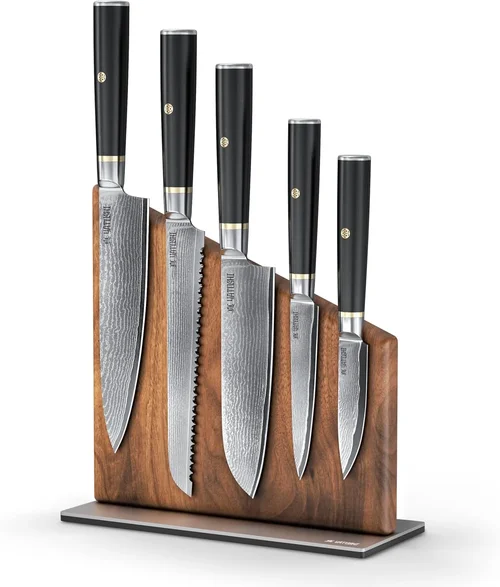
❌ Mistake: Buying a Full Set Without Testing Individual Knives
Why it’s bad: Knife sets often include unnecessary blades (like steak knives or decorative pieces) and may contain lower-quality knives to meet a price point. You might end up with a drawer full of unused tools.
What to do instead: Start with a single high-quality chef’s knife and paring knife. Add others as needed based on your cooking habits.
❌ Mistake: Prioritizing Looks Over Function
Why it’s bad: A beautiful Damascus pattern or exotic handle doesn’t guarantee performance. Some decorative knives are poorly balanced or made with inferior steel.
What to do instead: Focus on blade material, construction, and ergonomics. Aesthetics are a bonus, not a priority.
❌ Mistake: Ignoring Maintenance Requirements
Why it’s bad: Carbon steel and high-end knives require care. Neglecting to dry, oil, or sharpen them can lead to rust, dullness, or damage.
What to do instead: Choose a knife that matches your willingness to maintain it. If you prefer low maintenance, opt for high-carbon stainless steel.
❌ Mistake: Buying Based on Celebrity Endorsements
Why it’s bad: A famous chef’s name on a knife doesn’t ensure quality. Some celebrity lines are mass-produced with generic materials.
What to do instead: Research the actual manufacturer and materials. Look for independent reviews and expert opinions.
❌ Mistake: Overpaying for “Professional” Labels
Why it’s bad: Many “pro” knives are overpriced for home use. They may be too heavy or require skills you don’t have.
What to do instead: Choose a knife suited to your skill level and kitchen tasks. A great home knife doesn’t need a “professional” label.
❌ Mistake: Skipping the Honing Rod
Why it’s bad: Even the sharpest knife dulls with use. Without regular honing, performance declines and you’re more likely to apply excessive force.
What to do instead: Invest in a quality honing steel and use it weekly to realign the edge between sharpenings.
❌ Mistake: Storing Knives Loose in a Drawer
Why it’s bad: Knives can chip, dull, or damage other utensils. You also risk cutting yourself when reaching in.
What to do instead: Use a knife block, magnetic strip, or blade guards. Proper storage extends lifespan and ensures safety.
Budget Guidelines: How Much Should You Spend?
Entry-Level ($20–$50): These knives are often stamped, made with basic stainless steel, and may lack a full tang. They’re suitable for occasional use or beginners but will dull quickly and may not last long. Look for brands like Victorinox Fibrox for decent performance at this price.
Mid-Range ($50–$150): This is the sweet spot for most home cooks. Knives in this range often use high-carbon stainless steel, have better balance, and may be forged or full-tang stamped. Brands like Shun, Tojiro, and Wüsthof Classic offer excellent value here.
Premium ($150–$300): For enthusiasts and serious home chefs, these knives feature premium steels (VG-10, SG2), superior craftsmanship, and ergonomic handles. They offer exceptional sharpness, durability, and balance. Examples include Miyabi, Global G-2, and Bob Kramer by Zwilling.
Luxury ($300+): These are hand-forged, often custom-made knives from master smiths. They use rare materials, intricate designs, and offer unparalleled performance. Ideal for collectors or professionals, but overkill for most home kitchens.
Expert Tips for Getting the Best Deal
– Buy during sales: Look for discounts around Black Friday, Amazon Prime Day, or brand-specific promotions.
– Shop direct: Brands like Misen and Made In offer better prices by selling online without retail markups.
– Consider refurbished or outlet models: Many brands sell returned or overstock knives at a discount with full warranties.
– Read return policies: Ensure you can return or exchange if the knife doesn’t meet expectations.
– Test in-store when possible: Feel the weight, balance, and grip before buying.
– Invest in maintenance tools: A good honing rod and sharpening stone extend your knife’s life and performance.
– Start small: Buy one great knife instead of a mediocre set. Build your collection over time.

Frequently Asked Questions
Q: How often should I sharpen my kitchen knife?
A: It depends on use, but most home cooks should sharpen their knife every 6–12 months. Use a honing rod weekly to maintain the edge between sharpenings.
Q: Can I put my knife in the dishwasher?
A: No. Dishwashers can damage the blade, handle, and edge. Always hand wash and dry immediately.
Q: What’s the difference between a chef’s knife and a Santoku?
A: A chef’s knife has a curved edge for rocking motions, while a Santoku has a flatter edge for precise slicing. Santokus are often lighter and better for vegetables.
Q: Are Japanese knives better than German knives?
A: Not necessarily. Japanese knives are sharper and lighter; German knives are heavier and more durable. Choose based on your cutting style.
Q: How do I know if a knife is balanced?
A: Place your finger at the bolster—the knife should balance evenly without tipping forward or backward.
Q: Can I use a ceramic knife for everything?
A: No. Avoid hard foods, bones, or twisting motions. Use it for slicing soft items like vegetables, fruits, and boneless meats.
Q: What’s a full tang?
A: A full tang means the metal blade extends through the entire handle, improving balance and durability.
Q: How do I store my knives safely?
A: Use a knife block, magnetic strip, or blade guards. Never store loose in a drawer.
Q: Is a more expensive knife always better?
A: Not always. A $100 knife can outperform a $200 one if it’s better suited to your needs and well-maintained.
Q: Can I sharpen a serrated knife?
A: Yes, but it requires a specialized sharpening tool. Most people send serrated knives to professionals for sharpening.
Our Final Recommendations
– Best for Budget-Conscious Buyers: Victorinox Fibrox Pro Chef’s Knife – Affordable, durable, and widely used by professionals.
– Best Overall Value: Shun Classic 8” Chef’s Knife – Excellent sharpness, balance, and Japanese craftsmanship at a reasonable price.
– Best Premium Option: Wüsthof Classic Ikon 8” Chef’s Knife – Forged German quality with ergonomic handle and lifetime warranty.
– Best for Beginners: Tojiro DP 8.2” Chef’s Knife – High-quality VG-10 steel, easy to maintain, and great for learning proper technique.
– Best for Advanced Users: Miyabi Birchwood 9.5” Chef’s Knife – Hand-forged SG2 steel with stunning aesthetics and razor-sharp performance.
Conclusion: Making the Right Choice
Choosing a high-quality kitchen knife isn’t just about finding the sharpest or most expensive blade—it’s about finding the right tool for your hands, your cooking style, and your kitchen. By understanding the key factors—blade material, construction, edge geometry, handle design, and balance—you can make a confident, informed decision that enhances your culinary experience.
Remember, a great knife is an investment. It should feel like an extension of your hand, inspire confidence, and make cooking more enjoyable. Don’t rush the process. Take time to research, test, and compare. And once you find the right one, treat it with care—it will serve you well for years to come.
Whether you’re slicing tomatoes for a summer salad or carving a holiday roast, the right knife makes all the difference. So go ahead—upgrade your toolkit, sharpen your skills, and discover the joy of cooking with a truly exceptional blade.