Using an electric kettle is simple, fast, and convenient—once you know the basics. This guide walks you through setup, operation, cleaning, and safety tips to help you get the most out of your appliance every day.
If you’ve ever stood in your kitchen staring at a sleek, modern electric kettle wondering, “Okay… now what?”—you’re not alone. Electric kettles have become a staple in homes around the world, praised for their speed, efficiency, and ease of use. Whether you’re brewing your morning coffee, steeping a soothing cup of herbal tea, or preparing instant oatmeal, an electric kettle can make the process faster and more consistent than using a stovetop pot. But despite their simplicity, many people don’t fully understand how to use them safely or effectively.
The truth is, while electric kettles are designed to be user-friendly, a little knowledge goes a long way. From understanding water levels to knowing when to descale, small habits can dramatically extend your kettle’s lifespan and improve your daily experience. In this comprehensive guide, we’ll walk you through everything you need to know—from unboxing your first electric kettle to maintaining it for years of reliable service. You’ll learn not just the “how,” but also the “why” behind each step, so you can feel confident and in control every time you press that button.
Key Takeaways
- Always fill within the min/max water level markers: Overfilling can cause spills; underfilling may damage the heating element.
- Use only clean, cold tap or filtered water: Prevents mineral buildup and ensures better-tasting beverages.
- Never operate the kettle without water: Dry boiling can permanently damage the unit and pose a fire risk.
- Regular descaling extends kettle life: Clean monthly (or more often in hard water areas) with vinegar or commercial descaler.
- Unplug when not in use: Saves energy and reduces wear on internal components.
- Choose the right temperature setting if available: Preserves flavor in delicate teas like green or white tea.
- Store properly after cooling: Keep the cord wrapped neatly and avoid stacking items on top of the kettle.
📑 Table of Contents
Understanding Your Electric Kettle
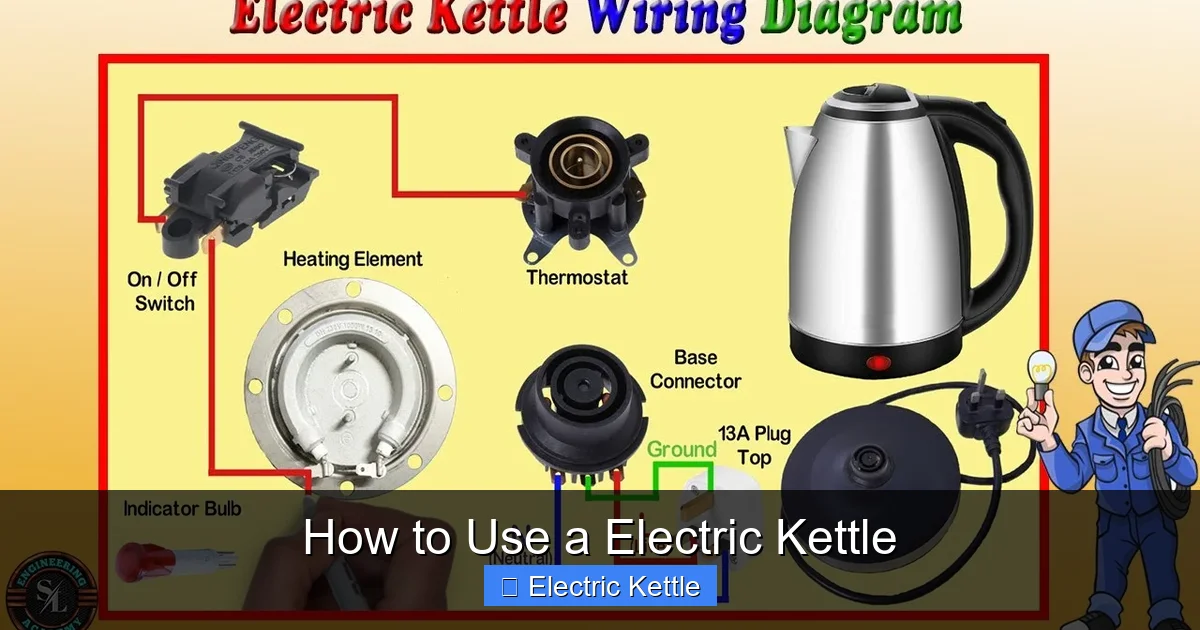
Before you even plug in your electric kettle, it’s important to get familiar with its parts and features. Most electric kettles share a common design: a heating base, a detachable or fixed water chamber, a lid, a handle, and a power switch or button. However, models vary widely in materials (stainless steel, glass, plastic), capacity (typically 1 to 1.7 liters), and advanced features like temperature control, keep-warm functions, or automatic shut-off.
Start by reading the user manual that came with your kettle. Yes, we know—it’s tempting to skip it—but manuals often contain model-specific instructions, safety warnings, and warranty details that can save you headaches later. For example, some kettles require a “first-time burn-off” cycle to remove manufacturing residues, while others have specific cleaning guidelines for their interior coatings.
Next, inspect the kettle for any visible damage, especially around the power cord and base. Make sure the lid opens and closes smoothly and that the spout pours without dripping. If your kettle has a removable filter (usually located near the spout), check that it’s clean and properly seated. This filter catches limescale and debris, helping keep your water pure and your kettle functioning well.
One key feature to note is the water level indicator. Most kettles have clear markings showing minimum and maximum fill levels. These aren’t just suggestions—they’re critical for safe operation. Filling below the minimum can expose the heating element, leading to overheating and potential damage. Overfilling risks boiling water spilling out when it reaches a rolling boil, which can be dangerous and messy.
If your kettle offers variable temperature settings (common in premium models), take a moment to understand what each setting does. For instance, 175°F (80°C) is ideal for green tea, while 212°F (100°C) is best for black tea or French press coffee. Some kettles even have preset programs for different beverages, making it easy to brew perfectly every time.
Finally, consider where you’ll place your kettle. Choose a flat, stable surface away from edges, curtains, or other heat-sensitive materials. Ensure there’s enough clearance above the kettle for the lid to open fully and that the power cord can reach an outlet without stretching or bending sharply. A little planning now prevents accidents and makes daily use more convenient.
Step-by-Step Guide to Using Your Electric Kettle
Visual guide about How to Use a Electric Kettle
Image source: i.ytimg.com
Now that you’re familiar with your kettle’s components, let’s walk through the actual process of using it. Don’t worry—it’s straightforward, but paying attention to each step ensures safety, efficiency, and great-tasting results.
Step 1: Fill with the Right Amount of Water
Start by opening the lid and checking the interior. Remove any packaging materials or stickers that may have been left inside. Then, fill the kettle with cold, clean water. Use tap water unless you live in an area with very hard water—in that case, filtered or distilled water is better to reduce mineral buildup.
Always fill between the minimum and maximum markings. If you’re making one cup of tea, don’t fill to the top just because you can. Most kettles boil faster and more efficiently with smaller amounts of water, and you’ll save energy. Conversely, if you’re preparing hot water for multiple people or a large batch of instant noodles, don’t skimp—fill to the max line but no higher.
Pro tip: If your kettle has a removable water reservoir (some newer models do), you can fill it at the sink and then attach it to the base. This makes pouring easier and reduces the risk of spills.
Step 2: Close the Lid and Place on the Base
Once filled, securely close the lid. Make sure it clicks or locks into place if your model has that feature. Then, place the kettle back onto its heating base. The base contains the electrical contacts that power the heating element, so alignment matters—most kettles only fit one way.
Double-check that the kettle is centered and stable. If it wobbles or doesn’t sit flush, the connection may be incomplete, and the kettle won’t heat properly.
Step 3: Plug In and Select Settings (If Applicable)
Plug the base into a grounded electrical outlet. Avoid using extension cords or power strips unless absolutely necessary, as they can overheat under high-wattage loads. Electric kettles typically draw between 1,200 and 1,800 watts, so they need a dedicated circuit for optimal performance.
If your kettle has temperature controls, select the appropriate setting for your beverage. For example:
– 160–175°F (70–80°C): White or green tea
– 185–195°F (85–90°C): Oolong tea
– 200–212°F (93–100°C): Black tea, coffee, or instant meals
Some kettles beep or flash a light when the desired temperature is reached. Others automatically switch to a “keep warm” mode. Refer to your manual to understand your model’s signals.
Step 4: Press the Start Button and Wait
Press the power button or switch to begin heating. Most kettles boil water in 3 to 5 minutes, depending on volume and starting temperature. You’ll hear the gentle hum of the heating element and see steam begin to rise as the water approaches boiling.
Never leave your kettle unattended while it’s heating—especially if you’re new to using it. Although modern kettles have automatic shut-off features, it’s still wise to stay nearby in case of malfunctions.
Step 5: Pour and Enjoy
Once the kettle turns off (either automatically or manually), carefully lift it by the handle and pour. Hold the kettle steady and pour slowly to avoid splashing. If your kettle has a gooseneck spout (common in pour-over coffee kettles), you’ll have more control for precise pouring.
Let the kettle cool slightly before handling the interior or refilling. The heating element and walls can remain hot for several minutes after use.
And that’s it! You’ve successfully used your electric kettle. With practice, this process will become second nature—faster than waiting for a pot to boil on the stove.
Safety Tips and Best Practices
Electric kettles are among the safest kitchen appliances when used correctly, but like any electrical device, they require caution. Here are essential safety tips to keep in mind every time you use your kettle.
Never Operate an Empty Kettle
This cannot be stressed enough: always ensure there’s water in the kettle before turning it on. Dry boiling—running the kettle with no water—can cause the heating element to overheat, warp, or even catch fire. Most modern kettles have sensors that prevent this, but it’s not worth the risk. If you accidentally press the button with an empty kettle, unplug it immediately and let it cool.
Keep Hands and Faces Away from Steam
When water boils, it produces hot steam that can cause burns. Avoid leaning over the kettle while it’s heating, and never hold your hand near the spout. If you need to check the water level while heating, use the viewing window (if your kettle has one) instead of opening the lid.
Use on a Stable, Heat-Resistant Surface
Place your kettle on a countertop made of stone, tile, or heat-resistant laminate. Avoid wood, plastic, or fabric surfaces, which can warp or ignite if exposed to heat or spilled water. Also, keep the kettle away from sink edges—accidental knocks can send scalding water flying.
Unplug When Not in Use
Even when turned off, leaving the kettle plugged in keeps it connected to power. This wastes a small amount of standby energy and increases the risk of electrical issues. Get in the habit of unplugging the base after each use, especially if you won’t be using the kettle for a while.
Don’t Immerse the Base in Water
The heating base contains electrical components and should never be submerged or rinsed under running water. If it gets wet, unplug it immediately and let it dry completely before use. Clean only the kettle portion (if detachable) or wipe the exterior with a damp cloth.
Supervise Children and Pets
Electric kettles get extremely hot and should be kept out of reach of children and pets. If you have curious kids, consider storing the kettle in a high cabinet when not in use or using a model with a child-lock feature.
By following these simple guidelines, you’ll protect yourself, your family, and your appliance from harm.
Cleaning and Maintenance
A well-maintained electric kettle not only lasts longer but also delivers better-tasting water. Over time, minerals from hard water can accumulate inside the kettle, forming a chalky white deposit called limescale. This buildup reduces heating efficiency, affects taste, and can even harbor bacteria if left unchecked.
Daily Cleaning
After each use, rinse the interior with clean water and wipe the exterior with a soft, damp cloth. Avoid abrasive sponges or harsh chemicals, which can scratch surfaces or leave residues. If your kettle has a removable filter, take it out and rinse it under running water to remove any trapped particles.
Let the kettle air-dry with the lid open to prevent moisture buildup, which can lead to mold or odors.
Monthly Descaling
Descaling removes limescale and should be done at least once a month—or more frequently if you live in a hard water area. Here’s a simple method using white vinegar:
1. Fill the kettle halfway with equal parts water and white vinegar.
2. Bring the solution to a boil, then turn off the kettle and let it sit for 30–60 minutes.
3. Pour out the solution and rinse the kettle thoroughly with clean water (at least 3–4 times).
4. Run a cycle with fresh water (boil and discard) to eliminate any vinegar taste.
Alternatively, use a commercial descaling solution following the manufacturer’s instructions. These are often more concentrated and may require shorter soak times.
Deep Cleaning the Exterior
For stainless steel kettles, use a mixture of baking soda and water to gently scrub away fingerprints or stains. For plastic models, avoid strong cleaners that can degrade the material. Glass kettles can be cleaned with a vinegar soak followed by a soft brush to reach crevices.
Never use steel wool or metal scrubbers, as they can scratch and damage the surface.
Check the Power Cord and Base
Periodically inspect the power cord for fraying, cracks, or loose connections. If you notice any damage, stop using the kettle and contact the manufacturer. Also, wipe the base with a dry cloth to remove dust or spills that could interfere with electrical contacts.
With consistent care, your electric kettle can serve you reliably for 5–10 years or more.
Common Mistakes to Avoid
Even experienced users make mistakes with electric kettles. Avoid these common pitfalls to keep your appliance in top shape:
– **Overfilling or underfilling:** Always stay within the marked water levels.
– **Using hot or warm water:** Start with cold water to prevent thermal shock and ensure accurate temperature readings.
– **Ignoring the filter:** A clogged filter reduces flow and can affect taste—clean it regularly.
– **Boiling water repeatedly:** Reboiling water concentrates minerals and can alter flavor. Use fresh water each time when possible.
– **Storing with water inside:** Leaving water in the kettle promotes limescale and bacterial growth. Empty and dry after each use.
– **Using metal utensils inside:** Stirring with a spoon can scratch the interior coating. Use wooden or silicone tools if needed.
Troubleshooting Common Issues
If your kettle isn’t working as expected, don’t panic—many issues are easy to fix:
– **Kettle won’t turn on:** Check if it’s plugged in, the base is clean, and the kettle is properly seated. Try a different outlet.
– **Water takes too long to boil:** This may indicate heavy limescale buildup—descale immediately.
– **Kettle turns off too soon:** Could be a faulty thermostat or low water level. Ensure you’re filling above the minimum line.
– **Strange taste or odor:** Likely due to residue or old water. Clean and descale, then run a few cycles with fresh water.
– **Leaking from the base:** Usually caused by overfilling or a cracked seal. Stop using and inspect for damage.
When in doubt, consult your user manual or contact customer support.
Conclusion
Using an electric kettle is one of the simplest yet most rewarding kitchen tasks you can master. It saves time, energy, and effort while delivering consistently hot water for all your favorite beverages and meals. By understanding your kettle’s features, following safe operating procedures, and maintaining it regularly, you’ll enjoy years of reliable performance.
Remember: the key to success isn’t complexity—it’s consistency. Fill it right, clean it often, and treat it with care. Whether you’re a tea enthusiast, a coffee lover, or just someone who appreciates a quick cup of hot water, your electric kettle is a trusty companion worth knowing well.
So go ahead—press that button, hear that gentle boil, and savor the moment. Your perfect cup is just a kettle away.
Frequently Asked Questions
Can I use my electric kettle to boil milk?
No, it’s not recommended. Milk can scorch, foam over, and leave stubborn residues that are hard to clean. Most kettles aren’t designed for dairy products, and doing so may void your warranty or damage the heating element.
How often should I descale my electric kettle?
Descale at least once a month if you use your kettle daily. In areas with hard water, you may need to do it every 2–3 weeks. Look for white mineral deposits or slower boiling times as signs it’s time to clean.
Is it safe to leave water in my electric kettle overnight?
It’s best to empty and dry your kettle after each use. Stagnant water can promote bacterial growth and accelerate limescale buildup. For safety and taste, always use fresh water.
Why does my electric kettle smell like plastic?
This is common with new kettles. Run 2–3 cycles with water (boil and discard) to eliminate manufacturing residues. If the smell persists after a week, contact the manufacturer—it could indicate a defect.
Can I use bottled water in my electric kettle?
Yes, but it’s unnecessary and costly. Tap or filtered water works fine and is more eco-friendly. Bottled water won’t improve taste significantly and may still contain minerals that cause scaling.
What should I do if my kettle stops working suddenly?
First, unplug it and let it cool. Check the power source, cord, and base for damage. If everything looks fine, try resetting it (if it has a reset button). If it still doesn’t work, consult the manual or contact customer support—don’t attempt repairs yourself.