Using an electric kettle is simple, but doing it right ensures safety, efficiency, and longevity. This guide walks you through setup, operation, cleaning, and troubleshooting for the best results.
Key Takeaways
- Read the manual first: Every electric kettle model has unique features and safety instructions—never skip this step.
- Use cold, filtered water: Cold water heats faster and more evenly; filtered water reduces mineral buildup.
- Never overfill: Stay within the minimum and maximum water level markers to prevent spills and damage.
- Place on a stable, heat-resistant surface: Avoid countertops with moisture or flammable materials nearby.
- Clean regularly: Descale every 4–6 weeks to maintain performance and taste.
- Unplug when not in use: Saves energy and reduces fire risk, especially if your kettle lacks auto-shutoff.
- Know when to replace: If your kettle takes too long to boil, leaks, or shows signs of wear, it’s time for a new one.
📑 Table of Contents
- Introduction: Why the Electric Kettle Deserves a Spot in Your Kitchen
- Getting Started: Setting Up Your Electric Kettle
- How to Use an Electric Kettle: Step-by-Step Guide
- Safety Tips for Using an Electric Kettle
- Cleaning and Maintenance: Keeping Your Kettle in Top Shape
- Troubleshooting Common Electric Kettle Problems
- Choosing the Right Electric Kettle for Your Needs
- Conclusion: Master Your Electric Kettle for Daily Convenience
Introduction: Why the Electric Kettle Deserves a Spot in Your Kitchen
If you’ve ever stood waiting for a pot of water to boil on the stove, only to forget it and hear the frantic whistle minutes later, you’ll appreciate the magic of an electric kettle. It’s fast, convenient, and—when used correctly—incredibly safe. Whether you’re making morning tea, instant coffee, oatmeal, or even sterilizing baby bottles, the electric kettle is one of the most underrated kitchen workhorses.
But here’s the thing: while it seems simple, using an electric kettle the right way can make a big difference. From avoiding limescale buildup to ensuring your appliance lasts for years, small habits add up. And with so many models on the market—from basic plastic kettles to sleek stainless steel smart kettles with temperature control—it’s easy to feel overwhelmed. That’s why understanding how to use an electric kettle properly is essential, no matter your experience level.
Getting Started: Setting Up Your Electric Kettle
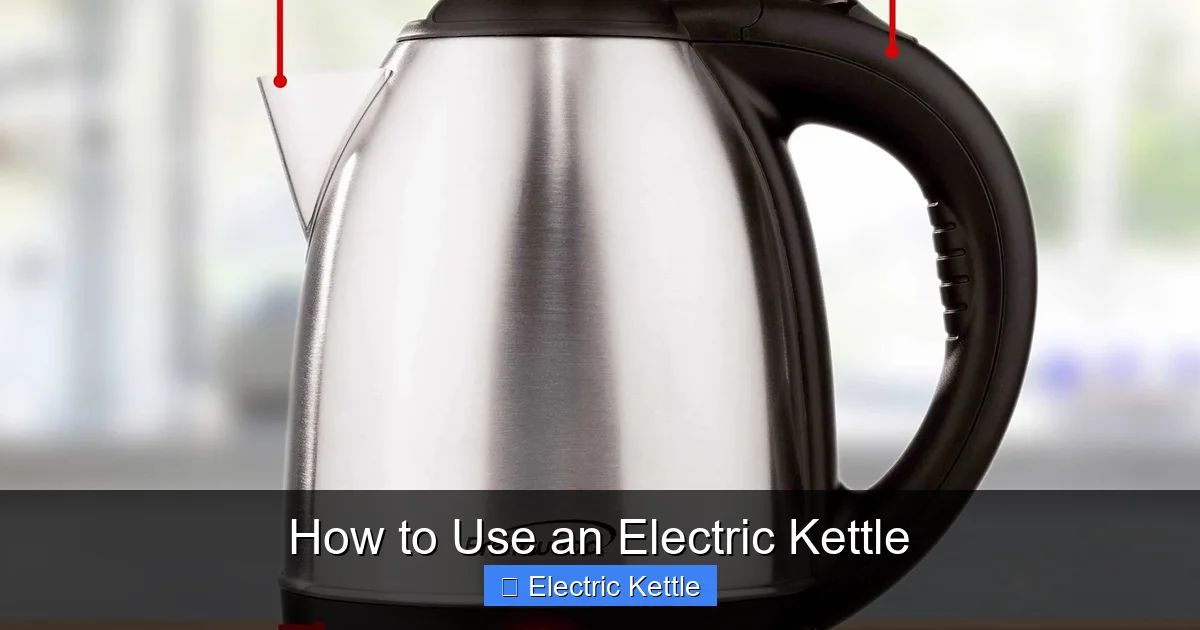
Visual guide about How to Use an Electric Kettle
Image source: easylifeelectronic.com
Before you even think about boiling water, take a few minutes to set up your electric kettle correctly. This step is often overlooked, but it lays the foundation for safe and efficient use.
Unboxing and First-Time Setup
When you first unbox your electric kettle, remove all packaging materials, including any protective film on the handle or lid. Check for included accessories like a water filter or measuring cup. Then, give the interior a quick rinse with clean water—don’t use soap yet. This removes any dust or residue from manufacturing.
Next, locate the power base and ensure the cord is untangled and free of damage. Plug it into a grounded outlet, preferably one that’s easily accessible and not overloaded with other appliances. Avoid using extension cords unless absolutely necessary, as they can overheat.
Understanding the Parts of Your Kettle
Most electric kettles share common components, but it’s worth familiarizing yourself with them:
– Lid: Usually opens with a button or twist mechanism. Some have a flip-top design for easy filling.
– Handle: Designed to stay cool to the touch. Never hold the kettle by the spout or base.
– Water level window: Shows min and max fill lines. Never go below or above these.
– Heating element: Either exposed (older models) or concealed under a flat base (modern designs).
– Auto shut-off switch: Turns off the kettle once water reaches boiling point.
– Power base: The part that plugs into the outlet. Never immerse this in water.
Knowing these parts helps you operate the kettle safely and troubleshoot issues later.
Initial Wash and First Boil
Before your first use, fill the kettle to the max line with cold water. Add a tablespoon of white vinegar and let it sit for 15–20 minutes. This helps remove any manufacturing residues. Then, boil the water, let it cool, and pour it out. Rinse the interior thoroughly with clean water. Repeat once more with plain water to ensure no vinegar taste remains.
This simple step improves taste and extends the life of your kettle.
How to Use an Electric Kettle: Step-by-Step Guide
Now that your kettle is set up, let’s walk through the actual process of using it. It’s straightforward, but attention to detail ensures safety and efficiency.
Step 1: Fill with the Right Amount of Water
Always use cold, preferably filtered water. Cold water heats more evenly and reduces stress on the heating element. Filtered water minimizes mineral deposits, especially if you live in a hard water area.
Fill the kettle between the minimum and maximum markers. Overfilling can cause boiling water to spill out the spout, creating a burn hazard. Underfilling may expose the heating element, leading to overheating and potential damage.
For example, if you’re making one cup of tea, don’t fill the kettle to the top. Use just enough water—say, 250–300 ml. This saves energy and boils faster.
Step 2: Close the Lid Securely
Make sure the lid is fully closed before turning on the kettle. Most models won’t operate if the lid is open, but it’s good practice to double-check. A loose lid can cause steam to escape unevenly or allow water to splash out.
If your kettle has a locking mechanism, engage it. This is especially important for kettles with flip-top lids.
Step 3: Place on a Stable, Heat-Resistant Surface
Set the kettle on a flat, dry, and heat-resistant surface—like a countertop or trivet. Avoid placing it near the edge, where it could be knocked over. Keep it away from curtains, paper, or other flammable materials.
Never place the kettle on a wet surface or near a sink full of water. Even though the base is designed to be water-resistant, moisture can seep into electrical components over time.
Step 4: Plug In and Turn On
Plug the base into the outlet. Most electric kettles have a power button or switch on the handle. Press it to start heating. You’ll usually hear a soft click and see a light indicator.
Some advanced models have temperature settings (e.g., 160°F for green tea, 200°F for coffee). Select the appropriate temperature if your kettle offers this feature. This prevents over-boiling delicate teas and preserves flavor.
Step 5: Wait for Auto Shut-Off
Once the water reaches the desired temperature, the kettle will automatically shut off. You’ll hear a click or see the light turn off. This usually takes 3–5 minutes, depending on the amount of water and kettle wattage.
Do not leave the kettle unattended while it’s heating. Although auto shut-off is reliable, it’s always safer to stay nearby.
Step 6: Pour Carefully
Lift the kettle by the handle—never by the spout or base. Tilt slowly to avoid splashing. If your kettle has a gooseneck spout (common in pour-over coffee kettles), use it to control the flow precisely.
Let the kettle cool for a few minutes before refilling. Repeatedly heating a hot kettle can stress the components.
Safety Tips for Using an Electric Kettle
Safety should always come first when using any electrical appliance. Electric kettles are generally safe, but a few precautions go a long way.
Avoid Overfilling and Underfilling
As mentioned earlier, always stay within the water level markers. Overfilling can cause boiling water to erupt from the spout, leading to burns. Underfilling risks dry boiling, which can damage the heating element and even start a fire.
If your kettle doesn’t have clear markers, use a measuring cup to gauge the right amount.
Never Immerse the Base in Water
The power base contains electrical components and must never be submerged. Only the kettle itself (not the base) should come into contact with water. Clean the exterior with a damp cloth, but avoid getting water into the cord or plug.
If the base gets wet, unplug it immediately and let it dry completely before use.
Keep Away from Children and Pets
Electric kettles get extremely hot—over 200°F (93°C). Keep them out of reach of children and pets. Use the back burners of your stove if you’re also cooking, and never leave a boiling kettle unattended.
Consider models with cool-touch exteriors or child locks if you have young kids at home.
Unplug When Not in Use
Even when off, leaving the kettle plugged in can pose a fire risk, especially if there’s a power surge or faulty wiring. Unplugging it when not in use also saves energy—phantom power drain adds up over time.
If your kettle has a removable cord, store it neatly to prevent tripping hazards.
Watch for Signs of Wear
Inspect your kettle regularly for cracks, frayed cords, or loose parts. If the kettle takes longer to boil, makes strange noises, or leaks, stop using it immediately. These are signs of internal damage.
Don’t try to repair it yourself—contact the manufacturer or replace it.
Cleaning and Maintenance: Keeping Your Kettle in Top Shape
A clean kettle doesn’t just look better—it performs better and tastes better too. Mineral buildup from hard water can affect heating efficiency and leave a metallic or chalky taste in your drinks.
Daily Cleaning Routine
After each use, rinse the interior with clean water. Wipe the exterior with a soft, damp cloth. Avoid abrasive sponges or harsh chemicals, which can scratch the surface or leave residues.
If you notice water spots or fingerprints on stainless steel models, use a microfiber cloth for a streak-free shine.
Descaling: The Key to Longevity
Descaling removes limescale—a chalky deposit caused by calcium and magnesium in hard water. Over time, this buildup insulates the heating element, making the kettle slower and less efficient.
To descale:
1. Fill the kettle halfway with equal parts water and white vinegar.
2. Let it sit for 30–60 minutes.
3. Boil the solution, then let it cool.
4. Pour out the liquid and scrub gently with a soft brush or sponge.
5. Rinse thoroughly with clean water.
6. Boil fresh water 2–3 times to remove any vinegar taste.
Do this every 4–6 weeks, or more often if you live in a hard water area.
Deep Cleaning the Exterior and Base
Wipe the power base with a dry or slightly damp cloth. Never use liquids near the electrical components. For stubborn stains on the kettle body, mix baking soda and water into a paste, apply gently, and wipe clean.
Avoid submerging the lid or handle in water unless the manufacturer specifies it’s dishwasher-safe.
Replacing Filters (If Applicable)
Some kettles come with built-in water filters to reduce impurities. These typically need replacing every 2–3 months, depending on usage. Check your manual for instructions and replacement schedules.
A clogged filter can reduce water flow and affect taste.
Troubleshooting Common Electric Kettle Problems
Even the best kettles can run into issues. Here’s how to handle the most common problems.
Kettle Won’t Turn On
First, check if it’s plugged in and the outlet is working. Try a different outlet. If the light doesn’t come on, the fuse in the plug may be blown—replace it if your model has a replaceable fuse.
If the kettle still doesn’t work, the thermostat or heating element may be faulty. Contact the manufacturer.
Water Takes Too Long to Boil
This is often due to limescale buildup. Descale the kettle as described above. Also, ensure you’re not overfilling—larger volumes take longer to heat.
If the problem persists, the heating element may be damaged.
Kettle Leaks Water
Check the seal around the spout and lid. Over time, rubber gaskets can wear out. Tighten the lid or replace the seal if possible.
If water leaks from the base, the kettle may have internal damage—stop using it immediately.
Strange Taste or Odor
This is usually from old water, limescale, or residue. Rinse thoroughly and descale. Boil fresh water a few times to flush out any lingering taste.
Avoid using soap unless the manufacturer recommends it—most kettles should only be rinsed.
Auto Shut-Off Not Working
If the kettle doesn’t turn off automatically, unplug it right away. This could indicate a faulty thermostat. Do not continue using it—this is a fire hazard.
Contact customer support for repair or replacement.
Choosing the Right Electric Kettle for Your Needs
Not all electric kettles are created equal. Here’s what to consider when buying one.
Material: Plastic, Stainless Steel, or Glass?
– Plastic: Lightweight and affordable, but can retain odors and may leach chemicals if low-quality. Look for BPA-free models.
– Stainless steel: Durable, easy to clean, and doesn’t affect taste. Best for most users.
– Glass: Stylish and allows you to see the water boil, but can break and may show water spots.
Capacity: How Much Water Do You Need?
Kettles range from 0.5L (perfect for one person) to 1.7L (great for families). Choose based on your typical usage. A smaller kettle boils faster and uses less energy.
Features to Look For
– Variable temperature control: Ideal for tea lovers.
– Keep-warm function: Maintains temperature for up to 30 minutes.
– Gooseneck spout: Great for pour-over coffee.
– Quiet boil technology: Reduces noise.
– 360-degree swivel base: Makes pouring easier.
Energy Efficiency
Look for kettles with high wattage (1500W–3000W) for faster boiling. Energy-efficient models heat only the water you need, saving electricity.
Conclusion: Master Your Electric Kettle for Daily Convenience
Using an electric kettle is more than just pressing a button—it’s about doing it safely, efficiently, and with care. From the first setup to daily use and regular maintenance, small habits make a big difference. By following this guide, you’ll enjoy faster boiling times, better-tasting beverages, and a longer-lasting appliance.
Remember: always use cold, filtered water, stay within fill lines, clean regularly, and unplug when done. Whether you’re brewing tea, making coffee, or preparing a quick meal, your electric kettle can be a reliable kitchen companion—if you treat it right.
So go ahead, fill it up, press that button, and enjoy the perfect cup, every time.
Frequently Asked Questions
Can I use my electric kettle to boil milk?
It’s not recommended. Milk can scorch, bubble over, and leave stubborn residue that’s hard to clean. Most kettles aren’t designed for dairy products. Use a saucepan instead.
Is it safe to leave water in the kettle overnight?
It’s best to empty the kettle after each use. Stagnant water can promote bacterial growth and increase limescale buildup. Rinse and dry the interior if you plan to store it.
How often should I descale my electric kettle?
Every 4–6 weeks for regular users, or more often in hard water areas. Signs you need to descale include slower boiling, white deposits, or a chalky taste.
Can I use my electric kettle without the base?
No. The base contains the power supply and safety mechanisms. Never try to operate the kettle separately—it won’t work and could be dangerous.
Why does my kettle make a loud noise when boiling?
This is normal—steam and boiling water create sound. However, excessive noise may indicate limescale buildup. Descale the kettle to reduce noise.
What should I do if my kettle smells like plastic?
This is common with new kettles. Boil water 2–3 times and discard it. Avoid using soap. The smell should fade after a few uses. If it persists, contact the manufacturer.