Using an electric kettle for coffee isn’t just about boiling water—it’s about precision, timing, and technique. Whether you’re making pour-over, French press, or instant coffee, the right water temperature and method can dramatically improve flavor. This guide covers everything you need to brew café-quality coffee at home with your electric kettle.
Key Takeaways
- Use the right water temperature: Most coffee brews best between 195°F and 205°F—just below boiling. Overheating can scorch grounds and create bitterness.
- Choose the right kettle: Go for an electric kettle with variable temperature settings for better control over different coffee types.
- Pre-warm your brewing equipment: Rinsing your dripper or French press with hot water helps maintain stable brewing temperature.
- Pour slowly and steadily: A gooseneck kettle allows precise pouring, essential for pour-over methods like V60 or Chemex.
- Clean your kettle regularly: Mineral buildup affects taste and heating efficiency—descale monthly with vinegar or a commercial cleaner.
- Match kettle to coffee method: Different brewing styles require different temperatures and pour techniques—adjust accordingly.
- Use filtered water: Impurities in tap water can alter flavor—filtered or bottled water ensures a cleaner, more consistent cup.
📑 Table of Contents
Why Use an Electric Kettle for Coffee?
If you’re serious about your morning cup, upgrading from a stovetop kettle to an electric one might be one of the best decisions you make. Electric kettles heat water faster, more evenly, and with far greater precision than traditional methods. But more importantly, they give you control—something that’s essential when brewing great coffee.
Coffee is delicate. Too hot, and you risk extracting bitter compounds from the grounds. Too cool, and you under-extract, leaving your coffee weak and sour. The ideal brewing temperature for most coffee methods sits between 195°F and 205°F—just shy of boiling. Most electric kettles, especially those with variable temperature settings, can hit this sweet spot consistently. That’s a game-changer for anyone making pour-over, French press, or even espresso-style drinks at home.
But it’s not just about temperature. Electric kettles are convenient. You can set them and walk away while they heat, and many models beep when the water reaches your desired temp. Some even have keep-warm functions, so your water stays ready for multiple brews. Plus, they’re energy-efficient and safer than leaving a stove unattended.
And let’s not forget the design. Gooseneck electric kettles, in particular, are built for coffee lovers. The narrow, curved spout allows for slow, controlled pouring—critical for even saturation in pour-over brewing. Whether you’re a beginner or a seasoned home barista, an electric kettle can elevate your coffee routine from average to exceptional.
Choosing the Right Electric Kettle for Coffee
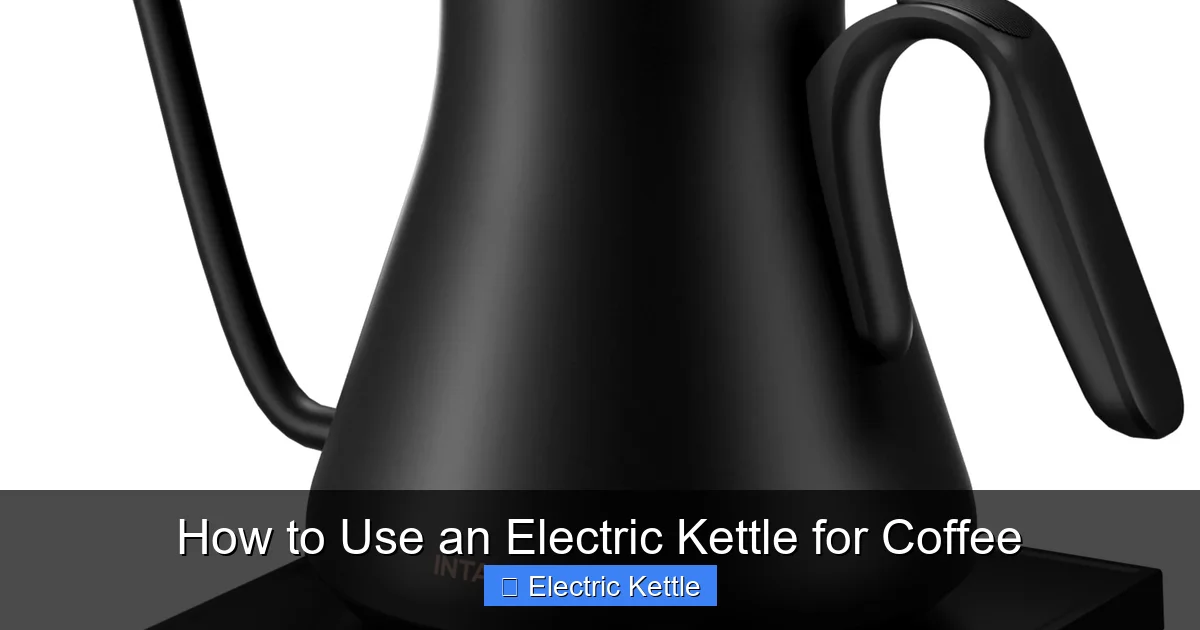
Visual guide about How to Use an Electric Kettle for Coffee
Image source: m.media-amazon.com
Not all electric kettles are created equal—especially when it comes to brewing coffee. While any kettle can boil water, the best ones offer features that directly improve your brew. So, what should you look for?
First, consider temperature control. A fixed-boiling kettle (one that only heats to 212°F) works in a pinch, but it’s not ideal. Look for a model with variable temperature settings—usually adjustable in 5°F or 10°F increments. This lets you tailor the heat to your coffee type. For example, light roasts often benefit from slightly hotter water (200–205°F), while darker roasts do better at 195–200°F to avoid bitterness.
Next, think about the spout. If you’re into pour-over methods like V60, Chemex, or Kalita Wave, a gooseneck spout is almost essential. It gives you the precision needed to control flow rate and pattern, ensuring even extraction. A wide, open spout might be fine for French press, but it’s a liability for delicate pour-overs.
Capacity matters too. Most electric kettles range from 0.5 to 1.7 liters. For solo drinkers, a 0.8–1 liter model is plenty. But if you’re brewing for two or more, or making multiple cups throughout the day, go bigger. Just remember: larger kettles take longer to heat and may use more energy.
Material is another factor. Stainless steel kettles are durable and retain heat well, but they can be heavy. Glass kettles let you see the water boil—fun, but fragile. Plastic is lightweight and affordable, but some worry about chemicals leaching into hot water (though BPA-free models are safe). Many premium kettles use a combination—stainless steel body with a glass window or plastic handle.
Finally, check for extras like a keep-warm function, auto shut-off, and a removable filter. These small features add up to a smoother, safer, and more enjoyable brewing experience.
Understanding Water Temperature for Different Coffee Methods
Water temperature is one of the most overlooked—yet most important—factors in coffee brewing. It directly affects extraction: how much flavor, acidity, and body you pull from the grounds. Too hot, and you over-extract, leading to bitterness. Too cool, and you under-extract, resulting in a sour, weak cup.
The general rule? Aim for 195°F to 205°F (90°C to 96°C) for most brewing methods. But within that range, subtle shifts can make a big difference depending on your coffee and technique.
Let’s break it down by method.
Pour-Over Coffee (V60, Chemex, Kalita)
Pour-over brewing relies on precise water control. Because the water passes through the grounds quickly, you need a temperature that extracts evenly without rushing. Most experts recommend 200–205°F for light to medium roasts. This helps bring out bright, floral, or fruity notes. For darker roasts, dial it back to 195–200°F to avoid pulling out excessive bitterness.
A gooseneck electric kettle is ideal here. It lets you pour in slow, circular motions, ensuring all grounds are saturated. Start with a 30–45 second “bloom”—pour just enough water to wet the grounds and let them degas. Then continue pouring in stages, maintaining a steady flow.
French Press
French press brewing is more forgiving. Since the coffee steeps for 4–5 minutes, you can use slightly cooler water—around 195–200°F. This prevents over-extraction, especially with coarse grounds. Boiling water (212°F) can scorch the coffee, leading to a harsh taste.
Heat your water in the electric kettle, then let it sit for 30 seconds after boiling if you don’t have a temperature-controlled model. This brings it down to the ideal range. Pour slowly over the grounds, stir gently, place the lid, and steep. Press down after 4 minutes and serve immediately.
Espresso (Stovetop Moka Pot)
While not a true espresso machine, the Moka pot mimics espresso using steam pressure. It requires near-boiling water—around 200–205°F. Preheating the water in an electric kettle saves time and ensures consistent results. Cold water in the base can lead to uneven extraction and a weaker brew.
Fill the Moka pot’s bottom chamber with hot water from your kettle, add finely ground coffee to the filter, and assemble. Place on medium heat. The steam will push the water through the grounds into the top chamber. Remove from heat as soon as you hear a gurgling sound.
Instant Coffee
Yes, even instant coffee benefits from proper water temperature. While many people just use boiling water, slightly cooler (195–200°F) actually dissolves the granules more evenly and reduces bitterness. It’s a small tweak, but it makes a noticeable difference in taste.
Cold Brew (Hot Start Method)
Some cold brew recipes use a small amount of hot water to “bloom” the grounds before adding cold water. In this case, use 195–200°F water for the initial pour. This helps extract flavors before the long, cold steep.
Step-by-Step Guide: Brewing Coffee with an Electric Kettle
Now that you know why temperature and kettle choice matter, let’s walk through a practical brewing session. We’ll use a pour-over method (V60) as an example, but the principles apply to other styles too.
Step 1: Gather Your Tools
You’ll need:
– Electric kettle (preferably with temperature control)
– Pour-over dripper (V60, Chemex, etc.)
– Paper filter
– Freshly ground coffee (medium-fine grind)
– Scale (optional but recommended)
– Timer
– Mug or carafe
Step 2: Heat the Water
Fill your electric kettle with fresh, cold water. Use filtered water if possible—it makes a big difference in taste. Set the temperature based on your coffee:
– Light roast: 200–205°F
– Medium roast: 200°F
– Dark roast: 195–200°F
Press start and wait for the kettle to beep or indicate it’s reached the set temperature.
Step 3: Prepare the Dripper
Place the dripper on your mug or carafe. Insert the paper filter and rinse it with hot water from the kettle. This removes any paper taste and pre-warms the dripper, helping maintain brewing temperature. Discard the rinse water.
Step 4: Add Coffee
Weigh out your coffee. A standard ratio is 1:16 (coffee to water). For a 12-ounce cup, that’s about 22 grams of coffee (roughly 2 tablespoons). Grind it just before brewing for maximum freshness.
Add the grounds to the rinsed filter and give it a gentle shake to level the bed.
Step 5: Bloom the Coffee
Start your timer and pour just enough hot water (about twice the weight of the coffee) to saturate the grounds. For 22g of coffee, pour about 44g (or mL) of water. Let it bloom for 30–45 seconds. You’ll see bubbles as the coffee releases CO₂—this is a good sign.
Step 6: Continue Pouring
After the bloom, resume pouring in slow, circular motions. Keep the water level consistent—don’t let it drop too low or overflow. Aim to finish pouring by the 2:30 to 3:00 mark. Total brew time should be around 3:30 to 4:00 minutes.
Use a gooseneck kettle to control the flow. Pour from a low height (about 1–2 inches above the grounds) for better precision.
Step 7: Serve and Enjoy
Once the dripping stops, remove the dripper and discard the filter and grounds. Give your coffee a gentle stir to mix the layers. Pour into your favorite mug and enjoy!
Tips for Better Coffee with Your Electric Kettle
Even with the right tools and technique, small habits can make a big difference. Here are some pro tips to get the most out of your electric kettle and coffee setup.
Use Fresh, Quality Coffee
No amount of precision brewing can fix stale or low-quality beans. Buy whole beans from a reputable roaster and grind them just before brewing. Store beans in an airtight container away from light, heat, and moisture.
Grind Size Matters
Match your grind to your brewing method:
– Pour-over: medium-fine (like table salt)
– French press: coarse (like breadcrumbs)
– Moka pot: fine (like sand)
Using the wrong grind can lead to over- or under-extraction, no matter how perfect your water temperature is.
Pre-Warm Everything
Cold equipment steals heat from your brew. Always rinse your dripper, mug, or French press with hot water before brewing. This keeps the temperature stable during extraction.
Control Your Pour
A steady, controlled pour ensures even saturation. Practice pouring in slow spirals, starting from the center and moving outward. Avoid pouring directly onto the filter walls, which can cause channeling (water finding the path of least resistance).
Clean Your Kettle Regularly
Mineral buildup from hard water can affect taste and heating efficiency. Descale your electric kettle every 4–6 weeks using white vinegar or a commercial descaling solution. Follow the manufacturer’s instructions.
To descale with vinegar:
1. Fill the kettle halfway with equal parts water and white vinegar.
2. Boil, then let sit for 30–60 minutes.
3. Rinse thoroughly with clean water.
4. Boil fresh water once or twice to remove any vinegar taste.
Experiment and Take Notes
Coffee is personal. What works for one person might not work for another. Try adjusting variables—grind size, water temperature, brew time—and keep a journal. Note what you liked and what you’d change. Over time, you’ll dial in your perfect cup.
Common Mistakes to Avoid
Even experienced brewers make mistakes. Here are some common pitfalls when using an electric kettle for coffee—and how to avoid them.
Using Boiling Water for All Brews
Boiling water (212°F) is too hot for most coffee methods. It can scorch delicate light roasts and over-extract dark ones. Always adjust your kettle’s temperature based on your coffee type and brewing style.
Ignoring the Bloom
Skipping the bloom phase means missing out on proper degassing. Fresh coffee releases CO₂, which can trap water and prevent even extraction. Always bloom for 30–45 seconds.
Pouring Too Fast or Too Slow
A rushed pour leads to uneven saturation. A too-slow pour can over-extract the coffee. Aim for a steady, controlled flow—about 1–2 seconds per pour spiral.
Using Tap Water with Strong Taste
Chlorine, minerals, and other impurities in tap water can ruin an otherwise great brew. Use filtered or bottled water for cleaner, more consistent results.
Not Cleaning the Kettle
A dirty kettle affects taste and performance. Scale buildup can insulate the heating element, making the kettle less efficient. Clean it regularly to keep it in top shape.
Grinding Too Far in Advance
Coffee starts losing flavor the moment it’s ground. Grind just before brewing to capture the full aroma and taste.
Conclusion
Using an electric kettle for coffee is more than a convenience—it’s a step toward better, more consistent brewing. With precise temperature control, a well-designed spout, and the right technique, you can unlock flavors you didn’t know your coffee had.
Whether you’re making a quick pour-over, a rich French press, or even a stovetop espresso, your electric kettle is a powerful tool in your coffee arsenal. Choose the right model, respect the ideal water temperature, and pay attention to the details—grind size, pour technique, and cleanliness.
Over time, these small choices add up to a noticeably better cup. And the best part? You don’t need a professional setup or expensive gear. Just a good electric kettle, quality beans, and a little practice.
So next time you reach for your kettle, remember: it’s not just heating water. It’s the first step in crafting something delicious. Brew with intention, enjoy the process, and savor every sip.
Frequently Asked Questions
Can I use a regular electric kettle for pour-over coffee?
Yes, but a gooseneck kettle is much better. The narrow spout allows for precise, controlled pouring, which is essential for even saturation in pour-over brewing. A regular spout can make it hard to control flow and pattern.
What temperature should I use for dark roast coffee?
For dark roast coffee, use water between 195°F and 200°F. Darker roasts are more soluble and can become bitter if brewed with water that’s too hot. Slightly cooler water helps balance the flavor.
How often should I descale my electric kettle?
Descale your electric kettle every 4–6 weeks if you use it daily, or whenever you notice mineral buildup. Hard water areas may require more frequent cleaning. Use vinegar or a commercial descaler for best results.
Can I use an electric kettle for French press coffee?
Absolutely! An electric kettle is perfect for French press. Heat water to 195–200°F, pour over coarse grounds, stir, and steep for 4 minutes. The kettle’s precision helps avoid over-extraction.
Does water quality affect coffee taste?
Yes, significantly. Impurities like chlorine, fluoride, and minerals in tap water can alter flavor. Use filtered or bottled water for a cleaner, more consistent cup of coffee.
Should I pre-warm my mug before brewing?
Yes, pre-warming your mug helps maintain the coffee’s temperature and enhances the drinking experience. Simply rinse it with hot water from your kettle before pouring in your brew.