Master your Chefman electric kettle with this easy-to-follow guide. From first-time setup to daily use and maintenance, we cover everything you need for perfect hot water every time. Enjoy faster boiling, safer operation, and longer kettle life.
Key Takeaways
- Read the manual first: Always start by reviewing the user guide that comes with your Chefman electric kettle to understand model-specific features and safety instructions.
- Fill within the min/max lines: Overfilling can cause spills; underfilling may damage the heating element. Always stay between the marked water levels.
- Use clean, cold water: Start with fresh, cold tap or filtered water for the best taste and to prevent mineral buildup inside the kettle.
- Place on a stable, heat-resistant surface: Never operate the kettle on uneven or flammable surfaces. Ensure the base is dry and level.
- Clean regularly to maintain performance: Descale monthly if you have hard water, and wipe the exterior after each use to keep your kettle in top condition.
- Never operate empty: Running the kettle without water can damage the heating coil and pose a fire hazard. Always add water before turning it on.
- Unplug when not in use: For safety and energy savings, disconnect the kettle from the power outlet when finished boiling.
📑 Table of Contents
- How to Use Chefman Electric Kettle: A Complete Guide for Beginners and Pros
- Unboxing and First-Time Setup
- How to Use Chefman Electric Kettle: Step-by-Step Instructions
- Advanced Features and Smart Tips
- Cleaning and Maintenance
- Troubleshooting Common Issues
- Safety Tips and Best Practices
- Conclusion: Enjoy Perfect Hot Water Every Time
How to Use Chefman Electric Kettle: A Complete Guide for Beginners and Pros
If you’ve just unboxed your Chefman electric kettle or are thinking about upgrading your morning tea routine, you’re in the right place. Chefman electric kettles are known for their sleek design, rapid boiling, and user-friendly features. Whether you’re brewing coffee, preparing instant oatmeal, or steeping a calming herbal tea, this guide will walk you through every step of using your Chefman electric kettle safely and effectively.
Electric kettles are a game-changer in the kitchen. They’re faster than stovetop kettles, more energy-efficient than microwaves, and far more convenient than waiting for a pot to boil. Chefman has designed their kettles with both performance and safety in mind, offering features like auto shut-off, boil-dry protection, and cordless pouring. But even the best appliance needs proper handling. That’s why understanding how to use your Chefman electric kettle correctly is essential—not just for great-tasting hot water, but also for your safety and the longevity of the device.
In this comprehensive guide, we’ll cover everything from unboxing and first-time setup to daily operation, cleaning, troubleshooting, and long-term care. Whether you’re a busy parent, a college student, or a tea enthusiast, these tips will help you get the most out of your Chefman electric kettle. Let’s dive in and turn you into a kettle pro!
Unboxing and First-Time Setup
Before you take your first sip of perfectly boiled water, it’s important to set up your Chefman electric kettle correctly. The unboxing process is simple, but skipping a few key steps can lead to issues down the line. Let’s go through what to expect and how to prepare your kettle for its first use.
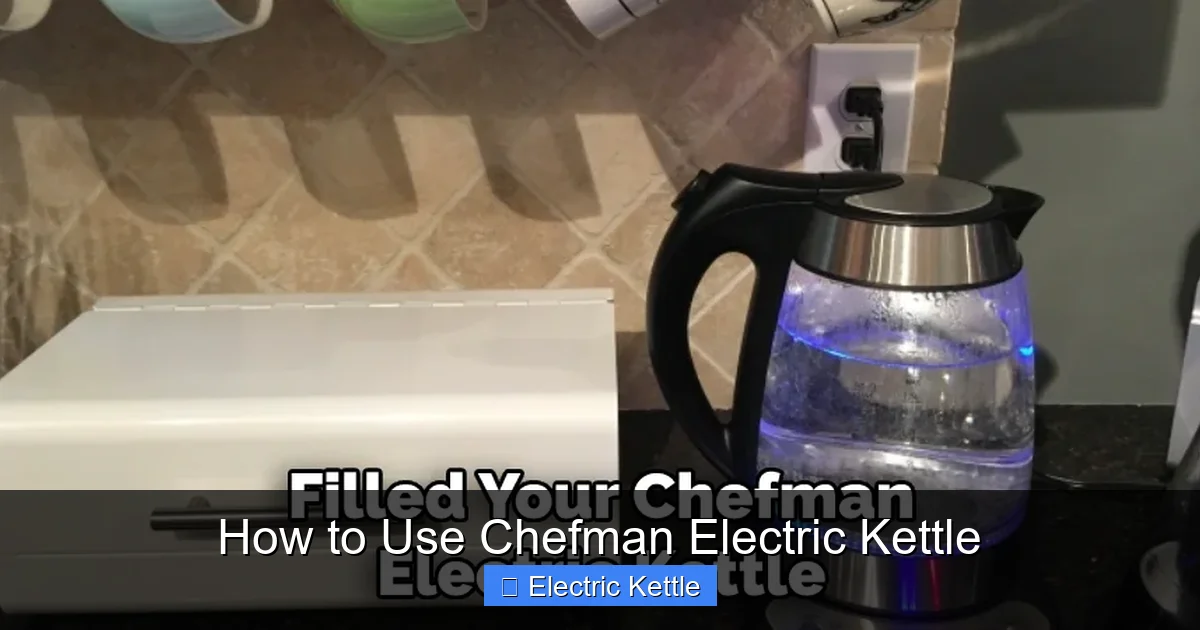
Visual guide about How to Use Chefman Electric Kettle
Image source: thekitchenix.com
What’s in the Box?
When you open the box, you should find the following items:
- The Chefman electric kettle (usually 1.7-liter capacity)
- Detachable power base with cord
- User manual and warranty information
- Optional: Measuring cup or descaling instructions (model-dependent)
Take a moment to inspect each component. Make sure there’s no visible damage, especially to the power cord or the kettle’s interior. If anything looks off, contact Chefman customer support before use.
Initial Cleaning Before First Use
Even though your kettle is new, it’s a good idea to clean it before the first boil. Manufacturing residues or dust may be present inside. Here’s how to do it safely:
- Rinse the interior with clean, cold water. Do not use soap—soap residue can affect the taste of your water.
- Fill the kettle to the maximum line with fresh water.
- Place it on the power base and plug it in.
- Boil the water once, then discard it. This helps remove any lingering odors or particles.
- Let the kettle cool completely before wiping the exterior with a damp cloth.
This simple step ensures your first cup of tea or coffee tastes clean and fresh—no plastic or chemical aftertaste.
Choosing the Right Location
Where you place your kettle matters. Choose a flat, stable, and heat-resistant surface like a countertop or kitchen island. Avoid placing it near the edge, next to curtains, or above cabinets. Keep at least 6 inches of clearance on all sides for ventilation.
Also, make sure the power outlet is easily accessible and not overloaded with other appliances. Chefman kettles typically use standard 120V outlets, so no special wiring is needed. Just plug in, and you’re ready to go.
How to Use Chefman Electric Kettle: Step-by-Step Instructions
Now that your kettle is set up and clean, it’s time to start using it. The process is straightforward, but following these steps ensures safety, efficiency, and great results every time.
Step 1: Fill the Kettle with Water
Open the lid by pressing the button or lifting the handle, depending on your model. Use cold, fresh water—preferably filtered if your tap water has a strong taste or odor. Pour water into the kettle, but stay within the marked minimum and maximum levels.
Why is this important? Underfilling can expose the heating element, triggering the boil-dry protection and potentially damaging the kettle. Overfilling can cause boiling water to spill out, creating a burn hazard. Most Chefman kettles have clear markings on the interior or exterior to guide you.
Pro tip: Use a measuring cup if you’re unsure. A typical 1.7-liter kettle holds about 7 cups of water—perfect for a family or multiple servings.
Step 2: Close the Lid and Place on the Base
Make sure the lid is securely closed. Most Chefman kettles have a locking mechanism or a snug fit to prevent steam from escaping during boiling. Then, place the kettle back onto the detachable power base. Align the handle with the base for stability.
Never operate the kettle without placing it on the base. The base contains the electrical connection and safety sensors. Also, ensure the base is dry—water on the base can cause short circuits or electric shock.
Step 3: Plug In and Turn On
Plug the power cord into a grounded outlet. Most Chefman kettles have a simple on/off switch or a button on the handle. Press it to start boiling. You’ll usually hear a soft click, and a light may illuminate to indicate it’s heating.
The kettle will begin heating immediately. Depending on the amount of water and room temperature, it typically takes 3 to 5 minutes to reach a full boil. Chefman kettles are known for their fast boiling—often 30% quicker than stovetop methods.
Step 4: Wait for Auto Shut-Off
One of the best features of Chefman electric kettles is the automatic shut-off. Once the water reaches boiling point (around 212°F or 100°C), the kettle will turn off on its own. You’ll hear a soft click or see the light turn off.
This feature prevents over-boiling, saves energy, and reduces the risk of accidents. It also protects the heating element from damage. Never try to override this function—it’s there for your safety.
Step 5: Pour and Enjoy
Once the kettle shuts off, it’s ready to pour. Lift the kettle by the handle—never touch the body, as it will be very hot. The cordless design makes pouring easy and safe. Tilt slowly to avoid splashing.
Use the water immediately for the best taste. If you’re making tea, coffee, or instant noodles, follow your recipe’s instructions for optimal results. For example, green tea tastes best at 175°F, so you may want to let boiling water cool for a minute before pouring.
Step 6: Unplug and Cool
After use, unplug the kettle from the outlet. This is a crucial safety step, even if the kettle is off. It prevents accidental activation and saves energy.
Let the kettle cool completely before cleaning or storing. Never immerse a hot kettle in water or place it in the dishwasher. Most Chefman kettles are not dishwasher-safe.
Advanced Features and Smart Tips
Chefman electric kettles come with several smart features designed to make your life easier. Understanding these can help you get even more value from your appliance.
Temperature Control (Model-Dependent)
Some Chefman models offer variable temperature settings—perfect for different types of tea or coffee. For example:
- 175°F (80°C): Ideal for green or white tea
- 195°F (90°C): Great for oolong or herbal tea
- 212°F (100°C): Best for black tea, coffee, or instant meals
If your kettle has this feature, use the buttons on the handle to select your desired temperature. The kettle will heat to that level and shut off automatically. This prevents over-boiling delicate teas and preserves their flavor.
Keep-Warm Function
A few Chefman kettles include a keep-warm feature that maintains water temperature for up to 30 minutes after boiling. This is great if you’re preparing multiple cups or need hot water for later use.
To activate it, press the “Keep Warm” button after boiling. The kettle will cycle on and off to maintain heat. Just remember to unplug it when done—don’t leave it on indefinitely.
Boil-Dry Protection
This safety feature shuts off the kettle if it detects no water inside. It prevents the heating element from overheating and reduces fire risk. If your kettle turns off unexpectedly, check the water level—it may have boiled dry or been underfilled.
Quiet Boil Technology
Some Chefman models are designed to operate more quietly than traditional kettles. This is great for early mornings or shared living spaces. While not completely silent, the noise level is significantly reduced compared to older models.
LED Indicator Lights
Many Chefman kettles have LED lights that show when the kettle is heating or in keep-warm mode. These visual cues make it easy to know the status at a glance—no need to guess.
Cleaning and Maintenance
Regular cleaning keeps your Chefman electric kettle performing at its best and ensures your water tastes fresh. Neglecting maintenance can lead to mineral buildup, odors, and reduced efficiency.
Daily Cleaning
After each use, wipe the exterior with a soft, damp cloth. Avoid abrasive cleaners or steel wool, which can scratch the surface. For stubborn stains, use a mild soap solution, then dry thoroughly.
Never submerge the kettle or power base in water. Only the interior can be rinsed—and even then, avoid soap unless absolutely necessary.
Descaling: Removing Mineral Buildup
If you live in an area with hard water, mineral deposits (limescale) will accumulate inside the kettle over time. This affects performance and taste. Descaling once a month is recommended.
Here’s how to descale safely:
- Fill the kettle halfway with equal parts water and white vinegar.
- Let it sit for 1–2 hours (or overnight for heavy buildup).
- Boil the solution, then let it cool.
- Pour out the vinegar mix and rinse thoroughly with clean water.
- Boil fresh water 2–3 times to remove any vinegar taste.
Alternatively, use a commercial descaling solution designed for kettles. Follow the product instructions carefully.
Cleaning the Filter
Most Chefman kettles have a mesh filter near the spout to catch impurities. Over time, this can clog with scale or debris. Remove it (if detachable) and rinse under warm water. Use a soft brush if needed.
If the filter isn’t removable, gently clean it with a toothbrush while rinsing the interior.
Storing Your Kettle
When not in use, store the kettle in a dry, cool place. Keep the lid slightly open to allow airflow and prevent odors. Avoid stacking heavy items on top.
If you’re storing it for a long time (e.g., during travel), make sure it’s completely dry inside and out.
Troubleshooting Common Issues
Even the best appliances can run into problems. Here are some common issues with Chefman electric kettles and how to fix them.
Kettle Won’t Turn On
If your kettle doesn’t respond when you press the button:
- Check if it’s properly plugged in.
- Ensure the kettle is seated correctly on the base.
- Test the outlet with another device.
- Look for a tripped circuit breaker.
If none of these work, the thermal fuse may have blown. Contact Chefman support—don’t attempt to repair it yourself.
Water Tastes Metallic or Plastic
This usually happens during the first few uses. It’s normal and should fade after a few boils. If it persists:
- Clean the interior thoroughly.
- Use filtered water.
- Avoid using soap—rinse only.
Kettle Turns Off Too Soon
If the kettle shuts off before boiling:
- Check the water level—it may be too low.
- Ensure the lid is closed properly.
- Clean the heating element (if accessible) to remove scale buildup.
Leaking Water
Leaks can occur if the lid isn’t sealed or the spout is damaged. Inspect the gasket and spout for cracks. If the kettle is under warranty, contact Chefman for a replacement.
Unusual Noises
Popping or crackling sounds are normal during boiling, especially with hard water. If you hear grinding or buzzing, unplug the kettle and inspect for debris or damage.
Safety Tips and Best Practices
Your safety is paramount when using any electrical appliance. Follow these guidelines to prevent accidents and extend the life of your kettle.
Never Operate Empty
Always add water before turning on the kettle. Running it dry can damage the heating element and void the warranty.
Keep Hands and Faces Away
Steam and boiling water are extremely hot. Pour slowly and keep your face and hands away from the spout.
Use on Stable Surfaces Only
Never place the kettle on a wet, uneven, or flammable surface. A sudden tip could cause burns or fire.
Supervise Children
Keep the kettle out of reach of children. Teach older kids how to use it safely, but always supervise first-time users.
Don’t Overfill
Boiling water expands. Overfilling can cause spills, burns, or damage to the base.
Unplug When Not in Use
Even when off, the kettle can pose a risk if left plugged in. Make unplugging part of your routine.
Conclusion: Enjoy Perfect Hot Water Every Time
Using your Chefman electric kettle doesn’t have to be complicated. With the right setup, regular maintenance, and a few smart habits, you can enjoy fast, safe, and delicious hot water for years to come. Whether you’re brewing your morning coffee, making a cup of chamomile tea before bed, or preparing instant soup on a busy day, your Chefman kettle is a reliable kitchen companion.
Remember: always fill within the lines, clean regularly, and unplug when done. Take advantage of features like temperature control and auto shut-off to get the most out of your appliance. And if you ever run into issues, consult the manual or reach out to Chefman’s customer support—they’re known for excellent service.
Now that you know how to use your Chefman electric kettle like a pro, it’s time to put it to work. Brew, sip, and enjoy the convenience of modern kitchen technology—one perfect cup at a time.
Frequently Asked Questions
Can I put milk or other liquids in my Chefman electric kettle?
No, you should only use water in your Chefman electric kettle. Milk, juice, or other liquids can burn, stick to the heating element, and cause damage. They also create hard-to-clean residues and may void your warranty.
How often should I descale my Chefman kettle?
Descale your kettle once a month if you have hard water, or every 2–3 months with soft water. Signs you need to descale include slower boiling, white deposits, or a change in water taste.
Is it safe to leave water in the kettle overnight?
It’s not recommended. Stagnant water can develop bacteria or odors. Always empty and rinse the kettle after use, and refill with fresh water each time.
Can I use my Chefman kettle without the base?
No, the base contains the electrical connection and safety sensors. The kettle will not heat without being properly seated on the base.
Why does my kettle make a popping sound when boiling?
This is normal, especially with hard water. The sound comes from steam bubbles forming and bursting. It’s not a cause for concern unless accompanied by leaks or failure to heat.
What should I do if my Chefman kettle stops working?
First, check the power source, water level, and seating on the base. If it still doesn’t work, unplug it and contact Chefman customer support. Most models come with a 1–2 year warranty for repairs or replacements.