Using a cordless electric kettle is simple, fast, and convenient—once you know the basics. This guide walks you through setup, operation, safety, and care to help you get the most out of your appliance with ease and confidence.
Key Takeaways
- Always place the kettle on its base before filling: This prevents damage to the heating element and ensures safe operation.
- Use clean, cold water for best results: Avoid reboiling old water, which can concentrate minerals and affect taste.
- Never operate the kettle without water: Running it dry can damage the heating plate and pose a fire risk.
- Let the kettle cool before cleaning: Always unplug and wait for it to cool to avoid burns or electrical issues.
- Regular descaling extends lifespan: Remove limescale buildup every few weeks if you live in a hard water area.
- Store the kettle upright and dry: This prevents moisture buildup and keeps the interior fresh.
- Follow manufacturer instructions: Each model may have unique features—read the manual for optimal use.
📑 Table of Contents
Introduction to Cordless Electric Kettles
If you’ve ever stood in front of your stove waiting for a pot of water to boil, only to forget it and hear the whistling a little too late, you’ll appreciate the magic of a cordless electric kettle. These sleek, modern appliances have become a staple in kitchens around the world—and for good reason. They’re fast, energy-efficient, and incredibly convenient. Whether you’re making tea, instant coffee, oatmeal, or even sterilizing baby bottles, a cordless electric kettle can do it all in just minutes.
But despite their simplicity, many people don’t use their cordless electric kettles to their full potential—or worse, they use them incorrectly, which can lead to safety hazards or reduced performance. That’s why understanding how to use a cordless electric kettle properly is essential. From the first time you unbox it to daily maintenance, this guide will walk you through every step. You’ll learn how to fill it, heat water safely, clean it, and keep it running smoothly for years. By the end, you’ll wonder how you ever lived without this handy kitchen helper.
Understanding Your Cordless Electric Kettle
Before you start using your cordless electric kettle, it’s important to understand how it works and what makes it different from traditional kettles. Unlike stovetop models, a cordless electric kettle has a built-in heating element powered by electricity. The “cordless” part means the kettle itself detaches from the power base, making it easy to pour without tripping over cords or dealing with awkward angles.
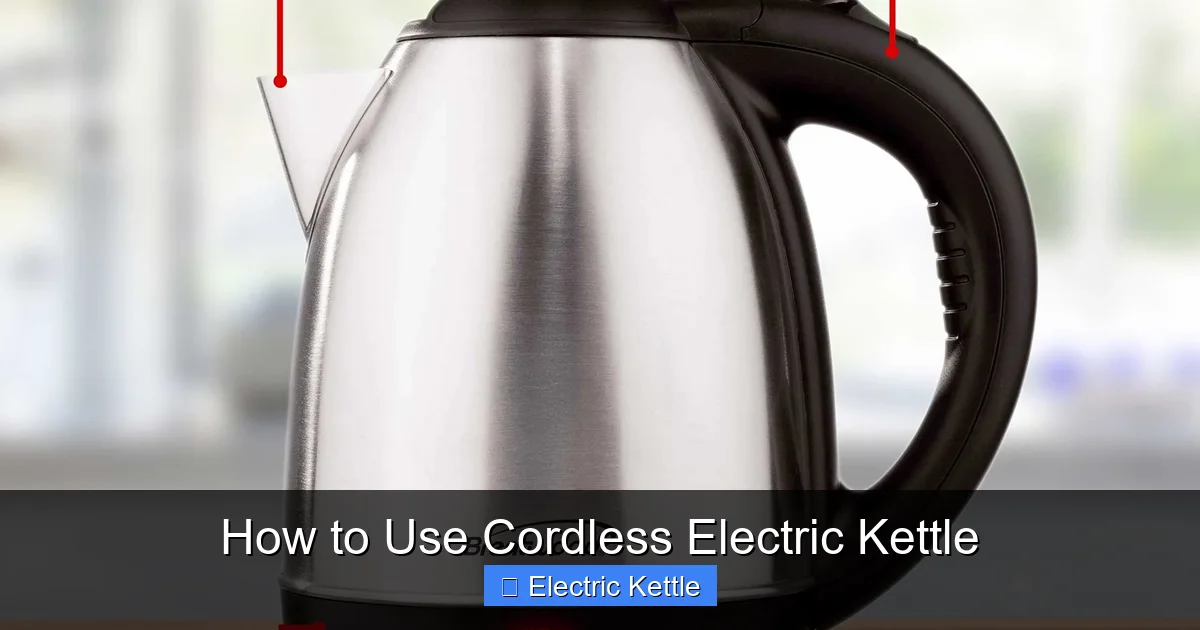
Visual guide about How to Use Cordless Electric Kettle
Image source: easylifeelectronic.com
How It Works
When you place the kettle on its charging base and turn it on, electricity flows through the heating element at the bottom of the kettle. This element heats up rapidly, transferring heat directly to the water inside. Most models have an automatic shut-off feature that turns off the kettle once the water reaches boiling point—usually around 212°F (100°C). This not only saves energy but also prevents overheating and potential damage.
Key Components
Your cordless electric kettle has several important parts:
- Kettle Body: The main container that holds the water. Usually made of stainless steel, glass, or BPA-free plastic.
- Heating Base: The flat, circular unit that plugs into the wall. It contains the electrical components and connects to the kettle via a magnetic or mechanical coupling.
- Lid: Opens to allow filling and cleaning. Some models have a flip-top lid, while others have a screw-on or push-button design.
- Handle: Designed for a secure grip when pouring. Most are heat-resistant and ergonomically shaped.
- Water Level Indicator: A transparent window or marked lines inside the kettle that show how much water you’re adding.
- Power Switch: Usually located on the handle or base. Some kettles have a simple on/off button, while others offer temperature control settings.
Types of Cordless Electric Kettles
Not all cordless electric kettles are the same. Here are the most common types you’ll find:
- Basic Models: These heat water to boiling point and shut off automatically. Great for everyday use and budget-friendly.
- Temperature Control Kettles: Allow you to select specific temperatures (e.g., 160°F for green tea, 185°F for white tea). Ideal for tea enthusiasts.
- Variable Temperature Kettles: Offer multiple preset temperatures or a digital dial for precise control.
- Gooseneck Kettles: Designed with a long, narrow spout for controlled pouring—perfect for pour-over coffee.
- Smart Kettles: Can be controlled via smartphone apps, with features like scheduling, remote start, and temperature monitoring.
Step-by-Step Guide: How to Use a Cordless Electric Kettle
Now that you know what your kettle is made of, let’s get into the nitty-gritty of how to use it. Follow these simple steps for safe, efficient, and effective operation.
Step 1: Unbox and Inspect
When you first get your cordless electric kettle, take a few minutes to inspect it. Remove all packaging materials, including any plastic wraps or stickers. Check for cracks, dents, or loose parts. Make sure the kettle, base, and power cord are in good condition. If anything looks damaged, contact the manufacturer before use.
Step 2: Wash Before First Use
Even though it’s brand new, you should wash your kettle before the first use. Rinse the interior with clean water and wipe the exterior with a damp cloth. Avoid using soap or abrasive cleaners, as they can leave residues. For a deeper clean, fill the kettle halfway with water, bring it to a boil, then discard the water. This helps remove any manufacturing residues or odors.
Step 3: Place the Kettle on the Base
Always place the kettle on its charging base before adding water. The base must be on a flat, stable surface—never on a wet countertop or near flammable materials. Make sure the base is plugged into a grounded electrical outlet. The kettle should sit securely on the base, with the connector aligned properly.
Step 4: Fill with Water
Open the lid and pour in cold, clean water. Use the water level indicator to guide you. Most kettles have a minimum and maximum fill line. Never go below the minimum—this protects the heating element. Overfilling can cause water to spill out when boiling, which is a safety hazard. For best results, use filtered or bottled water if your tap water is hard or has a strong taste.
Step 5: Close the Lid and Turn On
Close the lid securely. Press the power button—usually located on the handle or base. Some models light up or make a beep when activated. The kettle will begin heating immediately. You’ll hear a gentle humming or bubbling sound as the water heats up.
Step 6: Wait for Automatic Shut-Off
Most cordless electric kettles shut off automatically when the water reaches boiling point. This usually takes 3 to 5 minutes, depending on the volume of water and the kettle’s wattage. Once it shuts off, you’ll hear a click or see the power light turn off. Do not leave the kettle unattended while it’s heating.
Step 7: Pour and Enjoy
Lift the kettle off the base by the handle. Pour the hot water into your cup, teapot, or cooking container. Be careful—the handle and body may be hot. Use oven mitts if needed. After pouring, place the kettle back on the base if you plan to reheat water soon.
Step 8: Turn Off and Unplug
Once you’re done, turn off the kettle and unplug the base from the wall. This is especially important if you’re not using it for a while. Leaving it plugged in can pose a fire risk, even if the kettle is off.
Safety Tips for Using a Cordless Electric Kettle
Safety should always come first when using any electrical appliance. A cordless electric kettle is generally safe, but improper use can lead to burns, electrical shocks, or fire. Follow these essential safety tips to protect yourself and your home.
Never Operate Without Water
Running your kettle dry is one of the most common mistakes—and one of the most dangerous. Without water to absorb the heat, the heating element can overheat, warp, or even catch fire. Always check the water level before turning it on. If you accidentally run it dry, unplug it immediately and let it cool before inspecting for damage.
Use Only on a Stable Surface
Place the base on a flat, heat-resistant surface like a countertop or table. Avoid placing it on fabric, paper, or near curtains. The base can get hot during use, so give it plenty of space. Never hold the kettle while it’s heating—always let it sit securely on the base.
Keep Hands and Objects Away
The exterior of the kettle can get very hot, especially near the base. Avoid touching the body while it’s heating. Keep children and pets away from the appliance. Also, don’t place anything on top of the kettle, like a towel or utensil, as this can block ventilation or cause overheating.
Avoid Overfilling
Filling the kettle past the maximum line can cause water to boil over, spilling onto the base or electrical components. This can lead to short circuits, damage, or even electrocution. Stick to the recommended fill levels, and if you need more water, heat it in batches.
Unplug When Not in Use
Even when turned off, a plugged-in kettle can pose a risk if there’s a power surge or electrical fault. Get in the habit of unplugging the base after each use. This also saves a small amount of standby energy.
Check the Power Cord
Inspect the power cord regularly for fraying, cracks, or exposed wires. If you notice any damage, stop using the kettle and replace the cord or contact the manufacturer. Never wrap the cord tightly around the base, as this can weaken the wires over time.
Use the Right Outlet
Plug the kettle into a grounded outlet with the correct voltage. Avoid using extension cords or power strips, as they can overheat under high load. If you must use an extension cord, choose a heavy-duty, short one rated for at least 10 amps.
Cleaning and Maintenance
To keep your cordless electric kettle working efficiently and tasting great, regular cleaning and maintenance are a must. Neglecting this can lead to limescale buildup, unpleasant odors, and reduced performance.
Daily Cleaning
After each use, wipe the exterior with a soft, damp cloth. Never submerge the base or kettle in water—only the interior and lid should get wet. If there’s residue on the heating element (visible when you look inside), wipe it gently with a cloth. Avoid using metal scrubbers, which can scratch the surface.
Descaling for Hard Water
If you live in an area with hard water, limescale will build up over time. This white, chalky deposit can affect taste and slow down heating. To descale, mix equal parts white vinegar and water (e.g., 1 cup vinegar + 1 cup water). Fill the kettle to the halfway mark, bring it to a boil, then let it sit for 30 minutes. Pour out the solution, rinse thoroughly with clean water, and boil fresh water once to remove any vinegar taste.
Deep Cleaning the Exterior
For stainless steel kettles, use a mild cleaner or a paste of baking soda and water to remove fingerprints and smudges. For plastic models, avoid harsh chemicals that can degrade the material. Always dry the exterior completely before storing.
Cleaning the Lid and Spout
Food particles or mineral deposits can get stuck in the lid or spout. Use a small brush (like a bottle brush) to clean hard-to-reach areas. For stubborn buildup, soak the lid in warm, soapy water, then rinse well.
Storing Your Kettle
When not in use, store the kettle upright on its base in a dry place. Keep the lid slightly open to allow air circulation and prevent mold or odors. Avoid stacking items on top of it. If you’re storing it for a long time, make sure it’s completely dry and unplugged.
Troubleshooting Common Issues
Even the best cordless electric kettles can run into problems. Here are some common issues and how to fix them.
Kettle Won’t Turn On
First, check if it’s plugged in and the outlet is working. Try plugging another device into the same outlet. If the kettle still doesn’t turn on, inspect the power cord for damage. Some models have a reset button—press it if available. If none of this works, the heating element or internal wiring may be faulty, and you should contact the manufacturer.
Water Takes Too Long to Boil
This could be due to limescale buildup on the heating element. Descale the kettle as described above. Also, make sure you’re not overfilling it—larger volumes take longer to heat. If the problem persists, the kettle may be underpowered or nearing the end of its lifespan.
Kettle Shuts Off Too Soon
If the kettle turns off before the water boils, it might be due to a faulty thermostat or sensor. Try boiling a smaller amount of water to see if it makes a difference. If not, the internal components may need repair or replacement.
Strange Taste or Odor
This is usually caused by old water, limescale, or residue from cleaning products. Always use fresh, cold water. Descale regularly, and avoid using soap. Boil a few cycles of clean water to flush out any lingering tastes.
Leaking Water
Check the lid seal and spout for cracks or wear. Overfilling can also cause leaks. If the kettle is leaking from the base, it may have a damaged seal or internal crack—stop using it immediately and contact the manufacturer.
Conclusion
Using a cordless electric kettle is one of the simplest ways to make hot water quickly and safely. With just a few steps—filling, heating, pouring, and cleaning—you can enjoy perfect tea, coffee, or meals in minutes. By following the guidelines in this guide, you’ll not only extend the life of your kettle but also ensure every cup tastes great.
Remember, the key to getting the most out of your appliance is consistency and care. Use clean water, avoid overfilling, descale regularly, and always unplug when done. Whether you’re a morning coffee lover, a tea connoisseur, or just someone who appreciates convenience, your cordless electric kettle is a reliable kitchen companion. Treat it well, and it’ll serve you well for years to come.
Frequently Asked Questions
Can I use my cordless electric kettle to boil milk or soup?
No, it’s not recommended. Most cordless electric kettles are designed for water only. Boiling milk or soup can cause spills, clog the spout, and leave sticky residues that are hard to clean. It can also damage the heating element and void your warranty.
How often should I descale my kettle?
It depends on your water hardness. If you have hard water, descale every 2–4 weeks. For soft water, every 1–2 months is usually enough. Look for signs like slow heating or a chalky buildup inside the kettle.
Is it safe to leave water in the kettle overnight?
It’s better not to. Stagnant water can develop bacteria or absorb odors from the environment. Always empty and rinse the kettle after use, especially if you won’t be using it for a while.
Can I reheat water multiple times?
Yes, but avoid reboiling the same water repeatedly. Each time you boil, minerals concentrate, which can affect taste and potentially form more limescale. For best results, use fresh water each time.
Why does my kettle make a clicking sound?
The clicking is normal—it’s the thermostat activating and deactivating as it regulates temperature. You’ll usually hear it when the kettle is heating or just after it shuts off. If the sound is unusually loud or constant, check for limescale buildup.
Can I use my kettle while traveling internationally?
Only if it’s compatible with the local voltage and plug type. Most kettles are designed for 120V (North America) or 220–240V (Europe/Asia). Check the label on the base. Using the wrong voltage can damage the kettle or cause a fire.