Using an electric kettle is simple, but doing it right ensures safety, efficiency, and better-tasting drinks. This guide walks you through setup, operation, cleaning, and troubleshooting to help you get the most from your appliance.
Key Takeaways
- Always fill within the min/max water level markers: Overfilling can cause spills; underfilling may damage the heating element.
- Use cold, filtered water when possible: This reduces mineral buildup and improves taste, especially for tea and coffee.
- Never operate an empty kettle: Running it dry can overheat and permanently damage the unit.
- Clean regularly to prevent limescale: Descale monthly if you have hard water to maintain performance and extend lifespan.
- Place on a stable, heat-resistant surface: Avoid wobbling or placing near edges to prevent accidents.
- Unplug when not in use: Saves energy and reduces fire risk, especially if the kettle lacks auto-shutoff.
- Choose the right temperature setting (if available): Different beverages need specific temps—green tea likes 175°F, while coffee needs near-boiling.
📑 Table of Contents
- Why an Electric Kettle Belongs in Every Kitchen
- Setting Up Your Electric Kettle for the First Time
- How to Use Electric Kettle: Step-by-Step Guide
- Maintaining Your Electric Kettle for Long-Term Performance
- Safety Tips You Should Never Ignore
- Choosing the Right Electric Kettle for Your Needs
- Troubleshooting Common Electric Kettle Problems
- Creative Ways to Use Your Electric Kettle Beyond Tea and Coffee
- Conclusion: Master Your Electric Kettle for Daily Joy
Why an Electric Kettle Belongs in Every Kitchen
Imagine this: It’s 7 a.m., you’re half-awake, and all you want is a hot cup of coffee or tea to kickstart your day. Instead of waiting for a stovetop kettle to whistle or microwaving water in a mug (which never heats evenly), you press a button—and in under three minutes, your water is ready. That’s the magic of an electric kettle.
Electric kettles are more than just convenient—they’re energy-efficient, fast, and surprisingly versatile. Whether you’re brewing loose-leaf tea, making instant oatmeal, or preparing baby formula, an electric kettle delivers precise, consistent heat with minimal effort. Unlike stovetop models, most modern electric kettles come with automatic shut-off features, temperature controls, and insulated bodies that keep your countertop safe. Plus, they use less electricity than boiling water on the stove or in the microwave, making them a smart choice for both your wallet and the planet.
But despite their simplicity, many people don’t use electric kettles to their full potential—or worse, misuse them in ways that shorten their lifespan or pose safety risks. That’s why understanding how to use electric kettle properly is essential. From first-time setup to daily maintenance, this guide will walk you through every step so you can enjoy safe, efficient, and delicious results every single time.
Setting Up Your Electric Kettle for the First Time
Before you press that power button, take a few minutes to set up your electric kettle correctly. A proper setup ensures safety, optimal performance, and longer appliance life.
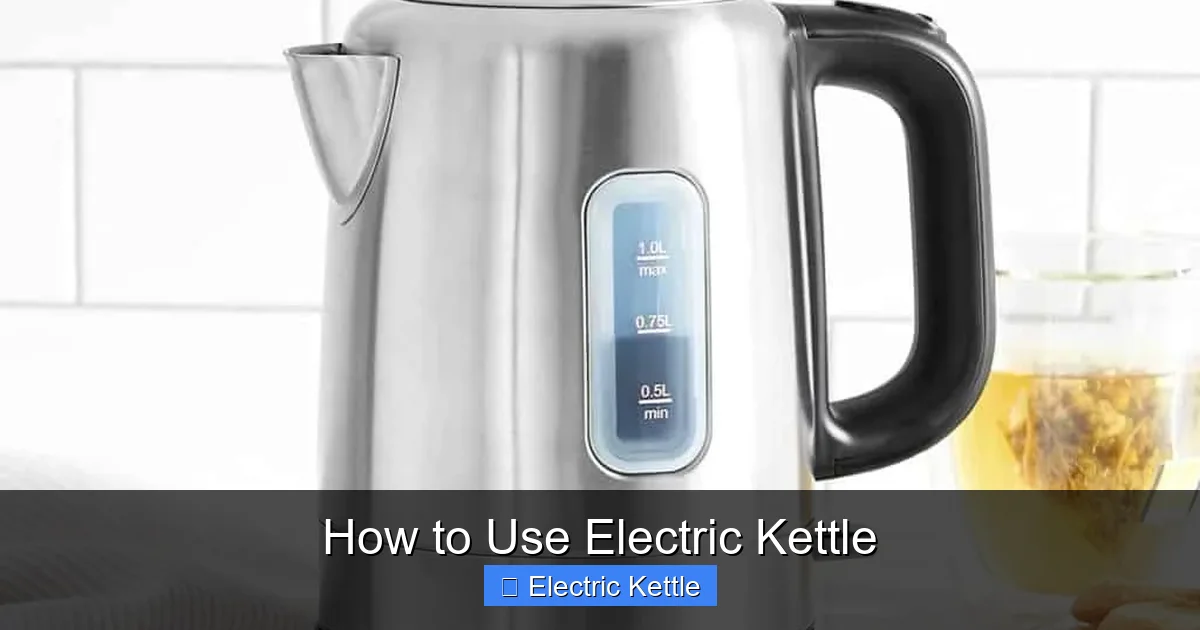
Visual guide about How to Use Electric Kettle
Image source: static.thedaringkitchen.com
Unboxing and Inspection
Start by carefully removing your kettle from its packaging. Check for any visible damage—cracks in the body, loose parts, or frayed cords. Most manufacturers include a user manual, warranty card, and sometimes a descaling solution sample. Keep these handy, especially the manual, which contains model-specific instructions.
Initial Rinse (But Don’t Boil Yet!)
Before your first use, rinse the interior with clean water. This removes any manufacturing residues or dust. However, do not boil water during this rinse—just swish it around and pour it out. Some experts recommend filling the kettle halfway, letting it sit for 10 minutes, then rinsing again to ensure all residues are gone.
Check the Power Cord and Base
Ensure the power cord is intact and not twisted or pinched. Plug the base into a grounded outlet—never use extension cords if avoidable. Place the kettle on its base and confirm it sits level and secure. If your model has a 360-degree swivel base (most do), test the rotation to make sure it moves freely without tugging the cord.
Familiarize Yourself with Controls
Take a moment to read the labels on the handle or base. Basic models have a simple on/off switch, while advanced ones may feature temperature presets (like “Green Tea” or “French Press”), keep-warm functions, or LED indicators. Understanding these features upfront prevents confusion later.
How to Use Electric Kettle: Step-by-Step Guide
Now that your kettle is ready, let’s walk through the everyday process of using it safely and effectively.
Step 1: Fill with the Right Amount of Water
Open the lid and pour in cold water—never hot or warm, as this can stress the heating element. Always stay between the minimum and maximum fill lines marked inside the kettle. Overfilling risks boiling over, which can damage the base or cause burns. Underfilling (below the min line) exposes the heating coil to air, leading to overheating and potential failure.
Pro tip: If you’re making one cup of tea, don’t fill the kettle to the top. Use only the amount you need. This saves energy and reduces boiling time. For reference, most kettles hold 1–1.7 liters, but a single cup is usually around 250ml.
Step 2: Close the Lid Securely
Make sure the lid clicks or snaps shut completely. A loose lid can cause steam to escape unevenly or allow spills during boiling. Some models have a locking mechanism—engage it if yours does.
Step 3: Place on the Base and Plug In
Set the kettle firmly onto its power base. The contacts must align properly for electricity to flow. Plug the base into an outlet. Avoid placing the kettle near sink edges, curtains, or flammable materials.
Step 4: Select Temperature (If Applicable)
If your kettle has variable temperature settings, choose the right one for your drink:
- 175°F (80°C): Ideal for green tea, white tea, and delicate herbal blends.
- 185°F (85°C): Great for oolong tea.
- 195°F (90°C): Suitable for black tea and pu-erh.
- 212°F (100°C): Full boil for coffee, instant noodles, or sterilizing bottles.
Using the correct temperature preserves flavor and prevents bitterness—especially important for high-quality teas.
Step 5: Press Start and Wait
Press the power button or flip the switch. Most kettles boil water in 3–5 minutes, depending on volume and wattage (typically 1500W–3000W). You’ll hear a gentle hum as it heats, followed by bubbling as it approaches boiling. Modern kettles automatically shut off once the target temperature is reached—listen for the click or beep.
Step 6: Pour Safely
Once the kettle turns off, wait 10–15 seconds before lifting to avoid steam burns. Hold the handle firmly and pour slowly. If your kettle has a gooseneck spout (common in pour-over models), use it for controlled pouring—perfect for coffee brewing.
Step 7: Unplug and Cool
After use, unplug the base. Let the kettle cool completely before cleaning or storing. Never immerse the base or cord in water.
Maintaining Your Electric Kettle for Long-Term Performance
A little care goes a long way. Regular maintenance keeps your kettle running smoothly, tasting great, and lasting for years.
Daily Cleaning Tips
After each use, wipe the exterior with a damp cloth. For the interior, rinse with water and dry with a soft towel. Avoid abrasive sponges or harsh chemicals—they can scratch stainless steel or degrade plastic components.
If you notice residue or cloudiness, mix equal parts water and white vinegar, fill the kettle halfway, and let it sit for 20 minutes. Then boil the solution, let it cool, and rinse thoroughly. This quick soak removes light mineral buildup.
Descaling: The Key to Longevity
Limescale—a chalky deposit from hard water—is the #1 enemy of electric kettles. It coats the heating element, slows boiling, and can impart a metallic taste to your water.
Descale monthly if you live in a hard-water area (check your local water report). Here’s how:
- Fill the kettle with equal parts water and white vinegar (or use a commercial descaler).
- Boil the mixture, then turn off and let it sit for 30–60 minutes.
- Pour out the solution and scrub gently with a soft brush if needed.
- Rinse 2–3 times with fresh water, then boil plain water once to eliminate any vinegar smell.
For stainless steel kettles, avoid lemon juice descaling too frequently—it can dull the finish over time.
Storing Your Kettle
When not in use (e.g., during travel or seasonal storage), empty the kettle completely and leave the lid open to air out. Store in a dry place away from moisture. Coil the cord neatly—don’t wrap it tightly around the base, as this can weaken the wires.
Safety Tips You Should Never Ignore
Electric kettles are generally safe, but misuse can lead to burns, electrical issues, or appliance damage. Follow these essential safety rules:
Never Run It Dry
This cannot be stressed enough: always ensure there’s water in the kettle before turning it on. Dry boiling melts internal components, voids warranties, and can even start a fire. If you accidentally turn it on empty, unplug immediately and let it cool before inspecting.
Keep Hands and Faces Away During Boiling
Steam exits forcefully when water boils. Avoid leaning over the spout or holding your hand near it. Use oven mitts if you must move the kettle while hot.
Avoid Overfilling
Boiling water expands and can overflow, short-circuiting the base or causing scalds. Stick to the max line—even if you’re in a hurry.
Use on Stable, Heat-Resistant Surfaces
Countertops should be flat, dry, and non-flammable. Never place your kettle on fabric, paper, or near sink drains where water could splash into the base.
Unplug When Not in Use
Even with auto-shutoff, unplugging eliminates phantom energy drain and reduces fire risk—especially important if you’re away from home for extended periods.
Inspect Regularly
Check the cord for fraying, the base for cracks, and the interior for excessive scaling. If anything looks off, stop using it and contact the manufacturer.
Choosing the Right Electric Kettle for Your Needs
Not all electric kettles are created equal. Knowing what to look for helps you pick one that fits your lifestyle.
Material Matters
- Stainless Steel: Durable, retains heat well, and doesn’t impart flavors. Best for durability and style.
- Glass: Lets you watch water boil—fun and functional. But more fragile and shows water spots easily.
- Plastic: Lightweight and affordable, but can absorb odors or leach chemicals if low-quality. Look for BPA-free models.
- Ceramic: Stylish and great for tea lovers, but heavier and prone to chipping.
Capacity and Speed
Small households (1–2 people) do well with 1-liter kettles. Families or frequent entertainers should opt for 1.5–1.7 liters. Higher wattage (2000W+) boils faster—ideal for busy mornings.
Special Features to Consider
- Variable Temperature Control: Essential for tea enthusiasts.
- Keep-Warm Function: Maintains temperature for up to 30 minutes—great for slow brewers.
- Gooseneck Spout: Perfect for pour-over coffee lovers.
- Quiet Boil Technology: Reduces noise—ideal for open-plan kitchens or early risers.
- Removable Limescale Filter: Makes cleaning easier and improves pour quality.
Budget vs. Longevity
While basic kettles start around $20, investing $50–$100 in a well-reviewed model often pays off in durability, features, and energy efficiency. Read reviews and check warranty length (2+ years is good).
Troubleshooting Common Electric Kettle Problems
Even the best kettles can act up. Here’s how to fix common issues:
Kettle Won’t Turn On
First, check if it’s plugged in and the outlet works (test with another device). Ensure the kettle is seated properly on the base. If it still doesn’t respond, the thermal fuse may be blown—contact customer service.
Water Tastes Metallic or Strange
This usually means limescale buildup or residue from manufacturing. Descale thoroughly and rinse multiple times. If the problem persists, the interior coating may be degrading—consider replacing the kettle.
Boiling Takes Too Long
Mineral deposits insulate the heating element. Descale immediately. Also, ensure you’re not overfilling—smaller volumes boil faster.
Kettle Leaks
Check the seal around the lid and spout. Cracks in glass or plastic bodies require replacement. Never try to repair a leaking kettle yourself—it’s a safety hazard.
Auto-Shutoff Not Working
This is serious. Unplug the kettle and stop using it. A faulty thermostat can cause overheating. Contact the manufacturer—many offer free repairs under warranty.
Creative Ways to Use Your Electric Kettle Beyond Tea and Coffee
Your electric kettle isn’t just for beverages. It’s a multitasking kitchen hero!
Instant Meals
Rehydrate instant noodles, oatmeal, or couscous in minutes. Just add dry ingredients to a bowl, pour boiling water, and cover for 3–5 minutes.
Sterilizing Baby Bottles
Boil water and pour it into clean bottles and nipples. Let sit for 5 minutes, then air dry. (Always follow pediatric guidelines.)
Quick Soup Base
Use boiling water to dissolve bouillon cubes or powdered soup mixes for a fast lunch.
Warming Towels
Soak a clean washcloth in hot water from the kettle, wring it out, and use as a warm compress for sore muscles or sinus relief.
Removing Sticky Labels
Pour hot water over a jar label, let it sit for a minute, then peel off easily.
Conclusion: Master Your Electric Kettle for Daily Joy
Learning how to use electric kettle properly transforms a simple appliance into a reliable kitchen companion. From your morning matcha to late-night hot chocolate, it delivers speed, precision, and convenience—when used correctly. By following best practices for filling, heating, cleaning, and safety, you’ll enjoy better-tasting drinks, fewer malfunctions, and a longer-lasting kettle.
Remember: quality water in, quality results out. Pair your kettle with filtered water, respect its limits, and give it regular care. Whether you’re a tea connoisseur, coffee aficionado, or just someone who loves a quick hot drink, your electric kettle deserves to be used well. So go ahead—fill it up, press start, and savor the perfect pour.
Frequently Asked Questions
Can I boil milk in an electric kettle?
No, never boil milk or other dairy products in an electric kettle. Milk can scorch, stick to the interior, and damage the heating element. It also poses a burn risk due to foaming and overflow.
How often should I descale my electric kettle?
Descale monthly if you have hard water, or every 2–3 months with soft water. Signs you need to descale include slower boiling, white deposits, or odd tastes in your water.
Is it safe to leave water in the kettle overnight?
It’s best to empty the kettle after each use. Stagnant water can encourage bacterial growth and accelerate mineral buildup. Rinse and dry the interior if storing for more than a day.
Why does my electric kettle smell like plastic?
This is common with new kettles. Rinse the interior several times and boil plain water 2–3 times to eliminate the odor. If it persists after a week, contact the manufacturer.
Can I use my electric kettle while traveling internationally?
Only if it’s dual-voltage (check the label). Most kettles are designed for specific voltages (e.g., 120V in the US, 230V in Europe). Using the wrong voltage can damage the kettle or cause safety hazards.
What should I do if my kettle keeps turning off before boiling?
This could indicate a faulty thermostat or excessive limescale buildup. Try descaling first. If the problem continues, the internal sensor may be malfunctioning—stop using it and seek repair or replacement.