Using an electric kettle for coffee is a game-changer for flavor and convenience. With precise temperature control and fast heating, you can brew everything from pour-over to French press with ease. This guide covers everything you need to make café-quality coffee at home.
Key Takeaways
- Choose the right electric kettle: Opt for a gooseneck kettle with temperature control for better pour precision and optimal extraction.
- Use filtered water: Clean, fresh water improves taste and prevents mineral buildup in your kettle.
- Heat water to the correct temperature: Most coffee brews best between 195°F and 205°F—avoid boiling unless necessary.
- Preheat your brewing equipment: Warming your dripper or French press helps maintain stable brewing temperature.
- Time your pour: For pour-over methods, a slow, steady spiral pour ensures even saturation and extraction.
- Clean your kettle regularly: Descale monthly to prevent scale buildup and maintain performance.
- Experiment with grind size and ratio: Adjust based on your brewing method for balanced flavor and strength.
📑 Table of Contents
- Why an Electric Kettle is Essential for Great Coffee
- Choosing the Right Electric Kettle for Coffee
- Understanding Water Temperature for Different Coffee Brews
- Step-by-Step Guide: How to Use Electric Kettle for Coffee
- Tips and Tricks for Better Coffee with an Electric Kettle
- Common Mistakes to Avoid When Using an Electric Kettle for Coffee
- Conclusion: Elevate Your Coffee Game with an Electric Kettle
Why an Electric Kettle is Essential for Great Coffee
Making great coffee at home doesn’t require a barista’s license—but it does require the right tools. One of the most underrated yet powerful tools in any coffee lover’s kitchen is the electric kettle. Unlike stovetop kettles, electric kettles offer precision, speed, and consistency, all of which are crucial for extracting the best flavors from your beans. Whether you’re brewing a delicate pour-over or a rich French press, knowing how to use electric kettle for coffee can elevate your daily ritual from ordinary to extraordinary.
Electric kettles heat water faster than traditional methods, often reaching the ideal brewing temperature in under five minutes. But speed isn’t their only advantage. Many modern electric kettles come with adjustable temperature settings, allowing you to select the perfect heat level for different coffee types. This level of control is especially important because different brewing methods require different water temperatures. For example, lighter roasts and pour-over coffees thrive at slightly lower temperatures, while French press and espresso blends benefit from near-boiling water. With an electric kettle, you can dial in that precision effortlessly.
Another benefit is consistency. Unlike a gas stove where heat fluctuates, electric kettles maintain a steady temperature once reached. This stability ensures that your water doesn’t overheat or cool too quickly during the brewing process. Plus, many models feature gooseneck spouts designed specifically for pour-over brewing. These narrow, curved spouts give you better control over the flow rate and direction of the water, which is essential for even saturation of the coffee grounds. In short, an electric kettle isn’t just a convenience—it’s a key ingredient in crafting a consistently delicious cup.
Choosing the Right Electric Kettle for Coffee
Not all electric kettles are created equal, especially when it comes to brewing coffee. While a basic kettle might work in a pinch, serious coffee enthusiasts should look for specific features that enhance the brewing experience. The first thing to consider is the spout design. A gooseneck spout is ideal for pour-over methods like V60, Chemex, or Kalita Wave. Its narrow, elongated shape allows for a slow, controlled pour, which is critical for even extraction. Without this precision, you risk under-extracting some grounds and over-extracting others, leading to a bitter or sour cup.
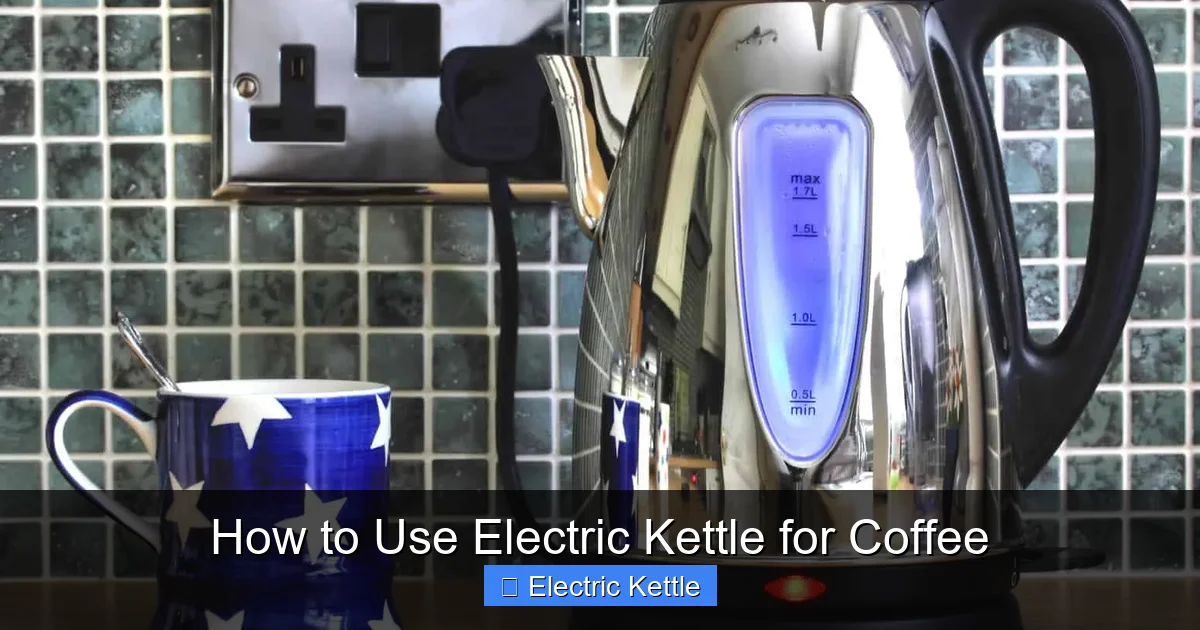
Visual guide about How to Use Electric Kettle for Coffee
Image source: static.thedaringkitchen.com
Next, look for temperature control. Many high-quality electric kettles offer variable temperature settings, often ranging from 140°F to 212°F. This feature lets you select the exact temperature needed for your coffee. For example, green tea might brew best at 175°F, while a dark roast French press coffee might need 205°F. Some kettles even have preset options labeled for coffee, tea, or other beverages, making it easy to get it right every time. If you’re serious about coffee, this feature is non-negotiable.
Other important factors include capacity, material, and heating speed. A 1-liter capacity is usually sufficient for home use, allowing you to brew 2–4 cups at once. Stainless steel kettles are durable and retain heat well, while glass models let you see the water as it heats—though they can be more fragile. Look for kettles with fast heating elements (1500W or higher) to minimize wait time. Finally, consider extras like keep-warm functions, auto shut-off, and cordless designs for added convenience. Brands like Fellow, Bonavita, and Breville are known for their coffee-friendly electric kettles, so they’re worth exploring.
Understanding Water Temperature for Different Coffee Brews
Water temperature plays a pivotal role in coffee extraction. Too hot, and you risk burning the grounds, leading to bitterness. Too cool, and the coffee will be under-extracted, tasting weak and sour. The ideal range for most coffee brewing is between 195°F and 205°F (90°C–96°C). This range extracts the full spectrum of flavors—acidity, sweetness, and body—without overdoing it. But within this range, subtle adjustments can make a big difference depending on your brewing method and roast level.
Pour-Over Coffee (V60, Chemex, Kalita)
Pour-over methods are all about precision and control. These techniques rely on a slow, steady pour to evenly saturate the coffee bed. For light to medium roasts, aim for a water temperature of 195°F to 200°F. Lighter roasts have denser cellular structures, so they need slightly cooler water to avoid over-extraction. Medium roasts can handle up to 205°F, especially if you’re using a coarser grind. The key is to maintain a consistent pour and avoid letting the water drop below 190°F during brewing. Preheating your dripper and carafe with hot water from the kettle helps maintain stability.
French Press
French press brewing is more forgiving when it comes to temperature, but it still benefits from precision. Since the coffee steeps for 4–5 minutes, you want water hot enough to extract fully but not so hot that it scorches the grounds. Aim for 200°F to 205°F. Boiling water (212°F) can be used, but it’s better to let it cool for 30 seconds after boiling to avoid bitterness. The immersion method means the coffee is in constant contact with the water, so a slightly higher temperature helps pull out rich, full-bodied flavors. Just be sure to press the plunger down slowly and steadily to avoid agitation.
Espresso and Moka Pot
While electric kettles aren’t typically used for espresso machines (which have their own boilers), they’re perfect for stovetop Moka pots. For Moka pots, use water heated to 200°F to 205°F. Starting with hot water reduces the time the coffee spends on the heat, which helps prevent bitterness. Never use boiling water directly from the kettle, as it can over-extract the fine grounds. Instead, heat the water to just below boiling, then pour it into the Moka pot’s bottom chamber before placing it on the stove. This small step can make a noticeable difference in flavor.
Cold Brew and Iced Coffee
Even cold brew can benefit from an electric kettle. While the final brew is cold, you can use hot water to “bloom” the coffee before adding cold water, which helps release trapped gases and improves extraction. Heat water to 175°F to 185°F, pour a small amount over the grounds, wait 30 seconds, then add cold water and steep for 12–24 hours. For iced coffee, brew hot coffee directly over ice using a method called “Japanese iced coffee.” Heat water to 200°F, brew as usual, and pour immediately over a full glass of ice. The rapid cooling preserves brightness and acidity.
Step-by-Step Guide: How to Use Electric Kettle for Coffee
Now that you understand the basics, let’s walk through a practical, step-by-step process for using your electric kettle to brew a perfect cup. Whether you’re making pour-over, French press, or something in between, these steps will ensure consistency and great taste every time.
Step 1: Choose Fresh, Quality Coffee Beans
Start with freshly roasted, high-quality beans. Look for a roast date within the past two weeks and store them in an airtight container away from light and heat. Grind your beans just before brewing for maximum flavor. The grind size should match your brewing method: medium-fine for pour-over, coarse for French press, and fine for Moka pot. A burr grinder is ideal because it produces consistent particle size, which leads to even extraction.
Step 2: Use Filtered Water
Water makes up about 98% of your coffee, so its quality matters. Use filtered or bottled water to avoid chlorine, minerals, and impurities that can affect taste. Fill your electric kettle with the amount of water needed for your brew. Most kettles have volume markings, so you can measure accurately. For example, a standard pour-over might use 300ml of water for 18g of coffee (a 1:16 ratio).
Step 3: Heat Water to the Correct Temperature
Turn on your electric kettle and select the appropriate temperature setting. If your kettle doesn’t have presets, heat the water to just below boiling (around 205°F) and let it sit for 30 seconds to cool slightly. Avoid using boiling water unless your method specifically calls for it. Some kettles have a “keep warm” function that maintains the temperature for up to 30 minutes—great if you’re brewing multiple cups.
Step 4: Preheat Your Brewing Equipment
Pour a small amount of hot water from the kettle into your dripper, French press, or mug to preheat it. Swirl the water around, then discard it. This step prevents heat loss during brewing, which can lead to under-extraction. For pour-over, place your filter in the dripper and rinse it with hot water to remove any paper taste. Let the water drain completely before adding coffee.
Step 5: Brew Your Coffee
Add your ground coffee to the preheated brewer. For pour-over, start with a “bloom” pour: add twice the weight of coffee in water (e.g., 36g water for 18g coffee), and let it sit for 30 seconds. This allows CO₂ to escape and ensures even extraction. Then, continue pouring in slow, circular motions, maintaining a steady water level. For French press, add water, stir gently, place the lid, and steep for 4 minutes before pressing.
Step 6: Serve and Enjoy
Once brewed, pour your coffee into a preheated mug and enjoy immediately. Coffee starts to degrade in flavor within 20 minutes, so drink it fresh. If you’re making multiple cups, consider using a thermal carafe to keep the coffee warm without overheating. Clean your equipment right after use to prevent oil buildup and residue.
Tips and Tricks for Better Coffee with an Electric Kettle
Even with the right tools and technique, small adjustments can make a big difference. Here are some pro tips to help you get the most out of your electric kettle and brewing setup.
Use a Gooseneck Kettle for Pour-Over
If you’re serious about pour-over, invest in a gooseneck electric kettle. The narrow spout gives you better control over the pour, which is essential for even saturation. Practice your pouring technique: aim for a slow, steady spiral that covers all the grounds without splashing. Some baristas recommend a “pulse pour” method—pouring in short bursts with pauses in between—to allow the coffee to degas and extract evenly.
Experiment with Brew Ratios
The standard coffee-to-water ratio is 1:16 (1g coffee to 16g water), but you can adjust this to suit your taste. If your coffee tastes weak, try 1:15. If it’s too strong, go for 1:17. Keep a brewing journal to track your experiments—note the beans, grind size, temperature, ratio, and brew time. Over time, you’ll develop a personalized recipe that hits the sweet spot.
Clean Your Kettle Regularly
Mineral buildup from hard water can affect both taste and performance. Descale your electric kettle every 4–6 weeks, or more often if you live in a hard water area. Use a mixture of equal parts water and white vinegar, boil it, let it sit for 30 minutes, then rinse thoroughly. Alternatively, use a commercial descaling solution. Never use abrasive cleaners on the interior, as they can damage the heating element.
Preheat Your Mug
A cold mug can drop the temperature of your coffee by 10–15°F, affecting flavor. Always preheat your mug with hot water from the kettle before brewing. Swirl the water around, then pour it out. This simple step keeps your coffee hotter longer and preserves its aroma and taste.
Try Different Brewing Methods
Don’t limit yourself to one method. Use your electric kettle to explore various techniques: AeroPress, siphon, or even cold brew. Each method highlights different aspects of the coffee’s flavor profile. For example, pour-over brings out brightness and clarity, while French press emphasizes body and richness. Experimenting keeps your coffee routine exciting and helps you discover new favorites.
Common Mistakes to Avoid When Using an Electric Kettle for Coffee
Even experienced brewers make mistakes. Here are some common pitfalls to watch out for when using an electric kettle for coffee.
Using Boiling Water for All Brews
Boiling water (212°F) is too hot for most coffee methods and can lead to over-extraction and bitterness. Only use it when specifically recommended, such as for French press or Moka pot. For pour-over and lighter roasts, cooler water is better. Always check your kettle’s temperature settings and adjust accordingly.
Ignoring Water Quality
Tap water with high mineral content or chlorine can ruin an otherwise great cup. Always use filtered water to ensure clean, neutral-tasting water. If you notice a metallic or off taste, your water might be the culprit.
Skipping the Preheat Step
Failing to preheat your brewer or mug can cause rapid heat loss, leading to under-extraction. Take the extra 30 seconds to warm your equipment—it makes a noticeable difference in flavor.
Pouring Too Fast or Too Slow
In pour-over brewing, the pour rate affects extraction. Pouring too fast can channel water through the coffee bed, leaving some grounds dry. Pouring too slow can over-extract, resulting in bitterness. Aim for a steady, controlled flow that matches the drip rate.
Not Cleaning the Kettle
A dirty kettle can harbor bacteria, mold, and mineral deposits that affect taste and safety. Clean the exterior with a damp cloth and descale the interior regularly. Never let water sit in the kettle for long periods.
Using Stale or Pre-Ground Coffee
Coffee loses flavor quickly after grinding. Buy whole beans and grind them just before brewing. Pre-ground coffee often tastes flat and dull, no matter how perfect your water temperature or pour technique.
Conclusion: Elevate Your Coffee Game with an Electric Kettle
Learning how to use electric kettle for coffee is one of the simplest yet most impactful upgrades you can make to your home brewing routine. From precise temperature control to consistent heating and pour accuracy, an electric kettle gives you the tools to extract the best possible flavors from your beans. Whether you’re a pour-over purist, a French press fan, or just someone who loves a good cup of coffee, this appliance can help you achieve café-quality results at home.
The key is to choose the right kettle, understand your brewing method’s needs, and pay attention to details like water quality, temperature, and grind size. With practice and a little experimentation, you’ll develop a process that delivers a perfect cup every time. So go ahead—heat that water, grind those beans, and pour with confidence. Your ideal coffee is just a kettle away.
Frequently Asked Questions
Can I use any electric kettle for coffee?
While any electric kettle can heat water for coffee, a gooseneck kettle with temperature control is ideal for precision brewing. Basic kettles work for French press or instant coffee, but pour-over methods benefit greatly from better pour control.
What temperature should water be for pour-over coffee?
For pour-over coffee, aim for a water temperature between 195°F and 200°F. This range extracts bright, clean flavors without over-extracting, especially with light to medium roasts.
Should I preheat my coffee maker with the electric kettle?
Yes, preheating your dripper, French press, or mug with hot water from the kettle helps maintain a stable brewing temperature and improves extraction. Discard the preheat water before adding coffee.
How often should I clean my electric kettle?
Clean the exterior weekly and descale the interior every 4–6 weeks, or more often if you use hard water. Regular cleaning prevents scale buildup and ensures better-tasting coffee.
Can I use boiling water from an electric kettle for French press?
Yes, but let it cool for 30 seconds after boiling to reach around 200°F–205°F. This prevents over-extraction and bitterness while still providing enough heat for full extraction.
Is a gooseneck kettle necessary for pour-over coffee?
While not absolutely necessary, a gooseneck kettle offers superior control over the pour, which is essential for even saturation and extraction. It’s highly recommended for pour-over enthusiasts.