Using an electric kettle for tea is simple, fast, and ensures the perfect brew every time. Whether you’re steeping delicate green tea or robust black tea, mastering temperature and timing makes all the difference.
Key Takeaways
- Choose the right kettle: Look for temperature control, fast heating, and a gooseneck spout for precision pouring.
- Use fresh, cold water: Always start with fresh water from the tap or filtered source for the best flavor.
- Match water temperature to tea type: Green tea needs cooler water (160–185°F), while black tea requires near-boiling (200–212°F).
- Preheat your teapot or cup: Rinse it with hot water to maintain brewing temperature and improve extraction.
- Follow proper steeping times: Over-steeping can make tea bitter; follow recommended times for each variety.
- Clean your kettle regularly: Mineral buildup affects taste and performance—descale monthly.
- Store tea properly: Keep leaves in airtight containers away from light, heat, and moisture.
📑 Table of Contents
- Introduction: Why an Electric Kettle Makes Tea Better
- Choosing the Right Electric Kettle for Tea
- Preparing Your Kettle and Tea Setup
- Brewing Tea with Your Electric Kettle: Step-by-Step
- Tips for Different Types of Tea
- Maintaining Your Electric Kettle
- Common Mistakes to Avoid
- Conclusion: Brew Better Tea, One Kettle at a Time
Introduction: Why an Electric Kettle Makes Tea Better
There’s something deeply comforting about a warm cup of tea. Whether it’s a morning ritual, an afternoon pick-me-up, or a calming evening wind-down, tea brings peace and flavor in equal measure. But have you ever stopped to think about how you’re heating your water? If you’re still using a stovetop kettle or microwaving water in a mug, you might be missing out on the full potential of your favorite blends.
Enter the electric kettle—a quiet, efficient, and precise tool that can transform your tea experience. Unlike stovetops, which can overheat water or take too long, electric kettles heat water quickly and consistently. Many modern models even let you set exact temperatures, which is crucial because different teas need different heat levels to shine. Green tea, for example, turns bitter if brewed with boiling water, while black tea needs high heat to unlock its rich, malty notes.
Using an electric kettle for tea isn’t just about convenience—it’s about quality. With the right technique, you can bring out the best flavors, avoid bitterness, and enjoy a perfectly balanced cup every single time. Whether you’re a casual tea drinker or a dedicated connoisseur, this guide will walk you through everything you need to know to master the art of brewing tea with an electric kettle.
Choosing the Right Electric Kettle for Tea
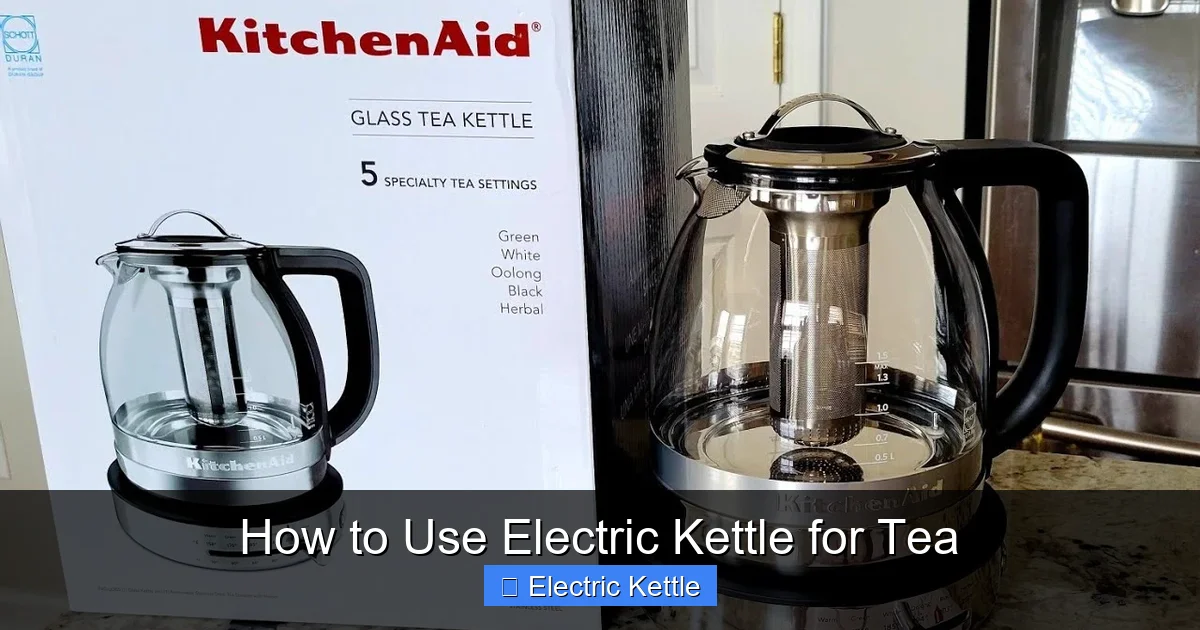
Visual guide about How to Use Electric Kettle for Tea
Image source: i.ytimg.com
Not all electric kettles are created equal—especially when it comes to brewing tea. While any kettle can boil water, the best ones offer features that enhance flavor, precision, and ease of use. So before you start pouring, take a moment to consider what kind of kettle will serve your tea habits best.
Temperature Control: The Game-Changer
One of the biggest advantages of modern electric kettles is variable temperature control. Unlike basic models that only boil water, advanced kettles let you choose specific temperatures—often in 5- or 10-degree increments. This is essential because different teas require different water temperatures to extract their ideal flavors without bitterness.
For example:
– White tea: 160–175°F (71–80°C)
– Green tea: 175–185°F (80–85°C)
– Oolong tea: 185–205°F (85–96°C)
– Black tea: 200–212°F (93–100°C)
– Herbal tea: 212°F (100°C)
If you drink a variety of teas, a kettle with multiple preset temperature settings (like “Green,” “White,” “Black,” etc.) can save time and guesswork. Some high-end models even connect to smartphone apps, allowing you to customize and save your favorite brewing profiles.
Gooseneck vs. Standard Spout
The shape of the spout matters more than you might think. A gooseneck spout—long, thin, and curved—offers superior control when pouring. This is especially helpful when using a gaiwan, kyusu (Japanese teapot), or pour-over tea brewer, where precision helps regulate water flow and steeping.
Standard spouts are fine for everyday mugs, but they can splash or pour too quickly, which may disturb delicate tea leaves or cool the water too fast. If you’re serious about tea brewing, especially with loose-leaf varieties, a gooseneck kettle is worth the investment.
Material Matters: Glass, Stainless Steel, or Plastic?
Electric kettles come in different materials, each with pros and cons:
– Stainless steel: Durable, heats quickly, and retains heat well. Look for food-grade 304 stainless steel to avoid metallic tastes. However, you can’t see the water level, so a clear window or marked indicators are helpful.
– Glass: Allows you to watch the water boil—a satisfying sight—and doesn’t retain odors. But it’s more fragile and can show mineral buildup easily.
– Plastic: Lightweight and affordable, but lower-quality plastics can leach chemicals or absorb flavors over time. If you choose plastic, make sure it’s BPA-free and designed for high heat.
For tea lovers, stainless steel or glass are generally the best choices due to their neutrality and durability.
Capacity and Speed
Consider how much tea you typically make. A 1-liter kettle is ideal for 2–4 cups, while larger households might prefer 1.5–1.7 liters. Keep in mind that overfilling can slow heating and waste energy.
Speed is another factor. Most electric kettles boil water in 3–5 minutes, but some high-wattage models (1500W or more) can do it in under 3 minutes. If you’re often in a rush, look for a fast-heating model with quick-boil technology.
Preparing Your Kettle and Tea Setup
Once you’ve got the right kettle, it’s time to set up for a perfect brew. Proper preparation ensures that your tea tastes fresh, clean, and true to its origin. Skipping these steps might not ruin your tea, but it can dull the experience.
Use Fresh, Cold Water
Always start with fresh, cold water—never reheat water that’s already been boiled. Reboiling removes oxygen, which affects flavor and can make tea taste flat. Tap water is fine if it’s clean, but if your local water has a strong taste or odor, use filtered or bottled water instead.
Fill the kettle to the desired level, but don’t exceed the maximum line. Overfilling can cause spills when boiling, and underfilling may expose the heating element, reducing the kettle’s lifespan.
Preheat Your Teapot or Cup
This simple step makes a big difference. Pour a little hot water from the kettle into your teapot or mug, swirl it around, and discard it. This warms the vessel, helping maintain the ideal brewing temperature once you add the tea and water.
Cold ceramic or glass can drop the water temperature by 10–20°F, which is enough to under-extract delicate teas like green or white. Preheating ensures a more consistent and flavorful brew.
Measure Your Tea Correctly
The general rule is 1 teaspoon of loose-leaf tea per 8 ounces (1 cup) of water. But this can vary:
– Delicate teas (white, green): Use slightly less—about ¾ teaspoon.
– Robust teas (black, herbal): You can go up to 1.5 teaspoons.
If you’re using tea bags, one bag per cup is standard, but high-quality loose-leaf tea often outperforms bags in flavor and aroma.
Use a small kitchen scale for precision, especially if you’re experimenting with different blends or trying to replicate a favorite cup.
Brewing Tea with Your Electric Kettle: Step-by-Step
Now for the fun part—brewing! With your kettle heated and your tea ready, follow these steps for a flawless cup every time.
Step 1: Select the Right Temperature
Turn on your electric kettle and choose the appropriate temperature setting based on your tea type. If your kettle doesn’t have presets, use a kitchen thermometer to check the water temperature before pouring.
For example:
– Pour green tea at 180°F to avoid bitterness.
– Black tea needs near-boiling water (210°F) to fully open the leaves and release tannins.
If you’re unsure, start on the lower side—you can always adjust next time.
Step 2: Pour with Care
Once the water reaches the right temperature, pour it gently over the tea leaves. Avoid splashing or pouring too forcefully, especially with delicate teas.
If using a teapot, pour in a circular motion to evenly saturate the leaves. For gaiwans or small brewing vessels, a slow, steady stream from a gooseneck kettle helps control extraction.
Step 3: Steep for the Right Amount of Time
Timing is everything. Over-steeping leads to bitterness; under-steeping results in a weak, flavorless cup. Here’s a quick guide:
– White tea: 2–4 minutes
– Green tea: 1–3 minutes
– Oolong tea: 3–5 minutes
– Black tea: 3–5 minutes
– Herbal tea: 5–7 minutes (some can go longer)
Use a timer—your phone works fine—and start counting as soon as the water hits the leaves. Some kettles have built-in timers or auto-shutoff features, which can be helpful.
Step 4: Remove the Leaves or Bag
Once the steeping time is up, remove the tea leaves or bag immediately. Leaving them in continues extraction, which can make the tea bitter—especially with green and white teas.
If using loose-leaf tea, strain it into your cup or transfer it to a separate teapot. For tea bags, simply pull them out and give them a gentle squeeze (but not too hard—this can release excess tannins).
Step 5: Enjoy Immediately
Tea tastes best when fresh. Drink it while it’s hot to enjoy the full aroma and flavor profile. If you need to reheat, use a microwave or warm plate—don’t re-boil the water.
Add milk, honey, or lemon if desired, but taste it plain first to appreciate the natural notes.
Tips for Different Types of Tea
Not all teas are brewed the same way. Understanding the unique needs of each type will help you get the most out of your electric kettle and your tea collection.
Green Tea: Handle with Care
Green tea is delicate and prone to bitterness if overheated. Use water between 175–185°F and steep for no more than 3 minutes. Japanese greens like sencha or gyokuro are especially sensitive—some experts recommend even lower temperatures (160°F) for the first brew.
Pour water in slowly and avoid agitating the leaves too much. A short steep preserves the grassy, sweet notes without extracting harsh tannins.
Black Tea: Bold and Full-Bodied
Black tea loves heat. Use water at 200–212°F and steep for 3–5 minutes. Assam and Ceylon teas are robust and can handle longer steeping, while Darjeeling is lighter and benefits from slightly cooler water (195°F) and a shorter time (2–3 minutes).
You can often re-steep black tea once or twice, especially high-quality loose-leaf varieties. Just increase the steeping time slightly with each brew.
Oolong Tea: The Best of Both Worlds
Oolong sits between green and black tea in oxidation, so it needs a middle-ground temperature—usually 185–205°F. Light oolongs (like Tieguanyin) prefer cooler water, while dark, roasted oolongs (like Da Hong Pao) can handle near-boiling.
Oolong is often brewed multiple times in a gaiwan or small teapot, with each steep revealing new layers of flavor. Use short steeps (30 seconds to 1 minute) for the first few infusions.
White Tea: Subtle and Sweet
White tea is the most delicate of all. Use water at 160–175°F and steep for 2–4 minutes. Silver Needle (Bai Hao Yin Zhen) is especially fragile—some tea masters recommend steeping it at 160°F for up to 5 minutes to bring out its honeyed sweetness.
Avoid stirring or pressing the leaves. Let them float and unfurl naturally.
Herbal and Fruit Teas: No Limits
Herbal teas (like chamomile, peppermint, or rooibos) and fruit infusions are forgiving. They typically require boiling water (212°F) and longer steeping times—5 to 7 minutes or more.
Because they’re not true teas (they don’t come from the Camellia sinensis plant), they won’t become bitter with over-steeping. In fact, longer steeping often enhances flavor and therapeutic benefits.
Maintaining Your Electric Kettle
A clean kettle is a happy kettle—and it makes better tea. Over time, mineral deposits (limescale) build up inside, especially if you live in a hard water area. This can affect taste, slow heating, and even damage the heating element.
Descale Regularly
Most manufacturers recommend descaling every 1–3 months, depending on usage and water hardness. Here’s how:
1. Fill the kettle halfway with equal parts water and white vinegar.
2. Let it sit for 30–60 minutes.
3. Boil the solution, then let it cool.
4. Pour out the liquid and rinse thoroughly with clean water.
5. Boil fresh water 1–2 times to remove any vinegar taste.
Alternatively, use a commercial descaling solution or citric acid (1–2 tablespoons per liter of water). Avoid using harsh chemicals or abrasive scrubbers.
Clean the Exterior and Filter
Wipe the outside with a damp cloth and mild soap. Don’t submerge the base or electrical parts in water.
Many kettles have a removable mesh filter at the spout to catch sediment. Take it out and rinse it under running water weekly. If it’s clogged, soak it in vinegar or replace it.
Store Properly
When not in use, keep the kettle unplugged and dry. Store it in a cool, dry place away from direct sunlight. If you won’t use it for a while, empty it completely to prevent mold or odors.
Common Mistakes to Avoid
Even experienced tea drinkers make mistakes. Here are a few to watch out for:
– Using boiling water for green or white tea: This scorches the leaves and creates bitterness.
– Reboiling water: It loses oxygen and tastes flat.
– Over-steeping: Especially with delicate teas, this leads to a harsh, astringent flavor.
– Not preheating the cup: Cold vessels drop water temperature and weaken the brew.
– Ignoring water quality: Chlorine or heavy metals in tap water can mask tea’s natural flavors.
– Skipping cleaning: Mineral buildup affects taste and performance over time.
Avoiding these pitfalls will elevate your tea game significantly.
Conclusion: Brew Better Tea, One Kettle at a Time
Using an electric kettle for tea isn’t just about speed—it’s about precision, consistency, and respect for the tea itself. With the right kettle, proper water temperature, and a few simple techniques, you can unlock flavors you never knew were there.
Whether you’re sipping a delicate jasmine green or a bold English breakfast blend, your electric kettle is your partner in brewing perfection. Take the time to match temperature to tea type, preheat your cup, steep with care, and maintain your kettle. The result? A richer, smoother, more satisfying cup every time.
So go ahead—fill that kettle, select your favorite leaves, and brew with confidence. Your perfect cup of tea is just a boil away.
Frequently Asked Questions
Can I use any electric kettle for tea?
Yes, but kettles with temperature control and a gooseneck spout offer better precision and flavor. Basic kettles work for black or herbal tea, but delicate teas benefit from adjustable heat settings.
What temperature should I use for green tea?
Green tea should be brewed with water between 175°F and 185°F. Boiling water can scorch the leaves and make the tea bitter.
How long should I steep black tea?
Black tea typically steeps for 3 to 5 minutes. Longer steeping brings out stronger flavor, but avoid going beyond 5 minutes to prevent excessive bitterness.
Do I need to descale my electric kettle?
Yes, especially if you live in a hard water area. Descaling every 1–3 months removes mineral buildup that affects taste and performance.
Can I reheat tea in my electric kettle?
No, never put tea or brewed liquid back into the kettle. Only use it for heating fresh water to avoid damaging the heating element and altering flavors.
Is it okay to leave water in the kettle overnight?
It’s best to empty the kettle after each use. Stagnant water can develop odors or encourage mineral buildup, especially in humid environments.