Using an electric kettle for the first time is simple, but doing it right ensures safety, longevity, and great-tasting hot water. This guide walks you through unboxing, initial cleaning, filling, boiling, and maintenance so you can enjoy fast, efficient heating from day one.
So, you’ve just unboxed your brand-new electric kettle—congratulations! Whether you’re a coffee lover, tea enthusiast, or just someone who appreciates a quick cup of hot water for instant noodles or oatmeal, an electric kettle is a game-changer in the kitchen. It’s faster than a stovetop kettle, more energy-efficient than reheating water in a microwave, and incredibly convenient. But before you hit that power button for the first time, there are a few important steps to follow.
Using an electric kettle for the first time isn’t just about plugging it in and pouring water. Like any new kitchen appliance, it needs a little TLC to ensure it works safely and efficiently. Skipping the initial setup could lead to unpleasant tastes, reduced performance, or even damage to the unit. That’s why taking the time to properly prepare your kettle is well worth the effort.
In this guide, we’ll walk you through every step—from unboxing to your first perfect boil—so you can use your electric kettle with confidence. We’ll cover safety tips, maintenance advice, and practical tricks to get the most out of your new appliance. Whether you’re a first-time buyer or upgrading from an old model, this comprehensive guide will help you start off on the right foot.
Key Takeaways
- Always clean your kettle before first use: Rinse the interior and boil a full kettle of water once to remove factory residues and odors.
- Use the right water level: Fill between the minimum and maximum markers to prevent damage and ensure efficient heating.
- Place on a stable, heat-resistant surface: Avoid countertops with wood veneer, plastic, or near flammable materials.
- Never operate an empty kettle: Running it dry can damage the heating element and pose a fire risk.
- Unplug after use and let it cool: This prevents accidental burns and extends the appliance’s lifespan.
- Regular descaling keeps performance strong: Clean monthly with vinegar or a descaling solution to remove mineral buildup.
- Choose the right kettle for your needs: Consider capacity, material (stainless steel, glass, plastic), and features like temperature control.
📑 Table of Contents
- Unboxing and Initial Inspection
- Preparing Your Electric Kettle for First Use
- How to Safely Fill and Operate Your Kettle
- Safety Tips Every First-Time User Should Know
- Cleaning and Maintenance for Long-Term Use
- Choosing the Right Electric Kettle for Your Needs
- Troubleshooting Common First-Time Issues
- Conclusion
Unboxing and Initial Inspection
The excitement of a new kitchen gadget is real—but before you get too eager, take a moment to inspect your electric kettle right out of the box. This step ensures everything is in working order and helps you familiarize yourself with the components.
Check the Package Contents
Most electric kettles come with the main unit, a detachable power base, and sometimes a user manual or warranty card. Open the box carefully and lay out all items. Make sure nothing is missing or damaged. If you notice cracks, dents, or loose parts, contact the manufacturer or retailer immediately.
Read the User Manual
It might be tempting to skip this, but the user manual contains vital information specific to your model. Look for details about capacity, voltage requirements, safety features, and cleaning instructions. Some kettles have unique functions like variable temperature settings or keep-warm modes—knowing how to use them enhances your experience.
Inspect the Kettle and Base
Examine the kettle’s exterior and interior. Look for any manufacturing residues, plastic smells, or loose labels. The heating element (usually hidden under the base of the kettle) should be clean and free of debris. Also, check the power cord for fraying or damage. A damaged cord is a safety hazard and should be reported.
Identify Key Features
Take note of the water level indicators, lid release button, handle design, and any digital displays. Some kettles have a 360-degree swivel base for easy pouring, while others include filters to catch limescale. Understanding these features now will make operation smoother later.
Preparing Your Electric Kettle for First Use
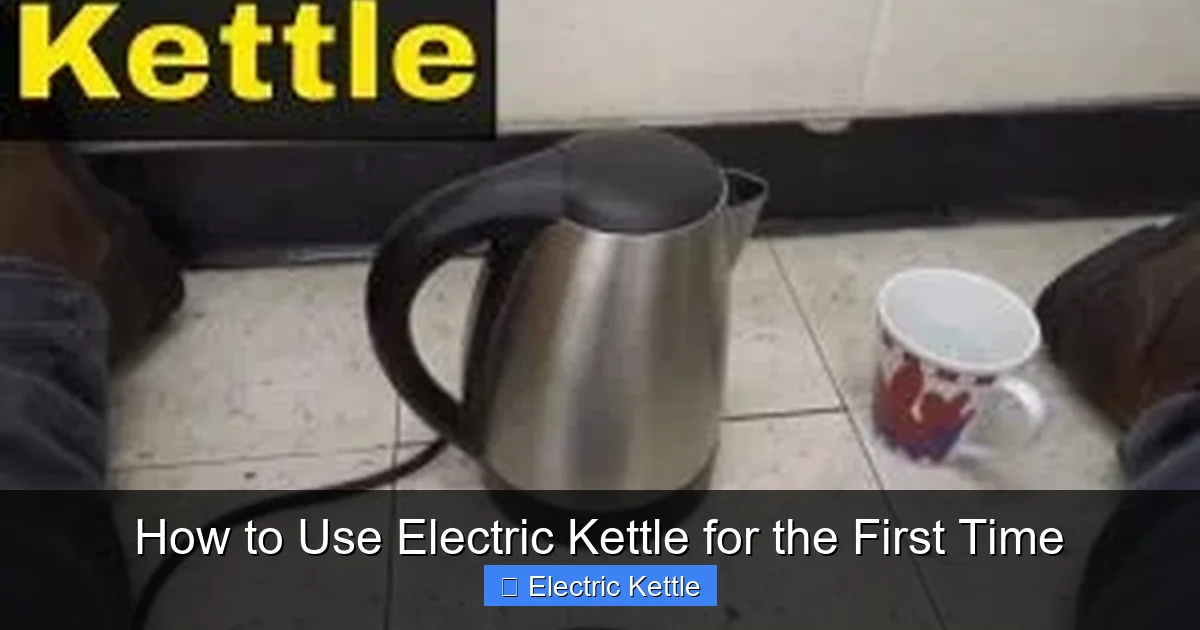
Visual guide about How to Use Electric Kettle for the First Time
Image source: easylifeelectronic.com
Now that your kettle has passed inspection, it’s time to prepare it for its first boil. This step is crucial—even if the kettle looks clean, it may have residues from the manufacturing process.
Rinse the Interior Thoroughly
Start by removing the lid (if detachable) and rinsing the inside with warm water. Use a soft sponge or cloth to wipe away any dust or particles. Avoid harsh scrubbers or abrasive cleaners, as they can scratch the surface—especially on glass or plastic kettles.
Fill and Boil a Test Batch
Fill the kettle to the maximum water level using fresh, cold tap water. Place it on the base, plug it in, and turn it on. Let it boil completely, then carefully pour out the water. This process helps eliminate any lingering factory smells, oils, or residues. Some users report a slight plastic or metallic odor during the first few uses—this is normal and should fade after a couple of boils.
Repeat if Necessary
If you still notice an odd taste or smell, repeat the fill-and-boil process once more. For stainless steel kettles, this step is especially important, as they can retain odors more than other materials. After the second boil, your kettle should be ready for regular use.
Wipe Down the Exterior
While the kettle is cooling, wipe the outside with a damp cloth. Avoid getting water near the electrical components or base. Dry it thoroughly before storing or using again.
How to Safely Fill and Operate Your Kettle
Using your electric kettle correctly ensures both safety and performance. Here’s how to fill and operate it like a pro.
Use the Right Water
Always use fresh, cold water. Avoid using hot or previously boiled water, as it can reduce the kettle’s efficiency and may contain concentrated minerals. If your tap water is hard (high in calcium and magnesium), consider using filtered water to minimize limescale buildup.
Fill Within the Safe Range
Every kettle has minimum and maximum water level markers—usually indicated by lines or numbers inside the chamber. Never fill below the minimum, as this can expose the heating element and cause damage. Overfilling beyond the maximum can lead to boiling water spilling out, which is a burn hazard. For most kettles, the ideal fill is between 50% and 75% of capacity.
Secure the Lid and Place on the Base
Make sure the lid is closed properly before turning on the kettle. If it’s not sealed, the kettle may not boil or could shut off prematurely. Place the kettle firmly on the power base, ensuring the connectors align. The base should sit flat on a stable, level surface.
Plug In and Power On
Plug the base into a grounded electrical outlet. Avoid using extension cords or power strips, as they can overheat. Press the power button or flip the switch—most kettles will light up or make a soft click when activated. The heating process typically takes 3 to 5 minutes, depending on the volume of water and kettle wattage.
Listen for the Automatic Shut-Off
Modern electric kettles are designed with automatic shut-off features that turn off the heating element once the water reaches boiling point (around 212°F or 100°C). You’ll usually hear a click or see the light turn off. This prevents overheating and saves energy.
Handle with Care When Pouring
Once boiled, unplug the kettle before pouring. Use the handle to lift it—never touch the body, as it will be very hot. Pour slowly to avoid splashing. If your kettle has a gooseneck spout (common in pour-over coffee kettles), take extra care to control the flow.
Safety Tips Every First-Time User Should Know
Safety should always come first when using electrical appliances. Here are essential tips to keep you and your home safe.
Never Operate an Empty Kettle
Running your kettle without water can cause the heating element to overheat, warp, or even catch fire. Always double-check that there’s water inside before turning it on. If you accidentally start it empty, unplug it immediately and let it cool.
Keep Away from Flammable Materials
Place your kettle on a heat-resistant surface like ceramic, stone, or metal. Avoid wood, plastic, or near curtains, paper, or dish towels. The base and kettle body get hot during use, so give them space to cool.
Don’t Immerse the Base in Water
The power base contains electrical components and should never be submerged or rinsed under water. If it gets wet, unplug it and let it dry completely before use. Clean only the kettle portion.
Supervise During Use
Even though kettles are designed to shut off automatically, it’s wise to stay nearby while it’s boiling—especially if you’re new to using one. This helps you respond quickly if something goes wrong, like a malfunction or spill.
Unplug When Not in Use
Get into the habit of unplugging the base after each use. This prevents accidental activation and reduces energy consumption. It also protects the kettle from power surges.
Keep Out of Reach of Children and Pets
Store the kettle in a safe place when not in use. The hot surface and steam can cause serious burns. If you have curious kids or pets, consider using a kettle with a child-lock feature or storing it out of reach.
Cleaning and Maintenance for Long-Term Use
To keep your electric kettle performing at its best, regular cleaning and maintenance are essential. Neglecting this can lead to limescale buildup, unpleasant tastes, and reduced efficiency.
Daily Cleaning Routine
After each use, rinse the interior with water and wipe it dry. This prevents mineral deposits from hardening. For the exterior, use a damp cloth with mild soap if needed. Avoid abrasive cleaners that can scratch the surface.
Monthly Descaling
Hard water leaves behind limescale—a chalky white buildup that clogs the heating element and affects taste. To descale, fill the kettle halfway with equal parts white vinegar and water. Let it sit for 30 minutes, then boil the solution. After boiling, let it cool, then rinse thoroughly with fresh water. Repeat if necessary. Alternatively, use a commercial descaling solution following the manufacturer’s instructions.
Clean the Filter (If Applicable)
Many kettles have a mesh filter near the spout to catch sediment. Remove it periodically and rinse under running water. Use a soft brush to dislodge stubborn particles. A clean filter ensures smooth pouring and better-tasting water.
Check for Wear and Tear
Inspect the kettle regularly for cracks, loose handles, or a damaged power cord. If you notice any issues, stop using it and contact the manufacturer. Continuing to use a damaged kettle can be dangerous.
Store Properly
When not in use, store the kettle in a dry, cool place. Keep the lid slightly open to allow airflow and prevent odors. Avoid stacking heavy items on top of it.
Choosing the Right Electric Kettle for Your Needs
Not all electric kettles are created equal. Understanding the different types and features can help you pick the best one for your lifestyle.
Material Matters
Electric kettles come in stainless steel, glass, plastic, and ceramic. Stainless steel is durable and retains heat well but can retain odors. Glass is aesthetically pleasing and doesn’t affect taste, but it’s fragile. Plastic is lightweight and affordable but may leach chemicals if low-quality. Ceramic offers a stylish look but is heavier and less common.
Capacity and Size
Consider how much water you typically need. A 1-liter kettle is great for individuals or small households, while a 1.7-liter model suits families or frequent entertainers. Larger kettles take longer to boil and take up more counter space.
Temperature Control Features
Basic kettles boil water to 212°F, but advanced models offer variable temperature settings—ideal for different types of tea (e.g., green tea at 175°F, black tea at 200°F). If you’re a tea connoisseur, this feature is worth the investment.
Speed and Wattage
Higher wattage (1500W–3000W) means faster boiling. If you’re always in a rush, look for a high-wattage model. However, higher wattage may increase energy use, so balance speed with efficiency.
Additional Features
Look for extras like a keep-warm function, LED indicators, quiet operation, or a gooseneck spout for precision pouring. These can enhance convenience but may come at a higher price.
Troubleshooting Common First-Time Issues
Even with proper setup, you might encounter a few hiccups. Here’s how to solve common problems.
Kettle Won’t Turn On
Check that it’s properly seated on the base and plugged in. Ensure the outlet is working by testing another device. If the kettle still doesn’t respond, it may be defective—contact customer support.
Water Tastes Metallic or Plastic
This is normal for the first few uses. Boil and discard water 2–3 times. If the taste persists, descale the kettle and ensure you’re using clean, filtered water.
Kettle Shuts Off Too Soon
This could mean the water level is too low or the heating element is dirty. Refill to the minimum level and descale if needed.
Leaking or Spilling
Overfilling is the most common cause. Always stay within the marked levels. Also, check that the lid is securely closed.
Unusual Noises
A gentle hum or clicking is normal. But loud rattling or sizzling could indicate a loose component or mineral buildup. Descale and inspect the interior.
Conclusion
Using an electric kettle for the first time is a simple yet important process that sets the stage for safe, efficient, and enjoyable use. From unboxing and initial cleaning to proper filling and regular maintenance, each step plays a role in maximizing your kettle’s performance and lifespan.
By following this guide, you’ll avoid common pitfalls like unpleasant tastes, limescale buildup, or accidental damage. Remember to always prioritize safety—never operate an empty kettle, keep it away from flammable materials, and unplug it after use.
With a little care, your electric kettle will become a trusted kitchen companion, delivering hot water quickly and reliably for years to come. Whether you’re brewing your morning coffee, steeping a soothing cup of tea, or preparing instant meals, you’ll appreciate the convenience and speed it brings to your daily routine.
So go ahead—fill it up, press the button, and enjoy your first perfect boil. Welcome to the world of electric kettles!
Frequently Asked Questions
Do I need to clean my electric kettle before first use?
Yes, always clean your electric kettle before the first use. Rinse the interior and boil a full kettle of water once to remove any factory residues or odors. This ensures safe and great-tasting water from the start.
Can I use hot water to fill my electric kettle?
No, always use cold, fresh water. Hot or previously boiled water can reduce efficiency and concentrate minerals, leading to faster limescale buildup. Cold water also helps the heating element work more effectively.
Is it safe to leave water in the kettle overnight?
It’s best to empty the kettle after each use. Stagnant water can promote bacterial growth and increase mineral deposits. For daily use, rinse and refill with fresh water each time.
How often should I descale my electric kettle?
Descale your kettle once a month if you have hard water, or every 2–3 months with soft water. Signs you need to descale include slow boiling, white deposits, or a change in water taste.
Why does my kettle make a clicking sound?
A soft click is normal—it’s the automatic shut-off mechanism activating when the water boils. However, loud or continuous clicking could indicate a malfunction. Unplug the kettle and inspect for issues.
Can I boil liquids other than water in my electric kettle?
No, only water should be boiled in an electric kettle. Other liquids like milk, soup, or juice can damage the heating element, cause spills, or create fire hazards. Stick to water for safety and longevity.