Using an electric kettle to boil water is simple, fast, and energy-efficient. Whether you’re making tea, coffee, or instant meals, following proper steps ensures safety and optimal performance. This guide walks you through everything from setup to maintenance for the best experience.
Key Takeaways
- Fill to the right level: Always stay between the minimum and maximum water level markers to prevent damage and ensure safe operation.
- Use clean, cold water: Starting with fresh, cold tap water improves taste and extends the kettle’s lifespan by reducing mineral buildup.
- Place on a stable, flat surface: A level, heat-resistant countertop prevents spills and ensures the kettle functions properly.
- Never operate empty: Running an electric kettle without water can damage the heating element and pose a fire risk.
- Unplug after use: For safety and energy savings, always disconnect the kettle once boiling is complete.
- Clean regularly: Descale your kettle every few weeks to maintain performance and prevent limescale accumulation.
- Choose the right kettle: Match your kettle’s capacity and features (like temperature control) to your daily needs.
📑 Table of Contents
Why Use an Electric Kettle to Boil Water?
Boiling water is one of the most common tasks in any kitchen. Whether you’re brewing your morning coffee, steeping a calming cup of tea, or preparing instant noodles, having hot water ready makes life easier. While stovetop kettles have been around for decades, the electric kettle has quickly become the go-to choice for modern homes. It’s faster, safer, and more energy-efficient than most alternatives.
Electric kettles are designed to heat water quickly using an internal heating element. Unlike gas or electric stoves, they transfer heat directly to the water with minimal loss. This means you can boil a cup of water in under two minutes—sometimes even faster. Plus, most models automatically shut off once the water reaches boiling point, reducing the risk of overheating or boiling dry. That built-in safety feature gives you peace of mind, especially if you’re multitasking in the kitchen.
Another big advantage? Convenience. Many electric kettles come with features like variable temperature settings, keep-warm functions, and cordless designs. You can boil water for green tea at 175°F (80°C) or black tea at 212°F (100°C) without guessing. Some even have LED indicators, quiet operation, and sleek designs that look great on your countertop. Whether you live in a small apartment or a busy household, an electric kettle fits seamlessly into your routine.
Choosing the Right Electric Kettle
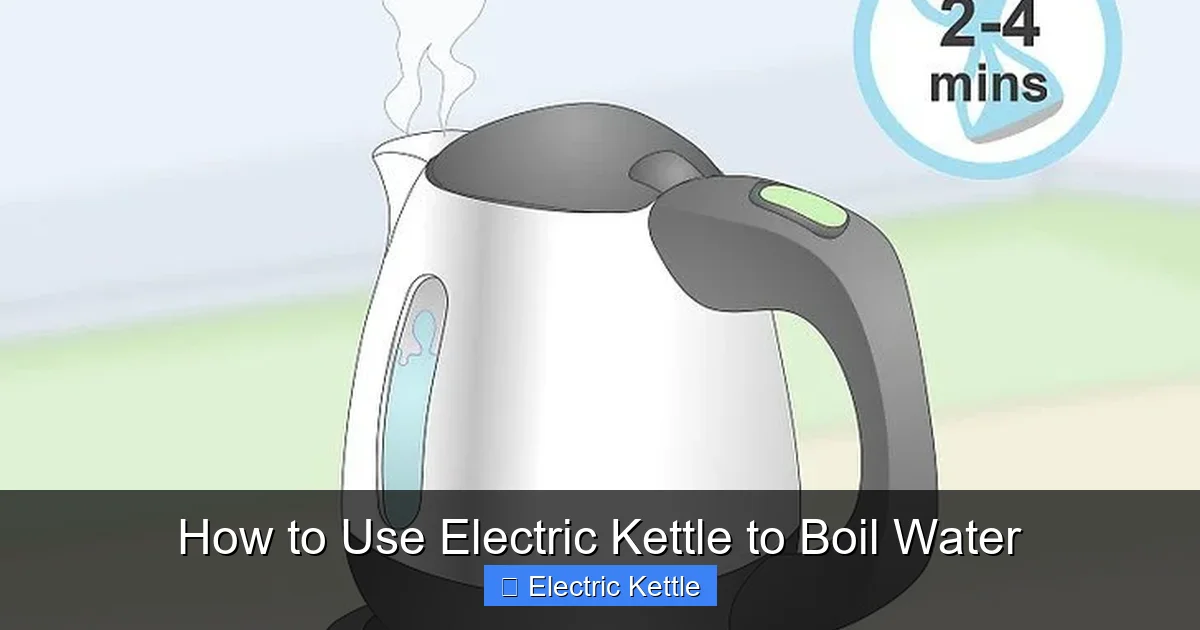
Visual guide about How to Use Electric Kettle to Boil Water
Image source: wikihow.com
Before you start boiling water, it’s important to pick the right electric kettle for your needs. Not all kettles are created equal, and choosing the wrong one can lead to frustration or even safety issues. Let’s break down the key factors to consider.
Capacity and Size
Electric kettles come in various sizes, typically ranging from 0.5 liters to 1.7 liters. A smaller kettle (0.5–1 liter) is ideal for individuals or small households, while larger models (1.5–1.7 liters) are better for families or frequent entertainers. Think about how much water you usually boil at once. If you’re just making one cup of tea, a 1-liter kettle is plenty. But if you’re hosting guests or making multiple hot drinks, go bigger.
Keep in mind that larger kettles take up more counter space and may take slightly longer to boil full volumes. However, they’re more versatile. Some people prefer a compact kettle for travel or office use. If portability is a priority, look for lightweight models with secure lids and cool-touch handles.
Material Options
Electric kettles are made from three main materials: stainless steel, plastic, and glass. Each has its pros and cons.
Stainless steel kettles are durable, resistant to rust, and retain heat well. They’re great for long-term use and often have a modern, professional look. However, they can get hot on the outside, so always use the handle.
Plastic kettles are lightweight and affordable, but they may retain odors or degrade over time, especially with frequent use. Look for BPA-free models to ensure safety.
Glass kettles offer a stylish, transparent view of the boiling process. They don’t retain flavors and are easy to clean, but they’re more fragile and can be heavier.
For most users, stainless steel offers the best balance of durability, safety, and performance.
Features to Look For
Modern electric kettles come with a range of features that enhance usability. Here are some to consider:
– **Variable Temperature Control:** Perfect for tea lovers. Different teas require different temperatures—green tea brews best at lower temps, while black tea needs a full boil.
– **Keep-Warm Function:** Keeps water at a set temperature for up to an hour, so you don’t have to reboil.
– **Auto Shut-Off:** Turns off the kettle when water reaches boiling point or if it runs dry.
– **Boil-Dry Protection:** Prevents the kettle from operating when there’s no water inside.
– **Cordless Design:** Makes pouring easier and reduces clutter on the counter.
– **Water Level Window:** Lets you see how much water is inside without opening the lid.
– **Quiet Operation:** Some models are designed to boil water with minimal noise—great for early mornings or shared spaces.
If you’re a coffee or tea enthusiast, a kettle with temperature control is worth the investment. For everyday use, a basic model with auto shut-off and boil-dry protection is sufficient.
Step-by-Step Guide: How to Use an Electric Kettle to Boil Water
Now that you’ve chosen the right kettle, let’s walk through the process of using it safely and effectively. Whether you’re a first-time user or just need a refresher, these steps will help you get the best results every time.
Step 1: Prepare Your Kettle
Before you start, make sure your kettle is clean and in good working condition. If it’s new, rinse it out with water a few times to remove any manufacturing residues. For regular use, check for limescale buildup, especially if you live in a hard water area.
Place the kettle on a flat, stable, and heat-resistant surface. Avoid placing it near edges, flammable materials, or over sinks. The base should be dry and free of debris. If your kettle is corded, ensure the cord isn’t tangled or near water.
Step 2: Fill with the Right Amount of Water
Open the lid and pour in cold, fresh water. Always use cold tap water—never hot or warm, as it can contain more dissolved minerals and reduce the kettle’s efficiency.
Pay close attention to the water level. Most kettles have minimum and maximum markings inside. Never fill below the minimum line—this can cause the heating element to overheat. Similarly, don’t overfill past the maximum, or water may spill out when boiling.
As a general rule, only boil as much water as you need. Boiling excess water wastes energy and takes longer. For one cup of tea, 250–300 ml is usually enough. For a full pot of coffee, aim for 1–1.5 liters.
Step 3: Close the Lid and Plug In
Make sure the lid is securely closed. This helps maintain pressure and ensures the kettle boils efficiently. If your kettle has a filter or spout cover, ensure it’s in place.
Plug the kettle into a grounded electrical outlet. Avoid using extension cords if possible, as they can overheat. If you must use one, choose a heavy-duty, short cord rated for high wattage.
Step 4: Turn On the Kettle
Press the power button or flip the switch. Most kettles will light up or make a soft click when activated. If your kettle has temperature settings, select the desired level. For boiling water, choose “boil” or 212°F (100°C).
The heating process begins immediately. You’ll hear a gentle hum or see steam rising as the water heats up. This is normal. Avoid opening the lid during boiling—steam can cause burns.
Step 5: Wait for Automatic Shut-Off
Most electric kettles are designed to turn off automatically once the water reaches boiling point. This usually takes 3–5 minutes, depending on the volume and kettle power (typically 1500–3000 watts).
When the water boils, you’ll hear a click or see the power light turn off. Some models emit a soft beep. Do not unplug the kettle immediately—let it cool for a few seconds.
Step 6: Pour Safely
Lift the kettle by the handle, which should remain cool to the touch. Pour slowly to avoid splashing. If your kettle is cordless, you can carry it to the sink or table for easier pouring.
Be cautious of steam, especially when opening the lid. Tilt the lid away from your face to release steam safely.
Step 7: Unplug and Store
Once you’ve poured the water, unplug the kettle. This is a crucial safety step. Even if the kettle is off, leaving it plugged in can pose a risk if there’s a power surge or malfunction.
Let the kettle cool completely before storing. Wipe the exterior with a damp cloth if needed. Store it in a dry place, preferably with the lid open to prevent moisture buildup.
Safety Tips for Using an Electric Kettle
Electric kettles are generally safe, but like any electrical appliance, they require proper handling. Follow these safety tips to prevent accidents and extend the life of your kettle.
Never Operate an Empty Kettle
This is the most important rule. Running an electric kettle without water can cause the heating element to overheat, warp, or even catch fire. Most modern kettles have boil-dry protection, but it’s still best to avoid testing it.
Always check the water level before turning it on. If you’re unsure, open the lid and look inside.
Keep Hands and Faces Away from Steam
Steam can reach temperatures over 200°F and cause severe burns. Never lean over the kettle while it’s boiling. When opening the lid, do so slowly and away from your body.
If you have children or pets, keep them away from the kettle during and after use. Consider using a kettle with a cool-touch exterior.
Avoid Overfilling
Overfilling can cause water to spill out when boiling, leading to electrical hazards or burns. It can also damage the kettle’s internal components. Stick to the maximum fill line.
If you need more hot water, boil in batches rather than overloading the kettle.
Use on a Stable Surface
A wobbly or uneven surface can cause the kettle to tip over, spilling hot water. Always place it on a flat, dry countertop. Avoid placing it on cloth, paper, or near sink edges.
If your kettle has a cord, make sure it’s not dangling where someone could trip over it.
Regularly Inspect for Damage
Check the power cord, plug, and base for cracks, fraying, or discoloration. If you notice any damage, stop using the kettle immediately and have it repaired or replaced.
Also, inspect the heating element (if visible) for mineral buildup or corrosion. A damaged element can affect performance and safety.
Don’t Immerse the Kettle in Water
Never submerge the base, cord, or electrical parts in water. Only the interior can be rinsed. Cleaning should be done with a damp cloth and mild detergent.
If water gets into the base, unplug it immediately and let it dry completely before use.
Cleaning and Maintaining Your Electric Kettle
Proper maintenance keeps your kettle working efficiently and ensures your water tastes fresh. Over time, minerals from hard water can build up inside, forming limescale. This not only affects performance but can also alter the taste of your drinks.
Descaling Your Kettle
Descaling removes mineral deposits and should be done every 4–6 weeks, depending on water hardness. Here’s how:
1. Fill the kettle halfway with equal parts water and white vinegar.
2. Boil the solution and let it sit for 30–60 minutes.
3. Pour out the mixture and rinse thoroughly with clean water.
4. Boil fresh water 2–3 times to remove any vinegar taste.
Alternatively, use a commercial descaling solution or lemon juice for a natural option.
Cleaning the Exterior
Wipe the outside with a soft, damp cloth. For stainless steel kettles, use a mild cleaner to maintain shine. Avoid abrasive scrubbers that can scratch the surface.
Cleaning the Filter
Many kettles have a mesh filter near the spout to catch sediment. Remove it periodically and rinse under running water. Use a soft brush if needed.
Storing Your Kettle
When not in use, store the kettle in a dry place with the lid open. This prevents moisture buildup and odors. Avoid stacking items on top of it.
Troubleshooting Common Issues
Even the best kettles can have problems. Here are some common issues and how to fix them.
Kettle Won’t Turn On
Check if it’s plugged in and the outlet is working. Test the outlet with another device. If the kettle still doesn’t turn on, the thermostat or heating element may be faulty. Contact the manufacturer.
Water Tastes Metallic or Strange
This is often due to limescale or residue. Descale the kettle and rinse thoroughly. If the problem persists, the interior coating may be degrading—consider replacing the kettle.
Kettle Takes Too Long to Boil
This could be due to mineral buildup, low voltage, or a faulty element. Descale first. If it still boils slowly, have it inspected.
Steam or Water Leaking
Check the lid seal and spout for cracks or loose parts. Overfilling can also cause leaks. Ensure the kettle is on a level surface.
Unusual Noises
A gentle hum is normal, but loud popping or rattling may indicate limescale on the heating element. Descale the kettle.
Conclusion
Using an electric kettle to boil water is one of the simplest and most efficient ways to get hot water quickly. With the right model, proper technique, and regular maintenance, your kettle can serve you well for years. Whether you’re making tea, coffee, or instant meals, following these steps ensures safety, great taste, and reliable performance.
Remember to choose a kettle that fits your lifestyle, fill it correctly, and always unplug after use. Keep it clean and descale regularly to prevent buildup. And most importantly, never operate it empty.
An electric kettle is more than just a kitchen gadget—it’s a daily helper that saves time, energy, and effort. Once you get the hang of it, you’ll wonder how you ever lived without one. So go ahead, plug it in, and enjoy your perfectly boiled water—every single time.
Frequently Asked Questions
Can I boil water in an electric kettle more than once?
Yes, you can boil water multiple times, but it’s best to use fresh water each time for the best taste. Reboiling the same water can concentrate minerals and affect flavor.
Is it safe to leave water in the kettle overnight?
It’s not recommended. Stagnant water can promote bacterial growth and absorb odors. Always empty and rinse the kettle after use.
Can I use an electric kettle to heat milk or soup?
No, electric kettles are designed for water only. Heating milk or soup can cause scorching, damage the kettle, and create a fire hazard.
How often should I descale my electric kettle?
Descale every 4–6 weeks if you use it daily, or more often in hard water areas. Look for signs like slower boiling or white deposits.
Why does my electric kettle smell bad?
Odors are usually caused by limescale, residue, or stagnant water. Clean and descale the kettle, and always use fresh water.
Can I use filtered water in my electric kettle?
Yes, using filtered water reduces mineral buildup and improves taste. It can also extend the life of your kettle.