Using an electric tea kettle is simple, fast, and convenient—once you know the basics. This guide walks you through setup, operation, maintenance, and safety so you can enjoy perfectly heated water for tea, coffee, or cooking with confidence.
Key Takeaways
- Always fill between the min and max water lines: Overfilling can cause spills; underfilling may damage the heating element.
- Use only cold, filtered water when possible: This reduces mineral buildup and improves taste and kettle lifespan.
- Never operate the kettle without water: Running it dry can ruin the heating coil and pose a fire risk.
- Clean your kettle monthly: Descale regularly with vinegar or a commercial cleaner to maintain performance.
- Choose the right temperature setting if available: Different teas need different temps—green tea brews best at 160–180°F, while black tea needs near-boiling.
- Unplug after use and store properly: This extends the kettle’s life and prevents accidental activation.
- Read the user manual first: Every model has unique features—knowing them ensures safe and optimal use.
📑 Table of Contents
Why Choose an Electric Tea Kettle?
If you’ve ever waited impatiently for a pot of water to boil on the stove, you’ll appreciate the speed and simplicity of an electric tea kettle. These sleek, modern appliances heat water faster than most stovetop methods—often in under five minutes—and many come with advanced features like temperature control, keep-warm functions, and automatic shut-off. Whether you’re brewing delicate white tea, making instant oatmeal, or preparing French press coffee, an electric kettle delivers consistent, reliable heat with minimal effort.
But beyond convenience, electric kettles are also energy-efficient. Because they heat only the water you need (not an entire stovetop burner), they use less electricity than traditional methods. Plus, their enclosed design reduces heat loss, meaning more energy goes directly into heating your water. And let’s be honest—there’s something satisfying about pressing a button and watching your kettle do the work while you relax with a good book or catch up on emails.
That said, even the simplest appliances require a bit of know-how to use safely and effectively. From proper filling techniques to cleaning routines, understanding how to use electric tea kettle properly ensures you get the best performance, longest lifespan, and safest experience. In this guide, we’ll cover everything from unboxing your new kettle to troubleshooting common issues—so you can brew with confidence every single time.
Getting Started: First-Time Setup
Before you take that first sip of perfectly steeped tea, it’s important to set up your electric kettle correctly. Many people skip this step and jump straight to boiling—but doing so can affect taste, performance, and even safety.
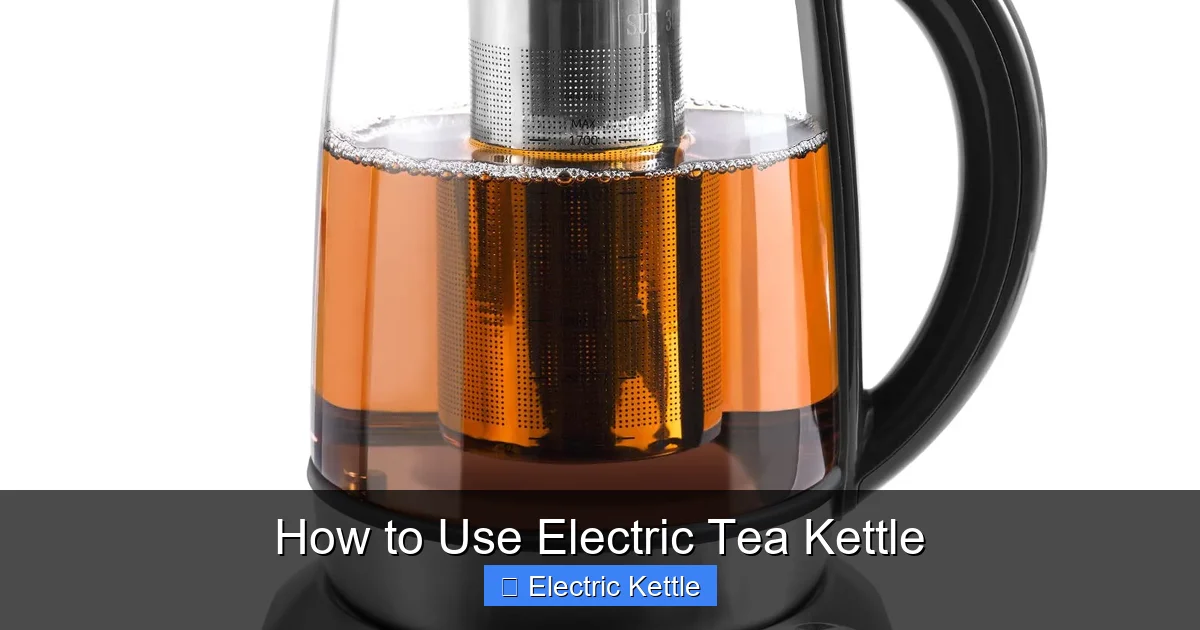
Visual guide about How to Use Electric Tea Kettle
Image source: m.media-amazon.com
Unbox and Inspect
Start by carefully removing your kettle from its packaging. Check for any visible damage, especially around the base, lid, and power cord. Make sure all components are included—typically the kettle itself, a detachable base with cord, and sometimes a filter or measuring cup. If anything looks cracked, frayed, or missing, contact the manufacturer before use.
Wash Before First Use
Even though your kettle is new, it may have residue from manufacturing or dust from shipping. Rinse the interior with warm water (don’t use soap—it can leave a film). Wipe the exterior with a damp cloth. Some manufacturers recommend running one or two cycles of plain water through the kettle and discarding it before your first real brew. This helps “season” the interior and removes any lingering odors.
Familiarize Yourself with Controls
Take a moment to read the user manual—yes, really! Electric kettles vary widely in features. Basic models have a simple on/off switch, while premium ones offer preset temperature buttons (like “Green Tea” or “French Press”), LED displays, or even app connectivity. Know where the water level indicators are, how to open the lid safely, and whether your model has a removable limescale filter.
Find the Right Spot
Place your kettle on a flat, heat-resistant surface away from edges, curtains, or cabinets. Ensure there’s at least 6 inches of clearance on all sides for ventilation. Never place it near sinks or wet areas unless it’s specifically designed for that (most aren’t). And always plug it directly into a wall outlet—not an extension cord—to avoid overheating risks.
How to Use Electric Tea Kettle: Step-by-Step
Now that your kettle is ready, let’s walk through the actual process of using it. It’s straightforward, but small details make a big difference in safety and results.
Step 1: Fill with the Right Amount of Water
Open the lid and pour in cold water—never hot or warm, as this can stress the heating element over time. Use the built-in min/max markings inside the kettle to guide you. Most kettles hold between 1 and 1.7 liters, but never exceed the maximum line. Overfilling can cause boiling water to spill out when it bubbles up, creating a burn hazard. Similarly, don’t go below the minimum line—running the kettle with too little water can overheat and damage the base.
Pro tip: If you’re only making one cup of tea, fill just enough for that serving. This saves energy and ensures fresher-tasting water (stale water loses oxygen and flavor).
Step 2: Close the Lid Securely
Make sure the lid clicks or snaps shut completely. Most electric kettles won’t turn on if the lid isn’t properly closed—a built-in safety feature. If your model has a locking mechanism, engage it before plugging in.
Step 3: Plug In and Select Temperature (If Applicable)
Place the kettle on its base and plug it into the outlet. If your kettle has temperature settings, choose the appropriate one now. For example:
- White or green tea: 160–180°F (70–82°C)
- Oolong tea: 185–205°F (85–96°C)
- Black tea or herbal infusions: 200–212°F (93–100°C)
- Coffee or instant soups: Full boil (212°F / 100°C)
If your kettle only boils to 212°F, that’s fine—just steep your tea for the recommended time after pouring.
Step 4: Press Start and Wait
Press the power button or lever. The kettle will begin heating immediately. You’ll usually hear a gentle hum or see indicator lights glow. Most kettles boil water in 3–5 minutes, depending on volume and wattage (higher wattage = faster boil).
Never leave your kettle unattended while it’s heating—especially if you have young children or pets nearby. Although modern kettles have auto shut-off, it’s always safer to stay close.
Step 5: Listen for the Click (Auto Shut-Off)
Once the water reaches the set temperature, the kettle will automatically turn off—usually with an audible click or beep. This is a key safety feature that prevents overheating and saves energy. Remove the kettle from the base (if detachable) or carefully pour using the handle.
Safety note: Always use the handle to pour—not the lid or base—and keep your face and hands away from the spout to avoid steam burns.
Step 6: Enjoy and Reset
Pour your hot water into your teapot, mug, or French press. If you need more hot water later, simply refill and repeat. Most kettles cool down quickly, so you can reuse them within minutes.
Advanced Features and Smart Usage Tips
Many electric kettles today go beyond basic boiling. Understanding these features can elevate your brewing game and protect your appliance.
Temperature Control: Brew Like a Pro
If your kettle has variable temperature settings, use them! Different teas extract flavors optimally at specific temperatures. Boiling water can scorch delicate green or white teas, making them bitter. Conversely, some herbal blends need a full boil to release their full aroma. Experiment with settings to find your perfect cup.
Some high-end models even have a “keep warm” function that maintains water at your chosen temperature for up to an hour. Great for tea tastings or slow sippers—but avoid leaving water sitting too long, as it can develop a flat taste.
Limescale Filters: Keep It Clean Inside
Hard water areas often cause mineral buildup (limescale) inside kettles. Many models include a removable mesh filter near the spout to catch these deposits. Check and rinse this filter weekly—it’s easy to overlook but crucial for smooth pouring and clean taste.
Quiet Boil Technology
Some premium kettles feature noise-reduction designs that minimize the loud “roar” of boiling. Ideal for early mornings or office settings. If noise bothers you, look for kettles labeled “quiet boil” or “low-decibel.”
Cordless Convenience
Most electric kettles separate from their base, making pouring easier and storage neater. Just ensure the contacts on the base and kettle align properly when placing it back—misalignment can prevent heating or cause arcing.
Energy-Saving Habits
Only boil what you need. Heating extra water wastes electricity and can lead to repeated reheating, which degrades water quality over time. Use a measuring cup if you’re unsure—better to be precise than wasteful.
Cleaning and Maintenance
A well-maintained kettle lasts longer, tastes better, and operates more efficiently. Neglecting cleaning leads to limescale buildup, odd smells, and even malfunctioning sensors.
Daily Care
After each use, wipe the exterior with a dry cloth. Empty any leftover water—don’t let it sit overnight, as stagnant water promotes bacteria and mineral deposits. If your kettle has a removable filter, rinse it under running water.
Weekly Rinse
Once a week, rinse the interior with warm water and dry it with a soft cloth. Avoid abrasive sponges or steel wool—they can scratch stainless steel or damage non-stick coatings.
Monthly Descaling
This is the most important maintenance task. In hard water areas, descale every 2–4 weeks; in soft water areas, every 2–3 months.
Method 1: Vinegar Solution
Fill the kettle halfway with equal parts white vinegar and water. Boil the mixture, then let it sit for 30–60 minutes. Pour out the solution, scrub gently with a soft brush if needed, then rinse thoroughly 3–4 times. Run 1–2 cycles of plain water to remove any vinegar smell.
Method 2: Commercial Descaler
Follow the product instructions—usually involves dissolving a tablet or powder in water, boiling, and rinsing. These are often more convenient and less odorous than vinegar.
Deep Cleaning the Exterior
For stainless steel kettles, use a microfiber cloth and a drop of mild dish soap. For plastic models, avoid harsh chemicals that can degrade the material. Never submerge the base or electrical components in water.
When to Replace Your Kettle
Even with great care, kettles don’t last forever. Signs it’s time for a new one include:
- Persistent odors or tastes despite cleaning
- Slow heating or failure to boil
- Cracks, leaks, or rust
- Frequent tripping of circuit breakers
- Auto shut-off no longer working reliably
Most quality kettles last 3–5 years with proper care.
Safety First: Essential Precautions
Electric kettles are generally safe, but like any electrical appliance, they require respect. A few simple rules prevent accidents and extend your kettle’s life.
Never Operate Dry
This cannot be stressed enough: always ensure there’s water in the kettle before turning it on. Dry boiling can melt internal components, warp the base, or even start a fire. Most kettles have dry-boil protection, but it’s not foolproof—especially in older models.
Keep Hands and Faces Away from Steam
Steam burns are serious. When pouring, tilt the kettle slowly and keep your face turned away. Use oven mitts if the handle gets hot (some models retain heat).
Avoid Overfilling and Spills
Boiling water expands and bubbles vigorously. Overfilled kettles can spray scalding water when they reach a boil. Stick to the max line—even if you think “just a little more” won’t hurt.
Unplug When Not in Use
Especially if you’re going on vacation or won’t use the kettle for days. This prevents accidental activation and reduces phantom energy drain.
Don’t Immerse the Base
The power base contains electrical components. Never place it in water or near sinks. If liquid spills on the base, unplug immediately, wipe dry, and let it air-dry completely before reuse.
Supervise Around Children and Pets
Keep the kettle out of reach when in use. Teach kids that it’s not a toy—and never let them operate it unsupervised.
Troubleshooting Common Issues
Even the best kettles can act up sometimes. Here’s how to solve the most frequent problems.
Kettle Won’t Turn On
- Check if it’s plugged in securely.
- Ensure the lid is fully closed.
- Verify the water level is above the minimum.
- Test the outlet with another device.
- If none work, the thermal fuse may be blown—contact the manufacturer.
Water Tastes Metallic or Odd
This is usually due to newness or mineral buildup. Run 2–3 cycles of plain water. If it persists, descale thoroughly. Never use soap inside the kettle—it can leave a residue.
Kettle Boils Slowly
Mineral deposits insulate the heating element. Descale immediately. Also, ensure you’re not using excessively cold water (like from a fridge)—start with room-temperature tap water.
Auto Shut-Off Doesn’t Work
This is a serious safety issue. Stop using the kettle immediately. The thermostat or sensor may be faulty. Contact customer support—do not attempt to repair it yourself.
Leaking from the Spout or Base
Check for cracks or loose seals. If the leak is from the base, unplug and stop using—it could indicate electrical damage.
Strange Noises
Gurgling or popping is normal during boiling. But if you hear buzzing, clicking, or sizzling when the kettle is off, unplug it—there may be a wiring issue.
Conclusion
Learning how to use electric tea kettle properly transforms a simple kitchen gadget into a reliable daily companion. From your morning matcha to late-night herbal infusions, this appliance offers speed, precision, and convenience—when used correctly. By following the steps outlined here—proper filling, temperature selection, regular cleaning, and safety awareness—you’ll enjoy better-tasting beverages, fewer malfunctions, and a longer-lasting kettle.
Remember, every model is a little different, so always consult your user manual for specific instructions. And don’t underestimate the power of routine maintenance: a quick monthly descaling can prevent months of frustration. Whether you’re a tea connoisseur, coffee lover, or just someone who appreciates hot water on demand, mastering your electric kettle is a small skill with big rewards. So go ahead—fill it up, press start, and savor the perfect pour.
Frequently Asked Questions
Can I put milk or other liquids in my electric kettle?
No, never put milk, coffee, or sugary liquids in an electric kettle. These can burn onto the heating element, cause odors, and damage the interior. Use only water—and preferably cold, filtered water for best results.
Is it safe to leave water in the kettle overnight?
It’s not recommended. Stagnant water can develop bacteria and lose oxygen, affecting taste. Always empty and rinse the kettle after use, especially if you won’t use it for a day or more.
Why does my kettle smell like plastic when new?
This is normal for some models. Run 2–3 cycles of plain water and discard it before your first real brew. The smell should disappear. If it persists after several uses, contact the manufacturer.
Can I use my electric kettle to boil water for pasta or eggs?
Technically yes, but it’s not ideal. Kettles aren’t designed for cooking food—residue can stick to the interior and affect future brews. Use a pot on the stove instead for cooking tasks.
How often should I descale my electric kettle?
Descale every 2–4 weeks if you have hard water, or every 2–3 months with soft water. Signs you need to descale include slow boiling, white deposits, or odd tastes.
What should I do if my kettle stops working suddenly?
First, check the basics: power connection, water level, and lid closure. If those are fine, unplug the kettle and let it cool. If it still doesn’t work, the thermal fuse or thermostat may be faulty—contact customer support for repair or replacement options.