Using an electric tea kettle with infuser is simple, efficient, and perfect for brewing loose-leaf tea at home. This guide walks you through setup, brewing techniques, cleaning, and safety tips to help you get the most out of your appliance.
Key Takeaways
- Choose the right kettle: Look for one with a built-in infuser, temperature control, and auto-shutoff for safety and convenience.
- Use fresh, cold water: Always start with cold, filtered water to improve taste and reduce mineral buildup.
- Measure tea correctly: Use about 1 teaspoon of loose-leaf tea per cup, adjusting to taste.
- Set the right temperature: Different teas require different temperatures—green tea needs cooler water than black tea.
- Steep for the right time: Follow recommended steeping times to avoid bitterness or weak flavor.
- Clean regularly: Rinse the infuser after each use and descale the kettle monthly to maintain performance.
- Store safely: Empty the kettle and store it dry to prevent mold and extend its lifespan.
📑 Table of Contents
Why Use an Electric Tea Kettle with Infuser?
If you love tea, you know that the brewing process matters just as much as the tea itself. A good cup starts with the right tools, and an electric tea kettle with infuser is one of the best investments you can make. Unlike traditional kettles, these modern appliances combine heating and steeping in one sleek device, making them perfect for loose-leaf tea lovers.
Electric tea kettles with infusers are designed for convenience, precision, and consistency. They heat water quickly, often in under five minutes, and many models offer temperature control so you can brew delicate green teas at 175°F or robust black teas at 212°F. The built-in infuser basket holds your tea leaves, allowing them to expand and release flavor without ending up in your cup. This means no more fishing out stray leaves or dealing with messy tea bags.
Whether you’re a tea newbie or a seasoned sipper, this appliance simplifies the process. You don’t need a separate teapot or strainer—just add water, add tea, press a button, and wait. Plus, most models are compact and stylish, fitting easily on any countertop. With features like auto-shutoff, keep-warm functions, and cordless designs, they’re as safe as they are practical.
Choosing the Right Electric Tea Kettle with Infuser
Not all electric kettles with infusers are created equal. Before you buy, consider your tea habits, kitchen space, and desired features. Here’s what to look for to ensure you get the best model for your needs.
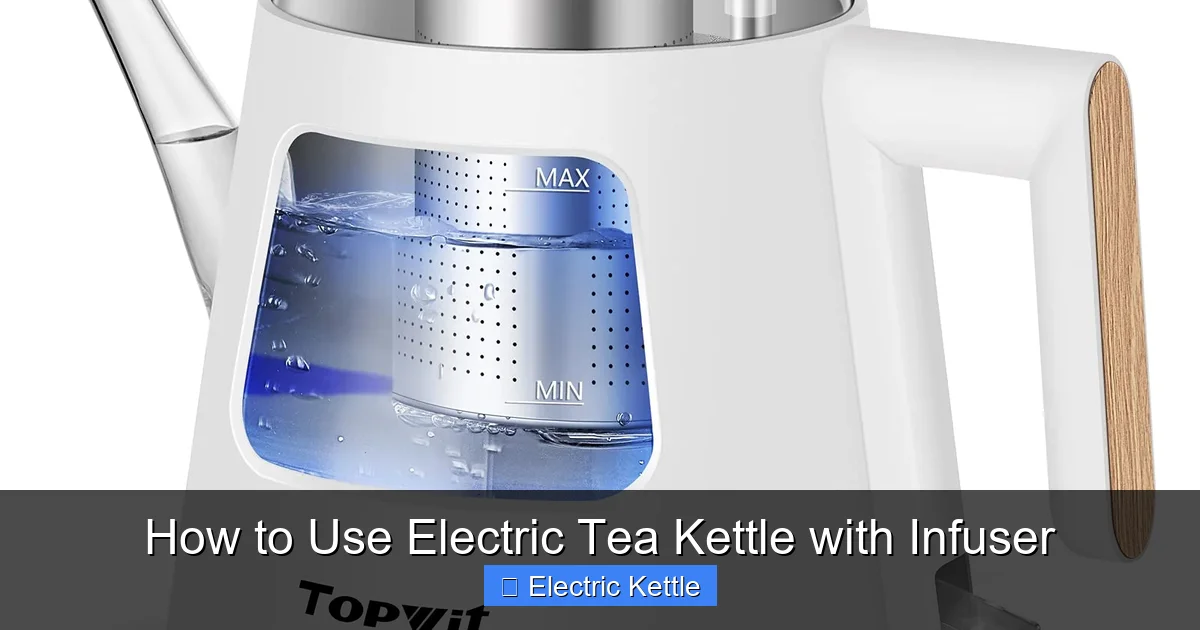
Visual guide about How to Use Electric Tea Kettle with Infuser
Image source: m.media-amazon.com
Infuser Type and Material
The infuser is the heart of the kettle, so choose wisely. Most infusers are made of stainless steel or silicone. Stainless steel is durable, easy to clean, and resists rust. Silicone infusers are flexible and often removable, making them great for tight spaces. Some models have fine-mesh infusers that prevent even the smallest tea particles from escaping, while others have larger holes for better water flow.
Look for an infuser that’s easy to remove and clean. A removable infuser basket is ideal because you can rinse it under running water or toss it in the dishwasher. Some kettles have fixed infusers, which can be harder to clean and may trap residue over time. If you plan to brew different types of tea—like herbal, green, or oolong—having a removable infuser lets you avoid flavor transfer.
Temperature Control
One of the biggest advantages of electric kettles with infusers is precise temperature control. Different teas require different water temperatures to bring out their best flavors. For example, green tea should be brewed at 160–180°F, while black tea needs boiling water at 200–212°F. Herbal teas often fall somewhere in between.
Many high-end models offer preset temperature settings for common tea types. You simply select “green,” “white,” or “black,” and the kettle heats the water to the ideal temperature automatically. Some even have a “keep warm” function that maintains the temperature for up to an hour. This is especially helpful if you like to sip slowly or make multiple cups.
Capacity and Size
Consider how much tea you typically brew. Kettles range from 0.5 liters (about 2 cups) to 1.7 liters (up to 7 cups). If you’re a solo tea drinker, a smaller kettle may suffice. But if you entertain often or share tea with family, go for a larger capacity.
Also, think about counter space. Some kettles are tall and narrow, while others are short and wide. Measure your available space and choose a model that fits comfortably. Cordless kettles are easier to move and store, and many come with a 360-degree swivel base for added convenience.
Safety Features
Safety should always be a priority. Look for kettles with auto-shutoff, which turns the appliance off once the water reaches the set temperature. This prevents overheating and saves energy. Boil-dry protection is another essential feature—it shuts off the kettle if there’s no water inside, reducing the risk of damage or fire.
Other safety features include cool-touch exteriors, secure lids, and non-slip bases. If you have kids or pets, these extras can give you peace of mind. Some models also have LED indicators that light up when the kettle is on, so you always know its status.
Material and Build Quality
The material of your kettle affects both performance and longevity. Stainless steel kettles are durable, resistant to stains, and easy to clean. They also don’t retain odors or flavors from previous brews. Glass kettles are stylish and let you watch the water heat, but they can be fragile and may show water spots.
Avoid plastic kettles if possible, especially those with BPA. While they’re lightweight and affordable, they can leach chemicals into hot water and absorb odors over time. If you do choose plastic, make sure it’s labeled BPA-free and food-safe.
Step-by-Step Guide to Using Your Electric Tea Kettle with Infuser
Now that you’ve chosen the perfect kettle, it’s time to start brewing. Using an electric tea kettle with infuser is straightforward, but following a few simple steps ensures the best results every time.
Step 1: Prepare the Kettle
Before your first use, wash the kettle and infuser with warm, soapy water. Rinse thoroughly to remove any manufacturing residues. This step is especially important if your kettle is new. Fill the kettle with cold water up to the maximum line and boil it once. Discard the water—this helps clean the interior and removes any lingering tastes.
For regular use, always start with fresh, cold water. Avoid using hot tap water, as it may contain more minerals and impurities. Filtered water is ideal because it improves taste and reduces scale buildup. Never overfill the kettle—leave some space to prevent boiling water from spilling out.
Step 2: Add Tea to the Infuser
Remove the infuser basket from the kettle. Use about 1 teaspoon of loose-leaf tea per cup (8 oz) of water. Adjust the amount based on your taste preferences—some people like stronger tea, while others prefer a lighter brew. For herbal teas or blends with large ingredients like flowers or fruit pieces, you may need a bit more.
Place the infuser back into the kettle, making sure it sits securely in the designated slot. If your kettle has a lid, close it properly to trap heat and steam. Some models have a built-in timer or brewing function—check your user manual to see if yours does.
Step 3: Select the Right Temperature
Turn on the kettle and select the appropriate temperature setting. If your kettle has preset options, choose the one that matches your tea type. For example:
- White tea: 160–175°F
- Green tea: 175–185°F
- Oolong tea: 185–205°F
- Black tea: 200–212°F
- Herbal tea: 200–212°F
If your kettle doesn’t have presets, use a kitchen thermometer to check the water temperature. Most kettles will beep or flash when the water reaches the desired heat. Avoid boiling delicate teas like green or white, as high heat can make them bitter.
Step 4: Steep the Tea
Once the water reaches the correct temperature, let the tea steep for the recommended time. Steeping times vary by tea type:
- White tea: 2–4 minutes
- Green tea: 2–3 minutes
- Oolong tea: 3–5 minutes
- Black tea: 3–5 minutes
- Herbal tea: 5–7 minutes
Use a timer to keep track. Over-steeping can lead to bitterness, especially with green and white teas. If your kettle has a built-in timer or auto-steep function, it may lift the infuser automatically when the time is up. Otherwise, remove the infuser by hand once steeping is complete.
Step 5: Serve and Enjoy
Pour the tea into your cup or teapot. If you’re making multiple cups, distribute the tea evenly to ensure consistent flavor. Some kettles have a “keep warm” function that maintains the temperature for up to an hour—great for slow sippers or group settings.
Remove the infuser and discard the used tea leaves. Rinse the infuser immediately to prevent staining and buildup. If you’re brewing another type of tea, wash the infuser thoroughly to avoid flavor mixing.
Tips for the Perfect Cup of Tea
Even with the best kettle, a few extra tips can elevate your tea experience. These simple tricks help you get the most flavor and enjoyment from every cup.
Use High-Quality Loose-Leaf Tea
The quality of your tea matters. Loose-leaf tea is generally fresher and more flavorful than bagged tea because the leaves are whole and unbroken. Look for reputable brands that source ethically and store tea properly. Store your tea in an airtight container away from light, heat, and moisture to preserve freshness.
Preheat Your Cup
Before pouring, rinse your teacup with hot water. This keeps the tea warm longer and prevents rapid cooling, which can dull the flavor. Simply swirl hot water in the cup, then discard it before adding your brewed tea.
Experiment with Ratios and Times
Everyone’s taste is different. Start with the standard measurements, then adjust to your liking. If your tea tastes weak, use more leaves or steep longer. If it’s too strong, reduce the amount or shorten the steeping time. Keep a tea journal to track what works best for each type.
Try Cold Brew with Your Kettle
Did you know you can use your electric kettle for cold brew tea? Heat water to the recommended temperature, steep the tea for 1–2 minutes, then pour it over ice. This method reduces bitterness and creates a smooth, refreshing drink—perfect for hot days.
Clean as You Go
The best way to maintain your kettle is to clean it after every use. Rinse the infuser and wipe the exterior with a damp cloth. This prevents residue buildup and keeps your tea tasting fresh. For deeper cleaning, follow the maintenance tips below.
Cleaning and Maintenance
Regular cleaning keeps your electric tea kettle with infuser in top condition and ensures great-tasting tea every time. Neglecting maintenance can lead to scale buildup, odors, and reduced performance.
Daily Cleaning
After each use, remove the infuser and rinse it under warm water. Use a soft brush or sponge to scrub away any tea residue. If your infuser is dishwasher-safe, place it on the top rack for a thorough clean. Wipe the kettle’s exterior with a damp cloth—avoid submerging the base or electrical components.
Empty any leftover water from the kettle. Standing water can promote mold and mineral deposits. Let the kettle air dry with the lid open before storing.
Monthly Descaling
Hard water can leave mineral deposits (scale) inside your kettle, especially around the heating element. To remove scale, fill the kettle halfway with equal parts water and white vinegar. Let it sit for 30–60 minutes, then boil the solution. Turn off the kettle, let it cool, and rinse thoroughly with clean water. Boil fresh water once or twice to remove any vinegar taste.
Alternatively, use a commercial descaling solution or citric acid. Follow the product instructions carefully. Descaling once a month is usually sufficient, but if you live in a hard water area, you may need to do it more often.
Deep Cleaning the Infuser
Over time, tea oils and residue can build up in the infuser, affecting flavor. For a deep clean, soak the infuser in a mixture of warm water and baking soda (1 tablespoon per cup) for 15–20 minutes. Scrub gently with a brush, then rinse well. For stubborn stains, use a paste of baking soda and water.
If your infuser has a fine mesh, be extra careful not to damage it. Avoid using abrasive cleaners or steel wool, as they can scratch the surface and trap bacteria.
Storing Your Kettle
When not in use, store your kettle in a dry, cool place. Keep the lid open slightly to allow airflow and prevent moisture buildup. If you’re storing it for a long time, make sure it’s completely dry and free of water.
Avoid wrapping the cord tightly around the base, as this can damage the wires. Most kettles have a cord storage compartment—use it to keep things neat and tidy.
Safety Tips and Best Practices
While electric tea kettles with infusers are generally safe, it’s important to use them correctly to avoid accidents and extend their lifespan.
Never Operate an Empty Kettle
Always ensure there’s water in the kettle before turning it on. Running it dry can damage the heating element and pose a fire hazard. Most kettles have boil-dry protection, but it’s still best to avoid testing it.
Keep Hands and Objects Away from Steam
Steam can cause burns. When the kettle is heating or steeping, keep your hands, face, and loose clothing away from the spout. Use oven mitts if you need to handle the kettle while it’s hot.
Unplug When Not in Use
For safety and energy efficiency, unplug the kettle when you’re done using it. This also prevents accidental activation, especially if you have children or pets.
Avoid Overfilling
Fill the kettle only up to the maximum line. Overfilling can cause boiling water to spill out, creating a mess and potential burn risk. It can also damage the kettle’s internal components.
Use on a Stable Surface
Place the kettle on a flat, heat-resistant surface away from edges. Avoid using it near sinks, stovetops, or other heat sources. A stable base prevents tipping and ensures even heating.
Conclusion
Using an electric tea kettle with infuser is a simple, enjoyable way to brew perfect loose-leaf tea at home. With the right model, proper technique, and regular maintenance, you can enjoy flavorful, aromatic tea every day. From choosing the right kettle to mastering brewing times and cleaning routines, this guide covers everything you need to know.
Whether you’re a green tea enthusiast, a black tea lover, or an herbal tea explorer, this appliance makes it easy to experiment and find your favorite brews. So go ahead—fill your kettle, steep your leaves, and savor the moment. Your perfect cup of tea is just a button press away.
Frequently Asked Questions
Can I use an electric tea kettle with infuser for coffee?
While it’s possible, it’s not recommended. Coffee grounds can clog the infuser and leave residue that affects future tea flavors. Use a dedicated coffee maker for the best results.
How often should I clean the infuser?
Clean the infuser after every use to prevent buildup. Rinse it under warm water and scrub gently with a brush. Deep clean it monthly with baking soda or vinegar.
Can I leave tea in the infuser after brewing?
No, always remove the infuser once steeping is complete. Leaving tea in the infuser can lead to over-extraction, bitterness, and mold growth.
Is it safe to use tap water in my kettle?
Yes, but filtered water is better. Tap water may contain minerals that cause scale buildup and affect taste. Use filtered or bottled water for cleaner, better-tasting tea.
What should I do if my kettle smells like vinegar after descaling?
Boil fresh water 2–3 times and discard it to remove any vinegar odor. Rinse the kettle thoroughly between boils.
Can I brew tea without the infuser?
Some kettles allow it, but it’s not ideal. Without the infuser, tea leaves will float in the water, making it hard to pour without straining. Use the infuser for the best experience.