Using a Hamilton Beach electric kettle is simple, fast, and convenient—once you know the basics. This guide walks you through setup, operation, cleaning, and safety tips to get the most out of your kettle. Whether you’re brewing tea, making instant coffee, or preparing oatmeal, mastering your electric kettle saves time and energy.
Key Takeaways
- Always fill within the min/max water level markers to prevent damage and ensure safe operation.
- Use the correct power settings and avoid overfilling to extend the kettle’s lifespan and prevent spills.
- Clean your kettle regularly with vinegar or descaling solution to remove mineral buildup and maintain performance.
- Never immerse the base or power cord in water—only the removable jug should be washed.
- Unplug the kettle when not in use for safety and energy efficiency.
- Use filtered water when possible to reduce limescale and improve taste.
- Store the kettle with the lid open to prevent odors and allow airflow.
📑 Table of Contents
- Introduction: Why the Hamilton Beach Electric Kettle Is a Kitchen Essential
- Getting Started: Unboxing and Initial Setup
- How to Use Hamilton Beach Electric Kettle: Step-by-Step
- Safety Tips and Best Practices
- Cleaning and Maintenance
- Troubleshooting Common Issues
- Tips for Getting the Most Out of Your Kettle
- Conclusion: Master Your Hamilton Beach Electric Kettle
Introduction: Why the Hamilton Beach Electric Kettle Is a Kitchen Essential
If you’ve ever stood waiting for a pot of water to boil on the stove, you know how slow and inefficient it can be. That’s where the Hamilton Beach electric kettle comes in—a sleek, fast, and reliable appliance that brings water to a boil in just minutes. Whether you’re making your morning coffee, steeping a calming cup of tea, or preparing instant noodles, this kettle makes the process effortless.
But like any kitchen gadget, getting the best results means understanding how to use it properly. While the Hamilton Beach electric kettle is designed for simplicity, a few key steps can make a big difference in performance, safety, and longevity. From the first use to daily maintenance, this guide will walk you through everything you need to know. By the end, you’ll be a pro at using your kettle—and wonder how you ever lived without it.
Getting Started: Unboxing and Initial Setup
When your new Hamilton Beach electric kettle arrives, the first thing you’ll notice is its modern design and sturdy build. Most models come with a removable glass or stainless steel jug, a heating base, and a power cord. Before you plug it in and start boiling, take a few minutes to set it up correctly.
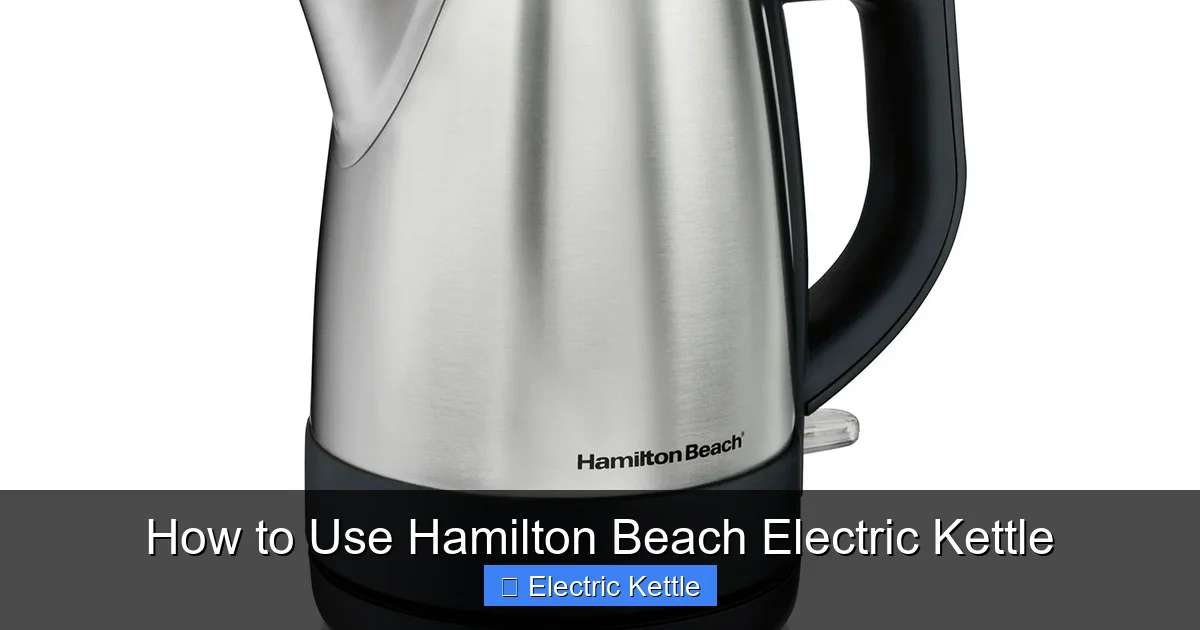
Visual guide about How to Use Hamilton Beach Electric Kettle
Image source: hamiltonbeach.com
Unboxing Your Kettle
Carefully remove the kettle and all accessories from the box. You should find the kettle jug, the heating base, and possibly a user manual or quick-start guide. Check for any visible damage during shipping—though Hamilton Beach kettles are well-packaged, it’s always good to inspect.
First-Time Use: Rinse Before Boiling
Never use your new kettle right out of the box. Even though it’s clean from the factory, dust or residues may have accumulated during packaging. Rinse the inside of the jug with fresh water. Do not use soap on the first wash—just water. Then, fill the kettle to the maximum level mark and boil it once. Discard the water. This process helps remove any manufacturing residues and ensures your first cup of tea tastes pure.
Understanding the Parts
Take a moment to familiarize yourself with the kettle’s components:
- Jug: The main container that holds water. Most Hamilton Beach models feature a 1.7-liter capacity with visible min/max water level markers.
- Lid: Usually opens with a button or lever. Some models have a mesh filter to catch debris when pouring.
- Handle: Ergonomically designed for a secure grip, even when hot.
- Base: Contains the heating element and electrical components. Never submerge this part in water.
- Power Cord: Detachable on some models for easy storage and cleaning.
Knowing these parts will help you operate and maintain your kettle safely.
How to Use Hamilton Beach Electric Kettle: Step-by-Step
Using your Hamilton Beach electric kettle is incredibly straightforward—but doing it right ensures safety, efficiency, and great-tasting hot water every time. Follow these simple steps for perfect results.
Step 1: Fill the Kettle with Water
Open the lid by pressing the release button or lifting the handle. Pour fresh, cold water into the jug. Always stay within the minimum and maximum water level indicators. Most Hamilton Beach kettles have these marked clearly inside the jug—usually around 0.5 liters (min) and 1.7 liters (max).
Why is this important? Too little water can cause the heating element to overheat and trigger the automatic shut-off. Too much water increases the risk of boiling over, which can damage the base or create a mess. For most daily uses—like making one or two cups of tea—filling to the halfway mark is ideal.
Step 2: Close the Lid Securely
Make sure the lid clicks into place. A loose lid can prevent the kettle from turning on or cause steam to escape unevenly. Some models have a safety feature that won’t allow the kettle to operate unless the lid is fully closed.
Step 3: Plug In and Power On
Place the kettle on its base and plug the cord into a grounded electrical outlet. Avoid using extension cords if possible, as they can reduce power and increase the risk of overheating. Once plugged in, press the power button—usually located on the handle or base. A light will illuminate to indicate the kettle is heating.
Most Hamilton Beach electric kettles heat water in 3 to 5 minutes, depending on the volume. You’ll hear a gentle bubbling sound as the water approaches boiling point.
Step 4: Wait for Automatic Shut-Off
One of the best features of the Hamilton Beach electric kettle is its automatic shut-off. Once the water reaches a full boil (around 212°F or 100°C), the kettle will click off and the light will turn off. This prevents over-boiling and saves energy.
You don’t need to stand and watch it—just listen for the click or watch for the light to go out. Some models also have a “keep warm” function that maintains temperature for a short time after boiling, but this varies by model.
Step 5: Pour Safely
Once the kettle has shut off, wait about 10–15 seconds before opening the lid. This allows steam to settle and reduces the risk of burns. Then, lift the kettle by the handle and pour slowly into your cup, mug, or French press.
Tip: If you’re making tea, pre-warm your cup by rinsing it with hot water first. This helps maintain the ideal brewing temperature.
Step 6: Unplug When Done
For safety and energy savings, always unplug the kettle after use. Even when off, leaving it plugged in can pose a minor risk, especially in homes with children or pets. It also prevents accidental activation.
Safety Tips and Best Practices
While the Hamilton Beach electric kettle is designed with safety in mind, following a few best practices will keep you and your appliance safe for years to come.
Never Operate an Empty Kettle
Always ensure there’s water in the jug before turning it on. Running the kettle dry can damage the heating element and void your warranty. If you accidentally turn it on empty, unplug it immediately and let it cool before adding water.
Keep the Base Dry
The heating base contains electrical components and must never be submerged in water. Wipe it clean with a damp cloth if needed, but never rinse or soak it. Water damage to the base is not covered under warranty.
Avoid Overfilling
Boiling water expands and can foam, especially with certain types of water or additives like tea leaves. Overfilling increases the chance of hot water spilling out when pouring. Stick to the max line—even if you’re in a hurry.
Use on a Stable, Heat-Resistant Surface
Place the kettle on a flat, dry countertop away from edges. Avoid placing it near sinks, stovetops, or other heat sources. The base can get warm during use, so give it space to ventilate.
Supervise Children and Pets
Electric kettles get extremely hot. Keep them out of reach of children and pets. Teach older kids how to use them safely, but never leave a child unsupervised with a hot kettle.
Don’t Add Ingredients Before Boiling
Never put tea bags, coffee, or other ingredients into the kettle before the water boils. This can cause staining, clogging, or damage to the heating element. Always boil water first, then add your ingredients to your cup.
Cleaning and Maintenance
Regular cleaning keeps your Hamilton Beach electric kettle performing at its best and ensures your drinks taste fresh. Mineral buildup from hard water is the most common issue, but it’s easy to prevent with routine care.
Daily Cleaning
After each use, rinse the inside of the jug with warm water. Use a soft sponge or cloth to wipe away any residue. Avoid abrasive scrubbers or steel wool, which can scratch the interior.
If you notice tea stains or discoloration, mix a solution of equal parts water and white vinegar. Fill the kettle halfway, boil it, let it sit for 15–20 minutes, then rinse thoroughly. This natural cleaner removes stains without harsh chemicals.
Descaling for Hard Water Areas
If you live in an area with hard water, limescale will build up over time. This white, chalky deposit can affect heating efficiency and leave a metallic taste in your water.
To descale your kettle:
- Fill the kettle with equal parts water and white vinegar (or use a commercial descaling solution).
- Boil the mixture and let it sit for 30–60 minutes.
- Pour out the solution and rinse the jug several times with fresh water.
- Boil fresh water 1–2 times to remove any vinegar taste.
Do this every 1–2 months, depending on usage and water hardness.
Cleaning the Exterior
Wipe the outside of the kettle and base with a damp cloth. For stainless steel models, use a microfiber cloth to maintain shine. Avoid spraying water directly on the appliance.
Storing Your Kettle
When not in use, store the kettle with the lid open. This allows air to circulate and prevents musty odors. If you’re storing it long-term, make sure it’s completely dry and unplugged.
Troubleshooting Common Issues
Even the best appliances can have occasional hiccups. Here’s how to solve the most common problems with your Hamilton Beach electric kettle.
Kettle Won’t Turn On
First, check that it’s plugged in and the outlet is working. Try plugging another device into the same outlet. If the kettle still doesn’t respond, ensure the lid is fully closed—some models won’t operate unless the lid is secure.
If the power light doesn’t come on, the thermal fuse may have blown. This is a safety feature that cuts power if the kettle overheats. Unfortunately, this usually means the kettle needs professional repair or replacement.
Water Takes Too Long to Boil
This could be due to mineral buildup on the heating element. Descale the kettle as described above. Also, ensure you’re not overfilling—larger volumes take longer to heat.
Kettle Leaks Water
Check the seal around the lid and spout. Over time, gaskets can wear out or become misaligned. Make sure the lid is closed properly. If the leak persists, inspect the jug for cracks or damage.
Unusual Noises or Smells
A faint humming or clicking is normal during heating. But if you hear loud popping or see smoke, unplug the kettle immediately. A burning smell could indicate electrical issues—stop use and contact customer service.
Water Tastes Metallic or Off
This is often due to limescale or residue from hard water. Descale the kettle and rinse thoroughly. Using filtered water can also improve taste.
Tips for Getting the Most Out of Your Kettle
Your Hamilton Beach electric kettle is more than just a boiling machine—it’s a versatile tool for quick meals, beverages, and even small cooking tasks.
Perfect Tea Every Time
Different teas require different water temperatures. While most kettles boil to 212°F, you can let the water cool slightly for green or white teas (ideal around 175°F). Pour the boiled water into your cup, add the tea, and let it steep. The kettle’s rapid heating means you’re never waiting long.
Instant Coffee and Hot Chocolate
Skip the microwave and use your kettle for instant coffee, hot chocolate, or flavored drink mixes. Just boil the water, pour, and stir. It’s faster and heats more evenly.
Cooking Small Meals
Use your kettle to boil water for instant oatmeal, ramen, or couscous. It’s perfect for dorm rooms, offices, or quick breakfasts. Just pour the hot water into your bowl and let it sit.
Reheating Leftovers
Need to reheat soup or broth? Boil water in the kettle, then pour it over your food in a heat-safe container. It’s a great alternative when the microwave isn’t available.
Energy Efficiency
Electric kettles are more energy-efficient than stovetops because they heat only the water you need. For example, boiling one cup uses less energy than heating a full pot. Use the min/max markers to avoid wasting power.
Conclusion: Master Your Hamilton Beach Electric Kettle
The Hamilton Beach electric kettle is a small appliance with a big impact. It saves time, energy, and effort—whether you’re brewing your morning tea or preparing a quick lunch. By following the steps in this guide, you’ll use your kettle safely, maintain it properly, and enjoy delicious hot beverages day after day.
Remember: always fill within the water level markers, clean regularly, and unplug when not in use. With a little care, your kettle will last for years and become one of your most-used kitchen tools. So go ahead—fill it up, press the button, and enjoy the perfect cup, every time.
Frequently Asked Questions
Can I put tea bags directly in the Hamilton Beach electric kettle?
No, you should never put tea bags, coffee, or other ingredients directly into the kettle. Always boil water first, then pour it over your tea or coffee in a cup. This prevents staining and damage to the heating element.
How often should I descale my Hamilton Beach kettle?
It depends on your water hardness and usage. In hard water areas, descale every 1–2 months. In softer water regions, every 3–4 months is usually sufficient. Look for signs like slower boiling or white deposits.
Is it safe to leave water in the kettle overnight?
It’s not recommended. Stagnant water can develop odors or promote bacterial growth. Always empty and rinse the kettle after use, and store it with the lid open.
Why does my kettle shut off before the water boils?
This could be due to low water levels, a dirty heating element, or a faulty thermostat. Ensure the water is above the minimum line and clean the kettle. If the problem persists, contact Hamilton Beach support.
Can I use distilled water in my electric kettle?
Yes, distilled water is safe to use and can help reduce mineral buildup. However, it may lack minerals that some people prefer for taste. Filtered tap water is a good middle ground.
What should I do if my kettle stops working suddenly?
First, check the power source and ensure the kettle is plugged in. If it still doesn’t work, it may have a blown thermal fuse or electrical issue. Contact Hamilton Beach customer service for repair or replacement options.