Using a Japanese electric kettle is simple, precise, and perfect for tea lovers. With temperature control, quick heating, and safety features, it makes brewing the ideal cup effortless and enjoyable.
If you’ve ever sipped a perfectly brewed cup of Japanese green tea, you’ve likely tasted the magic of water heated to just the right temperature. That precision doesn’t come from guesswork—it comes from tools like the Japanese electric kettle. These sleek, smart appliances are designed not just to boil water, but to elevate your tea experience with accuracy, speed, and style.
Unlike standard kettles that simply bring water to a rolling boil, Japanese electric kettles offer advanced features like variable temperature settings, rapid heating, and quiet operation. Whether you’re a tea enthusiast, a busy professional, or someone who just loves a good cup of coffee, these kettles make the process smoother and more enjoyable. They’re especially popular in Japan, where tea culture is deeply rooted in daily life, and precision matters.
In this guide, we’ll walk you through everything you need to know about how to use a Japanese electric kettle—from unboxing and setup to daily use, maintenance, and troubleshooting. You’ll learn how to choose the right model, understand temperature settings, and keep your kettle in top condition for years. By the end, you’ll be brewing like a pro, whether you’re making delicate sencha or a robust cup of hojicha.
Key Takeaways
- Temperature Control: Most Japanese electric kettles offer multiple preset temperatures, ideal for different teas like green, black, or oolong.
- Safety First: Auto shut-off and boil-dry protection prevent accidents and extend the kettle’s lifespan.
- Energy Efficient: These kettles heat water faster and use less power than stovetop methods.
- Easy Maintenance: Regular descaling and cleaning keep your kettle performing well and tasting fresh.
- Quiet Operation: Many models operate silently, making them great for offices or early mornings.
- Compact & Stylish: Designed for small spaces, they blend functionality with modern Japanese aesthetics.
- Perfect for Tea Ceremonies: Ideal for matcha, sencha, and other traditional Japanese teas requiring precise water temps.
📑 Table of Contents
What Is a Japanese Electric Kettle?
A Japanese electric kettle is a specialized appliance designed to heat water quickly and accurately, with features tailored to the needs of tea drinkers. While standard electric kettles typically boil water to 100°C (212°F), Japanese models go a step further by offering multiple temperature presets—often ranging from 60°C to 100°C (140°F to 212°F). This level of control is essential for brewing different types of tea, which can be ruined by water that’s too hot.
These kettles are usually made from high-quality materials like stainless steel, glass, or BPA-free plastic, and often feature a gooseneck spout for precise pouring—especially useful for pour-over coffee or matcha preparation. Many also include a built-in thermometer, LED display, and keep-warm function that maintains your desired temperature for up to several hours.
One of the standout features of Japanese electric kettles is their focus on quiet operation. Unlike loud, clunky kettles that announce their boiling with a shrill whistle, these models heat water almost silently. This makes them ideal for early mornings, office environments, or late-night tea sessions when you don’t want to disturb others.
Another hallmark is their compact, minimalist design. Inspired by Japanese aesthetics, these kettles often have a sleek, modern look that fits seamlessly into small kitchens or modern interiors. They’re lightweight, easy to handle, and usually come with a detachable base for cordless pouring.
But beyond looks and quiet operation, the real value lies in functionality. Japanese electric kettles are engineered for precision. Whether you’re steeping a delicate white tea at 70°C or brewing a strong black tea at 95°C, these kettles deliver consistent results every time. This consistency is what sets them apart from generic models and makes them a favorite among tea connoisseurs.
How to Choose the Right Japanese Electric Kettle
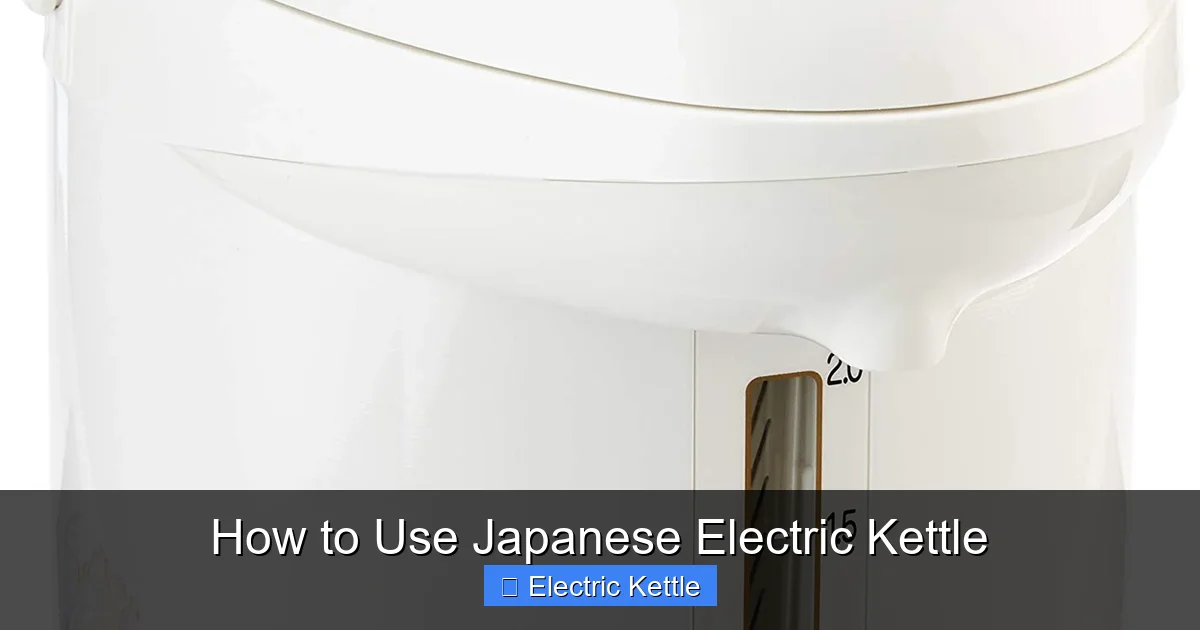
Visual guide about How to Use Japanese Electric Kettle
Image source: m.media-amazon.com
Choosing the right Japanese electric kettle depends on your needs, lifestyle, and tea preferences. With so many models on the market, it’s important to know what to look for. Here are the key factors to consider before making your purchase.
Temperature Settings
The most important feature is temperature control. Look for a kettle that offers at least four preset temperatures—commonly 60°C, 70°C, 80°C, 90°C, and 100°C. Some advanced models even allow you to set custom temperatures in 1-degree increments. This flexibility is crucial if you drink a variety of teas. For example, green teas like sencha and gyokuro brew best between 60°C and 70°C, while black teas and herbal infusions need near-boiling water.
Capacity and Size
Consider how much water you typically use. Most Japanese electric kettles range from 0.6 to 1.2 liters. A 0.8-liter model is ideal for individuals or couples, while larger households might prefer a 1-liter or 1.2-liter version. Keep in mind that larger kettles take up more counter space and may take slightly longer to heat, though the difference is usually minimal.
Material and Build Quality
Stainless steel kettles are durable, easy to clean, and resist odors and stains. Glass kettles offer a modern look and let you see the water as it heats, but they can be more fragile. Plastic models are lightweight and affordable, but make sure they’re BPA-free and food-safe. Avoid kettles with exposed heating elements, as they can affect taste and are harder to clean.
Gooseneck vs. Standard Spout
If you’re into pour-over coffee or matcha, a gooseneck spout is a must. It allows for slow, controlled pouring, which is essential for even extraction. For regular tea or instant coffee, a standard spout works just fine. Some kettles come with interchangeable spouts, giving you the best of both worlds.
Keep-Warm Function
This feature keeps your water at the selected temperature for up to 60 minutes (sometimes longer). It’s incredibly convenient if you’re brewing multiple cups or preparing a tea ceremony. Just remember to turn it off when not in use to save energy.
Safety Features
Look for auto shut-off when the water reaches the target temperature, boil-dry protection (which turns off the kettle if there’s no water), and overheat protection. These features prevent accidents and extend the life of your kettle.
Brand and Warranty
Stick with reputable brands like Zojirushi, Tiger, Fellow, or Bonavita. They offer reliable performance, good customer service, and warranties ranging from 1 to 5 years. Reading user reviews can also give you insight into real-world performance and durability.
Step-by-Step Guide: How to Use a Japanese Electric Kettle
Using a Japanese electric kettle is straightforward, but following the right steps ensures safety, efficiency, and the best-tasting results. Here’s a simple guide to get you started.
1. Unbox and Inspect
When your kettle arrives, remove all packaging and check for any damage. Read the user manual thoroughly—it contains important safety instructions and model-specific details. Most kettles come with a water level indicator, power cord, and sometimes a filter or descaling tool.
2. Rinse Before First Use
Before your first use, rinse the interior with clean water. Fill the kettle about halfway, swirl it around, and pour it out. Repeat once or twice to remove any manufacturing residues. Do not use soap, as it can leave a taste.
3. Fill with Fresh, Cold Water
Always use fresh, cold water from the tap or filtered source. Avoid using hot or previously boiled water, as it can reduce the kettle’s efficiency and affect taste. Fill the kettle between the minimum and maximum water levels marked inside. Overfilling can cause spills; underfilling may trigger the boil-dry protection.
4. Select the Right Temperature
Turn on the kettle and choose your desired temperature using the control panel. Most models have buttons or a dial labeled with temperature settings. For example:
– 60°C (140°F): Ideal for delicate green teas like gyokuro
– 70°C (158°F): Perfect for sencha and white tea
– 80°C (176°F): Great for oolong and lighter black teas
– 90°C (194°F): Suitable for most black teas and pu-erh
– 100°C (212°F): For herbal teas, coffee, or instant drinks
Some kettles also have a “boil” button that heats to 100°C regardless of other settings.
5. Start Heating
Press the start button. The kettle will begin heating, and an indicator light or display will show the progress. Heating time varies by model and water volume, but most kettles take 3 to 6 minutes to reach 100°C. Lower temperatures are reached faster.
6. Wait for the Signal
Once the water reaches the set temperature, the kettle will beep or the light will change color. Some models automatically switch to keep-warm mode. If you’re not ready to use the water immediately, this feature keeps it at the perfect temperature for up to an hour.
7. Pour and Enjoy
Lift the kettle by the handle and pour slowly. If your model has a gooseneck spout, use it for precise pouring—especially helpful for matcha or pour-over coffee. Always place the kettle back on the base after use.
8. Turn Off and Unplug
After use, turn off the kettle and unplug it from the outlet. This saves energy and reduces wear on the electrical components. If your kettle has a keep-warm function, make sure to turn it off when not in use.
Tips for Getting the Best Results
To make the most of your Japanese electric kettle, follow these practical tips for better performance and longer life.
Use Filtered Water
Tap water often contains minerals and chlorine that can affect taste and cause scaling. Using filtered or bottled water improves flavor and reduces buildup inside the kettle. If you live in an area with hard water, this is especially important.
Preheat Your Teapot or Cup
Pour a little hot water into your teapot or cup, swirl it around, and discard it before brewing. This stabilizes the temperature and helps extract the full flavor of your tea. It’s a small step that makes a big difference.
Don’t Overfill
Always stay within the min and max water levels. Overfilling can cause boiling water to spill out, creating a mess and potential burn hazard. Underfilling may trigger the safety shut-off or damage the heating element.
Let It Cool Between Uses
Avoid turning the kettle on immediately after it has just boiled. Let it cool for a minute or two to prevent overheating the internal components. This is especially important if you’re making multiple brews in quick succession.
Use the Right Tea-to-Water Ratio
Even with perfect water temperature, your tea won’t taste great if the ratio is off. A general rule is 1 teaspoon of loose-leaf tea per cup (200–250ml). Adjust to taste, but avoid overpacking the infuser.
Experiment with Timing
Different teas require different steeping times. Green tea usually brews in 1–3 minutes, while black tea can steep for 3–5 minutes. Use a timer to avoid over-extraction, which leads to bitterness.
Store Properly
When not in use, store the kettle in a dry place with the lid open to prevent moisture buildup. Avoid stacking heavy items on top, especially if it’s a glass model.
Cleaning and Maintenance
Regular cleaning keeps your Japanese electric kettle performing well and ensures your water tastes fresh. Here’s how to maintain it properly.
Daily Cleaning
After each use, wipe the exterior with a damp cloth. Rinse the interior with water and let it air dry with the lid open. Never submerge the base or electrical parts in water.
Weekly Rinse
Once a week, fill the kettle with equal parts water and white vinegar. Let it sit for 30 minutes, then boil it. Discard the vinegar solution and rinse thoroughly with clean water. This helps remove light mineral deposits.
Monthly Descaling
If you notice white spots or reduced heating speed, it’s time to descale. Use a commercial descaling solution or a mixture of 1 part vinegar to 2 parts water. Fill the kettle, let it sit for an hour, then boil and discard the solution. Rinse 2–3 times with fresh water to remove any vinegar taste.
Clean the Filter
Many kettles have a mesh filter near the spout to catch sediment. Remove it monthly and rinse under running water. Use a soft brush if needed, but avoid harsh scrubbing.
Check the Lid and Seal
Inspect the lid and rubber seal for mold or residue. Wipe them with a vinegar-soaked cloth and rinse well. A clean seal ensures a tight closure and prevents leaks.
Avoid Harsh Cleaners
Never use abrasive sponges, bleach, or strong chemicals. They can damage the interior coating and affect taste. Stick to vinegar, baking soda, or mild dish soap if necessary.
Troubleshooting Common Issues
Even the best kettles can run into problems. Here’s how to fix common issues with your Japanese electric kettle.
Kettle Won’t Turn On
Check if it’s plugged in and the outlet is working. Make sure the base is properly connected and the kettle is seated correctly. If it still doesn’t work, the thermal fuse may have blown—contact the manufacturer.
Water Takes Too Long to Heat
This could be due to mineral buildup. Descale the kettle. Also, ensure you’re not overfilling it—larger volumes take longer to heat.
Kettle Shuts Off Too Soon
This is usually the boil-dry protection kicking in. Check the water level—you may have underfilled it. Also, make sure the sensor isn’t blocked by scale.
Strange Taste or Odor
This often comes from old water or residue. Rinse the kettle thoroughly and descale if needed. Using filtered water can prevent this issue.
Leaking Water
Check the lid seal and spout for cracks or wear. Ensure the kettle isn’t overfilled. If the base is leaking, stop using it and contact customer support.
Keep-Warm Not Working
Make sure the function is enabled and the water is at the correct temperature. Some models disable keep-warm if the water cools too much.
Conclusion
Using a Japanese electric kettle is more than just a way to boil water—it’s a step toward a more mindful, flavorful tea experience. With precise temperature control, quiet operation, and thoughtful design, these kettles make it easy to brew the perfect cup every time. Whether you’re a tea beginner or a seasoned enthusiast, investing in a quality Japanese electric kettle can transform your daily ritual.
From choosing the right model to mastering temperature settings and maintaining your appliance, this guide has covered everything you need to know. Remember to use fresh, filtered water, clean your kettle regularly, and follow the manufacturer’s instructions for the best results. With a little care, your kettle will serve you well for years.
So go ahead—fill it up, select your temperature, and enjoy the rich, nuanced flavors that only properly heated water can unlock. Your tea—and your taste buds—will thank you.
Frequently Asked Questions
Can I use a Japanese electric kettle for coffee?
Yes, many Japanese electric kettles are perfect for coffee, especially pour-over methods. The gooseneck spout and precise temperature control help achieve even extraction and rich flavor.
How often should I descale my kettle?
Descale your kettle every 1–3 months, depending on water hardness. If you notice slower heating or white deposits, it’s time to clean it.
Is it safe to leave water in the kettle overnight?
It’s best to empty the kettle after use. Stagnant water can develop bacteria or affect taste, especially in warm environments.
Can I boil milk or other liquids in a Japanese electric kettle?
No, these kettles are designed for water only. Boiling milk or sugary liquids can damage the interior and void the warranty.
Do Japanese electric kettles use a lot of electricity?
No, they’re energy efficient. Most use between 1200–1500 watts and heat water faster than stovetop kettles, saving time and power.
What’s the difference between a Japanese kettle and a regular electric kettle?
Japanese kettles offer precise temperature control, quieter operation, and often a gooseneck spout—features not typically found in standard models.