Using an Oster electric kettle is simple, fast, and safe when you follow the right steps. This guide walks you through setup, operation, cleaning, and maintenance to help you get the most out of your appliance.
Key Takeaways
- Read the manual first: Every Oster electric kettle model may have slight differences, so always start by reviewing the user manual for model-specific instructions.
- Fill within the water level markers: Overfilling can cause spills or damage; underfilling may trigger the auto shut-off or damage the heating element.
- Use only cold, clean water: Hot or previously boiled water reduces efficiency and may affect the kettle’s internal components over time.
- Always place on a stable, heat-resistant surface: This prevents accidents and ensures the kettle functions properly during heating.
- Clean regularly to prevent limescale buildup: Hard water areas require monthly descaling with vinegar or a commercial cleaner to maintain performance.
- Never immerse the base in water: Only the kettle itself is water-safe; the power base must stay dry to avoid electrical hazards.
- Unplug after use and allow cooling before cleaning: Safety first—always disconnect power and let the kettle cool to prevent burns or damage.
📑 Table of Contents
Introduction: Why the Oster Electric Kettle Is a Kitchen Essential
If you’re looking for a fast, reliable way to boil water for tea, coffee, instant soups, or even oatmeal, the Oster electric kettle is a fantastic choice. Known for its sleek design, rapid heating, and user-friendly features, this appliance has become a staple in modern kitchens. Whether you’re a busy professional, a student in a dorm room, or someone who just loves a perfectly steeped cup of tea, the Oster electric kettle delivers convenience at the push of a button.
Unlike stovetop kettles, which require constant monitoring and can take longer to heat, electric kettles like the Oster model heat water quickly and automatically shut off when boiling is reached. This not only saves time but also enhances safety by reducing the risk of overheating or boiling dry. Plus, many Oster kettles come with features like cordless design, water level indicators, and stay-cool handles, making them both practical and safe to use.
Unboxing and Initial Setup
Before you start using your Oster electric kettle, it’s important to properly unbox and set it up. This ensures everything is in working order and helps you get familiar with the components.
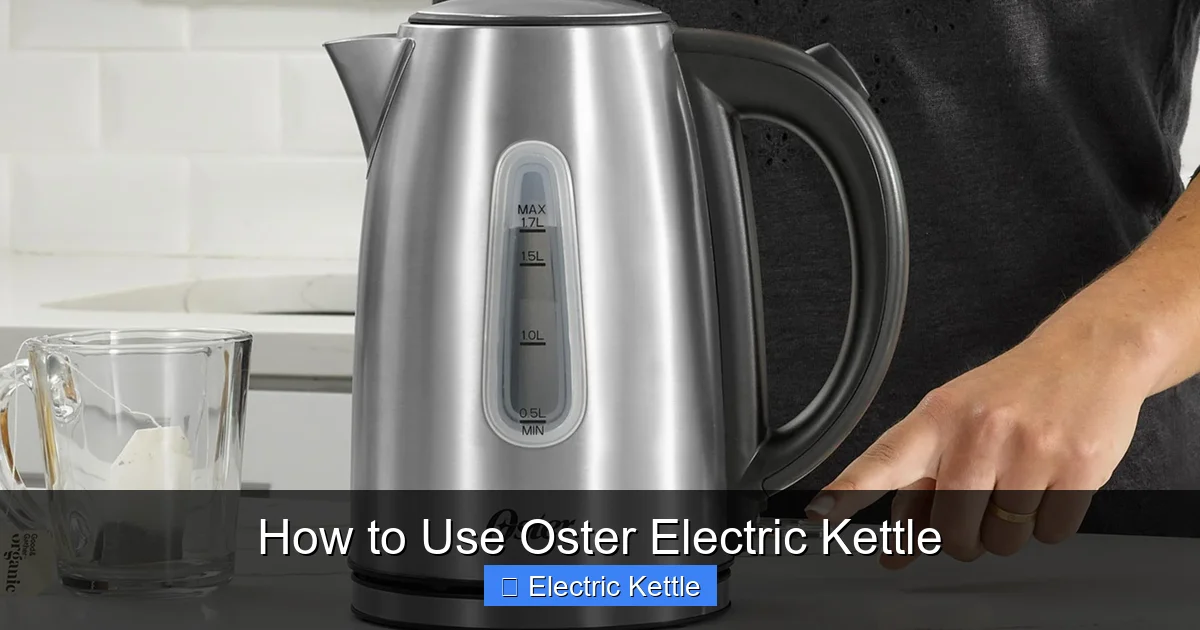
Visual guide about How to Use Oster Electric Kettle
Image source: oster.ca
What’s in the Box?
When you open the box, you should find the following items:
- The Oster electric kettle (with or without a filter, depending on the model)
- Power base with cord
- User manual and warranty card
- Optional: Measuring cup or descaling instructions (varies by model)
Take a moment to inspect each item for any visible damage. If anything looks cracked, dented, or malfunctioning, contact Oster customer service before use.
First-Time Setup Steps
Before your first use, follow these simple steps:
- Wash the kettle: Rinse the interior with warm water and a mild detergent. Do not use abrasive scrubbers. Rinse thoroughly to remove any soap residue.
- Do not immerse the base: Only the kettle itself should be washed. The power base must never be submerged in water or placed in a dishwasher.
- Fill with water and boil once: Add fresh cold water up to the “MAX” line, place the kettle on the base, plug it in, and turn it on. Let it boil once and then discard the water. This removes any manufacturing residues and ensures clean-tasting water for your first cup.
- Check the cord and plug: Make sure the power cord is not frayed and the plug fits securely into a grounded outlet.
Once these steps are complete, your Oster electric kettle is ready for daily use.
How to Use the Oster Electric Kettle: Step-by-Step Guide
Using your Oster electric kettle is incredibly straightforward, but doing it correctly ensures safety, efficiency, and longevity of the appliance.
Step 1: Fill the Kettle with Water
Always use cold, fresh water when filling your kettle. Hot or previously boiled water can reduce the kettle’s efficiency and may cause mineral buildup faster. Open the lid by pressing the button or lifting the handle, depending on your model.
Look for the water level indicators inside the kettle—usually marked as “MIN” and “MAX.” Never fill below the “MIN” line, as this can cause the heating element to overheat and trigger the auto shut-off. Similarly, avoid overfilling past the “MAX” line to prevent boiling water from spilling out, which could damage the base or cause burns.
For example, if you’re making one cup of tea, fill just above the “MIN” line. For a family of four, fill up to the “MAX” line. This ensures optimal performance and safety.
Step 2: Place the Kettle on the Base
After filling, securely place the kettle back onto the power base. Make sure it’s centered and fully seated. The kettle should sit flat and make proper contact with the heating element. Most Oster models have a 360-degree swivel base, allowing you to pick up the kettle from any angle—perfect for left- or right-handed users.
Never operate the kettle without it being properly seated on the base. Doing so can prevent the heating mechanism from engaging or cause electrical issues.
Step 3: Plug In and Turn On
Plug the power cord into a grounded electrical outlet. Avoid using extension cords if possible, as they can reduce power and pose a tripping hazard. Once plugged in, press the power button—usually located on the handle or base. A light will typically illuminate to indicate the kettle is heating.
Most Oster electric kettles heat water in 3 to 5 minutes, depending on the volume. You’ll hear a gentle bubbling sound as the water approaches boiling. The kettle will automatically shut off once the water reaches boiling point (around 212°F or 100°C), and the light will turn off.
Step 4: Pour and Enjoy
Once the kettle shuts off, it’s ready to pour. Lift the kettle by the handle—most Oster models have ergonomic, stay-cool handles for safe handling. Pour slowly to avoid splashing, especially if you’ve filled it close to the “MAX” line.
Use the boiled water immediately for best results. Whether you’re steeping green tea, brewing French press coffee, or preparing instant noodles, hot water from your Oster kettle delivers consistent temperature and flavor.
Step 5: Unplug and Cool Down
After use, unplug the kettle from the outlet. Allow it to cool completely before cleaning or storing. Never attempt to clean or move the kettle while it’s still hot, as this can cause burns or damage the interior.
Even though the kettle auto shuts off, it’s a good habit to unplug it after each use. This conserves energy and reduces the risk of electrical issues over time.
Safety Tips and Best Practices
While the Oster electric kettle is designed with safety in mind, following a few best practices can prevent accidents and extend the life of your appliance.
Never Operate an Empty Kettle
Running your kettle without water can damage the heating element and may cause a fire hazard. The auto shut-off feature is designed to prevent this, but it’s still best to always check the water level before turning it on.
Keep the Base Dry
The power base contains electrical components and must never come into contact with water. Wipe it clean with a dry or slightly damp cloth only. If water spills onto the base, unplug immediately and let it dry completely before reuse.
Avoid Overfilling
Overfilling can cause boiling water to spill out, potentially damaging the base or causing burns. It can also lead to mineral deposits around the rim, which are harder to clean. Stick to the “MAX” line for safe operation.
Use on a Stable, Heat-Resistant Surface
Always place your kettle on a flat, heat-resistant surface like a countertop or table. Avoid placing it on fabric, paper, or near flammable materials. A stable surface prevents tipping and ensures proper contact with the heating base.
Supervise During Use
Although the kettle auto shuts off, it’s wise to stay nearby while it’s heating—especially if you have children or pets. This allows you to respond quickly if something unexpected happens.
Store Properly
When not in use, store the kettle in a dry, cool place. Keep the cord wrapped neatly around the base to prevent tangling. Avoid stacking heavy items on top of the kettle, as this can damage the lid or handle.
Cleaning and Maintenance
Regular cleaning keeps your Oster electric kettle performing at its best and ensures your water tastes fresh every time.
Daily Cleaning
After each use, rinse the interior with clean water. Wipe the exterior with a soft, damp cloth. Avoid using harsh chemicals or abrasive sponges, as they can scratch the surface or leave residues.
Monthly Descaling
If you live in an area with hard water, mineral buildup (limescale) can accumulate inside the kettle. This affects heating efficiency and can alter the taste of your water. To descale:
- Fill the kettle halfway with equal parts white vinegar and water.
- Let it sit for 30 minutes to 1 hour.
- Boil the solution, then let it cool.
- Pour out the vinegar mix and rinse thoroughly with clean water.
- Boil fresh water once or twice to remove any vinegar taste.
Alternatively, use a commercial descaling solution following the manufacturer’s instructions. Descaling once a month is recommended for hard water areas; every 2–3 months is sufficient for soft water.
Cleaning the Filter
Some Oster models include a removable mesh filter near the spout to catch impurities. If your kettle has one, remove it after each use and rinse under running water. Use a soft brush to gently clean any trapped particles. Reinsert the filter before the next use.
Deep Cleaning the Exterior
For stainless steel models, use a stainless steel cleaner or a paste of baking soda and water to remove fingerprints and smudges. Wipe with a soft cloth in the direction of the grain to avoid scratches.
Troubleshooting Common Issues
Even the best appliances can run into occasional problems. Here’s how to troubleshoot common issues with your Oster electric kettle.
Kettle Won’t Turn On
If the kettle doesn’t heat, check the following:
- Is it properly seated on the base?
- Is the power cord plugged in securely?
- Is the outlet working? Try plugging in another device.
- Is there water in the kettle? The auto shut-off may prevent operation if the water level is too low.
If none of these resolve the issue, the thermal fuse or heating element may be faulty. Contact Oster support for repair or replacement.
Water Tastes Metallic or Strange
This is often due to mineral buildup or residue from manufacturing. Run a vinegar descaling cycle and boil fresh water 2–3 times to flush out any lingering taste.
Kettle Leaks
Leaks usually occur from overfilling or a damaged seal. Check the lid and spout for cracks. Ensure you’re not filling past the “MAX” line. If the problem persists, the kettle may need replacement.
Auto Shut-Off Not Working
If the kettle doesn’t turn off when boiling, unplug it immediately. This could indicate a malfunction in the thermostat. Do not continue using it. Contact Oster customer service for assistance.
Slow Heating
Mineral buildup is the most common cause. Descale the kettle and test again. Also, ensure you’re using cold water—starting with hot water reduces efficiency.
Conclusion: Get the Most Out of Your Oster Electric Kettle
The Oster electric kettle is a reliable, efficient, and safe appliance that simplifies your daily routine. By following the steps outlined in this guide—from proper setup and filling to cleaning and troubleshooting—you can enjoy fast, hot water for years to come. Whether you’re brewing your morning coffee, preparing a quick lunch, or making a soothing cup of herbal tea, your Oster kettle is designed to deliver consistent performance with minimal effort.
Remember, a little care goes a long way. Regular cleaning, safe handling, and mindful usage not only protect your appliance but also ensure every cup tastes fresh and pure. With the right habits, your Oster electric kettle will remain a trusted kitchen companion for many mornings, afternoons, and evenings ahead.
Frequently Asked Questions
Can I boil milk or other liquids in my Oster electric kettle?
No, the Oster electric kettle is designed for water only. Boiling milk, coffee, or sugary liquids can cause buildup, damage the heating element, and void the warranty. Always use clean, cold water.
How often should I descale my Oster kettle?
Descale once a month if you have hard water, or every 2–3 months with soft water. Regular descaling prevents limescale buildup and maintains heating efficiency.
Is it safe to leave water in the kettle overnight?
It’s best to empty the kettle after each use. Stagnant water can promote bacterial growth and mineral deposits. For safety and taste, always use fresh water.
Can I use my Oster kettle while traveling internationally?
Check the voltage rating on your model. Most Oster kettles are designed for 120V (North America). Using them in countries with 220–240V outlets may require a voltage converter to avoid damage.
Why does my kettle make a clicking noise?
A gentle clicking or popping sound is normal during heating—it’s the thermostat adjusting. However, loud or continuous noises may indicate a problem. Unplug and inspect for issues.
What should I do if my kettle stops working suddenly?
First, check the power source and water level. If those are fine, the thermal fuse or heating element may be faulty. Contact Oster customer support for repair or replacement options.