Using an Ovente electric kettle is simple, fast, and safe when you follow the right steps. This guide covers everything from setup to maintenance, ensuring you get the most out of your appliance. Whether you’re brewing tea, making instant coffee, or preparing baby formula, mastering your Ovente kettle enhances convenience and safety.
Key Takeaways
- Read the manual first: Always start by reviewing the user manual to understand model-specific features and safety guidelines.
- Fill within the water level indicators: Never overfill or underfill—this prevents damage and ensures efficient heating.
- Use only on a flat, heat-resistant surface: Stability and safety are crucial to avoid spills or accidents during operation.
- Clean regularly with vinegar solution: Descaling every 2–4 weeks maintains performance and extends the kettle’s lifespan.
- Never operate empty: Running the kettle without water can damage the heating element and pose a fire risk.
- Unplug after use: For safety and energy efficiency, always disconnect the kettle when not in use.
- Handle with care when hot: Use the handle and avoid touching the body or lid to prevent burns.
📑 Table of Contents
Introduction to the Ovente Electric Kettle
If you’ve recently purchased an Ovente electric kettle or are considering one, you’re in for a treat. Known for their sleek design, rapid boiling, and user-friendly features, Ovente electric kettles have become a favorite in modern kitchens. Whether you’re a tea enthusiast, a coffee lover, or someone who just wants hot water fast, this appliance can make your daily routine quicker and more convenient.
But like any kitchen gadget, getting the best results means using it correctly. While Ovente kettles are designed to be intuitive, there are still important steps and safety tips to follow. From the first-time setup to regular cleaning and troubleshooting, knowing how to use your Ovente electric kettle properly ensures not only great-tasting beverages but also long-term durability and safety.
In this comprehensive guide, we’ll walk you through every step—from unboxing to daily use and maintenance. You’ll learn how to operate your kettle safely, avoid common mistakes, and keep it in top condition for years. Whether you have the Ovente KG83B, KG83W, or another model, the core principles remain the same. Let’s dive in and make the most of your electric kettle.
Unboxing and First-Time Setup
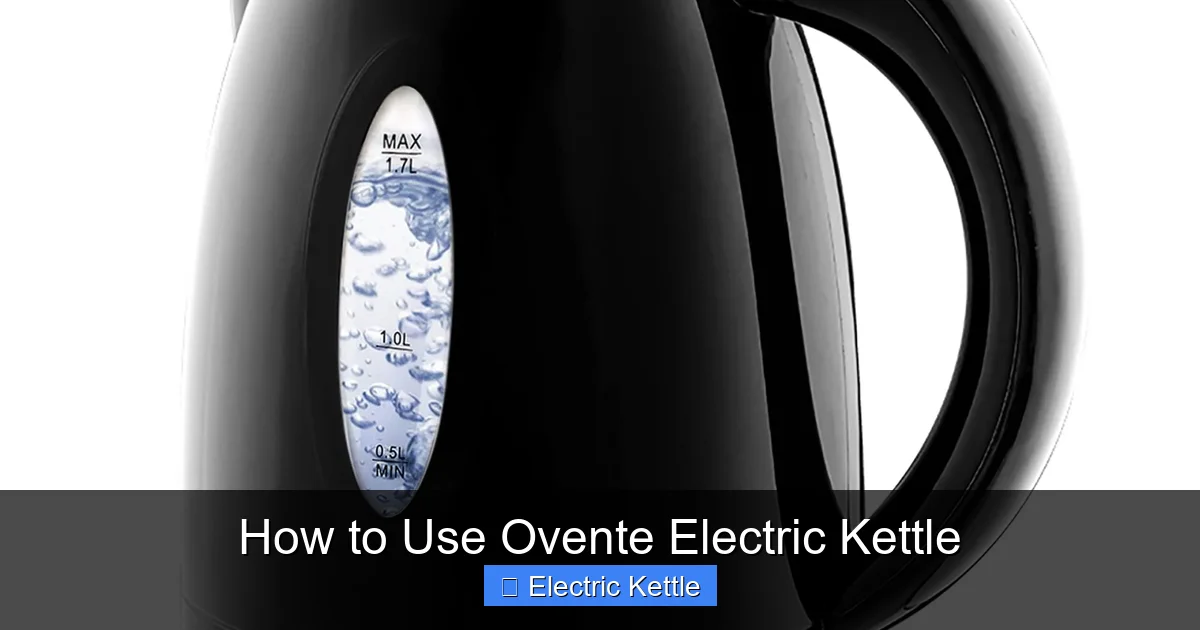
Visual guide about How to Use Ovente Electric Kettle
Image source: m.media-amazon.com
What’s in the Box?
When you first open your Ovente electric kettle package, you should find several key components. Typically, the box includes the electric kettle itself, a detachable power base, a user manual, and sometimes a warranty card. Some models may also come with a water filter or cleaning brush, depending on the version.
Take a moment to inspect each item. Make sure the kettle body is free of cracks or dents, and check that the power cord is intact. The detachable base should rotate smoothly and have a secure connection point. If anything appears damaged, contact the seller or Ovente customer support immediately.
Initial Cleaning Before First Use
Before you plug in and boil water for the first time, it’s essential to clean the interior. Even though the kettle is new, manufacturing residues or dust may be present. Here’s how to do it safely:
Fill the kettle with clean water up to the maximum level mark. Add one tablespoon of white vinegar or a few drops of lemon juice. Let it sit for 15–20 minutes. This helps dissolve any lingering residues. Then, boil the water once, let it cool, and discard it. Rinse the kettle thoroughly with fresh water two to three times to remove any vinegar taste.
This simple step ensures your first cup of tea or coffee tastes pure and fresh—not like plastic or chemicals.
Placing the Kettle on the Base
Once cleaned, place the kettle on the detachable power base. Make sure the base is on a flat, stable, and heat-resistant surface—like a countertop or table. Avoid placing it near edges, stovetops, or flammable materials.
Align the kettle so the handle is positioned for easy access. The base has a 360-degree swivel feature, so you can rotate the kettle without twisting the cord. This is especially helpful when pouring. Ensure the kettle sits securely and clicks into place. A loose connection can interrupt power and prevent heating.
How to Use Ovente Electric Kettle: Step-by-Step Guide
Step 1: Fill with the Right Amount of Water
The first and most important step in using your Ovente electric kettle is filling it correctly. Every model has minimum and maximum water level indicators inside the kettle—usually marked as “MIN” and “MAX.” These are there for a reason.
Never fill below the “MIN” line. Doing so can cause the heating element to overheat and potentially damage the kettle. On the other hand, avoid overfilling past the “MAX” line. Boiling water can expand and spill over, which may lead to burns or electrical hazards.
For most Ovente models, the minimum is around 0.5 liters and the maximum is 1.7 liters. A good rule of thumb: fill just enough for your immediate needs. If you’re making one cup of tea, 250–300ml is plenty. For a family breakfast, you might fill it halfway.
Use cold, filtered water when possible. It tastes better and reduces mineral buildup inside the kettle.
Step 2: Secure the Lid and Place on Base
After filling, close the lid firmly. Most Ovente kettles have a push-button or flip-top lid that locks into place. Make sure it’s fully closed—this prevents steam from escaping prematurely and ensures efficient boiling.
Place the kettle back onto the power base. You should hear a soft click or feel it seat properly. The base has electrical contacts that must align with the kettle’s bottom for power to flow. If the kettle doesn’t heat, double-check that it’s seated correctly.
Never operate the kettle without the lid closed. Open-lid boiling can cause steam burns and may trigger safety shut-offs.
Step 3: Plug In and Turn On
Plug the power cord into a grounded electrical outlet. Avoid using extension cords or power strips if possible, as they can overheat with high-wattage appliances. Ovente kettles typically use 1500 watts, so a direct outlet is safest.
Once plugged in, press the power button. On most models, this is a large, clearly marked button on the handle. When pressed, a light (usually red or blue) will illuminate, indicating the kettle is heating.
The heating process usually takes 3 to 5 minutes, depending on the water volume and starting temperature. You’ll hear a gentle bubbling sound as the water approaches boiling. Once it reaches the boiling point (around 212°F or 100°C), the kettle will automatically shut off with a soft click.
Step 4: Pour Safely and Enjoy
When the kettle turns off, wait about 10–15 seconds before opening the lid. This allows steam pressure to release and reduces the risk of burns.
Hold the kettle by the handle—never touch the body, which will be extremely hot. Pour slowly and steadily into your cup, teapot, or instant coffee mug. If your model has a gooseneck spout (like some pour-over models), use it for precise pouring.
Be cautious of steam, especially if you’re making tea or instant noodles. Keep your face and hands away from the spout.
After pouring, you can leave the kettle on the base or remove it. If you’re not using it again soon, unplug the base for safety.
Step 5: Unplug and Store Properly
Once you’re done, unplug the power cord from the outlet. Let the kettle cool completely before cleaning or storing. Never immerse the base or cord in water.
If you plan to use the kettle again within a few hours, you can leave it on the base—just make sure it’s unplugged. For longer storage, wipe the exterior with a damp cloth and store in a dry place.
Safety Tips and Best Practices
Never Operate the Kettle Empty
This cannot be stressed enough: never turn on your Ovente electric kettle without water inside. The heating element is designed to work only when submerged. Running it dry can cause immediate damage, warp the interior, or even start a fire.
If you accidentally press the button with no water, unplug the kettle immediately and let it cool. Check for any signs of damage before using it again.
Use Only on Stable, Heat-Resistant Surfaces
Always place your kettle on a flat, level surface that can withstand heat. Avoid wooden tables, plastic trays, or cloth-covered counters. A sudden boil-over could damage surfaces or cause burns.
Keep the kettle away from edges where it could be knocked over. Also, ensure there’s at least 6 inches of clearance on all sides for ventilation.
Keep Hands and Face Away from Steam
Steam is invisible and extremely hot. When the kettle boils, steam escapes from the spout and under the lid. Never lean over the kettle while it’s heating or right after it turns off.
If you need to open the lid, do so slowly and stand to the side. Use a towel or oven mitt if necessary.
Don’t Immerse the Base or Cord in Water
The power base and cord are not waterproof. Never submerge them, rinse them, or let water pool around the connection point. Wipe the base with a dry or slightly damp cloth only.
If water does get into the base, unplug it immediately and let it dry completely for at least 24 hours before use.
Supervise Children and Pets
Electric kettles get very hot and can cause serious burns. Keep them out of reach of children and pets. If you have curious kids, consider using a kettle with a lockable lid or storing it in a high cabinet when not in use.
Teach older children how to use it safely—only under adult supervision.
Cleaning and Maintenance
Daily Cleaning Routine
After each use, rinse the interior with clean water. Wipe the exterior with a soft, damp cloth. Avoid abrasive sponges or harsh cleaners that can scratch the surface.
If there’s any residue or film, a quick rinse with vinegar water (1 part vinegar to 2 parts water) can help. Let it sit for 10 minutes, then rinse thoroughly.
Descaling for Long-Term Performance
Over time, minerals from hard water build up inside the kettle, forming limescale. This reduces heating efficiency, affects taste, and can shorten the kettle’s life.
To descale your Ovente kettle:
1. Fill the kettle halfway with equal parts white vinegar and water.
2. Let it sit for 1–2 hours (or overnight for heavy buildup).
3. Boil the solution, then let it cool.
4. Discard the liquid and rinse thoroughly 3–4 times.
5. Run one cycle with fresh water to remove any vinegar taste.
Do this every 2–4 weeks, depending on your water hardness. If you live in an area with very hard water, consider using a water filter.
Cleaning the Exterior and Base
Wipe the outside of the kettle with a soft cloth and mild soap if needed. For stainless steel models, use a stainless steel cleaner to maintain shine.
The power base should be wiped with a dry cloth. Never use liquid cleaners or submerge it.
Checking the Filter and Spout
Many Ovente kettles have a mesh filter at the spout to catch sediment. Remove it periodically (if detachable) and rinse under running water. Use a soft brush to clear any buildup.
If the filter is clogged, water flow will slow down, and boiling may take longer.
Troubleshooting Common Issues
Kettle Won’t Turn On
If your Ovente kettle doesn’t heat, check these common causes:
– Is it plugged in? Ensure the cord is securely connected to the outlet.
– Is the kettle seated properly on the base? Try removing and reattaching it.
– Is there water inside? The kettle won’t operate if the water level is below “MIN.”
– Is the outlet working? Test with another appliance.
If none of these work, the thermal fuse or heating element may be faulty. Contact Ovente support.
Water Tastes Metallic or Plastic
This usually happens during the first few uses. It’s normal for new kettles to have a slight odor or taste. Run 2–3 cycles with vinegar water and rinse thoroughly.
If the taste persists, check if you’re using unfiltered tap water with high mineral content. Switch to filtered or bottled water.
Kettle Turns Off Too Soon
If the kettle shuts off before boiling, it could be due to:
– Low water level (below “MIN”)
– Mineral buildup on the heating element
– A faulty thermostat
Descale the kettle and ensure proper water levels. If the problem continues, seek professional repair.
Leaking from the Spout or Base
Leaks are rare but can happen. Check if the lid is closed properly or if the spout is cracked. If water leaks from the base, stop using it immediately—this could indicate internal damage.
Never continue using a leaking kettle, as it poses an electrical hazard.
Conclusion
Using an Ovente electric kettle is a simple yet powerful way to speed up your daily hot water needs. With its fast boiling, automatic shut-off, and sleek design, it’s a reliable addition to any kitchen. But like any appliance, it performs best when used correctly and maintained regularly.
From the first unboxing to daily cleaning and troubleshooting, this guide has covered everything you need to know. Remember to fill it properly, never run it empty, clean it often, and always prioritize safety. Whether you’re brewing a morning cup of Earl Grey, preparing instant oatmeal, or sterilizing baby bottles, your Ovente kettle can handle it all—efficiently and safely.
By following these steps, you’ll not only enjoy better-tasting beverages but also extend the life of your kettle. So go ahead, plug it in, and enjoy the convenience of perfectly boiled water at the touch of a button.
Frequently Asked Questions
Can I boil milk or other liquids in my Ovente electric kettle?
No, Ovente electric kettles are designed for water only. Boiling milk, soup, or sugary liquids can damage the interior, cause burning, and void the warranty. Stick to water for safe and efficient use.
How long does it take for an Ovente kettle to boil water?
Most Ovente kettles boil 1 liter of water in 3 to 5 minutes, depending on the model and starting water temperature. Smaller amounts boil faster.
Is it safe to leave the kettle plugged in when not in use?
It’s safe to leave it plugged in if the base is unplugged or the kettle is off. However, for safety and energy savings, unplug it when not in use for extended periods.
Can I use my Ovente kettle with a voltage converter?
Ovente kettles are typically designed for 120V (US) or 220–240V (EU/UK). Check your model’s label. Using the wrong voltage can damage the kettle—always use a compatible converter if traveling.
Why does my kettle make a clicking noise?
The clicking sound is normal—it’s the automatic shut-off mechanism activating when water reaches boiling point. It’s a safety feature, not a defect.
How often should I descale my Ovente kettle?
Descale every 2–4 weeks if you use it daily, or more often in areas with hard water. Regular descaling prevents buildup and maintains performance.