Cleaning your electric kettle with vinegar is a safe, eco-friendly, and highly effective way to remove limescale, mineral buildup, and lingering odors. This simple method uses common household ingredients and takes just minutes, helping extend your kettle’s life and improve the taste of your water.
Key Takeaways
- Vinegar dissolves limescale naturally: The acetic acid in vinegar breaks down mineral deposits like calcium and magnesium, making it ideal for cleaning electric kettles.
- It’s safe for most kettles: White distilled vinegar is non-toxic and gentle enough for stainless steel, glass, and plastic electric kettles when used correctly.
- Improves water taste and kettle performance: Regular cleaning removes buildup that can affect boiling speed and leave a metallic or stale taste in your water.
- Easy and affordable method: You only need vinegar, water, and a soft cloth—no expensive cleaners or harsh chemicals required.
- Frequency matters: Clean your kettle every 2–4 weeks, or more often if you live in a hard water area, to prevent heavy buildup.
- Always rinse thoroughly: After cleaning, rinse the kettle multiple times and boil fresh water once to eliminate any vinegar smell or taste.
- Combine with baking soda for tough stains: For stubborn residue, a paste of baking soda and vinegar can provide extra scrubbing power without scratching surfaces.
📑 Table of Contents
- Why Cleaning Your Electric Kettle Matters
- Why Vinegar Is the Best Cleaner for Electric Kettles
- Step-by-Step Guide: How to Clean Your Electric Kettle with Vinegar
- Tips for Tough Stains and Stubborn Buildup
- How Often Should You Clean Your Electric Kettle?
- Safety Tips and What to Avoid
- Alternative Natural Cleaning Methods
- Conclusion: A Clean Kettle Means Better-Tasting Water
Why Cleaning Your Electric Kettle Matters
You probably use your electric kettle daily—maybe even multiple times a day. Whether it’s for your morning coffee, afternoon tea, or instant noodles, this small appliance plays a big role in your routine. But have you ever stopped to think about what’s building up inside it?
Over time, minerals from tap water—especially in areas with hard water—accumulate on the heating element and interior surfaces. This white, chalky residue is called limescale, and it’s more than just unsightly. It can slow down heating, reduce efficiency, and even affect the taste of your beverages. In severe cases, heavy buildup can damage the kettle’s internal components, shortening its lifespan. Plus, stale water and lingering odors can make your tea taste off, no matter how high-quality the leaves are.
That’s why regular cleaning isn’t just a nice-to-have—it’s essential. And the best part? You don’t need fancy cleaners or tools. One of the most effective, affordable, and eco-friendly solutions is already in your pantry: vinegar. Yes, that same white distilled vinegar you use for salad dressings and pickling can work wonders on your electric kettle. It’s safe, natural, and incredibly efficient at breaking down mineral deposits without harsh chemicals.
Why Vinegar Is the Best Cleaner for Electric Kettles
Vinegar has been a household cleaning staple for generations, and for good reason. Its secret weapon is acetic acid—a mild acid that reacts with alkaline minerals like calcium and magnesium, the main culprits behind limescale. When vinegar comes into contact with these deposits, it dissolves them into harmless byproducts that can be easily rinsed away.
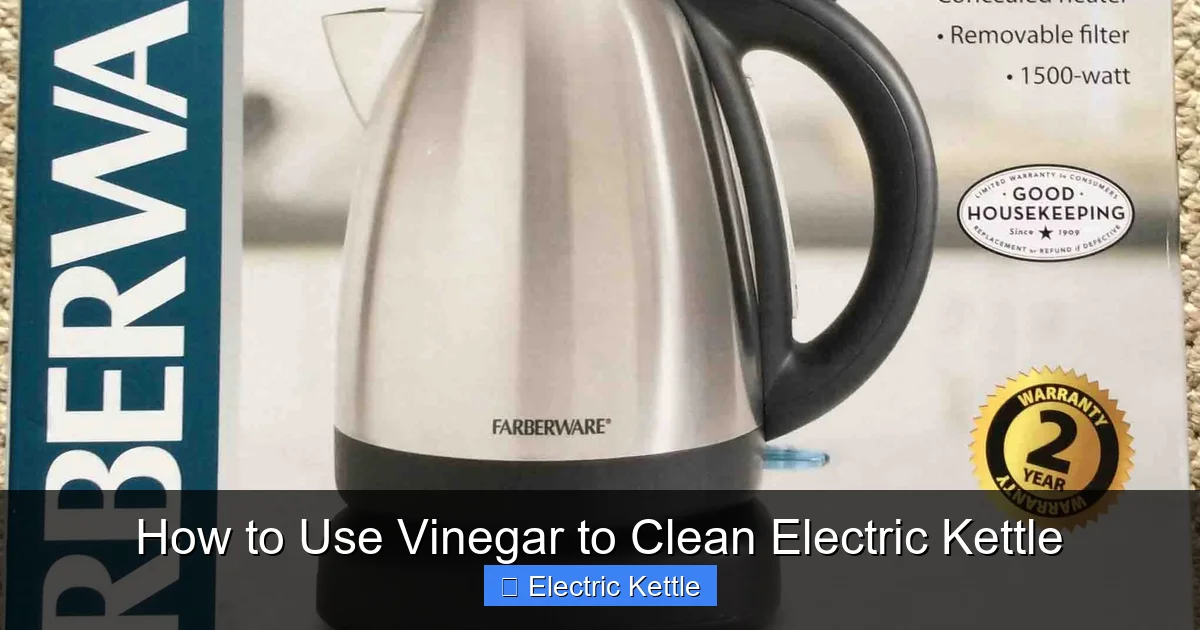
Visual guide about How to Use Vinegar to Clean Electric Kettle
Image source: tomstek.us
Unlike commercial descaling solutions, which can contain strong chemicals and leave behind residues, vinegar is food-safe and non-toxic. This makes it ideal for appliances that come into direct contact with water you’ll eventually drink. It’s also gentle on most kettle materials, including stainless steel, glass, and BPA-free plastic. Just avoid using it on kettles with delicate coatings or non-stick interiors unless specified by the manufacturer.
Another advantage? Vinegar is cheap and widely available. A bottle costs just a few dollars and can be used for countless cleaning tasks around the home. Plus, it’s biodegradable and doesn’t contribute to environmental pollution like some synthetic cleaners. For those looking to reduce their chemical footprint, vinegar is a smart, sustainable choice.
How Vinegar Reacts with Limescale
To understand why vinegar works so well, it helps to know a bit about the science behind it. Limescale forms when hard water—water high in dissolved minerals—is heated. As the water evaporates, calcium carbonate and magnesium carbonate precipitate out, leaving behind a hard, crusty layer.
When you add vinegar (which is about 5% acetic acid), the acid reacts with these carbonate compounds in a process called neutralization. The reaction produces carbon dioxide gas (which you might see as fizzing), water, and soluble salts. These salts dissolve easily and can be rinsed away, leaving the interior of your kettle clean and scale-free.
This reaction happens quickly, especially when the vinegar solution is heated. That’s why the most effective method involves boiling the vinegar mixture—it speeds up the chemical process and ensures even coverage across all surfaces, including the hard-to-reach heating element.
Step-by-Step Guide: How to Clean Your Electric Kettle with Vinegar
Now that you know why vinegar is so effective, let’s walk through the simple process of cleaning your electric kettle. This method works for most standard electric kettles and takes less than 30 minutes from start to finish.
What You’ll Need
- White distilled vinegar (not apple cider or flavored vinegar)
- Water
- A soft sponge or cloth (non-abrasive)
- A toothbrush (optional, for tight spots)
- A clean towel
Step 1: Prepare the Vinegar Solution
Start by mixing equal parts white vinegar and water. For most kettles, a 1:1 ratio works perfectly. For example, if your kettle holds 1 liter, use 500ml of vinegar and 500ml of water. If your kettle is heavily scaled, you can increase the vinegar concentration to 75% vinegar and 25% water, but avoid using pure vinegar unless absolutely necessary—it can be too harsh on some materials.
Pour the mixture into the kettle, making sure it covers the heating element and any visible scale buildup. If your kettle has a water level indicator, fill it to just below the maximum line to prevent overflow when boiling.
Step 2: Boil the Solution
Plug in your kettle and turn it on. Let the vinegar solution come to a full boil. You’ll likely notice some fizzing and bubbling—this is normal and indicates the vinegar is reacting with the limescale. The boiling process helps loosen and dissolve the mineral deposits more effectively than soaking alone.
Once the kettle has boiled, turn it off and unplug it immediately. Let the solution sit inside the kettle for at least 30 minutes. For heavy buildup, you can leave it overnight, but 30–60 minutes is usually sufficient for regular maintenance.
Step 3: Scrub and Rinse
After the solution has cooled slightly, pour it out. Use a soft sponge or cloth to gently wipe the interior surfaces. For stubborn spots around the spout or heating element, a soft-bristled toothbrush can help dislodge residue without scratching.
Once you’ve scrubbed, rinse the kettle thoroughly with clean water—at least three times. Any leftover vinegar can leave a sour taste or smell in your next cup of tea, so don’t skip this step. Fill the kettle, swish the water around, and pour it out. Repeat until the vinegar odor is completely gone.
Step 4: Boil Fresh Water
To ensure all traces of vinegar are removed, fill the kettle with fresh water and boil it once more. Discard this water—don’t drink it. This final rinse helps neutralize any remaining acid and leaves your kettle smelling and tasting clean.
Wipe the exterior with a damp cloth and dry it with a towel. Your kettle is now ready to use!
Tips for Tough Stains and Stubborn Buildup
Even with regular cleaning, some kettles develop particularly stubborn limescale or discoloration. If the standard vinegar method doesn’t fully resolve the issue, don’t worry—there are a few enhancements you can try.
Use Baking Soda for Extra Power
For really tough stains, combine vinegar with baking soda. Start by boiling a vinegar solution as usual. After pouring it out, sprinkle a tablespoon of baking soda inside the kettle and add a small amount of water to form a paste. Use a soft sponge or toothbrush to gently scrub the affected areas. The baking soda acts as a mild abrasive, helping to lift off stubborn deposits without damaging the surface.
Rinse thoroughly afterward and boil fresh water to remove any residue. This combination is especially effective for kettles with heavy white crusting or brownish stains caused by mineral oxidation.
Try Lemon Juice for a Fresh Scent
If you’re sensitive to the smell of vinegar, lemon juice is a great alternative. It contains citric acid, which also breaks down limescale effectively. Use the same method: mix equal parts lemon juice and water, boil, let sit, scrub, and rinse. Lemon leaves a pleasant, fresh scent and can even help remove light discoloration.
For best results, use freshly squeezed lemon juice rather than bottled versions, which may contain preservatives that reduce effectiveness.
Prevent Future Buildup with Filtered Water
One of the best ways to reduce limescale is to use filtered or softened water in your kettle. Hard water is the primary cause of mineral buildup, so switching to filtered water can significantly extend the time between cleanings. If you don’t have a water filter, consider using bottled distilled water for your kettle—especially if you live in a region with very hard water.
Also, avoid overfilling your kettle. Leaving water sitting in the kettle for long periods increases the chance of mineral deposition. Always empty the kettle after use and let it air dry with the lid open.
How Often Should You Clean Your Electric Kettle?
The frequency of cleaning depends on several factors, including your water hardness, how often you use the kettle, and whether you use filtered water. As a general rule, aim to clean your kettle every 2 to 4 weeks.
If you live in an area with hard water—common in regions with limestone-rich soil—you may need to clean it weekly. Signs that it’s time to clean include:
- Visible white or gray crust inside the kettle
- Slower boiling times
- A metallic or stale taste in your water or tea
- Odd smells when boiling water
- Reduced water flow from the spout
Even if you don’t see obvious buildup, a monthly vinegar clean is a good preventive measure. It keeps your kettle running efficiently and ensures your beverages taste their best.
For kettles used less frequently—like those in guest rooms or vacation homes—clean them before and after each use to prevent stagnant water and bacterial growth.
Safety Tips and What to Avoid
While vinegar is safe and effective, there are a few precautions to keep in mind to protect both your kettle and yourself.
Avoid Using Vinegar on Certain Materials
Not all kettles are created equal. Some models have special coatings, non-stick interiors, or decorative finishes that can be damaged by acidic cleaners. Always check your user manual before using vinegar. If the manufacturer advises against acidic cleaners, opt for a gentler method, such as boiling water with a slice of lemon or using a commercial descaler designed for your kettle type.
Avoid using vinegar on kettles with rubber seals or silicone components if left to soak for extended periods, as the acid can degrade these materials over time.
Never Mix Vinegar with Other Cleaners
Vinegar should never be mixed with bleach, ammonia, or hydrogen peroxide. These combinations can produce toxic gases that are dangerous to inhale. Stick to vinegar and water, or vinegar and baking soda, for safe and effective cleaning.
Unplug Before Cleaning
Always unplug your kettle before adding any cleaning solution. Even if the kettle is off, there’s a risk of electrical shock if water or vinegar comes into contact with the power base. Safety first!
Don’t Use Metal Scrubbers
Avoid using steel wool or abrasive scrubbers, as they can scratch the interior surface and create grooves where bacteria and scale can accumulate. Stick to soft sponges, cloths, or silicone brushes.
Alternative Natural Cleaning Methods
While vinegar is the most popular natural cleaner, it’s not the only option. If you prefer to avoid vinegar altogether, here are a few alternatives:
Lemon Juice
As mentioned earlier, lemon juice is a great vinegar substitute. It’s slightly less acidic but still effective at breaking down limescale. Use the same method: boil a 1:1 mixture of lemon juice and water, let it sit, scrub, and rinse thoroughly.
Citric Acid
Citric acid powder, often sold in canning sections or online, is another powerful descaling agent. Dissolve 1–2 tablespoons in water, boil, and follow the same steps as with vinegar. It’s odorless and leaves no aftertaste, making it a favorite among tea enthusiasts.
Commercial Descalers
If natural methods aren’t cutting it, consider a commercial descaling solution. Look for food-safe, biodegradable options free from phosphates and chlorine. Follow the instructions carefully, as some require longer soaking times or multiple rinses.
Whichever method you choose, the key is consistency. Regular cleaning prevents buildup from becoming a major problem and keeps your kettle in top condition.
Conclusion: A Clean Kettle Means Better-Tasting Water
Cleaning your electric kettle with vinegar is one of the simplest yet most impactful habits you can adopt for better-tasting beverages and longer appliance life. It’s fast, affordable, and safe—perfect for busy households and eco-conscious consumers alike.
By removing limescale and odors, you’re not just maintaining your kettle—you’re enhancing your daily rituals. Whether it’s a perfectly brewed cup of Earl Grey or a quick mug of hot chocolate, clean water makes all the difference. And with just a few minutes of effort every few weeks, you can ensure your kettle performs at its best for years to come.
So the next time you notice that chalky film or smell something off when you boil water, don’t ignore it. Grab a bottle of vinegar, follow the steps above, and give your kettle the refresh it deserves. Your taste buds—and your kettle—will thank you.
Frequently Asked Questions
Can I use apple cider vinegar to clean my electric kettle?
It’s not recommended. Apple cider vinegar is less acidic and contains additional compounds that can leave behind residue or odors. Stick to white distilled vinegar for the best results.
How long should I let the vinegar solution sit in the kettle?
Let it sit for at least 30 minutes after boiling. For heavy limescale, you can leave it overnight, but 30–60 minutes is usually sufficient for regular cleaning.
Will vinegar damage my stainless steel kettle?
No, white vinegar is safe for stainless steel when used properly. Avoid prolonged soaking (more than 24 hours) and always rinse thoroughly to prevent any potential corrosion.
Can I drink the water after cleaning with vinegar?
No. Always discard the vinegar solution and rinse the kettle multiple times. Boil fresh water once and discard it before using the kettle for drinking.
How do I know if my kettle needs cleaning?
Look for white or gray crust inside, slower boiling, odd tastes or smells, or reduced water flow. These are signs of limescale buildup.
Is it safe to clean a kettle with a plastic interior using vinegar?
Yes, as long as the plastic is BPA-free and food-safe. Avoid using undiluted vinegar and rinse thoroughly to prevent any lingering taste.