Warming milk in an electric kettle is possible but requires caution to avoid scorching, overflow, or damaging your appliance. With the right technique—using low heat, frequent stirring, and a clean kettle—you can gently heat milk for coffee, tea, or baby formula without compromising taste or safety.
Key Takeaways
- Not all electric kettles are suitable for milk: Only use kettles with temperature control and non-stick interiors to prevent burning and residue buildup.
- Use low to medium heat settings: High heat can scorch milk, create a skin, and trigger automatic shut-off due to boiling.
- Stir frequently during heating: This ensures even warmth and prevents hot spots that can curdle or burn the milk.
- Never leave milk unattended: Milk can foam and overflow quickly, creating a mess and potential safety hazard.
- Clean your kettle thoroughly after use: Milk residue can spoil, smell, and damage the heating element over time.
- Consider alternative methods for large quantities: A saucepan or microwave may be safer and more efficient for heating more than 1–2 cups.
- Use fresh, cold milk: Starting with cold milk reduces the risk of bacterial growth and ensures consistent heating.
📑 Table of Contents
- Introduction: Can You Really Warm Milk in an Electric Kettle?
- Why People Want to Warm Milk in an Electric Kettle
- Can You Warm Milk in Any Electric Kettle?
- Step-by-Step Guide: How to Warm Milk in an Electric Kettle
- Safety Tips and Common Mistakes to Avoid
- Cleaning and Maintenance After Warming Milk
- Alternative Methods for Warming Milk
- Conclusion: Is Warming Milk in an Electric Kettle Worth It?
Introduction: Can You Really Warm Milk in an Electric Kettle?
You’re craving a warm latte, but your milk frother is broken. Or maybe you’re preparing a late-night bottle for your baby and want something quicker than the stove. You glance at your electric kettle—sleek, fast, and always ready. But can you actually warm milk in an electric kettle?
The short answer is yes—but with important caveats. Unlike water, milk contains proteins, fats, and sugars that behave very differently when heated. It can scorch, form a thick skin on the surface, foam up dramatically, or even curdle if exposed to too much heat too quickly. Most standard electric kettles are designed for water, not dairy. They heat rapidly and often lack precise temperature control, which makes warming milk a delicate process.
That said, if you follow the right steps and use the appropriate equipment, warming milk in an electric kettle can be a convenient and effective method. This guide will walk you through everything you need to know—from choosing the right kettle to cleaning up afterward—so you can warm milk safely and efficiently without ruining your appliance or your drink.
Why People Want to Warm Milk in an Electric Kettle
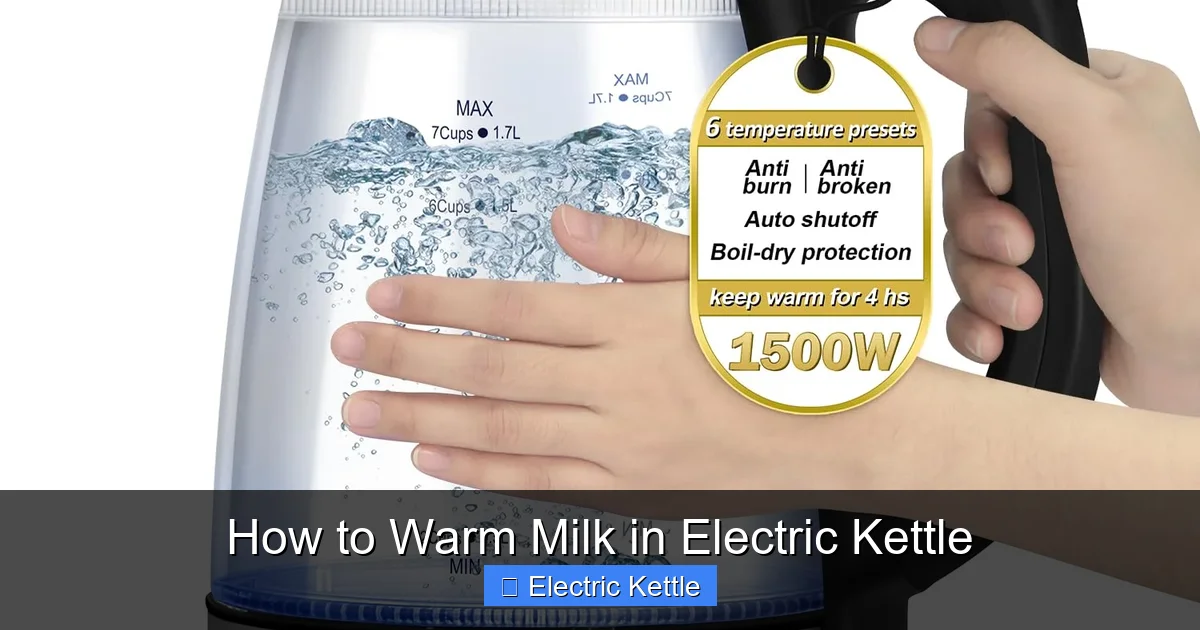
Visual guide about How to Warm Milk in Electric Kettle
Image source: images-na.ssl-images-amazon.com
There are several practical reasons why someone might consider using an electric kettle to warm milk. Convenience is at the top of the list. Electric kettles heat liquids faster than stovetops or microwaves, often in under two minutes. For busy mornings or late-night routines, that speed is a game-changer.
Another reason is consistency. Unlike a microwave, which can create uneven hot spots, a well-controlled electric kettle can heat milk more uniformly—especially if you stir it regularly. This is particularly useful for making café-style drinks like cappuccinos, hot chocolate, or golden milk, where smooth, evenly warmed milk is essential for texture and flavor.
Parents of infants also find electric kettles helpful for preparing bottles. Warming milk to body temperature (around 98–100°F or 37°C) is ideal for babies, and some modern kettles come with baby bottle warming settings or precise temperature controls that make this possible. Plus, using a kettle reduces the risk of overheating, which can destroy nutrients in breast milk or formula.
Lastly, space and appliance limitations play a role. Not everyone has a stovetop or microwave readily available—think dorm rooms, offices, or travel setups. In these cases, an electric kettle might be the only heating tool on hand. With the right approach, it can double as a milk warmer in a pinch.
Can You Warm Milk in Any Electric Kettle?
Not all electric kettles are created equal—and not all are safe for heating milk. Before you pour milk into your kettle, it’s crucial to assess whether your model is suitable for the task.
Kettle Design Matters
Most standard electric kettles are built for boiling water. They use high-wattage heating elements that bring liquids to a rapid boil, often without temperature regulation. This is perfect for tea or coffee, but disastrous for milk. The intense heat can cause milk to scorch at the bottom, leading to a burnt taste, unpleasant smell, and stubborn residue that’s hard to clean.
Look for kettles with the following features if you plan to warm milk regularly:
– **Temperature control settings:** Models with adjustable temperature presets (e.g., 140°F, 160°F, 185°F) allow you to heat milk gently without boiling.
– **Non-stick interior coating:** A ceramic or stainless steel non-stick lining reduces the risk of milk sticking and burning.
– **Slow-heat or “keep warm” function:** These features maintain a steady, low temperature ideal for milk.
– **Wide mouth and easy-pour spout:** Makes stirring and cleaning easier.
Materials to Avoid
Avoid kettles with exposed heating coils or bare metal interiors, especially if they’re made of aluminum or uncoated stainless steel. These materials can react with milk proteins, imparting a metallic taste and increasing the risk of scorching.
Plastic kettles are also not recommended. While some are labeled “BPA-free,” heating milk in plastic can still lead to leaching of chemicals, especially at high temperatures. Plus, milk residue can seep into tiny cracks and become a breeding ground for bacteria.
Check the Manufacturer’s Guidelines
Always consult your kettle’s user manual. Many manufacturers explicitly state that their appliances are intended for water only. Using milk in a kettle not designed for it may void your warranty or damage the unit over time. Some brands, like Breville, Cuisinart, and Smeg, offer models specifically marketed for heating milk or baby bottles—these are your safest bet.
Step-by-Step Guide: How to Warm Milk in an Electric Kettle
Now that you’ve confirmed your kettle is suitable, here’s a safe and effective method to warm milk without burning, curdling, or creating a mess.
Step 1: Choose the Right Milk
Start with cold, fresh milk straight from the refrigerator. Whole milk, 2%, or skim milk all work, but avoid ultra-pasteurized or plant-based milks unless you’ve tested them before. Some plant-based milks (like almond or oat) are more prone to separation when heated.
Use only the amount you need. Most kettles have a minimum fill line—don’t go below it, as this can damage the heating element. For a single serving, 1 cup (240 ml) is ideal.
Step 2: Pour Milk into the Kettle
Carefully pour the cold milk into the kettle. Avoid splashing to prevent milk from getting into the electrical base or cord. If your kettle has a removable lids or wide opening, this step is easier.
Step 3: Set the Temperature (If Available)
If your kettle has temperature control, set it to the lowest setting—usually around 140°F to 160°F (60°C to 70°C). This is warm enough to heat milk without boiling. If your kettle only has a “boil” function, proceed with extreme caution and monitor closely.
Step 4: Heat in Short Intervals
Turn on the kettle and let it heat for 30–60 seconds. Then, turn it off and open the lid. Use a long-handled spoon or silicone spatula to stir the milk gently. This redistributes heat and prevents skin formation.
Repeat this process: heat for 30–60 seconds, stir, check temperature. Most milk will be ready in 2–4 minutes, depending on the quantity and starting temperature.
Step 5: Check the Temperature
Use a food thermometer to ensure the milk reaches your desired warmth. For drinking, 120°F to 140°F (49°C to 60°C) is ideal—hot enough to be comforting but not scalding. For baby bottles, aim for 98–100°F (37°C).
Avoid letting the milk boil. Boiling causes proteins to denature, leading to curdling and a grainy texture. You’ll also hear a loud bubbling sound and see thick foam rising—this is your cue to stop immediately.
Step 6: Pour and Use Immediately
Once warmed, pour the milk into your cup, mug, or bottle right away. Don’t let it sit in the kettle, as residual heat can continue cooking the milk and cause skin to form.
If you’re making a latte or hot chocolate, add your espresso or cocoa powder now and stir well. The warm milk will blend smoothly without clumping.
Safety Tips and Common Mistakes to Avoid
Warming milk in an electric kettle is generally safe when done correctly, but there are several pitfalls to watch out for.
Never Leave Milk Unattended
Milk can foam and overflow in seconds. This not only creates a mess but can also damage the kettle’s internal components or cause electrical issues if liquid seeps into the base. Always stay nearby and monitor the process.
Don’t Use High Heat
Even if your kettle boils water in 90 seconds, resist the urge to rush the process with milk. High heat is the number one cause of scorching and curdling. Slow and steady wins the race.
Avoid Overfilling
Milk expands when heated and produces foam. Fill the kettle no more than halfway to allow room for expansion. Overfilling increases the risk of overflow and makes cleaning harder.
Don’t Reheat Milk Multiple Times
Reheating milk more than once can degrade its quality and promote bacterial growth. Only warm what you’ll use immediately. If you have leftovers, store them in the fridge and reheat using a safer method like a saucepan.
Watch for Signs of Spoilage
If your milk smells sour, looks lumpy, or has an off taste, don’t use it—even if it’s within the expiration date. Spoiled milk can curdle instantly when heated and may cause stomach upset.
Use a Thermometer
Relying on sight or sound isn’t enough. A food thermometer gives you precise control and ensures the milk is warmed safely without overheating.
Cleaning and Maintenance After Warming Milk
Proper cleaning is essential to keep your kettle in good condition and prevent odors, bacteria, and residue buildup.
Immediate Rinse
As soon as you’ve poured out the warm milk, rinse the kettle with warm water. Swirl it around to loosen any milk film, then pour it out. Don’t let milk dry inside—it becomes much harder to remove.
Deep Clean Weekly
Once a week (or after every few uses), give your kettle a thorough cleaning. Here’s a simple method:
1. Fill the kettle halfway with equal parts water and white vinegar.
2. Bring to a boil (or heat for 5–10 minutes if no boil function).
3. Let it sit for 15–20 minutes.
4. Pour out the solution and scrub the interior with a soft brush or sponge.
5. Rinse thoroughly with clean water and run a cycle with fresh water to remove any vinegar taste.
Clean the Exterior and Spout
Wipe the outside with a damp cloth. Use a cotton swab or toothbrush to clean around the spout and lid hinge, where milk residue can accumulate.
Check for Residue
After cleaning, inspect the heating element and interior for any white or yellowish buildup. This is milk protein residue and can affect performance over time. If you see it, repeat the vinegar cleaning process.
Store Properly
Keep the kettle dry and uncovered when not in use to prevent mold or mildew. Avoid storing it with milk inside—even cooled milk can spoil and smell.
Alternative Methods for Warming Milk
While an electric kettle can work in a pinch, it’s not always the best tool for the job. Here are safer and more reliable alternatives:
Stovetop (Saucepan Method)
This is the most traditional and controlled method. Pour milk into a small saucepan and heat over low to medium heat. Stir constantly with a whisk or spoon to prevent scorching. Use a thermometer to monitor temperature. This method allows for precise control and is ideal for larger quantities.
Microwave
Pour milk into a microwave-safe cup or mug. Heat in 15–30 second intervals, stirring between each, until warm. This method is fast but can create hot spots, so stirring is essential. Avoid overheating.
Milk Frother or Steamer
If you have a standalone milk frother or an espresso machine with a steam wand, these are designed specifically for heating and texturing milk. They offer the best results for lattes and cappuccinos.
Baby Bottle Warmers
For parents, electric bottle warmers are a safer, more reliable option than kettles. They heat milk gently and evenly without the risk of scorching or overflow.
Conclusion: Is Warming Milk in an Electric Kettle Worth It?
Warming milk in an electric kettle is possible, but it’s not without risks. If your kettle has temperature control, a non-stick interior, and you follow careful heating practices, it can be a convenient shortcut for small amounts of milk. However, for regular use or larger quantities, traditional methods like a saucepan or microwave are safer and more reliable.
The key is to prioritize safety, cleanliness, and precision. Never rush the process, always stir frequently, and clean your kettle thoroughly afterward. With these precautions, you can enjoy warm milk for your favorite drinks without compromising taste or appliance longevity.
So, the next time you’re tempted to pour milk into your kettle, ask yourself: Is my kettle up to the task? If yes, proceed with care. If not, reach for a saucepan instead. Your milk—and your taste buds—will thank you.
Frequently Asked Questions
Can I warm breast milk in an electric kettle?
Yes, but only if your kettle has precise temperature control and a non-stick interior. Heat in short intervals and stir frequently to avoid hot spots. Never boil breast milk, as it can destroy nutrients.
What happens if milk boils in an electric kettle?
Boiling milk can cause it to curdle, foam over, and leave a burnt residue. This can damage the heating element and create a strong odor. Always heat milk gently and monitor closely.
Can I use plant-based milk in an electric kettle?
Some plant-based milks (like oat or soy) can be used, but they’re more prone to separation and foaming. Test small amounts first and stir frequently to prevent clumping.
How do I remove milk smell from my electric kettle?
Run a cleaning cycle with equal parts water and white vinegar. Let it sit for 15–20 minutes, then rinse thoroughly. Repeat if needed.
Is it safe to warm milk in a plastic electric kettle?
No. Plastic can leach chemicals when heated, especially with dairy. Use only kettles with stainless steel or ceramic interiors.
Can I reheat milk that’s been warmed in an electric kettle?
It’s not recommended. Reheating milk multiple times can degrade its quality and increase bacterial growth. Only warm what you’ll use immediately.