[FEATURED_IMAGE_PLACEOLDER]
When it comes to modern kitchen appliances, few have revolutionized home cooking quite like the Instant Pot. Since its debut, this multi-functional electric pressure cooker has become a staple in millions of households—thanks to its ability to drastically reduce cooking time while delivering rich, flavorful results. Whether you’re simmering a hearty stew, preparing tender pulled pork, or even baking cheesecake, the Instant Pot simplifies complex recipes into one-pot wonders. But with so many models on the market, choosing the right one can feel overwhelming—especially when comparing two popular options: the Instant Pot Rio 7-in-1 and the original Instant Pot Duo.
This comprehensive buying guide is designed to cut through the noise and help you make an informed decision. Whether you’re a first-time buyer or upgrading from an older model, we’ll walk you through every critical factor—from performance and features to budget considerations and long-term value. You’ll learn how these two models stack up against each other, what real users are saying, and which one best aligns with your cooking style, kitchen space, and lifestyle. By the end of this guide, you won’ll just know which Instant Pot to buy—you’ll understand why it’s the right choice for you.
The multi-cooker market has exploded in recent years, with brands like Ninja, Crock-Pot, and Mueller offering their own versions of pressure cookers with varying degrees of functionality. Yet, Instant Pot remains the gold standard for reliability, innovation, and community support. Their product line has evolved significantly since the original Duo launched, introducing sleeker designs, smarter controls, and enhanced safety features. The Rio 7-in-1, for example, represents the brand’s move toward modern aesthetics and user-friendly interfaces, while the Duo continues to be a trusted workhorse for everyday cooking. Understanding the differences between these two models—and how they fit into your kitchen ecosystem—is essential for getting the most out of your investment.
What to Look for When Buying Instant Pots
1. Budget & Price Range
One of the first things to consider when shopping for an Instant Pot is your budget. Prices can vary significantly depending on the model, size, and included features. The Instant Pot Duo typically falls into the mid-range category, offering excellent value for its versatility and proven performance. It’s often available between $70 and $100, making it accessible for most households. The Rio 7-in-1, on the other hand, tends to be slightly more expensive—usually ranging from $90 to $120—due to its updated design, digital display, and additional preset functions. While both are affordable compared to high-end kitchen appliances, the price difference may influence your decision if you’re on a tight budget.
It’s important to remember that a higher price doesn’t always mean better performance. The Duo has stood the test of time with consistent user satisfaction, while the Rio offers modern conveniences that may justify the extra cost for some buyers. Consider not just the upfront price, but also long-term value—durability, energy efficiency, and ease of use all contribute to overall cost-effectiveness. If you plan to use your Instant Pot frequently, spending a little more upfront could save you money and frustration down the line.
2. Performance Specifications
Performance is where the rubber meets the road. Both the Rio 7-in-1 and the Duo are 7-in-1 multi-cookers, meaning they combine the functions of a pressure cooker, slow cooker, rice cooker, steamer, sauté pan, yogurt maker, and warmer. However, subtle differences in heating elements, pressure levels, and cooking times can impact real-world results. The Duo operates at a standard pressure of 10.15–11.6 psi, which is sufficient for most recipes and ensures safe, efficient cooking. It also features a 3-quart, 6-quart, or 8-quart capacity, catering to different household sizes.
The Rio 7-in-1 matches the Duo in core functionality but introduces a more precise digital control system. It maintains the same pressure range but includes improved temperature monitoring and faster heat-up times. Users report that the Rio reaches pressure slightly quicker than the Duo, which can shave a few minutes off total cooking time—especially noticeable when preparing dishes like beans or tough cuts of meat. Additionally, the Rio’s updated heating plate provides more even heat distribution, reducing the risk of scorching at the bottom of the pot. For cooks who value consistency and speed, these enhancements may be worth the upgrade.
3. Build Quality & Durality
Durability is a major concern for any kitchen appliance, and Instant Pots are no exception. Both the Rio and the Duo are built with high-quality stainless steel inner pots that are removable, dishwasher-safe, and resistant to scratches and odors. The outer housing is made of durable plastic with a sleek, fingerprint-resistant finish—particularly on the Rio, which features a more modern, minimalist design. The lid seals are made from food-grade silicone and are designed to last thousands of cycles, though they may need occasional replacement due to wear and tear.
One area where the Rio shines is in its improved sealing mechanism. The lid locks more securely and features a redesigned steam release valve that’s easier to clean and less prone to clogging. The Duo’s valve, while reliable, has been known to accumulate food particles over time, requiring more frequent maintenance. Additionally, the Rio’s control panel is sealed to prevent moisture ingress, a common issue with older models where spills could damage internal electronics. If you’re someone who cooks frequently or tends to be messy in the kitchen, the Rio’s enhanced build quality offers peace of mind.
4. Features & Functionality
Functionality is where the Rio 7-in-1 begins to pull ahead of the Duo. While both models offer the same seven core functions, the Rio includes several user-friendly upgrades. The most notable is the digital LED display, which provides real-time feedback on cooking progress, temperature, and pressure levels. This makes it easier to monitor your dish without opening the lid—a common mistake that can disrupt cooking and increase total time. The Rio also features 13 smart preset programs, including options for soup, meat/stew, poultry, beans/chili, rice, multigrain, porridge, yogurt, steam, slow cook, sauté, keep warm, and even a custom program for personalized recipes.
The Duo, by contrast, uses a simpler button-based interface with fewer presets—typically around 10—and relies on a basic LCD screen that shows time and mode. While functional, it lacks the intuitive feedback of the Rio’s display. Another key difference is the Rio’s “Quick Cool” technology, which rapidly releases steam after cooking, allowing you to open the lid sooner. This is especially useful for recipes that require immediate stirring or adding ingredients post-cooking. The Duo requires manual steam release or natural release, which can add several minutes to the process. For busy families or meal preppers, these time-saving features can make a significant difference.
5. Brand Reputation
Instant Pot has built a stellar reputation over the past decade, becoming synonymous with reliable, innovative kitchen technology. The brand is known for rigorous testing, responsive customer service, and a strong online community of users who share recipes, troubleshooting tips, and modifications. Both the Rio and the Duo benefit from this legacy, but the Duo holds a special place in the brand’s history as one of the original models that helped popularize electric pressure cooking.
That said, the Rio represents Instant Pot’s commitment to evolution. It’s part of the newer “Rio” series, which focuses on modern design, improved usability, and integration with smart kitchen trends. While the Duo remains a favorite among traditionalists and budget-conscious buyers, the Rio appeals to those who want a more contemporary appliance that fits seamlessly into a modern kitchen aesthetic. Both models are backed by Instant Pot’s reputation for quality, but the Rio may feel more “future-proof” for buyers who value innovation.
6. Warranty & Support
Warranty and customer support are often overlooked but critically important factors. Both the Rio 7-in-1 and the Duo come with a standard 1-year limited warranty, covering defects in materials and workmanship. This is fairly typical for small kitchen appliances, though some competitors offer longer coverage. What sets Instant Pot apart is its customer service. The company provides extensive online resources, including video tutorials, FAQs, and a responsive support team available via phone, email, and live chat.
Additionally, Instant Pot offers a robust replacement parts program. If your sealing ring wears out or your lid handle breaks, you can order replacements directly from the website at a reasonable cost. This extends the lifespan of your appliance and reduces waste—a major plus for eco-conscious consumers. The Rio’s newer design also means that replacement parts are more readily available and compatible with future updates. For long-term ownership, strong support and accessible parts make both models reliable choices.
7. Size & Portability
Size matters—especially if you have a small kitchen or limited counter space. Both the Rio and the Duo are available in 3-quart, 6-quart, and 8-quart capacities, so your choice will depend on your household size and cooking needs. The 6-quart model is the most popular, ideal for families of 3–5 people. It’s large enough to cook a whole chicken or a big batch of chili, yet compact enough to store in a cabinet when not in use.
In terms of physical dimensions, the Rio is slightly more streamlined, with a narrower base and a more ergonomic handle design. This makes it easier to lift and maneuver, particularly when full of hot food. The Duo, while functional, has a bulkier profile that can be awkward in tight spaces. If you frequently move your Instant Pot between counter and storage, the Rio’s design offers a tangible advantage. However, both models are relatively heavy when filled, so consider your strength and mobility when choosing.
8. User Reviews & Ratings
User feedback is one of the most reliable indicators of a product’s real-world performance. On major retail platforms like Amazon, Walmart, and Target, both the Rio 7-in-1 and the Duo enjoy high ratings—typically 4.7 out of 5 stars or higher. The Duo has a larger volume of reviews due to its longer time on the market, with thousands of five-star ratings praising its reliability, ease of use, and versatility. Common compliments include its ability to cook tough meats to perfection and its role in simplifying weeknight meals.
The Rio, while newer, has quickly gained a loyal following. Users appreciate its modern interface, faster cooking times, and improved safety features. Some reviewers note that the digital display makes it easier for beginners to learn pressure cooking, while others highlight the convenience of the Quick Cool function. That said, a small number of users have reported issues with the Rio’s touch-sensitive buttons being less responsive in humid environments—though this appears to be a rare occurrence. Overall, both models are highly rated, but the Rio edges ahead in user satisfaction for those who value innovation and ease of use.
Different Types of Instant Pots

Common Buying Mistakes to Avoid
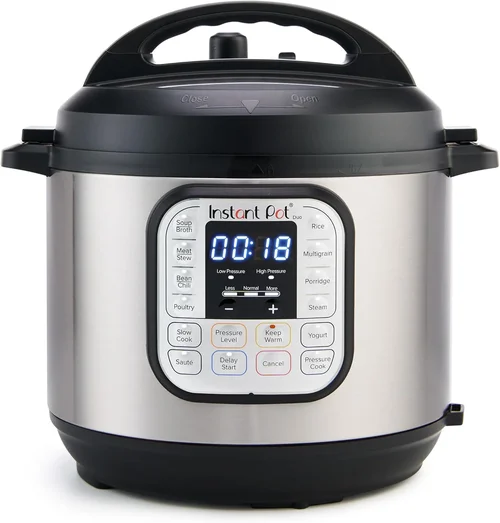
❌ Mistake: Choosing Based Solely on Price
Why it’s bad: Opting for the cheapest model without considering features, size, or long-term value can lead to frustration. A lower-priced Instant Pot might lack essential functions or have a smaller capacity, forcing you to upgrade sooner than expected.
What to do instead: Evaluate your cooking needs first. If you plan to cook for a family or prepare large batches, investing in a 6-quart or 8-quart model—even at a higher price—will save time and effort in the long run.
❌ Mistake: Ignoring Capacity Needs
Why it’s bad: Buying a 3-quart model when you regularly cook for four people means you’ll be making multiple batches, which defeats the purpose of a time-saving appliance.
What to do instead: Match the size to your household. A 6-quart model is the sweet spot for most families, while singles or couples may prefer the 3-quart version.
❌ Mistake: Overlooking Ease of Cleaning
Why it’s bad: Some models have hard-to-reach valves or non-removable parts that trap food residue, leading to odors and bacterial growth.
What to do instead: Choose a model with a removable, dishwasher-safe inner pot and easy-to-clean steam release valve—like the Rio 7-in-1.
❌ Mistake: Not Reading the Manual
Why it’s bad: Pressure cookers operate under high heat and pressure. Misuse can lead to safety hazards or ruined meals.
What to do instead: Always read the user manual before first use. Familiarize yourself with safety features, sealing techniques, and proper venting.
❌ Mistake: Assuming All Models Are the Same
Why it’s bad: Instant Pot offers over a dozen models with varying features. Assuming the Duo and Rio are identical can lead to disappointment.
What to do instead: Compare specifications side by side. Look for differences in display type, preset programs, and safety mechanisms.
❌ Mistake: Buying Without Checking Warranty
Why it’s bad: A broken appliance with no warranty coverage can cost more to repair than replace.
What to do instead: Always verify the warranty terms and register your product upon purchase to ensure full coverage.
Budget Guidelines: How Much Should You Spend?
- Entry-Level ($60–$80): Ideal for singles or couples. Look for 3-quart models like the Duo Mini. Expect basic functionality, fewer presets, and simpler controls. Great for rice, soups, and small meals.
- Mid-Range ($80–$110): The sweet spot for most buyers. Includes 6-quart models like the Duo and Rio 7-in-1. Offers full 7-in-1 functionality, reliable performance, and good build quality. Best value for families and frequent cooks.
- Premium ($110–$150): For enthusiasts and tech lovers. Features like digital displays, faster heating, and advanced presets (e.g., Rio 7-in-1). Ideal for those who want modern design and enhanced usability.
- Luxury ($150+): Top-tier models with smart features, Wi-Fi connectivity, and app integration (e.g., Instant Pot Pro Plus). Best for advanced users who want full control and automation.
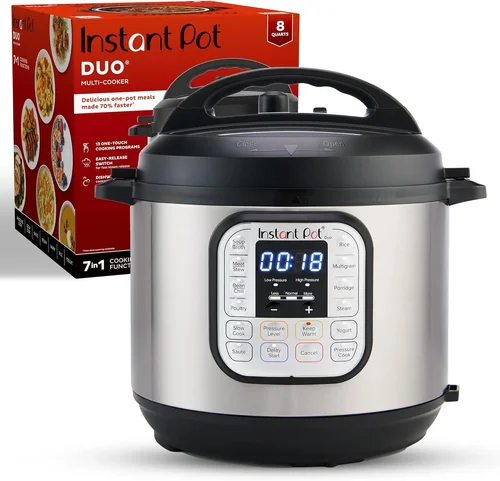
Expert Tips for Getting the Best Deal
- Buy During Sales Events: Major retailers like Amazon, Target, and Walmart offer significant discounts during holidays. Set price alerts to catch deals.
- Check Multiple Retailers: Prices can vary between stores. Compare online and in-store options, including shipping costs.
- Consider Refurbished Models: Instant Pot offers certified refurbished units at 20–40% off, with full warranty coverage.
- Read Return Policies: Ensure the retailer allows returns within 30 days in case the model doesn’t meet your expectations.
- Test Before Committing: If possible, visit a store to see the appliance in person. Check the weight, handle comfort, and button responsiveness.
- Register Your Product: This activates your warranty and gives you access to exclusive recipes and support.
- Join the Community: Online forums and Facebook groups offer tips, troubleshooting, and recipe ideas that enhance your experience.

Frequently Asked Questions
Q: What’s the main difference between the Rio 7-in-1 and the Duo?
A: The Rio 7-in-1 features a modern digital display, faster heat-up times, Quick Cool technology, and an improved sealing system. The Duo has a simpler interface, fewer presets, and a more traditional design. Both offer the same core 7-in-1 functionality.
Q: Can I use the same recipes for both models?
A: Yes. Most Instant Pot recipes are interchangeable between models. However, cooking times may vary slightly due to differences in heating efficiency. Always monitor your first few attempts.
Q: Is the Rio 7-in-1 worth the extra cost?
A: If you value modern design, faster cooking, and enhanced usability, yes. For basic cooking needs, the Duo offers excellent value at a lower price.
Q: How often do I need to replace the sealing ring?
A: Typically every 6–12 months with regular use. Replace it if it becomes stiff, cracked, or retains odors.
Q: Can I cook frozen meat in these Instant Pots?
A: Yes, but it increases cooking time and may affect texture. For best results, thaw meat partially before cooking.
Q: Are Instant Pots safe?
A: Yes, when used properly. Both models include multiple safety features like lid lock, pressure sensors, and automatic shut-off.
Q: Can I leave my Instant Pot unattended?
A: Yes, but never leave it running for extended periods without supervision. Always ensure proper ventilation and liquid levels.
Q: Do I need to add liquid to every recipe?
A: Yes. Pressure cooking requires at least 1 cup of liquid to build steam and create pressure. Dry cooking can damage the unit.
Our Final Recommendations
- Best for Budget-Conscious Buyers: Instant Pot Duo (6-quart) – Reliable, affordable, and proven. Perfect for those who want core functionality without extra frills.
- Best Overall Value: Instant Pot Rio 7-in-1 (6-quart) – Combines modern features, faster performance, and sleek design at a reasonable price.
- Best Premium Option: Instant Pot Pro Plus – For tech enthusiasts who want smart controls and app integration.
- Best for Beginners: Instant Pot Duo – Simple interface and extensive online support make it ideal for first-time users.
- Best for Advanced Users: Instant Pot Rio 7-in-1 – Enhanced controls, presets, and safety features cater to experienced cooks.
Conclusion: Making the Right Choice
Choosing between the Instant Pot Rio 7-in-1 and the original Duo comes down to your priorities. If you’re looking for a no-frills, dependable workhorse that’s stood the test of time, the Duo remains an excellent choice. It’s affordable, reliable, and supported by a vast community of users. However, if you value modern design, faster cooking, and enhanced usability, the Rio 7-in-1 offers meaningful upgrades that justify the slightly higher price.
Ultimately, the best Instant Pot is the one that fits your lifestyle, kitchen space, and cooking habits. Consider how often you’ll use it, who you’re cooking for, and what features matter most to you. Whether you go with the classic Duo or the upgraded Rio, you’re investing in a tool that can transform the way you cook—saving time, reducing cleanup, and delivering delicious meals with minimal effort.
Take the time to compare, read reviews, and think about your long-term needs. And when you’re ready, don’t hesitate to make the leap. Your future self—and your taste buds—will thank you.