An electric kettle is often better than stovetop models due to faster boiling, energy efficiency, and built-in safety features. Whether you’re brewing tea, making coffee, or cooking instant meals, an electric kettle offers convenience and precision that traditional methods can’t match.
Key Takeaways
- Faster boiling times: Electric kettles heat water significantly quicker than stovetop kettles, saving you time in the morning or during busy days.
- Energy efficiency: They use less electricity than boiling water on a gas or electric stove, reducing your energy bills and environmental impact.
- Precise temperature control: Many models offer variable temperature settings, ideal for different types of tea, coffee, or baby formula.
- Enhanced safety features: Auto shut-off, boil-dry protection, and cool-touch exteriors make electric kettles safer to use, especially in homes with children.
- Convenience and ease of use: One-touch operation, cordless designs, and keep-warm functions add to the overall user experience.
- Space-saving and portable: Compact and lightweight, electric kettles are perfect for small kitchens, dorm rooms, or office spaces.
- Easy to clean and maintain: Most have removable filters and wide openings, making descaling and cleaning simple.
📑 Table of Contents
- Is an Electric Kettle Better? A Complete Guide to Making the Right Choice
- Speed: Why Electric Kettles Boil Water Faster
- Energy Efficiency: Saving Power and Money
- Precision and Temperature Control
- Safety Features That Make a Difference
- Convenience and Everyday Usability
- Comparing Electric Kettles to Stovetop Kettles
- Who Should Use an Electric Kettle?
- Potential Drawbacks of Electric Kettles
- How to Choose the Right Electric Kettle
- Conclusion: Is an Electric Kettle Better?
Is an Electric Kettle Better? A Complete Guide to Making the Right Choice
If you’ve ever stood over a stovetop kettle waiting for water to boil—only to forget it’s on and come back to a whistling kettle—you’ve probably wondered: is an electric kettle better? You’re not alone. Millions of people around the world are switching from traditional stovetop kettles to electric ones, and for good reason. Whether you’re a tea enthusiast, a coffee lover, or just someone who values efficiency in the kitchen, an electric kettle might be the upgrade you didn’t know you needed.
Electric kettles have evolved far beyond simple heating devices. Today’s models come with smart features, sleek designs, and advanced technology that make boiling water faster, safer, and more convenient. But are they really better than the classic stovetop version your grandmother used? The short answer is: yes—most of the time. But the real question is whether an electric kettle is better *for you*. That depends on your lifestyle, kitchen setup, and how you use hot water daily.
In this guide, we’ll dive deep into the pros and cons of electric kettles, compare them to stovetop alternatives, and help you decide if making the switch is worth it. From speed and energy use to safety and taste, we’ll cover everything you need to know to make an informed decision.
Speed: Why Electric Kettles Boil Water Faster
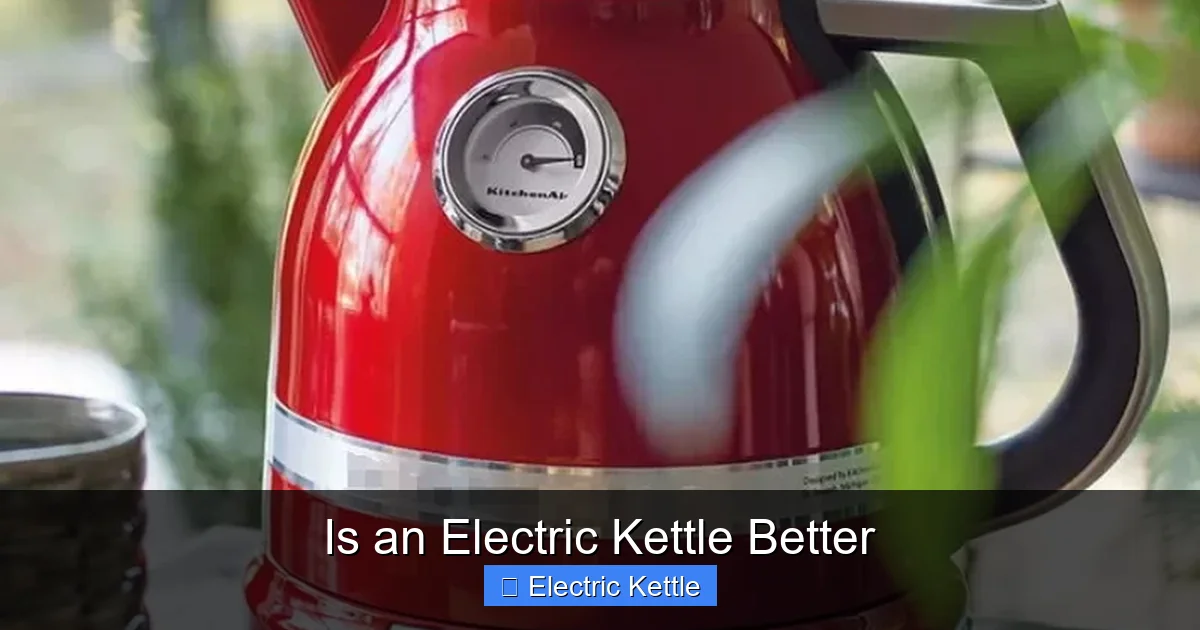
Visual guide about Is an Electric Kettle Better
Image source: irrorwxhiqijjr5q.ldycdn.com
One of the most obvious advantages of an electric kettle is speed. If you’re in a rush—say, you need hot water for your morning coffee or instant oatmeal—an electric kettle can save you precious minutes. On average, an electric kettle boils water in 3 to 5 minutes, depending on the volume and starting temperature. In contrast, a stovetop kettle typically takes 6 to 10 minutes, especially if you’re using a gas burner or an older electric coil stove.
How Electric Kettles Achieve Faster Boiling
Electric kettles are designed with powerful heating elements—usually between 1,200 and 3,000 watts—that transfer heat directly to the water. Unlike stovetop kettles, which rely on indirect heat from a burner, electric kettles heat the water from the bottom plate inside the unit. This direct contact means less heat loss and more efficient energy transfer.
For example, if you’re boiling 1 liter of water, an electric kettle with a 2,500-watt element can bring it to a boil in about 3.5 minutes. The same amount of water on a standard gas stove might take nearly twice as long. That difference adds up over time, especially if you boil water multiple times a day.
Real-Life Examples of Time Savings
Imagine this: You wake up late and need coffee before work. With an electric kettle, you can have hot water in under four minutes. With a stovetop kettle, you might spend five to seven minutes waiting—plus the time it takes to remember you left it on. Over a week, that’s an extra 20 to 30 minutes saved. Multiply that by a year, and you’ve gained over 17 hours just from faster boiling.
Even small tasks benefit. Making instant noodles, preparing baby formula, or steeping herbal tea all become quicker and more efficient with an electric kettle. And because many models have keep-warm functions, you don’t have to reboil water if you’re not ready to use it right away.
Energy Efficiency: Saving Power and Money
Another major benefit of electric kettles is energy efficiency. While it might seem counterintuitive—after all, they plug into the wall—electric kettles actually use less energy than boiling the same amount of water on a stove.
How Much Energy Do Electric Kettles Use?
Most electric kettles consume between 1,200 and 3,000 watts of power. However, because they boil water so quickly, the total energy used per boil is relatively low. For example, boiling 1 liter of water in a 2,500-watt kettle for 4 minutes uses about 0.17 kilowatt-hours (kWh) of electricity.
In comparison, boiling the same amount of water on a gas stove can use up to 0.25 kWh, and on an electric coil stove, it might use 0.20 kWh. That’s because stovetop methods lose more heat to the surrounding air and take longer to reach boiling point.
Cost Comparison Over Time
Let’s say you boil water twice a day. Using an electric kettle, you’d use about 0.34 kWh per day. At an average electricity rate of $0.13 per kWh, that’s about $0.04 per day, or $14.60 per year. A stovetop method might cost closer to $20–$25 annually, depending on your stove type and local energy prices.
Over five years, that’s a savings of $30–$50—enough to buy a mid-range electric kettle. Plus, you’re reducing your carbon footprint by using less energy overall.
Tips to Maximize Efficiency
To get the most out of your electric kettle’s energy efficiency:
– Only boil the amount of water you need. Overfilling wastes energy.
– Use the kettle’s markings to measure water accurately.
– Descale regularly to maintain optimal heating performance.
– Unplug the kettle when not in use to avoid standby power drain.
Precision and Temperature Control
One feature that sets modern electric kettles apart is precise temperature control. While stovetop kettles simply boil water—usually around 212°F (100°C)—many electric kettles allow you to select specific temperatures for different beverages.
Why Temperature Matters
Not all drinks require boiling water. In fact, using water that’s too hot can ruin the flavor of delicate teas like green tea or white tea, which brew best between 160°F and 185°F (71°C–85°C). Coffee, on the other hand, benefits from water just below boiling—around 195°F to 205°F (90°C–96°C).
Electric kettles with variable temperature settings let you choose the perfect heat for your drink. Some high-end models even have presets for green tea, black tea, oolong, coffee, and baby formula.
Examples of Temperature-Specific Brewing
– **Green tea:** 160°F–180°F (71°C–82°C) – Prevents bitterness and preserves antioxidants.
– **White tea:** 175°F–185°F (80°C–85°C) – Gentle heat brings out subtle floral notes.
– **Oolong tea:** 185°F–205°F (85°C–96°C) – Balances flavor and aroma.
– **Black tea:** 200°F–212°F (93°C–100°C) – Full extraction for bold taste.
– **Coffee (pour-over or French press):** 195°F–205°F (90°C–96°C) – Ideal for extraction without over-brewing.
This level of control is nearly impossible with a stovetop kettle unless you use a separate thermometer—and even then, it’s less convenient.
Smart Features and Keep-Warm Functions
Some electric kettles go a step further with smart technology. Wi-Fi-enabled models let you control the kettle from your phone, set timers, or receive notifications when the water is ready. Others have keep-warm functions that maintain the water at your chosen temperature for up to 30 minutes—perfect if you’re multitasking or making multiple cups.
These features not only enhance convenience but also reduce the need to reboil water, saving time and energy.
Safety Features That Make a Difference
Safety is a critical factor when choosing any kitchen appliance, and electric kettles excel in this area. Unlike stovetop kettles, which can be left unattended and potentially cause burns or fires, electric kettles are designed with multiple safety mechanisms.
Auto Shut-Off and Boil-Dry Protection
One of the most important safety features is auto shut-off. Once the water reaches boiling point, the kettle automatically turns off, preventing overheating or damage. This is especially useful if you get distracted and forget the kettle is on.
Even better, many models include boil-dry protection. If the kettle is turned on without water, the heating element won’t activate, reducing the risk of fire or component damage.
Cool-Touch Exteriors and Secure Lids
Electric kettles often have cool-touch exteriors, meaning the outside stays relatively cool even when the water inside is boiling. This reduces the risk of burns, especially in households with children or elderly users.
Additionally, most electric kettles have secure, locking lids that prevent spills during pouring. Some even have lids that open with a button, minimizing steam exposure.
Cordless Design and Stable Bases
Cordless electric kettles are another safety plus. You can lift the kettle off its base to pour, reducing the risk of tripping over cords or accidentally pulling the kettle off the counter. The base remains stationary and cool, and the kettle fits securely back in place with a magnetic or locking mechanism.
This design also makes cleaning easier and reduces wear on the power cord.
Convenience and Everyday Usability
Beyond speed and safety, electric kettles offer unmatched convenience in daily use. From one-touch operation to easy cleaning, they’re designed to fit seamlessly into modern lifestyles.
One-Touch Operation and User-Friendly Controls
Most electric kettles are incredibly simple to use. Fill with water, press a button, and walk away. No need to monitor the stove or listen for a whistle. Many models have LED indicators that show when the kettle is heating or when the water is ready.
Some even have programmable timers, so you can set the kettle to boil water at a specific time—like first thing in the morning.
Portability and Space-Saving Design
Electric kettles are compact and lightweight, making them ideal for small spaces. They’re perfect for dorm rooms, offices, RVs, or apartments with limited counter space. Unlike stovetop kettles, which require a burner, electric kettles just need an outlet.
Many models are also cordless and come with storage compartments for the cord, keeping your kitchen tidy.
Easy to Clean and Maintain
Cleaning an electric kettle is straightforward. Most have wide openings that allow you to reach inside with a sponge or brush. Removable lids and filters make it easy to clean mineral deposits and debris.
To prevent limescale buildup—especially in hard water areas—it’s recommended to descale your kettle every 1–3 months using vinegar or a commercial descaling solution. This maintains performance and extends the kettle’s lifespan.
Comparing Electric Kettles to Stovetop Kettles
To truly understand if an electric kettle is better, it’s helpful to compare it directly to a stovetop kettle across key categories.
Boiling Speed
As discussed, electric kettles are significantly faster. They heat water directly and efficiently, while stovetop kettles rely on slower, indirect heat transfer.
Energy Use
Electric kettles are more energy-efficient, using less power to boil the same amount of water. Stovetop methods lose more heat to the environment.
Temperature Control
Electric kettles win here, especially models with variable settings. Stovetop kettles only boil water—no precision options.
Safety
Electric kettles have built-in safety features like auto shut-off and boil-dry protection. Stovetop kettles require constant monitoring and pose higher risks if left unattended.
Convenience
Electric kettles are easier to use, especially for people with mobility issues or busy schedules. Stovetop kettles require more attention and effort.
Taste and Water Quality
Some people believe stovetop kettles produce better-tasting water, but this is largely subjective. In reality, both methods heat water to the same temperature. Any taste difference is likely due to the material of the kettle (e.g., stainless steel vs. glass) rather than the heating method.
Cost and Durability
Stovetop kettles are often cheaper upfront, but electric kettles offer better long-term value due to energy savings and advanced features. High-quality electric kettles can last 5–10 years with proper care.
Who Should Use an Electric Kettle?
An electric kettle isn’t just for tea lovers. It’s a versatile tool that benefits a wide range of users.
Busy Professionals
If you’re always on the go, an electric kettle lets you make coffee, tea, or instant meals in minutes—without waiting for a stovetop to heat up.
Students and Dorm Dwellers
In small spaces with limited cooking options, an electric kettle is a lifesaver. It’s perfect for making ramen, oatmeal, or hot chocolate without a stove.
Parents and Caregivers
Preparing baby formula requires precise water temperature. An electric kettle with temperature control ensures safety and consistency every time.
Seniors and People with Mobility Issues
The one-touch operation and cordless design make electric kettles easier and safer to use for those with arthritis or limited strength.
Travelers and Office Workers
Portable electric kettles are great for hotel rooms or office kitchens where stovetops aren’t available.
Potential Drawbacks of Electric Kettles
While electric kettles have many advantages, they’re not perfect. It’s important to consider a few potential downsides.
Upfront Cost
High-quality electric kettles can cost $50–$150, which is more than a basic stovetop kettle. However, the long-term savings in energy and time often justify the investment.
Dependence on Electricity
If you lose power, you can’t use an electric kettle. Stovetop kettles can still work on gas stoves or campfires, making them more versatile in emergencies.
Maintenance Requirements
Electric kettles need regular descaling, especially in areas with hard water. Neglecting this can reduce performance and shorten the appliance’s life.
Noise Level
Some electric kettles make a humming or clicking noise while heating. While not loud, it might be noticeable in quiet environments.
How to Choose the Right Electric Kettle
With so many options on the market, choosing the right electric kettle can feel overwhelming. Here are some key factors to consider.
Capacity
Electric kettles typically hold 1 to 1.7 liters. Choose based on your needs:
– 1 liter: Ideal for 1–2 people.
– 1.5–1.7 liters: Better for families or frequent use.
Material
Common materials include:
– **Stainless steel:** Durable, easy to clean, retains heat well.
– **Glass:** Allows you to see the water boiling; stylish but fragile.
– **Plastic:** Lightweight and affordable, but may retain odors or degrade over time.
Temperature Settings
If you drink different types of tea or coffee, look for a kettle with variable temperature control. Basic models only boil water, while advanced ones offer multiple presets.
Additional Features
Consider extras like:
– Keep-warm function
– LED display
– Cordless design
– Removable filter
– Quiet boil technology
Brand and Warranty
Stick with reputable brands like Breville, Cuisinart, Hamilton Beach, or OXO. Look for a warranty of at least 1–2 years.
Conclusion: Is an Electric Kettle Better?
So, is an electric kettle better? For most people, the answer is a resounding yes. Electric kettles offer faster boiling, greater energy efficiency, precise temperature control, and enhanced safety—all in a convenient, user-friendly package. While stovetop kettles have their nostalgic charm and work well in certain situations, electric kettles are simply more practical for modern life.
Whether you’re brewing your morning coffee, steeping a delicate green tea, or preparing a quick meal, an electric kettle saves time, reduces energy use, and delivers consistent results. With so many models available at various price points, there’s an electric kettle for nearly every need and budget.
If you value efficiency, safety, and convenience in your kitchen, making the switch to an electric kettle is one of the easiest and most impactful upgrades you can make. It’s not just about boiling water faster—it’s about simplifying your routine and enjoying a better daily experience.
So go ahead—unplug that old stovetop kettle and embrace the future of hot water. Your mornings (and your taste buds) will thank you.
Frequently Asked Questions
Is an electric kettle better for the environment?
Yes, electric kettles are generally more energy-efficient than stovetop methods, using less power to boil the same amount of water. This reduces your carbon footprint and energy bills over time.
Can an electric kettle boil water faster than a microwave?
Yes, electric kettles are faster and more efficient than microwaves for boiling water. Microwaves heat unevenly and can cause superheating, which is dangerous.
Do electric kettles affect the taste of water?
No, electric kettles don’t alter the taste of water. Any perceived difference is usually due to the kettle’s material (e.g., stainless steel vs. plastic) rather than the heating method.
How often should I descale my electric kettle?
It depends on your water hardness, but most experts recommend descaling every 1–3 months. Use vinegar or a commercial descaler to remove mineral buildup.
Are electric kettles safe to leave unattended?
Yes, most modern electric kettles have auto shut-off and boil-dry protection, making them safe to use without constant supervision.
Can I use an electric kettle for cooking?
Yes, you can use it to boil water for instant noodles, oatmeal, or pasta. However, it’s not designed for frying or sautéing—only for heating water.