Yes, an electric kettle is highly energy efficient—often more so than stovetop kettles or microwaves. It heats water faster, uses less electricity, and wastes minimal heat, making it a smart, eco-friendly choice for daily use.
Key Takeaways
- Electric kettles use less energy than stovetops: They convert up to 80% of electricity into heat, compared to gas or induction stoves that lose more energy to the air.
- Faster boiling means lower consumption: Most electric kettles boil water in 3–5 minutes, reducing overall energy use.
- Automatic shut-off improves efficiency: This feature prevents over-boiling and saves electricity by turning off once water reaches boiling point.
- Only heat what you need: Fill the kettle with the exact amount of water required to avoid wasting energy on excess water.
- Modern models are optimized for efficiency: Look for kettles with insulated walls, lids, and energy-saving modes to maximize performance.
- Long-term savings add up: Switching from a stovetop to an electric kettle can reduce your kitchen’s energy use by up to 50% over time.
- Eco-friendly and convenient: Electric kettles support sustainable habits without sacrificing speed or convenience.
📑 Table of Contents
- Is an Electric Kettle Energy Efficient? The Surprising Truth
- How Electric Kettles Work: The Science Behind the Efficiency
- Electric Kettle vs. Stovetop: Which Is More Efficient?
- Tips to Maximize Your Electric Kettle’s Efficiency
- Environmental Impact: Are Electric Kettles Eco-Friendly?
- Common Myths About Electric Kettle Efficiency
- Conclusion: Yes, Electric Kettles Are Energy Efficient—and Worth It
Is an Electric Kettle Energy Efficient? The Surprising Truth
If you’ve ever stood over a whistling stovetop kettle, waiting for what feels like forever for your morning tea to brew, you’ve probably wondered: is there a better way? Enter the electric kettle—a sleek, modern kitchen appliance that promises speed, convenience, and, yes, energy efficiency. But is it really as eco-friendly and cost-effective as it claims?
The short answer is yes. Electric kettles are among the most energy-efficient ways to boil water. Unlike gas stoves or microwaves, which lose a significant amount of heat to the surrounding air, electric kettles are designed to direct nearly all their energy into heating the water. This focused approach means less waste, faster boiling times, and lower electricity bills over time. Whether you’re making coffee, instant noodles, or just need hot water for cooking, an electric kettle can do the job with surprising efficiency.
But efficiency isn’t just about speed—it’s about smart energy use. Modern electric kettles come with features like automatic shut-off, temperature control, and insulated bodies that help conserve energy. And because they only heat the water you actually need (no more boiling a full kettle for one cup of tea), they reduce unnecessary consumption. In this article, we’ll dive deep into how electric kettles work, compare them to other heating methods, and show you how to get the most out of your appliance while saving energy and money.
How Electric Kettles Work: The Science Behind the Efficiency
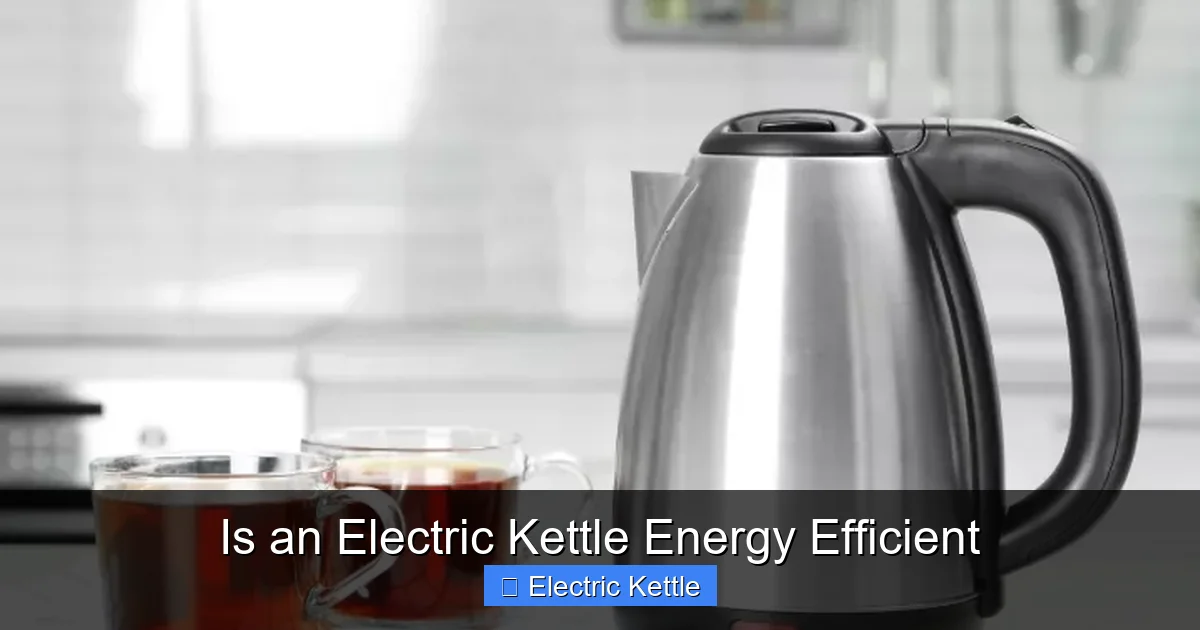
Visual guide about Is an Electric Kettle Energy Efficient
Image source: irrorwxhiqijjr5q.ldycdn.com
To understand why electric kettles are so energy efficient, it helps to know how they work. At the heart of every electric kettle is a heating element—usually a coiled metal wire or a flat disc—located at the base of the unit. When you plug in the kettle and turn it on, electricity flows through this element, creating resistance that generates heat. This heat is then transferred directly to the water inside the kettle.
Unlike stovetop kettles, where heat must travel from a burner through the pot’s metal base (losing energy to the air in the process), electric kettles heat the water from within. This direct transfer is far more efficient. According to the U.S. Department of Energy, electric kettles convert about 80% of the electricity they use into heat for the water. In contrast, gas stoves typically operate at around 40% efficiency, and even induction stoves—while better than gas—still lose some energy to the surrounding environment.
Another key factor is speed. Most electric kettles can boil a liter of water in just 3 to 5 minutes. That’s significantly faster than a stovetop kettle, which can take 8 to 10 minutes depending on the heat source. Because the kettle spends less time running, it uses less total energy. For example, if your electric kettle uses 1500 watts and runs for 4 minutes, it consumes about 0.1 kilowatt-hours (kWh) of electricity. A gas stove, even if it takes twice as long, may use more energy overall due to heat loss and lower efficiency.
Automatic Shut-Off: A Game-Changer for Efficiency
One of the most important features contributing to an electric kettle’s efficiency is the automatic shut-off mechanism. Once the water reaches boiling point (typically around 212°F or 100°C), a thermostat inside the kettle triggers a switch that cuts off the power. This prevents the kettle from continuing to boil, which would waste energy and potentially damage the appliance.
This feature not only saves electricity but also enhances safety. You don’t have to stand by the kettle waiting for it to whistle—just set it and forget it. Many modern kettles also include boil-dry protection, which shuts off the heating element if there’s no water inside, preventing overheating and extending the kettle’s lifespan.
Some advanced models go even further with variable temperature settings. These allow you to heat water to specific temperatures—like 175°F for green tea or 195°F for French press coffee—instead of boiling it unnecessarily. Since different beverages require different water temperatures, this feature ensures you’re not wasting energy by overheating the water.
Insulation and Design: Keeping Heat Where It Belongs
Another reason electric kettles are energy efficient is their design. Many newer models feature double-walled or vacuum-insulated bodies that help retain heat. This means the water stays hot longer after boiling, so you don’t need to reboil it if you’re making multiple cups of tea or coffee.
Look for kettles made with materials like stainless steel or heat-resistant plastic with insulated layers. These materials not only improve energy retention but also make the kettle safer to handle—no more burnt fingers from a hot exterior. Some premium models even have lids that seal tightly, reducing heat loss during the boiling process.
The shape of the kettle also plays a role. Kettles with a wide base and narrow spout allow for faster heat transfer and more even boiling. A well-designed spout also ensures a smooth pour, reducing spills and the need to reheat water.
Electric Kettle vs. Stovetop: Which Is More Efficient?
When it comes to boiling water, the electric kettle is often the clear winner in terms of energy efficiency. But let’s break down the numbers to see why.
A typical electric kettle uses between 1200 and 1500 watts of power and can boil a liter of water in about 4 minutes. That translates to roughly 0.08 to 0.1 kWh per use. In contrast, a gas stove burner might use 10,000 BTUs (British Thermal Units) and take 8 minutes to boil the same amount of water. While gas is cheaper per unit than electricity in some regions, the lower efficiency means you’re still using more total energy.
Induction stovetops are more efficient than gas—around 70–80% efficient—but they still can’t match the direct heating of an electric kettle. Plus, induction requires compatible cookware, which not everyone owns. And if you’re using a regular pot on an induction burner, you’re still losing some heat to the air.
Microwaves are another common alternative, especially for heating small amounts of water. But they’re surprisingly inefficient for this task. A microwave might take 2–3 minutes to heat a cup of water, but it uses about the same amount of energy as an electric kettle boiling the same volume. Worse, microwaves heat water unevenly, which can lead to superheating—a dangerous condition where water erupts suddenly when disturbed.
Real-World Example: A Week of Boiling Water
Let’s say you boil water twice a day—once for morning coffee and once for evening tea. Over a week, that’s 14 boiling sessions.
– **Electric kettle:** 0.1 kWh per use × 14 = 1.4 kWh per week
– **Gas stove:** Estimated 0.15 kWh equivalent per use × 14 = 2.1 kWh per week
– **Microwave:** 0.09 kWh per use × 14 = 1.26 kWh per week
At an average electricity rate of $0.13 per kWh, the electric kettle costs about $0.18 per week, while the gas stove costs around $0.27. The microwave is slightly cheaper in this example, but remember—it’s less reliable, slower for larger volumes, and can be unsafe if not used carefully.
Over a year, the electric kettle saves you about $4.68 compared to the gas stove. That might not sound like much, but when you factor in the time saved, reduced wear on your stove, and the convenience of instant hot water, the benefits add up.
Tips to Maximize Your Electric Kettle’s Efficiency
Even the most efficient appliance can waste energy if used improperly. Here are some simple tips to get the most out of your electric kettle while minimizing electricity use.
Only Boil What You Need
This is the golden rule of kettle efficiency. Many people fill their kettle to the max, even when they only need one cup of water. But every extra ounce requires more energy to heat. A full kettle (1.7 liters) takes nearly twice as long and uses twice as much electricity as a half-full one.
Instead, measure the water you actually need. Most kettles have clear markings on the inside or outside showing cup or liter levels. Use a measuring cup if necessary. For one cup of tea, you only need about 250 ml (8 oz) of water. Boiling more than that is pure waste.
Descale Regularly to Maintain Performance
Over time, mineral deposits from hard water can build up on the heating element inside your kettle. This limescale acts as an insulator, reducing heat transfer and forcing the kettle to work harder and longer to boil water. The result? Higher energy use and longer wait times.
To prevent this, descale your kettle every 1–3 months, depending on your water hardness. Use a mixture of equal parts water and white vinegar. Fill the kettle, let it sit for an hour, then boil and discard the solution. Rinse thoroughly before using again. Some kettles even have a “descale” indicator light to remind you.
Use the Right Temperature Setting
If your kettle has variable temperature controls, use them. Boiling water to 212°F is overkill for most beverages. Green tea, for example, tastes bitter if brewed with boiling water—175°F is ideal. White tea and delicate herbal infusions also prefer lower temperatures.
By selecting the right setting, you reduce energy use and improve flavor. Plus, you avoid reheating water that’s cooled down, which wastes even more electricity.
Unplug When Not in Use
Even when turned off, some electric kettles draw a small amount of standby power—especially models with digital displays or LED lights. To eliminate this “phantom load,” unplug the kettle when you’re not using it, or use a smart power strip that cuts power completely.
This tip is especially useful if you don’t use your kettle daily. A few watts saved here and there can add up over time.
Choose an Energy-Efficient Model
Not all electric kettles are created equal. When shopping, look for models with high wattage (1500W or more) for faster boiling, but also check for features like insulation, automatic shut-off, and temperature control. Energy Star does not currently certify kettles, but you can still compare efficiency by looking at wattage, capacity, and user reviews.
Stainless steel kettles tend to be more durable and efficient than plastic ones, which can degrade over time and may retain odors. Glass kettles are aesthetically pleasing and easy to clean, but they’re less insulated and can break more easily.
Environmental Impact: Are Electric Kettles Eco-Friendly?
Energy efficiency isn’t just about saving money—it’s also about reducing your environmental footprint. The less electricity you use, the lower your carbon emissions, especially if your power comes from fossil fuels.
Electric kettles contribute to sustainability in several ways. First, their high efficiency means less demand on power plants. Second, their speed reduces overall energy consumption. Third, many are made from recyclable materials like stainless steel and glass.
However, it’s important to consider the full lifecycle. The manufacturing process for electric kettles does have an environmental cost, including mining for metals and plastic production. But because they last 5–10 years with proper care, their long lifespan helps offset this impact.
To make your kettle use even greener:
– Use it only when necessary (e.g., avoid reboiling water).
– Recycle it responsibly at the end of its life.
– Choose a model with a long warranty and repairability.
Compared to single-use items like bottled water or disposable coffee cups, an electric kettle is a far more sustainable choice. It supports a zero-waste lifestyle by enabling you to make hot drinks at home with minimal packaging.
Common Myths About Electric Kettle Efficiency
Despite their benefits, some myths persist about electric kettles. Let’s clear them up.
Myth 1: Electric Kettles Use Too Much Electricity
While it’s true that electric kettles draw a lot of power (1500W or more), they use it for a very short time. A 4-minute boil uses less total energy than a 10-minute stovetop session. The high wattage is what makes them fast—and fast means efficient.
Myth 2: Gas Is Always Cheaper Than Electricity
In some areas, gas is cheaper per unit of energy. But because gas stoves are less efficient, the total cost can be higher. Plus, gas produces indoor air pollution and greenhouse emissions, which electric kettles (especially when powered by renewable energy) do not.
Myth 3: Microwaves Are More Efficient for Small Amounts
Microwaves can heat a single cup quickly, but they’re not designed for boiling water efficiently. They heat unevenly, risk superheating, and often require stirring or waiting. For consistent, safe results, an electric kettle is better.
Myth 4: All Electric Kettles Are the Same
Quality varies widely. Cheap kettles may lack insulation, have poor thermostats, or use low-grade materials that degrade quickly. Investing in a well-made model pays off in efficiency, safety, and longevity.
Conclusion: Yes, Electric Kettles Are Energy Efficient—and Worth It
So, is an electric kettle energy efficient? Absolutely. From their direct heating mechanism to automatic shut-off and smart design features, electric kettles are engineered to use electricity wisely. They boil water faster, waste less heat, and give you precise control over temperature and volume.
Compared to stovetops and microwaves, they offer clear advantages in speed, safety, and long-term savings. And with a few simple habits—like boiling only what you need and descaling regularly—you can maximize their efficiency even further.
Whether you’re an eco-conscious consumer, a busy professional, or just someone who loves a good cup of tea, an electric kettle is a smart, sustainable addition to your kitchen. It’s not just about convenience—it’s about making a small change that adds up to big savings in energy, time, and money.
So the next time you reach for the kettle, know that you’re not just making tea—you’re making a greener choice.
Frequently Asked Questions
Do electric kettles use a lot of electricity?
No, electric kettles use electricity efficiently. While they draw high wattage (1200–1500W), they boil water quickly—usually in 3–5 minutes—so total energy use is low, often less than a stovetop.
Is it cheaper to boil water with an electric kettle or a gas stove?
It depends on local energy prices, but electric kettles are generally more efficient. Even if gas is cheaper per unit, the kettle’s faster boiling and lower heat loss often make it the more cost-effective option.
Can I save energy by reboiling water in my kettle?
No, reboiling water wastes energy. It’s better to boil only the amount you need. If water cools, reheat it gently or let it sit with the lid on to retain warmth.
How often should I descale my electric kettle?
Descale every 1–3 months if you have hard water. Use a vinegar-water solution to remove limescale, which improves efficiency and extends the kettle’s life.
Are glass electric kettles less energy efficient?
Glass kettles are less insulated than stainless steel, so they may lose heat faster. However, they’re still efficient for boiling. Choose one with a lid and avoid overfilling to maximize performance.
Do electric kettles work during a power outage?
No, electric kettles require electricity to function. If you need hot water during an outage, use a gas stove, camping stove, or portable heater—just never use an electric kettle without power.