Yes, an electric kettle is generally faster than a stovetop kettle, thanks to higher wattage and direct heating elements. Most electric kettles boil water in 3–5 minutes, while stovetop versions can take 8–12 minutes, depending on heat source and kettle material.
Key Takeaways
- Electric kettles are faster: With power ratings between 1,200 and 3,000 watts, electric kettles heat water significantly quicker than stovetop kettles.
- Energy efficiency matters: Electric kettles use less energy overall because they transfer heat directly to water with minimal loss.
- Boiling time varies by model: Higher-wattage kettles (2,500W+) can boil a full liter in under 3 minutes, while lower-wattage models may take closer to 5.
- Stovetop kettles depend on heat source: Gas, electric coils, and induction cooktops affect boiling speed, with induction being the fastest stovetop option.
- Automatic shut-off improves safety and speed: Electric kettles stop heating once water boils, preventing over-boiling and saving time.
- Temperature control adds precision: Some electric kettles offer variable temperature settings, ideal for different beverages like green tea or French press coffee.
- Convenience boosts daily efficiency: Features like cordless design, keep-warm functions, and quick reboil make electric kettles a time-saving kitchen essential.
📑 Table of Contents
- Is an Electric Kettle Faster? The Ultimate Speed Showdown
- How Electric Kettles Work: The Science Behind the Speed
- Electric Kettle vs. Stovetop Kettle: A Side-by-Side Comparison
- Energy Efficiency: Speed Without the Waste
- Advanced Features That Boost Speed and Convenience
- Practical Tips for Maximizing Speed and Efficiency
- Who Benefits Most from an Electric Kettle?
- Common Misconceptions About Electric Kettles
- Conclusion: Yes, Electric Kettles Are Faster—and Better
Is an Electric Kettle Faster? The Ultimate Speed Showdown
If you’ve ever stood over a stovetop kettle, tapping your fingers and sighing as the water slowly climbs to a boil, you’ve probably wondered: *Is there a faster way?* The answer, for most people, is a resounding yes—enter the electric kettle. These sleek, modern appliances have become kitchen staples in homes around the world, and one of their biggest selling points is speed. But just how much faster are they, and what makes them so efficient?
In this article, we’ll dive deep into the science, real-world performance, and practical benefits of electric kettles compared to traditional stovetop models. Whether you’re a tea enthusiast, a busy parent, or someone who just wants hot water in a hurry, understanding the speed advantage of electric kettles can help you make smarter choices in the kitchen. We’ll explore everything from wattage and heating mechanisms to energy use and smart features—all with the goal of answering one simple question: Is an electric kettle faster?
How Electric Kettles Work: The Science Behind the Speed
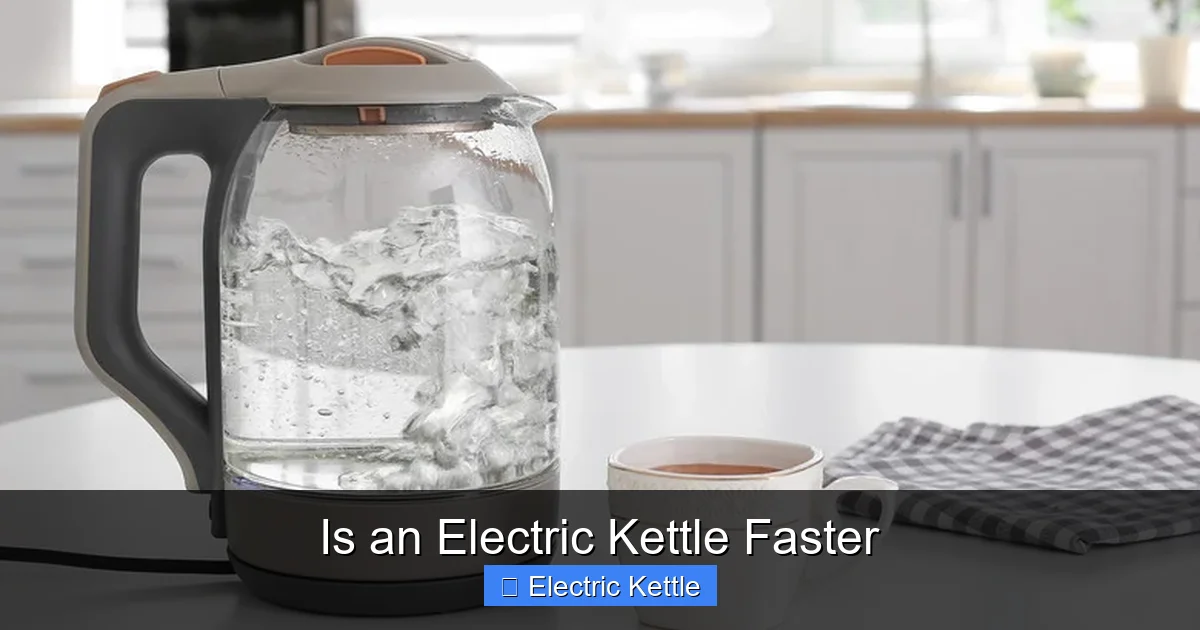
Visual guide about Is an Electric Kettle Faster
Image source: tastingtable.com
To understand why electric kettles are faster, it helps to know how they work. Unlike stovetop kettles that rely on external heat sources, electric kettles have built-in heating elements—usually a concealed coil or a flat base—that directly transfer energy to the water. This direct-contact heating method is far more efficient than transferring heat through a pot and then to the water.
Most electric kettles operate at high wattage, typically ranging from 1,200 to 3,000 watts. For context, a standard stovetop burner on a home electric range might deliver around 1,500 watts, but much of that energy is lost to the air or the pot itself. In contrast, electric kettles are designed to channel nearly all their power directly into heating water. This focused energy transfer means faster boiling times and less wasted electricity.
Direct Heating vs. Indirect Heating
The key difference lies in the heating method. Stovetop kettles use indirect heating—the flame or electric coil heats the bottom of the kettle, which then transfers heat to the water. This process involves multiple steps and energy losses. Air around the kettle absorbs heat, and the metal of the kettle itself takes time to warm up before it can heat the water.
Electric kettles, on the other hand, use direct heating. The heating element is submerged or embedded in the base, so energy goes straight into the water. This reduces heat loss and speeds up the entire process. Think of it like comparing a flashlight to a lantern: the flashlight focuses light in one direction, while the lantern scatters it. Electric kettles are the flashlight—efficient, targeted, and fast.
Wattage and Boiling Speed
Wattage is one of the biggest factors in how fast an electric kettle can boil water. A higher wattage means more power delivered per second, which translates to quicker heating. For example:
– A 1,200-watt kettle might take about 5 minutes to boil 1 liter of water.
– A 1,800-watt kettle can do the same in roughly 3.5 minutes.
– A high-performance 3,000-watt model can boil a full liter in under 3 minutes.
These times assume room-temperature water (around 20°C or 68°F) and standard atmospheric pressure. Cold water or high-altitude locations may slightly increase boiling time, but the relative speed advantage of electric kettles remains consistent.
Electric Kettle vs. Stovetop Kettle: A Side-by-Side Comparison
Let’s put electric and stovetop kettles head-to-head in a real-world test. Imagine you’re making tea on a weekday morning. You need 500ml of boiling water—how long does each method take?
Electric Kettle Performance
Using a mid-range 1,800-watt electric kettle, you can expect to boil 500ml of water in about 2 to 2.5 minutes. Many models even have rapid-boil settings or pre-programmed options for smaller volumes, which can shave off extra seconds. Once the water reaches boiling point, the kettle automatically shuts off, so you don’t have to watch the clock.
Stovetop Kettle Performance
Now, let’s try the same with a standard stainless steel stovetop kettle on a gas burner. Depending on the flame intensity and kettle quality, it may take 4 to 6 minutes to boil the same amount of water. On an electric coil stove, it could take even longer—up to 7 or 8 minutes. Induction cooktops are faster, often matching or slightly exceeding gas, but they still don’t beat a high-wattage electric kettle.
Real-World Variables
Several factors can influence boiling time for both types of kettles:
– **Water temperature:** Starting with cold tap water adds time. If your tap water is already warm (e.g., in summer), boiling will be faster.
– **Altitude:** Water boils at lower temperatures at higher elevations, which can slightly reduce boiling time—but not enough to close the gap between electric and stovetop kettles.
– **Kettle material:** Copper and aluminum conduct heat better than stainless steel, so stovetop kettles made from these materials may heat slightly faster.
– **Lid usage:** Keeping the lid on traps heat and speeds up boiling for both types.
Even with these variables, electric kettles consistently outperform stovetop models in speed tests conducted by consumer labs and independent reviewers.
Energy Efficiency: Speed Without the Waste
One common misconception is that faster boiling means higher energy use. But in reality, electric kettles are not only faster—they’re also more energy-efficient. Because they transfer heat directly to the water with minimal loss, they use less electricity overall compared to stovetop methods.
Measuring Energy Use
Let’s look at the numbers. To boil 1 liter of water from 20°C to 100°C, you need about 0.1 kWh of energy. An electric kettle with 90% efficiency will use roughly 0.11 kWh. A stovetop kettle, especially on an electric coil, may only be 60–70% efficient due to heat loss to the surrounding air and the stovetop surface. That means it could use up to 0.15 kWh for the same task.
Over time, these small differences add up. If you boil water twice a day, an electric kettle could save you several kilowatt-hours per month—enough to make a noticeable difference on your electricity bill.
Environmental Impact
Using less energy isn’t just good for your wallet—it’s better for the planet. Lower electricity consumption means reduced demand on power plants, which in turn lowers carbon emissions. If your electricity comes from renewable sources like solar or wind, the environmental benefit is even greater.
Additionally, many modern electric kettles are made with recyclable materials and designed for longevity, further reducing their environmental footprint compared to disposable or low-quality stovetop kettles.
Advanced Features That Boost Speed and Convenience
Beyond raw boiling speed, electric kettles offer a range of features that enhance efficiency and user experience. These innovations make them not just faster, but smarter and more convenient.
Variable Temperature Control
Not all beverages require boiling water. Green tea, for example, tastes bitter if brewed with water that’s too hot. Many electric kettles now come with adjustable temperature settings—typically ranging from 160°F (71°C) to 212°F (100°C). This allows you to heat water to the perfect temperature for your drink, saving time by avoiding the need to let boiling water cool down.
Some premium models even have preset programs for different beverages: coffee, white tea, oolong, etc. You simply select your drink, and the kettle heats the water to the ideal temp automatically.
Keep-Warm Function
Ever boiled water, made your tea, and then realized you need a second cup 10 minutes later? With a keep-warm feature, your electric kettle can maintain the water at drinking temperature for up to an hour. This eliminates the need to reboil, saving both time and energy.
Rapid Reboil and Quick-Boil Modes
Some high-end electric kettles include a “rapid reboil” function that heats water even faster when it’s already warm. If you’ve just boiled water and only used half, the kettle can bring the remaining water back to a boil in under a minute. This is especially useful in offices or households with multiple tea or coffee drinkers.
Automatic Shut-Off and Boil-Dry Protection
Safety and speed go hand in hand. Electric kettles automatically turn off when the water reaches boiling point, preventing over-boiling and reducing the risk of damage or fire. Many also have boil-dry protection, which shuts off the kettle if it detects no water—ideal if you accidentally turn it on empty.
These features not only protect your appliance but also save time by eliminating the need to monitor the kettle constantly.
Practical Tips for Maximizing Speed and Efficiency
Even the fastest electric kettle can be slowed down by poor habits or misuse. Here are some practical tips to ensure you’re getting the quickest, most efficient performance every time.
Use the Right Amount of Water
Only boil what you need. Filling the kettle to the max when you only need one cup wastes energy and increases boiling time. Most electric kettles have clear water level indicators—use them to measure the exact amount required.
Descale Regularly
Mineral buildup from hard water can insulate the heating element, reducing efficiency and increasing boiling time. Clean your kettle every 1–2 months with a vinegar solution or a commercial descaler to maintain peak performance.
Pre-Warm the Kettle (Optional)
For the ultimate speed boost, some users rinse the kettle with hot water before adding fresh water. This raises the initial temperature slightly, reducing the time needed to reach boiling point. While the effect is small, every second counts when you’re in a rush.
Choose the Right Kettle for Your Needs
If speed is your top priority, look for a kettle with at least 2,000 watts of power. Models with flat, concealed heating elements tend to heat more evenly and quickly than those with exposed coils. Cordless designs with 360-degree bases also make pouring easier and safer.
Store Water at Room Temperature
Avoid using extremely cold water straight from the tap in winter. If possible, let the water sit for a few minutes or use water that’s been sitting in a pitcher. Warmer starting water means faster boiling.
Who Benefits Most from an Electric Kettle?
Electric kettles aren’t just for tea lovers. Their speed and convenience make them valuable in a variety of settings.
Busy Professionals
If you’re rushing out the door in the morning, an electric kettle can have your coffee or tea ready in under three minutes. No waiting, no watching—just press a button and go.
Students and Dorm Dwellers
In shared living spaces, electric kettles are safer and more efficient than stovetops. Many compact models are designed for small kitchens and can even be used in hotel rooms.
Families and Large Households
When multiple people need hot water throughout the day, an electric kettle with a large capacity (1.7L or more) and quick reboil function can keep up with demand without constant reheating.
People with Mobility or Vision Challenges
The automatic shut-off, audible alerts, and easy-pour designs of electric kettles make them safer and more accessible for individuals with limited mobility or visual impairments.
Common Misconceptions About Electric Kettles
Despite their popularity, some myths about electric kettles persist. Let’s clear them up.
“Electric kettles use too much electricity.”
As we’ve seen, electric kettles are actually more energy-efficient than stovetops. Their high wattage delivers power quickly, but they use less total energy because of minimal heat loss.
“They’re only for tea.”
While tea is a common use, electric kettles are perfect for instant coffee, oatmeal, soup, pasta, and even sterilizing baby bottles. Their precision and speed make them versatile kitchen tools.
“They’re expensive to maintain.”
Most electric kettles require minimal maintenance—just occasional descaling and cleaning. Repairs are rare, and many models come with 1–2 year warranties.
“They’re less durable than stovetop kettles.”
Modern electric kettles are built to last. Stainless steel and BPA-free plastic models can easily last 5–10 years with proper care.
Conclusion: Yes, Electric Kettles Are Faster—and Better
So, is an electric kettle faster? The evidence is clear: yes, significantly faster. With boiling times often half that of stovetop kettles, higher energy efficiency, and smart features that enhance convenience, electric kettles offer a compelling upgrade for anyone who uses hot water regularly.
They’re not just about speed—they’re about smarter, safer, and more sustainable kitchen habits. Whether you’re brewing your morning coffee, preparing a quick lunch, or hosting guests, an electric kettle can save you time, energy, and hassle.
If you’re still using a stovetop kettle, it might be time for an upgrade. The next time you’re standing over a slowly heating pot, remember: there’s a faster, easier way. And it’s just a button press away.
Frequently Asked Questions
How much faster is an electric kettle than a stovetop kettle?
An electric kettle typically boils water in 3–5 minutes, while a stovetop kettle takes 6–10 minutes, depending on the heat source. Electric kettles are generally 30–50% faster.
Does a higher wattage kettle boil water faster?
Yes, higher wattage means more power and faster heating. A 3,000-watt kettle can boil water nearly twice as fast as a 1,200-watt model.
Can I boil water faster by using less water?
Absolutely. Boiling smaller amounts of water reduces the total energy needed and shortens boiling time. Only heat what you need for maximum efficiency.
Are electric kettles safe to use?
Yes, modern electric kettles include safety features like automatic shut-off, boil-dry protection, and cool-touch handles, making them very safe for everyday use.
Do electric kettles use more electricity than stovetops?
No, electric kettles are more energy-efficient because they transfer heat directly to water with minimal loss, using less total energy than most stovetop methods.
Can I use an electric kettle for purposes other than tea?
Definitely. Electric kettles are great for instant coffee, oatmeal, soups, pasta, and even sterilizing small items like baby bottles.