Electric kettles are significantly more energy efficient than gas stovetops, using up to 50% less energy to boil the same amount of water. They heat water faster, waste less heat, and offer precise temperature control—making them a smarter, greener choice for daily use.
Key Takeaways
- Electric kettles are up to 80% energy efficient, while gas stovetops are only 30–40% efficient. Most of the heat from gas flames escapes into the air instead of heating the water.
- Electric kettles boil water faster than gas. On average, they take 2–3 minutes compared to 4–6 minutes on a gas stove.
- Using an electric kettle can reduce your energy bill. Less energy used means lower electricity costs over time, especially with frequent use.
- Electric kettles are safer and more convenient. Automatic shut-off, boil-dry protection, and cordless designs reduce risks and simplify use.
- Environmental impact favors electric kettles, especially with renewable energy. If your electricity comes from solar, wind, or hydro, the carbon footprint is much lower than burning gas.
- Gas stoves may be better for large volumes. For boiling more than 1.5 liters, a gas stove might catch up in efficiency, but electric kettles still win for typical daily use.
- Maintenance and longevity favor electric kettles. Fewer moving parts and no flame exposure mean less wear and longer lifespan.
📑 Table of Contents
- Is an Electric Kettle More Energy Efficient Than Gas?
- How Energy Efficiency Is Measured
- Electric Kettle vs. Gas Stovetop: A Side-by-Side Comparison
- The Science Behind the Efficiency Gap
- Environmental Impact: Which Is Greener?
- Practical Tips for Maximizing Efficiency
- When Gas Might Be the Better Choice
- Conclusion: The Verdict on Energy Efficiency
Is an Electric Kettle More Energy Efficient Than Gas?
Imagine this: it’s 7 a.m., you’re half-awake, and all you want is a hot cup of tea or coffee to kickstart your day. You fill a pot with water, place it on the gas stove, and wait. And wait. Meanwhile, your neighbor across the hall just presses a button on their electric kettle, and in under three minutes, they’re sipping their morning brew. Sound familiar?
This simple morning ritual highlights a bigger question many households are asking: Is an electric kettle more energy efficient than gas? The answer isn’t just about speed—it’s about how much energy we use, how much we waste, and how our choices impact both our wallets and the planet. With rising energy costs and growing environmental concerns, understanding the efficiency of everyday appliances has never been more important.
In this article, we’ll dive deep into the science, real-world performance, and long-term benefits of electric kettles versus gas stovetops. We’ll break down energy consumption, compare heating methods, explore cost implications, and even look at environmental impact. By the end, you’ll have a clear picture of which option truly wins when it comes to boiling water efficiently.
How Energy Efficiency Is Measured
Before we compare electric kettles and gas stoves, it’s important to understand what “energy efficiency” actually means. In simple terms, energy efficiency refers to how much of the energy you put into a device is actually used for its intended purpose—in this case, heating water.
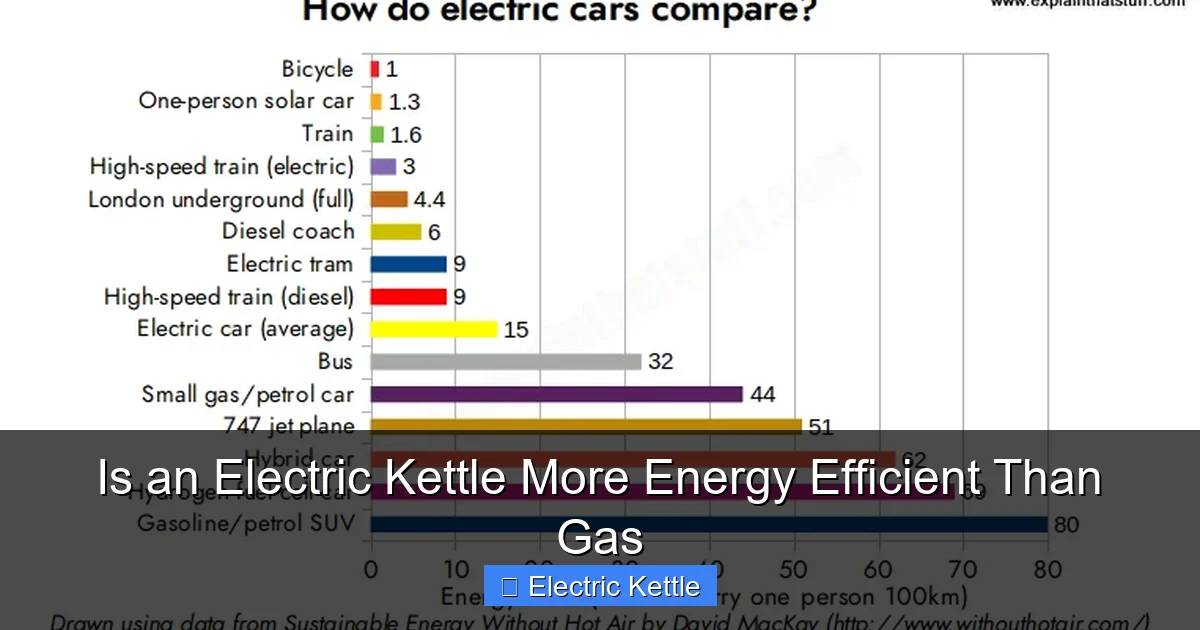
Visual guide about Is an Electric Kettle More Energy Efficient Than Gas
Image source: cdn4.explainthatstuff.com
Understanding Thermal Efficiency
Thermal efficiency is the percentage of energy from a fuel source that is converted into useful heat. For example, if you burn gas to heat water, not all the heat goes into the water. Some escapes into the air, some heats the pot, and some is lost through radiation. The same applies to electricity: not all the electrical energy becomes heat in the water.
Electric kettles typically achieve 75–85% thermal efficiency, meaning most of the electricity they use goes directly into heating the water. In contrast, gas stovetops are far less efficient, operating at only 30–40% efficiency. That means more than half of the energy from the gas flame is wasted.
Why Efficiency Matters
Higher efficiency means less energy is needed to achieve the same result. For boiling water, this translates to faster heating times, lower energy bills, and reduced environmental impact. It also means less heat is released into your kitchen, which can be a big plus during hot summer months.
Let’s say you boil water five times a day. Over a year, the difference in energy use between an electric kettle and a gas stove can add up to hundreds of kilowatt-hours (kWh) or therms of gas. That’s real money and real emissions.
Electric Kettle vs. Gas Stovetop: A Side-by-Side Comparison
Now that we understand efficiency, let’s put electric kettles and gas stovetops head-to-head. We’ll look at speed, energy use, cost, and practicality to see which comes out on top.
Speed: Which Heats Water Faster?
Time is energy, and electric kettles win hands down when it comes to speed. Most modern electric kettles can boil 1 liter of water in 2 to 3 minutes, depending on the model and starting water temperature. Gas stovetops, even on high flame, typically take 4 to 6 minutes for the same amount.
This difference comes down to design. Electric kettles have heating elements submerged directly in the water, allowing for rapid and direct heat transfer. Gas stoves, on the other hand, rely on conduction through the pot’s base, which is slower and less efficient.
Energy Consumption: How Much Power Do They Use?
Let’s look at the numbers. A typical electric kettle uses between 1500 to 3000 watts of power. At 2000 watts, boiling 1 liter of water uses about 0.07 kWh of electricity. Meanwhile, a gas stove burner uses about 10,000 to 15,000 BTUs per hour. To boil the same liter, it might use around 0.03 therms of natural gas.
But here’s the catch: because gas stoves are so inefficient, you need more total energy to get the same result. Even though gas is cheaper per unit than electricity in many areas, the inefficiency means you end up using more of it.
Cost Comparison: Which Is Cheaper to Operate?
Let’s do a quick cost calculation. Suppose electricity costs $0.15 per kWh and natural gas costs $1.20 per therm. Boiling 1 liter of water:
- Electric kettle: 0.07 kWh × $0.15 = $0.0105
- Gas stove: 0.03 therms × $1.20 = $0.036
That means the electric kettle is over three times cheaper per boil in this example. Even if gas prices drop or electricity prices rise, the efficiency gap keeps electric kettles ahead for small to medium volumes.
Practicality and Convenience
Beyond numbers, electric kettles offer unmatched convenience. Features like automatic shut-off, boil-dry protection, and temperature control make them safer and easier to use. You don’t have to stand over the stove, worry about forgetting the pot, or risk burns from open flames.
Gas stoves require more attention. You need to monitor the flame, adjust heat, and remember to turn it off. They also take up stovetop space, which can be a problem in small kitchens.
The Science Behind the Efficiency Gap
So why are electric kettles so much more efficient? It all comes down to how heat is transferred and contained.
Direct vs. Indirect Heating
Electric kettles use direct heating. The heating element is inside the water, so nearly all the energy goes into raising the water’s temperature. There’s minimal heat loss because the water surrounds the element.
Gas stoves use indirect heating. The flame heats the bottom of the pot, which then transfers heat to the water. This process is slower and less efficient because heat escapes from the sides and top of the pot, and much of the flame’s energy never touches the pot at all.
Heat Loss and Environmental Factors
Gas stoves lose a lot of heat to the surrounding air. Studies show that up to 60% of the heat from a gas flame doesn’t reach the pot. Wind, drafts, or even a poorly fitting lid can increase this loss.
Electric kettles are enclosed, which helps retain heat. Many models also have insulated walls or double-layer designs that reduce heat loss. This means more energy stays in the water, not the kitchen.
Thermostatic Control and Precision
Many electric kettles come with temperature control settings, allowing you to heat water to specific temperatures (e.g., 175°F for green tea or 200°F for French press). This prevents overheating and saves energy by not boiling water hotter than needed.
Gas stoves lack this precision. You’re usually stuck with “low,” “medium,” or “high”—none of which are accurate for delicate brews. Overheating wastes energy and can ruin your tea or coffee.
Environmental Impact: Which Is Greener?
Energy efficiency isn’t just about cost—it’s also about sustainability. The way we boil water affects our carbon footprint, especially as climate change becomes a pressing issue.
Carbon Emissions: Electricity vs. Gas
The environmental impact depends on your energy source. If your electricity comes from coal or natural gas, electric kettles still have a lower carbon footprint than gas stoves due to their higher efficiency. But if your grid uses renewable energy—like solar, wind, or hydro—the advantage grows even larger.
For example, in regions with clean energy grids (like Norway or Iceland), electric kettles produce near-zero emissions per use. In contrast, burning natural gas always releases carbon dioxide, a greenhouse gas.
Lifecycle and Manufacturing Impact
It’s also worth considering the full lifecycle of each appliance. Electric kettles are generally made of stainless steel or plastic, with simple internal components. They have fewer parts than gas stoves and last 5–10 years with proper care.
Gas stoves are more complex, with burners, igniters, and gas lines. They require more materials and energy to manufacture and maintain. However, if you already have a gas stove, using it for boiling water avoids the environmental cost of buying a new electric kettle.
Long-Term Sustainability
As the world shifts toward electrification and renewable energy, electric appliances like kettles are becoming greener over time. Gas, on the other hand, remains a fossil fuel with inherent emissions.
Experts predict that by 2030, over 50% of global electricity could come from renewable sources. That means every electric kettle use will have a smaller carbon footprint in the future—something gas can’t match.
Practical Tips for Maximizing Efficiency
Whether you choose electric or gas, there are ways to boil water more efficiently. Here are some practical tips to get the most out of your setup.
Use the Right Amount of Water
Only boil as much water as you need. Filling a kettle or pot to the top when you only need one cup wastes energy. Most electric kettles have minimum and maximum fill lines—stick to them.
Choose the Right Pot for Gas
If you’re using a gas stove, use a pot with a flat, thick base that matches the burner size. This maximizes contact and reduces heat loss. A lid also helps trap heat and speed up boiling.
Keep Your Appliances Clean
Limescale buildup in electric kettles can insulate the heating element, reducing efficiency. Clean your kettle regularly with vinegar or a descaling solution. For gas stoves, clean burners to ensure even flames.
Use Residual Heat
On a gas stove, turn off the flame a minute before the water boils. The residual heat will finish the job, saving gas. With electric kettles, this isn’t necessary—they shut off automatically.
Consider a Kettle with Insulation
Some electric kettles have double-wall insulation that keeps water hot for hours. This means you can boil once and use the water for multiple cups without reheating—great for offices or families.
When Gas Might Be the Better Choice
Despite the clear advantages of electric kettles, gas stoves aren’t obsolete. There are situations where they might be more practical or efficient.
Boiling Large Volumes
For boiling more than 1.5 liters of water—say, for pasta or canning—a gas stove can be more efficient. Large electric kettles are less common and may take longer or overheat. A big pot on a gas burner can handle the volume better.
Power Outages and Off-Grid Living
If you live in an area with frequent power outages or rely on propane, gas stoves are more reliable. Electric kettles won’t work without electricity, but gas can keep cooking—and boiling water—during blackouts.
Cooking Integration
Gas stoves allow you to boil water and cook food simultaneously. If you’re making soup or stew, it’s often easier to heat water in the same pot rather than using a separate kettle.
Initial Cost and Accessibility
Electric kettles require an outlet and initial purchase cost (typically $20–$60). If you’re on a tight budget or don’t have counter space, using your existing gas stove might be the more practical choice—at least for now.
Conclusion: The Verdict on Energy Efficiency
So, is an electric kettle more energy efficient than gas? The answer is a resounding yes—for most everyday uses.
Electric kettles are faster, use less energy, cost less to operate, and have a smaller environmental footprint. Their direct heating method, automatic features, and precision make them the superior choice for boiling water in homes, offices, and cafes.
Gas stoves have their place—especially for large volumes, off-grid situations, or integrated cooking—but they simply can’t match the efficiency of a well-designed electric kettle. As energy prices rise and sustainability becomes a priority, switching to an electric kettle is a small change with big benefits.
If you’re still using a gas stove to boil water for your morning tea, it might be time to make the switch. Not only will you save time and money, but you’ll also be doing your part for the planet—one efficient boil at a time.
Frequently Asked Questions
Is it cheaper to boil water with an electric kettle or gas?
Yes, electric kettles are generally cheaper to operate than gas stoves for boiling water. Due to higher efficiency, they use less energy per boil, resulting in lower costs over time—even if electricity is more expensive per unit than gas.
Do electric kettles use a lot of electricity?
Electric kettles use a significant amount of power (1500–3000 watts), but they operate for only a few minutes. This short usage time means their total energy consumption per boil is low—typically around 0.07 kWh—making them efficient overall.
Can I use an electric kettle during a power outage?
No, electric kettles require electricity to function. If you experience frequent power outages, a gas stove or portable camping stove may be a better backup option for boiling water.
Are electric kettles safer than gas stoves?
Yes, electric kettles are generally safer. They feature automatic shut-off, boil-dry protection, and no open flame, reducing the risk of burns, fires, or gas leaks. Gas stoves require more caution and monitoring.
Do electric kettles last longer than gas stoves?
Electric kettles typically last 5–10 years with proper care, while gas stoves can last 10–15 years or more. However, kettles have fewer components and are less prone to mechanical failure, often requiring less maintenance.
Can I boil water on a gas stove as efficiently as an electric kettle?
Not quite. Even with best practices—like using a lid and the right-sized pot—gas stoves are inherently less efficient due to heat loss. An electric kettle will almost always use less energy and boil water faster for typical household amounts.