An electric tea kettle is often better than a stovetop model due to faster heating, precise temperature control, and enhanced safety features. It’s ideal for tea lovers, busy households, and anyone who values efficiency and consistency in their daily routine.
Key Takeaways
- Faster boiling times: Electric kettles heat water significantly quicker than stovetop kettles, often in under 5 minutes.
- Precise temperature control: Many models offer variable temperature settings, perfect for different tea types like green, black, or oolong.
- Energy efficiency: Electric kettles use less energy by heating only the water needed, reducing waste.
- Enhanced safety features: Auto shut-off, boil-dry protection, and cool-touch exteriors make them safer to use.
- Convenience and ease of use: One-touch operation, cordless designs, and keep-warm functions simplify daily use.
- Modern design and durability: Sleek builds, stainless steel or glass options, and long-lasting performance appeal to modern kitchens.
- Ideal for small spaces: Compact and countertop-friendly, electric kettles are great for apartments, offices, or dorm rooms.
📑 Table of Contents
- Is an Electric Tea Kettle Better? A Complete Guide to Modern Brewing
- Speed and Efficiency: Why Electric Kettles Boil Faster
- Precision Temperature Control: The Secret to Perfect Tea
- Safety Features: Peace of Mind with Every Boil
- Convenience and Ease of Use: Designed for Modern Life
- Design and Durability: Style Meets Function
- Cost and Value: Is It Worth the Investment?
- Conclusion: Is an Electric Tea Kettle Better?
Is an Electric Tea Kettle Better? A Complete Guide to Modern Brewing
Imagine this: It’s early morning, and you’re craving a warm cup of green tea to kickstart your day. You fill your stovetop kettle, place it on the burner, and wait—sometimes up to 10 minutes—for the water to boil. Meanwhile, your coffee brews, your toast pops, and you’re still waiting. Now, picture the same scenario with an electric tea kettle. You press a button, walk away, and in under four minutes, your water is ready—hot, precise, and perfect for steeping.
This simple comparison highlights why so many people are switching to electric tea kettles. They’re not just a trendy kitchen gadget; they’re a practical upgrade for anyone who drinks tea, coffee, or even instant soups regularly. Whether you’re a tea connoisseur or just someone who values efficiency, an electric kettle can transform your daily routine. But is an electric tea kettle better than the traditional stovetop version? The answer depends on your needs, lifestyle, and how much you value speed, safety, and precision.
In this guide, we’ll explore the pros and cons of electric tea kettles, compare them to stovetop models, and help you decide whether making the switch is worth it. From energy efficiency to temperature control, we’ll cover everything you need to know to make an informed choice. By the end, you’ll understand why an electric tea kettle might just be the best upgrade your kitchen has seen in years.
Speed and Efficiency: Why Electric Kettles Boil Faster
One of the most obvious advantages of an electric tea kettle is speed. If you’ve ever stood over a stovetop kettle, watching the bubbles slowly form, you know how frustrating a long wait can be. Electric kettles, on the other hand, are designed for rapid heating. Most models can boil a full liter of water in 3 to 5 minutes—sometimes even faster.
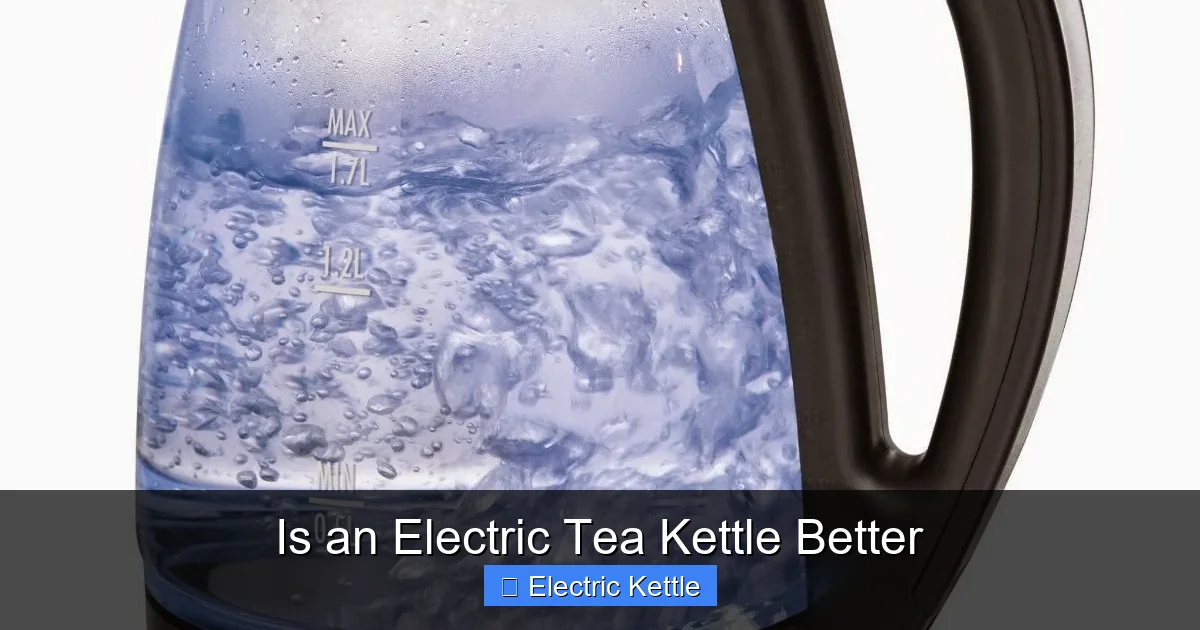
Visual guide about Is an Electric Tea Kettle Better
Image source: 3.bp.blogspot.com
How Electric Kettles Achieve Faster Boiling
Electric kettles use a heating element located directly inside the water reservoir. This direct contact allows heat to transfer more efficiently than a stovetop kettle, which relies on conduction from a burner. There’s no waiting for the pot to heat up first—the water begins warming the moment you press the button. Additionally, electric kettles are often more insulated, retaining heat and reducing energy loss during the boiling process.
Real-World Examples
Let’s say you’re making tea for two. With a stovetop kettle, you might wait 7–10 minutes for the water to boil, especially if your stove is gas or induction. With a high-quality electric kettle like the Breville BKE820XL or Cuisinart CPK-17, that same amount of water boils in under 4 minutes. That’s a time savings of over 50%—time you can use to prepare your tea leaves, set the table, or simply relax.
Energy Efficiency Matters
Faster boiling doesn’t just save time—it saves energy. Electric kettles are generally more energy-efficient than stovetop models because they heat only the water you need. Stovetop kettles often lose heat to the surrounding air, especially on gas burners. Electric kettles, particularly those with insulated walls, minimize this waste. According to the U.S. Department of Energy, electric kettles can be up to 80% more efficient than stovetop kettles, especially when used with the right amount of water.
Precision Temperature Control: The Secret to Perfect Tea
If you’re serious about tea, you know that different types require different water temperatures. Green tea, for example, should be brewed at around 160–180°F (70–80°C), while black tea needs a full boil at 212°F (100°C). Using water that’s too hot can scorch delicate leaves, resulting in a bitter taste. Too cool, and the flavors won’t fully develop.
Variable Temperature Settings
This is where electric tea kettles truly shine. Many modern models come with variable temperature control, allowing you to select the exact heat level for your tea. Some even have preset buttons for green, white, oolong, black, and herbal teas. For example, the Hamilton Beach 40880 offers five temperature settings, while the OXO Brew Adjustable Temperature Pour-Over Kettle lets you dial in any temperature between 140°F and 212°F.
Why Precision Matters
Think of it like baking: using the right temperature ensures the best results. The same applies to tea. A green tea brewed at 175°F will be smooth and aromatic, while one boiled at 212°F might taste harsh and astringent. With an electric kettle, you can consistently achieve the ideal temperature, cup after cup. This level of control is nearly impossible with a stovetop kettle, where you have to guess when the water is “almost boiling” or rely on a separate thermometer.
Bonus: Keep-Warm Function
Some electric kettles go a step further with a keep-warm feature. Once the water reaches the desired temperature, the kettle maintains it for a set period—usually 30 to 60 minutes. This is perfect if you’re brewing multiple cups or preparing a pot of tea. You don’t have to reheat the water, and your tea stays at the optimal temperature for steeping.
Safety Features: Peace of Mind with Every Boil
Safety is a major concern in any kitchen, especially when dealing with boiling water. Electric tea kettles are designed with multiple safety mechanisms to prevent accidents and give users peace of mind.
Auto Shut-Off and Boil-Dry Protection
One of the most important safety features is auto shut-off. Once the water reaches boiling point (or your selected temperature), the kettle automatically turns off. This prevents overheating, reduces the risk of fire, and saves energy. Even if you forget about it, the kettle won’t keep boiling indefinitely.
Even better, many models include boil-dry protection. If you accidentally turn on the kettle without water, the heating element won’t activate. This protects the kettle from damage and prevents potential hazards. For example, the KitchenAid KEK1222OB has both auto shut-off and boil-dry protection, making it a reliable choice for busy households.
Cool-Touch Exteriors and Secure Lids
Another safety advantage is the cool-touch exterior. Unlike stovetop kettles, which can become extremely hot to the touch, many electric kettles have insulated handles and bodies that stay cool even when the water inside is boiling. This reduces the risk of burns, especially in homes with children or elderly users.
Additionally, electric kettles often have secure, locking lids that prevent spills during pouring. Some models, like the Breville BKE820XL, feature a slow-release lid that opens gradually to avoid steam burns. These small details make a big difference in everyday safety.
Stability and Cordless Design
Most electric kettles are cordless, meaning the pot lifts off the base for easy pouring. This reduces the risk of tripping over cords or accidentally pulling the kettle off the counter. The base remains stationary, and the kettle sits securely when not in use. This design is especially helpful in small kitchens or crowded countertops.
Convenience and Ease of Use: Designed for Modern Life
Let’s face it—modern life is busy. We want appliances that make things easier, not more complicated. Electric tea kettles are built with convenience in mind, offering features that simplify your daily routine.
One-Touch Operation
With an electric kettle, making tea is as simple as filling it, pressing a button, and walking away. There’s no need to monitor the stove, adjust the flame, or listen for a whistle. Many models have intuitive controls with clear labels, so you can select your temperature or start boiling with a single touch.
Water Level Indicators and Easy Filling
Most electric kettles have clear water level indicators, so you can see exactly how much water you’re adding. This helps you avoid overfilling or underfilling, both of which can affect performance. Some models, like the Cuisinart CPK-17, have wide openings that make filling and cleaning easy. Others include removable filters to catch limescale and debris, ensuring cleaner water and better-tasting tea.
Quiet Operation
Unlike stovetop kettles that whistle or rumble, many electric kettles operate quietly. This is especially useful in open-plan homes or early mornings when you don’t want to disturb others. High-end models like the Smeg KLF04 are designed for near-silent boiling, making them ideal for light sleepers or shared spaces.
Portability and Multi-Purpose Use
Electric kettles aren’t just for tea. They’re great for instant coffee, oatmeal, noodles, baby formula, and even sterilizing bottles. Their portability makes them perfect for offices, dorm rooms, RVs, or travel. Some compact models, like the Bonavita 1.0L Gooseneck Kettle, are lightweight and easy to pack, so you can enjoy your favorite brew anywhere.
Design and Durability: Style Meets Function
Gone are the days when electric kettles were bulky, plastic, and unattractive. Today’s models come in a variety of styles, materials, and colors to match any kitchen decor.
Material Options
Electric kettles are available in stainless steel, glass, ceramic, and BPA-free plastic. Stainless steel models, like the Hamilton Beach 40880, are durable, rust-resistant, and easy to clean. Glass kettles, such as the Breville BKE820XL, offer a sleek, modern look and let you watch the water boil—a satisfying visual experience. Ceramic kettles, like those from Le Creuset, add a touch of elegance and retain heat well.
Sleek and Space-Saving
Many electric kettles have a compact, vertical design that takes up less counter space than traditional kettles. Some even have cord storage built into the base, keeping your countertop tidy. The OXO Brew Compact Electric Kettle, for example, is only 8 inches tall and fits easily under cabinets.
Long-Term Durability
Quality electric kettles are built to last. With proper care—like descaling regularly and avoiding overfilling—they can serve you well for 5 to 10 years. Brands like Breville, Cuisinart, and KitchenAid offer warranties and reliable customer support, giving you confidence in your purchase.
Cost and Value: Is It Worth the Investment?
Electric kettles range in price from $20 to $150+, depending on features and brand. While they may cost more upfront than a basic stovetop kettle, the long-term value is clear.
Initial Cost vs. Long-Term Savings
A simple electric kettle might cost $30, while a high-end model with temperature control and gooseneck spout could be $120. Compare that to a $15 stovetop kettle, and the difference seems significant. But consider the savings in time, energy, and improved tea quality. Over time, those benefits add up.
Energy Savings Over Time
Because electric kettles are more energy-efficient, they can lower your electricity bill slightly, especially if you boil water frequently. While the savings per use are small, they accumulate over months and years. Plus, the convenience and consistency they offer are hard to put a price on.
Who Should Buy One?
An electric tea kettle is worth it if you:
- Drink tea or coffee daily
- Value speed and convenience
- Want precise temperature control
- Have a small kitchen or limited stove space
- Live in an apartment, dorm, or office
- Are safety-conscious, especially with kids or elderly users
Even if you only use it a few times a week, the ease of use and reliability make it a worthwhile addition to your kitchen.
Conclusion: Is an Electric Tea Kettle Better?
So, is an electric tea kettle better? For most people, the answer is a resounding yes. They offer faster boiling, precise temperature control, enhanced safety, and unmatched convenience. Whether you’re a tea enthusiast or just someone who wants hot water quickly, an electric kettle can simplify your routine and improve your daily experience.
While stovetop kettles have their charm—nostalgia, simplicity, and lower upfront cost—they can’t match the performance and features of modern electric models. The time saved, energy conserved, and consistency achieved make electric kettles a smart investment for today’s fast-paced world.
If you’re still on the fence, consider this: how much is your time worth? How often do you wish your water would boil faster? How much do you value a perfectly brewed cup of tea? If those things matter to you, then an electric tea kettle isn’t just better—it’s essential.
Frequently Asked Questions
Are electric kettles safe to use?
Yes, electric kettles are very safe when used properly. Most models include auto shut-off, boil-dry protection, and cool-touch exteriors to prevent accidents. Always follow the manufacturer’s instructions and avoid overfilling.
Do electric kettles use a lot of electricity?
No, electric kettles are actually energy-efficient. They use less power than stovetop kettles because they heat water directly and quickly. On average, boiling a liter of water uses about 0.1 kWh, which costs just a few cents.
Can I use an electric kettle for coffee?
Absolutely! Electric kettles are great for pour-over coffee, French press, and instant coffee. Some models even have gooseneck spouts for precise pouring, making them ideal for coffee brewing.
How do I clean an electric kettle?
Clean your kettle regularly by descaling with a mixture of vinegar and water or a commercial descaling solution. Rinse thoroughly and wipe the exterior with a damp cloth. Avoid submerging the base in water.
Can I leave water in an electric kettle?
It’s best not to leave water in the kettle for long periods, as it can promote limescale buildup and affect taste. Empty and rinse the kettle after each use, especially if you live in a hard water area.
Do electric kettles work during a power outage?
No, electric kettles require electricity to function. If you need hot water during a power outage, a stovetop kettle or portable camping stove would be a better option.