Electric kettles are generally safe and healthy when used properly. They offer convenience, energy efficiency, and faster boiling times, but material quality and maintenance matter. Choosing the right kettle and cleaning it regularly ensures you enjoy hot beverages without health risks.
Key Takeaways
- Electric kettles are convenient and energy-efficient: They boil water faster than stovetop methods and use less energy, making them a smart choice for daily use.
- Material matters for health safety: Stainless steel, glass, and BPA-free plastic kettles are safer options. Avoid low-quality plastics that may leach chemicals when heated.
- Regular cleaning prevents bacterial buildup: Mineral deposits and mold can grow inside kettles. Clean yours weekly with vinegar or a descaling solution.
- Boiling water kills harmful pathogens: Using an electric kettle ensures water reaches 100°C, effectively eliminating bacteria, viruses, and parasites.
- Avoid reboiling water repeatedly: Repeated boiling can concentrate impurities and increase mineral content, which may affect taste and health over time.
- Choose kettles with automatic shut-off: This feature prevents overheating and reduces fire risks, adding a layer of safety to your routine.
- Electric kettles support healthy hydration: Quick access to hot water encourages tea, herbal infusions, and warm lemon water—great for digestion and immunity.
📑 Table of Contents
- Is Electric Kettle Good for Health? A Comprehensive Guide
- How Electric Kettles Work and Why They’re Popular
- Health Benefits of Using an Electric Kettle
- Potential Health Risks and How to Avoid Them
- Choosing the Right Electric Kettle for Health and Safety
- Best Practices for Healthy Electric Kettle Use
- Conclusion: Is Electric Kettle Good for Health?
Is Electric Kettle Good for Health? A Comprehensive Guide
Imagine starting your morning with a steaming cup of green tea or winding down at night with a soothing chamomile blend. For millions of people around the world, an electric kettle is the silent hero behind these comforting rituals. But beyond convenience, many wonder: Is electric kettle good for health? The answer isn’t just a simple yes or no—it depends on how you use it, what it’s made of, and how well you maintain it.
Electric kettles have become a staple in modern kitchens. They’re fast, efficient, and easy to use. Whether you’re brewing coffee, preparing instant noodles, or making a warm compress, an electric kettle delivers hot water in minutes. But as with any kitchen appliance that interacts with food and water, health considerations come into play. From the materials used in construction to the way water is heated and stored, every detail can impact your well-being. In this guide, we’ll explore the health benefits and potential risks of using an electric kettle, so you can make informed choices and enjoy your hot drinks with peace of mind.
How Electric Kettles Work and Why They’re Popular
Electric kettles operate by using an internal heating element—usually hidden beneath the water reservoir—to rapidly heat water to boiling point. Most models feature automatic shut-off mechanisms that turn the kettle off once the water reaches 100°C (212°F), preventing overheating and saving energy. This process is not only faster than boiling water on a stove but also more energy-efficient, especially if you only need a small amount of hot water.
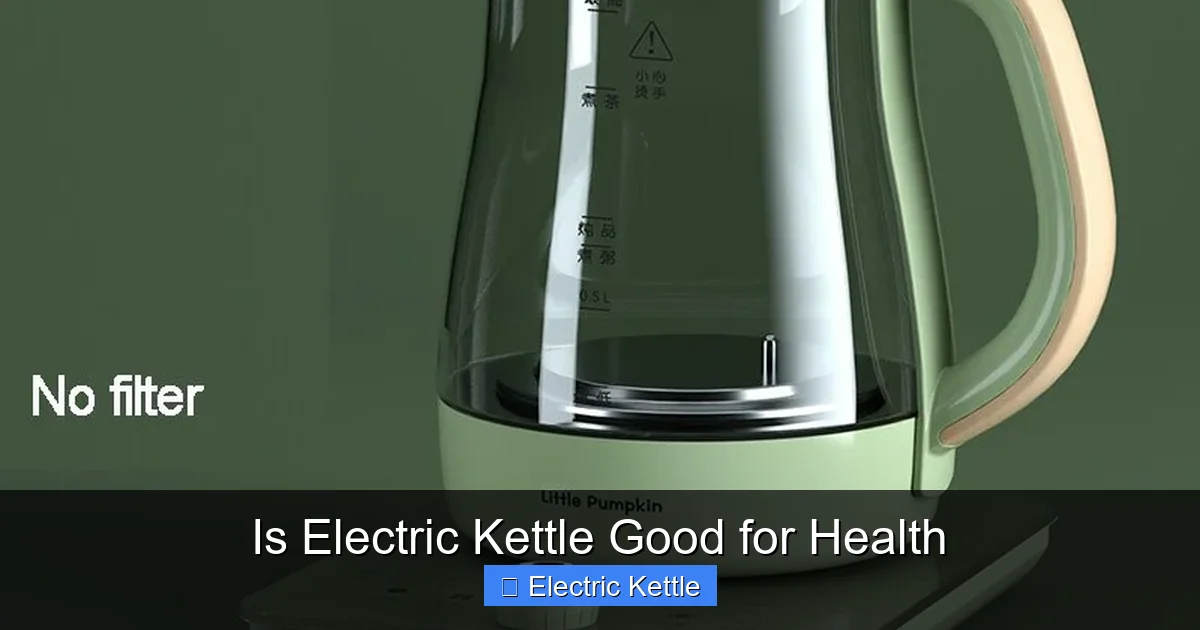
Visual guide about Is Electric Kettle Good for Health
Image source: images.nexusapp.co
Speed and Efficiency
One of the biggest advantages of electric kettles is speed. While a stovetop kettle might take 5–7 minutes to boil, an electric kettle can do it in 2–4 minutes, depending on the model and water volume. This is especially helpful during busy mornings or when you’re in a rush. Faster boiling also means less waiting time, which encourages people to drink more hot beverages like tea and herbal infusions—both of which are linked to various health benefits.
Energy Savings
Electric kettles are more energy-efficient than stovetops because they transfer heat directly to the water with minimal loss. According to studies, electric kettles use about 20–30% less energy than gas or electric stoves for the same task. This not only reduces your utility bills but also lowers your carbon footprint, making it a greener choice for environmentally conscious households.
Convenience and Safety Features
Modern electric kettles come with a range of safety and convenience features. Automatic shut-off prevents the kettle from boiling dry, which could damage the appliance or pose a fire hazard. Many models also include boil-dry protection, temperature control settings, and keep-warm functions. These features make electric kettles safer and more user-friendly, especially in homes with children or elderly individuals.
Health Benefits of Using an Electric Kettle
When used correctly, electric kettles can contribute positively to your health. The primary benefit lies in their ability to quickly and safely boil water, which is essential for killing harmful microorganisms. But there are several other ways an electric kettle supports a healthy lifestyle.
Kills Harmful Bacteria and Pathogens
Boiling water is one of the most effective ways to make it safe for consumption. When water reaches 100°C, it eliminates bacteria like E. coli, Salmonella, and viruses such as hepatitis A. This is especially important if you’re using tap water from areas with questionable water quality or if you’re traveling. An electric kettle ensures your water is boiled thoroughly and quickly, giving you peace of mind with every cup.
Encourages Healthy Beverage Consumption
Having instant access to hot water makes it easier to enjoy health-boosting drinks. Herbal teas, green tea, ginger infusions, and warm lemon water are all simple to prepare with an electric kettle. These beverages are rich in antioxidants, support digestion, boost immunity, and promote hydration. For example, green tea contains catechins that may help reduce inflammation and lower the risk of chronic diseases. Drinking warm water with lemon in the morning can aid digestion and kickstart your metabolism.
Supports Hydration Without Added Sugars
Unlike sugary sodas or energy drinks, hot water from an electric kettle is calorie-free and hydrating. By making it easy to prepare unsweetened teas and infusions, electric kettles help reduce reliance on processed beverages. This supports weight management, dental health, and overall wellness. Plus, warm liquids can be more soothing and satisfying, encouraging you to drink more throughout the day.
Preserves Nutrients in Tea and Herbs
Some electric kettles come with temperature control settings, allowing you to heat water to specific temperatures ideal for different types of tea. For instance, green tea brews best at 70–80°C, while black tea needs near-boiling water. Using the right temperature helps preserve delicate nutrients and prevents bitterness. This means you get the full health benefits of your tea without compromising flavor.
Potential Health Risks and How to Avoid Them
While electric kettles offer many benefits, there are some health concerns to be aware of—especially if the appliance is poorly made or not maintained properly. The good news is that most of these risks can be easily avoided with the right knowledge and habits.
Chemical Leaching from Low-Quality Materials
One of the biggest concerns is the potential leaching of harmful chemicals from the kettle’s interior. Cheaper models made from low-grade plastic or coated metals may release toxins like BPA (bisphenol A), phthalates, or nickel when heated. These chemicals have been linked to hormonal disruptions, reproductive issues, and other health problems.
To avoid this, always choose kettles made from food-safe materials. Stainless steel (especially 304 or 18/8 grade), borosilicate glass, and BPA-free plastic are the safest options. Look for certifications like FDA approval or LFGB compliance, which indicate the materials are safe for food contact.
Mineral Buildup and Scale Formation
Hard water contains high levels of calcium and magnesium, which can form limescale inside your kettle over time. This not only affects performance but can also harbor bacteria and alter the taste of your water. In severe cases, ingesting large amounts of scale may contribute to mineral imbalances in the body.
The solution is regular descaling. Use a mixture of white vinegar and water (1:1 ratio), let it sit for 30–60 minutes, then rinse thoroughly. Alternatively, use a commercial descaling solution. Doing this once a month (or more often in hard water areas) keeps your kettle clean and your water tasting fresh.
Bacterial Growth in Damp Environments
After use, residual water can remain in the kettle, creating a moist environment where mold and bacteria thrive. Staphylococcus, E. coli, and even Legionella have been found in poorly maintained kettles. These microbes can cause gastrointestinal issues and infections, especially in people with weakened immune systems.
To prevent this, always empty the kettle after use and leave the lid open to air dry. Wipe the interior with a clean cloth weekly. Avoid storing water in the kettle for long periods, especially overnight.
Reboiling Water and Impurity Concentration
Reboiling water multiple times can concentrate dissolved solids like nitrates, arsenic, and heavy metals, especially if the water volume decreases significantly. While occasional reboiling isn’t dangerous, making it a habit may increase your exposure to these contaminants over time.
Best practice: Only boil the amount of water you need. If you must reboil, add fresh water to dilute any concentrated impurities. Using filtered water can also reduce the presence of harmful substances.
Choosing the Right Electric Kettle for Health and Safety
Not all electric kettles are created equal. When shopping for one, prioritize health and safety features to ensure you’re making a smart investment.
Material: Stainless Steel, Glass, or BPA-Free Plastic?
Stainless steel is the most popular and durable choice. It’s non-reactive, easy to clean, and doesn’t retain odors. Look for kettles with a seamless interior to prevent bacteria buildup. Glass kettles are visually appealing and allow you to see the water boiling, but they can be fragile and may contain trace metals. BPA-free plastic is lightweight and affordable, but ensure it’s high-quality and doesn’t warp under heat.
Temperature Control and Preset Options
If you’re a tea enthusiast, consider a kettle with variable temperature settings. This allows you to brew delicate teas at the optimal temperature, preserving flavor and nutrients. Some advanced models even have presets for green, white, oolong, and black tea.
Automatic Shut-Off and Boil-Dry Protection
These safety features are non-negotiable. Automatic shut-off prevents overheating, while boil-dry protection turns off the kettle if there’s no water inside. These reduce fire risks and extend the kettle’s lifespan.
Ease of Cleaning and Maintenance
Choose a kettle with a wide opening and removable limescale filter. This makes cleaning easier and more effective. Some models have self-cleaning functions or indicator lights that remind you when descaling is needed.
Certifications and Brand Reputation
Stick to reputable brands that provide clear information about materials and safety standards. Look for certifications like UL, CE, or RoHS, which indicate compliance with international safety and environmental regulations.
Best Practices for Healthy Electric Kettle Use
Owning a high-quality kettle is only half the battle. How you use and maintain it plays a crucial role in your health.
Clean Your Kettle Weekly
Even if you use filtered water, mineral deposits and bacteria can accumulate. Clean your kettle at least once a week using vinegar or a descaling solution. For glass or stainless steel kettles, a soft brush can help remove stubborn scale.
Use Filtered Water When Possible
Filtered water reduces chlorine, heavy metals, and other contaminants, improving taste and safety. It also minimizes scale buildup, extending your kettle’s life.
Don’t Overfill or Underfill
Most kettles have minimum and maximum water level markers. Overfilling can cause spills and damage the electrical components. Underfilling may trigger the boil-dry protection or reduce efficiency.
Avoid Reboiling Water Repeatedly
Only boil what you need. If you must reheat, add fresh water to dilute any concentrated impurities.
Store Properly
After use, empty the kettle and leave the lid open to dry. Store in a cool, dry place away from direct sunlight or heat sources.
Replace When Necessary
Even the best kettles wear out over time. If you notice rust, strange odors, or performance issues, it’s time for a replacement. Most kettles last 3–5 years with proper care.
Conclusion: Is Electric Kettle Good for Health?
So, is electric kettle good for health? The answer is a resounding yes—when used responsibly. Electric kettles offer numerous health benefits, from killing harmful pathogens to encouraging the consumption of nutritious beverages. They’re fast, efficient, and convenient, making it easier to stay hydrated and enjoy daily rituals like tea time.
However, health risks can arise from poor-quality materials, lack of maintenance, or improper use. By choosing a kettle made from safe materials, cleaning it regularly, and following best practices, you can enjoy all the advantages without the downsides. Think of your electric kettle not just as a kitchen tool, but as a partner in your wellness journey. Whether you’re sipping on antioxidant-rich green tea or warming up with a ginger-lemon infusion, your kettle helps you do it safely, quickly, and deliciously.
In the end, the health impact of an electric kettle comes down to mindful choices. Invest in a quality appliance, treat it well, and it will serve you—and your health—for years to come.
Frequently Asked Questions
Can an electric kettle make you sick?
An electric kettle itself won’t make you sick if it’s clean and made from safe materials. However, bacteria or mineral buildup from poor maintenance can contaminate water. Regular cleaning and using filtered water prevent this risk.
Is it safe to drink water boiled in a plastic electric kettle?
It’s safe as long as the kettle is labeled BPA-free and made from food-grade plastic. Avoid cheap, unmarked plastic kettles, as they may leach harmful chemicals when heated.
How often should I clean my electric kettle?
Clean your electric kettle at least once a week with vinegar or a descaling solution. If you live in a hard water area, clean it every 3–4 days to prevent limescale buildup.
Can I leave water in my electric kettle overnight?
It’s not recommended. Stagnant water can promote bacterial growth and mineral concentration. Always empty and dry the kettle after use.
Does reboiling water in an electric kettle reduce oxygen?
Reboiling water can reduce dissolved oxygen slightly, but this doesn’t significantly impact health. The main concern is the concentration of impurities, not oxygen loss.
Are glass electric kettles healthier than stainless steel?
Both are healthy options. Glass is non-reactive and easy to clean, but can break. Stainless steel is durable and retains heat well. Choose based on your needs and preferences.