Electric kettles are generally safe and convenient, but concerns about materials, overheating, and mineral buildup raise valid questions. This article explores potential risks, debunks myths, and offers practical tips to use your electric kettle safely and efficiently.
Key Takeaways
- Most electric kettles are safe when used correctly: Modern models meet strict safety standards and are designed for everyday use without posing health risks.
- Material matters: Kettles made from high-quality stainless steel or BPA-free plastic are safer than low-grade plastics that may leach chemicals.
- Overheating and dry boiling can damage the kettle: Always ensure there’s water in the kettle before turning it on to prevent overheating and potential hazards.
- Mineral buildup affects performance and taste: Regular descaling prevents limescale accumulation, which can impact heating efficiency and water flavor.
- Noise and steam are normal but manageable: While some noise and steam are expected, excessive levels may indicate a problem with the unit or usage.
- Energy efficiency outweighs minor concerns: Electric kettles use less energy than stovetop methods, making them eco-friendly and cost-effective.
- Proper maintenance ensures longevity and safety: Cleaning, descaling, and following manufacturer guidelines keep your kettle in top condition.
📑 Table of Contents
- Is Electric Kettle Harmful? Understanding the Facts
- How Electric Kettles Work: A Simple Breakdown
- Are Electric Kettles Made from Safe Materials?
- Common Myths and Misconceptions About Electric Kettles
- Safety Risks and How to Avoid Them
- Health Impacts: What Science Says
- Tips for Safe and Healthy Electric Kettle Use
- Conclusion: Are Electric Kettles Harmful?
Is Electric Kettle Harmful? Understanding the Facts
Electric kettles have become a staple in modern kitchens. From brewing morning coffee to preparing instant noodles, they offer speed, convenience, and energy efficiency. But with growing awareness about health and environmental impacts, many people are asking: Is electric kettle harmful?
It’s a fair question. After all, we’re heating water—sometimes multiple times a day—using electrical components and various materials. Could there be hidden dangers? Are we unknowingly exposing ourselves to toxins, radiation, or long-term health risks? The short answer is: electric kettles are generally safe, but like any appliance, they come with caveats. Understanding how they work, what they’re made of, and how to use them properly can help you make informed decisions.
In this article, we’ll dive deep into the potential risks and benefits of electric kettles. We’ll examine the materials used in their construction, explore common safety concerns, and separate fact from fiction. Whether you’re a daily tea drinker or just curious about kitchen appliances, this guide will give you the knowledge you need to use your electric kettle with confidence.
How Electric Kettles Work: A Simple Breakdown
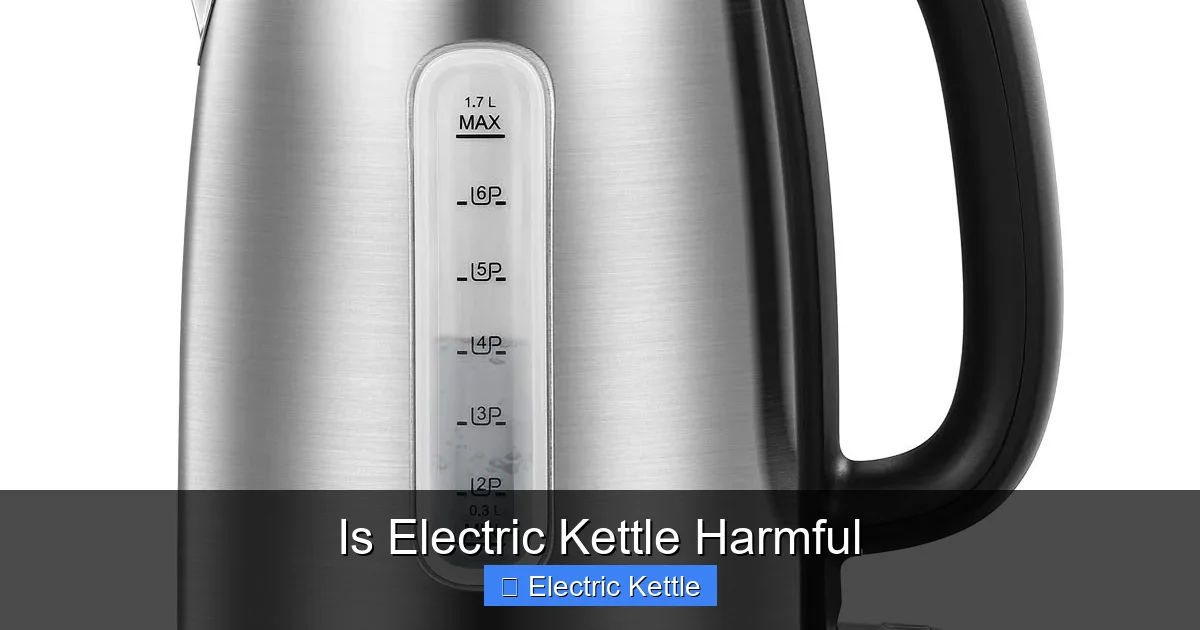
Visual guide about Is Electric Kettle Harmful
Image source: m.media-amazon.com
Before we assess whether an electric kettle is harmful, it helps to understand how it functions. Most electric kettles operate on a straightforward principle: electricity heats a concealed element at the base, which transfers heat to the water inside. Once the water reaches boiling point (usually around 100°C or 212°F), an automatic shut-off mechanism turns off the power, preventing overheating.
This process is fast—typically taking 3 to 5 minutes to boil a liter of water—and far more efficient than using a stovetop kettle or microwave. Because the heating element is sealed beneath the water reservoir, there’s minimal risk of direct contact, and the design reduces energy waste.
Key Components of an Electric Kettle
- Heating element: Usually made of stainless steel or aluminum, this is the part that gets hot. It’s enclosed to prevent contact with water and users.
- Thermostat: Monitors water temperature and triggers the auto shut-off when boiling is reached.
- Body material: Can be plastic, stainless steel, glass, or a combination. This affects durability, safety, and taste.
- Lid and handle: Designed to stay cool to the touch, reducing burn risks.
- Base and cord: The kettle sits on a powered base, allowing rotation for easy pouring.
Understanding these components helps explain why most electric kettles are safe. The enclosed heating system, automatic shut-off, and insulated design minimize risks like burns, fires, or electrical shocks—when used correctly.
Are Electric Kettles Made from Safe Materials?
One of the biggest concerns about electric kettles is the material they’re made from. After all, you’re boiling water in direct contact with the interior, and some materials may leach chemicals when heated. So, is electric kettle harmful due to its construction?
The answer depends largely on the quality and type of materials used.
Stainless Steel Kettles: The Gold Standard
Stainless steel is widely regarded as the safest material for electric kettles. It’s durable, non-reactive, and doesn’t leach harmful substances into water—even when heated repeatedly. High-grade stainless steel (like 304 or 18/8) is especially resistant to corrosion and rust, making it ideal for long-term use.
For example, brands like Breville and Cuisinart often use stainless steel interiors in their premium models. These kettles not only last longer but also preserve the pure taste of water, without any metallic or plastic aftertaste.
Plastic Kettles: Proceed with Caution
Plastic kettles are lightweight and affordable, but they raise more concerns. Lower-quality plastics may contain BPA (bisphenol A) or other endocrine-disrupting chemicals that can leach into hot water. While many manufacturers now use BPA-free plastic, “BPA-free” doesn’t always mean “chemical-free.” Alternatives like BPS or BPF may have similar health risks.
If you own a plastic kettle, check the labeling. Look for certifications like FDA approval or NSF certification, which indicate the material is safe for food contact. Also, avoid scratching the interior, as damaged plastic is more likely to release particles.
Glass Kettles: Beautiful but Fragile
Glass kettles offer a clean, modern look and are generally safe since glass doesn’t react with water. However, they’re more prone to breaking, especially if dropped or exposed to sudden temperature changes. Some glass kettles have plastic components (like lids or handles), so it’s important to verify that all parts are food-safe and heat-resistant.
Kettles with Heating Elements in Contact with Water
Some budget kettles have exposed or partially exposed heating elements. While this doesn’t necessarily make the kettle harmful, it increases the risk of mineral buildup (limescale) and can affect taste. More importantly, if the element is made of low-quality metal, it could corrode over time and contaminate the water.
Always choose kettles with fully enclosed, high-quality heating elements to minimize risk.
Common Myths and Misconceptions About Electric Kettles
With so much information online, it’s easy to fall for myths about electric kettles. Let’s clear up some of the most common misconceptions.
Myth 1: Electric Kettles Emit Harmful Radiation
Some people worry that electric kettles emit electromagnetic fields (EMFs) or radiation that could be harmful. While it’s true that all electrical devices produce low-level EMFs, the amount from an electric kettle is extremely low—far below levels considered dangerous by health organizations like the WHO.
The kettle only operates for a few minutes at a time, and the EMF exposure is minimal and localized. You’re exposed to higher EMFs from your phone, Wi-Fi router, or microwave. So, no—using an electric kettle is not harmful in terms of radiation.
Myth 2: Boiling Water Multiple Times Makes It Toxic
Another common belief is that reboiling water in an electric kettle concentrates toxins or makes the water unsafe. While it’s true that repeated boiling can slightly increase mineral concentration (like nitrates or arsenic in areas with contaminated water), this is only a concern with very poor water quality.
For most people using filtered or tap water in developed countries, reboiling is perfectly safe. In fact, many kettles are designed for multiple uses throughout the day. Just avoid boiling water that’s been sitting for days or has visible impurities.
Myth 3: Electric Kettles Cause Cancer
There’s no scientific evidence linking electric kettle use to cancer. This myth likely stems from fears about plastic leaching or radiation, but as we’ve seen, high-quality kettles don’t pose such risks. As long as you use a well-made kettle and maintain it properly, there’s no reason to believe it’s harmful.
Myth 4: All Plastic Kettles Are Dangerous
Not all plastic kettles are created equal. While cheap, low-quality models may pose risks, many modern plastic kettles are made from safe, BPA-free materials and are rigorously tested. The key is to choose reputable brands and avoid kettles with strong chemical odors or flimsy construction.
Safety Risks and How to Avoid Them
Even though electric kettles are generally safe, improper use can lead to accidents or health concerns. Here are the most common risks and how to prevent them.
Dry Boiling: The Silent Danger
One of the most serious risks is dry boiling—turning on the kettle when it’s empty. This can cause the heating element to overheat, damage the kettle, or even start a fire. Most modern kettles have automatic shut-off features that prevent this, but not all models are equally reliable.
Tip: Always check that there’s water in the kettle before plugging it in. If your kettle doesn’t have a water level indicator, fill it to at least the minimum line.
Overheating and Steam Burns
Steam is a natural byproduct of boiling water, but it can cause burns if you’re not careful. Opening the lid too quickly or leaning over the kettle can expose you to hot steam.
Tip: Open the lid slowly and stand back. Use the handle to pour, and keep children and pets away while the kettle is in use.
Electrical Hazards
Faulty cords, damaged plugs, or using the kettle with wet hands can lead to electric shocks. Always inspect the cord for fraying or damage, and never immerse the base or cord in water.
Tip: Unplug the kettle when not in use, and store it in a dry place. If you notice any electrical issues, stop using it immediately and consult the manufacturer.
Limescale Buildup and Its Effects
In areas with hard water, mineral deposits (limescale) can accumulate inside the kettle. This not only reduces heating efficiency but can also affect the taste of your water and potentially harbor bacteria if not cleaned.
Tip: Descale your kettle regularly using vinegar or a commercial descaling solution. For most users, doing this once a month is sufficient.
Health Impacts: What Science Says
Let’s look at what scientific research says about the health effects of using electric kettles.
Chemical Leaching: What the Studies Show
A 2019 study published in Environmental Science and Pollution Research tested various kettles for chemical leaching. It found that stainless steel and glass kettles showed no significant leaching, while some plastic kettles released trace amounts of antimony and other compounds—especially when new or overheated.
However, the levels detected were well below safety thresholds set by the EPA and WHO. The study concluded that while material choice matters, the risk to human health is low for most users.
Impact on Water Quality
Boiling water kills bacteria and viruses, making it safer to drink. Electric kettles are excellent for this purpose, especially in areas with questionable water quality. However, boiling does not remove chemical contaminants like lead or pesticides—so always use filtered water if your tap water is unsafe.
Energy Use and Environmental Impact
Electric kettles are more energy-efficient than stovetop kettles or microwaves. They heat only the water you need, reducing waste. Over time, this lowers your carbon footprint and energy bills. So, in terms of environmental health, electric kettles are a smart choice.
Tips for Safe and Healthy Electric Kettle Use
To get the most out of your electric kettle while minimizing risks, follow these practical tips:
- Choose the right material: Opt for stainless steel or high-quality glass. Avoid cheap plastic kettles with unknown origins.
- Descale regularly: Use white vinegar or a descaling product monthly to remove limescale.
- Don’t overfill: Leave space at the top to prevent boiling water from spilling out.
- Use filtered water: This reduces mineral buildup and improves taste.
- Clean the exterior: Wipe down the outside with a damp cloth to prevent dust and grime buildup.
- Replace when needed: If your kettle shows signs of damage, rust, or inconsistent heating, it’s time for a new one.
- Follow the manual: Every kettle is different. Read the instructions for optimal use and safety.
Conclusion: Are Electric Kettles Harmful?
So, is electric kettle harmful? The answer is clear: when used properly and made from safe materials, electric kettles are not harmful. They are convenient, energy-efficient, and safe for daily use. Concerns about radiation, chemical leaching, or health risks are largely based on myths or apply only to low-quality products.
The key to safe use lies in choosing a well-made kettle, maintaining it regularly, and following basic safety practices. Stainless steel models are the safest bet, but even quality plastic kettles can be safe if they’re BPA-free and well-maintained.
Rather than fearing your electric kettle, embrace it as a reliable kitchen tool. With a little care, it can serve you well for years—providing hot water for tea, coffee, oatmeal, and more, without compromising your health or safety.
Frequently Asked Questions
Can an electric kettle cause cancer?
No, there is no scientific evidence that electric kettles cause cancer. Concerns about radiation or chemical leaching are unfounded when using high-quality, well-maintained kettles.
Is it safe to drink water boiled in a plastic electric kettle?
It can be safe if the kettle is made from BPA-free, food-grade plastic and is not overheated. However, stainless steel or glass kettles are safer long-term choices.
How often should I descale my electric kettle?
Descale your kettle once a month if you use it daily, or more often in areas with hard water. Use vinegar or a commercial descaling solution.
Can I leave water in my electric kettle overnight?
It’s best not to. Stagnant water can promote bacterial growth and increase mineral buildup. Empty and rinse the kettle after each use.
Why does my electric kettle smell like plastic?
A plastic smell is common with new kettles, especially plastic ones. Boil water 2–3 times and discard it to remove the odor. If it persists, consider switching to a stainless steel model.
Are electric kettles energy-efficient?
Yes, electric kettles are highly energy-efficient. They heat water faster and use less energy than stovetop kettles or microwaves, making them eco-friendly and cost-effective.