Electric kettles are generally safe and convenient, but health concerns may arise from poor-quality materials or improper use. Choosing kettles made from food-grade stainless steel or BPA-free plastic and maintaining them properly can minimize risks and ensure safe, healthy boiling every time.
Key Takeaways
- Material matters: Kettles made from low-quality plastics or metals may leach harmful chemicals when heated, especially at high temperatures.
- Stainless steel is safest: Food-grade 304 stainless steel kettles are non-reactive, durable, and less likely to release toxins.
- Avoid BPA and phthalates: Always choose BPA-free and phthalate-free kettles to prevent endocrine-disrupting chemicals from entering your water.
- Regular cleaning prevents buildup: Mineral deposits and mold can grow inside kettles, affecting taste and potentially harboring bacteria.
- Boil only what you need: Repeatedly reheating water can concentrate impurities, so it’s best to use fresh water each time.
- Check for certifications: Look for safety marks like FDA, LFGB, or CE to ensure the kettle meets health and safety standards.
- Use filtered water: This reduces exposure to chlorine, heavy metals, and other contaminants that may react with kettle materials.
📑 Table of Contents
- Is Electric Kettle Harmful for Health? A Complete Guide
- Understanding Electric Kettle Materials and Health Risks
- Chemical Leaching: Can Electric Kettles Release Toxins?
- The Role of Water Quality in Kettle Safety
- Proper Maintenance: Keeping Your Kettle Safe and Clean
- Choosing a Safe Electric Kettle: What to Look For
- Myths vs. Facts: Debunking Common Concerns
- Conclusion: Are Electric Kettles Harmful for Health?
Is Electric Kettle Harmful for Health? A Complete Guide
Imagine starting your morning with a steaming cup of tea or coffee—quick, easy, and comforting. For millions around the world, the electric kettle is an essential kitchen appliance that makes this ritual possible in under five minutes. But as convenient as they are, some people wonder: Is electric kettle harmful for health? With growing concerns about plastic toxins, metal leaching, and water quality, it’s a valid question worth exploring.
Electric kettles heat water rapidly using an internal heating element, often enclosed in a metal or plastic body. While they’re energy-efficient and faster than stovetop kettles, the materials they’re made from and how they’re used can influence your health. The good news? Most modern electric kettles are safe when chosen wisely and maintained properly. The key lies in understanding the potential risks and knowing how to avoid them.
In this article, we’ll dive deep into the health implications of using an electric kettle. We’ll examine the materials used in construction, the science behind chemical leaching, maintenance tips, and how water quality plays a role. Whether you’re a tea lover, a busy parent, or just someone who values clean, safe drinking water, this guide will help you make informed decisions about your kettle use.
Understanding Electric Kettle Materials and Health Risks
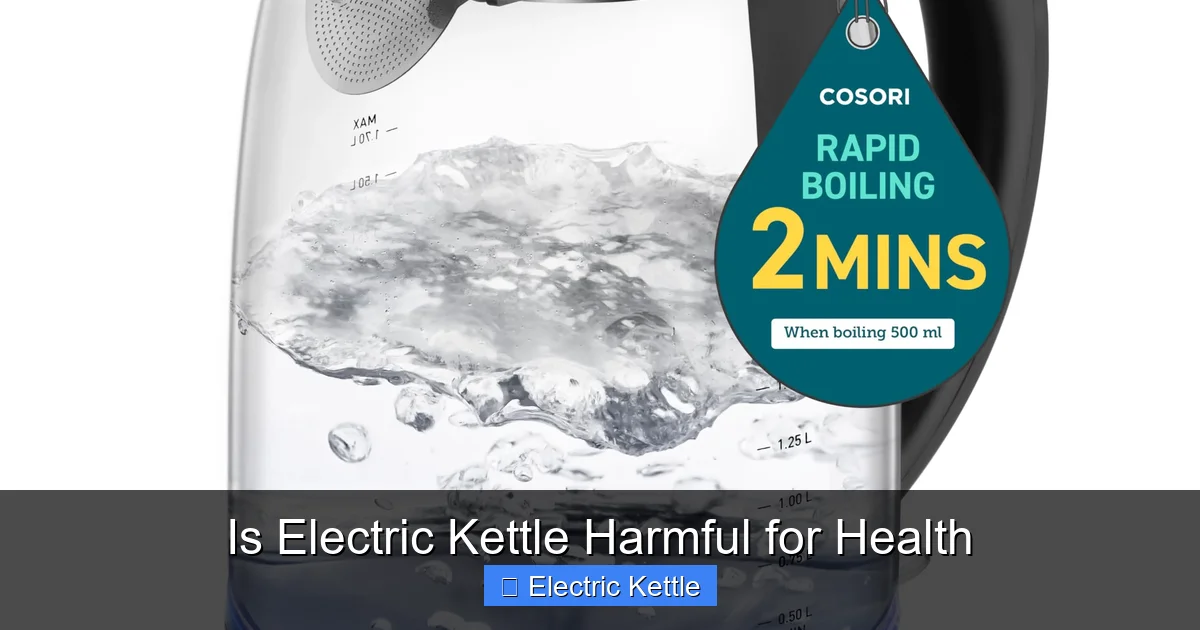
Visual guide about Is Electric Kettle Harmful for Health
Image source: m.media-amazon.com
The first thing to consider when evaluating whether an electric kettle is harmful for health is the material it’s made from. Not all kettles are created equal, and the type of material can significantly impact safety.
Plastic Electric Kettles: Convenience vs. Risk
Plastic kettles are lightweight, affordable, and often come in colorful designs. However, they raise the most concerns when it comes to health. Many plastics contain chemicals like bisphenol A (BPA) and phthalates, which are known endocrine disruptors. These chemicals can mimic hormones in the body and have been linked to reproductive issues, developmental problems in children, and increased cancer risk.
When plastic is heated—especially repeatedly—it can degrade over time, allowing these chemicals to leach into the water. Even “BPA-free” plastics aren’t always safe. Some alternatives, like BPS or BPF, may have similar health risks. A study published in Environmental Health Perspectives found that most commercially available plastics release estrogenic chemicals, even those labeled BPA-free.
For example, if you’ve ever noticed a slight plastic taste in your boiled water, that’s a red flag. It could mean the kettle is releasing volatile compounds. While occasional exposure may not cause immediate harm, long-term use of low-quality plastic kettles could contribute to cumulative health effects.
Stainless Steel Kettles: The Gold Standard
Stainless steel is widely regarded as the safest material for electric kettles. High-quality food-grade stainless steel—particularly 304 or 18/8 grade—is non-reactive, meaning it doesn’t interact with water or release harmful substances when heated.
These kettles are durable, resistant to rust and corrosion, and easy to clean. Because the heating element is usually enclosed within the steel body, there’s minimal risk of metal leaching. However, it’s important to note that not all stainless steel is the same. Cheaper models may use lower-grade steel or have coatings that can wear off over time.
To ensure safety, look for kettles labeled “food-grade stainless steel” or “18/8 stainless steel.” These indicate a higher chromium and nickel content, which enhances corrosion resistance and reduces the chance of metal ions entering your water.
Glass and Ceramic Kettles: Aesthetic and Safe Options
Glass and ceramic kettles are gaining popularity due to their clean, modern look and non-reactive nature. Borosilicate glass, in particular, is heat-resistant and doesn’t leach chemicals. Ceramic kettles, especially those with lead-free glazes, are also safe for boiling water.
One advantage of glass kettles is that you can see inside, making it easier to spot mineral buildup or mold. However, they are more fragile and may not be as durable as stainless steel. Ceramic kettles can be heavier and may take longer to heat, but they’re excellent for those who want to avoid metal and plastic altogether.
Chemical Leaching: Can Electric Kettles Release Toxins?
One of the biggest concerns about electric kettles is whether they release harmful chemicals into the water during the heating process. The answer depends on the materials used and how the kettle is maintained.
Plastic Leaching and BPA Exposure
As mentioned earlier, plastic kettles—especially those made from polycarbonate—can leach BPA when heated. BPA is used to make plastics hard and clear, but it’s also a known endocrine disruptor. The U.S. Food and Drug Administration (FDA) has expressed concerns about BPA, particularly in products used by infants and children.
Even if a kettle is labeled “BPA-free,” it may still contain other bisphenols like BPS or BPF, which have similar health risks. A 2011 study by the University of Texas found that BPS, a common BPA substitute, can interfere with cell function and hormone activity.
The risk increases with repeated heating and over time as the plastic degrades. Scratches, cracks, or discoloration in the kettle’s interior are signs that it’s breaking down and may be leaching chemicals.
Metal Leaching from Stainless Steel and Aluminum
While stainless steel is generally safe, there’s a small risk of metal leaching, particularly with lower-quality or damaged kettles. Nickel and chromium, components of stainless steel, can leach into water under certain conditions—especially with acidic liquids like lemon water or vinegar.
However, the levels are typically well below safety thresholds set by health organizations. The World Health Organization (WHO) states that nickel intake from drinking water is usually minimal and not a health concern for most people. Still, individuals with nickel allergies should be cautious and consider glass or ceramic kettles.
Aluminum kettles, though less common, pose a greater risk. Aluminum can leach into water, especially when boiling acidic substances. Long-term exposure to high levels of aluminum has been associated with neurological issues, though the evidence is not conclusive. For this reason, aluminum kettles are not recommended for regular use.
Heating Element Exposure
In some electric kettles, the heating element is exposed directly to the water. This design can increase the risk of metal leaching, especially if the element is made from low-quality materials or corrodes over time.
Most modern kettles use a concealed heating element, which is enclosed within a stainless steel or ceramic plate. This design reduces direct contact between the element and water, minimizing the risk of contamination. Always check the product description to see if the heating element is exposed or concealed.
The Role of Water Quality in Kettle Safety
Even the safest kettle can’t protect you from poor water quality. The water you use plays a crucial role in determining whether your electric kettle is harmful for health.
Hard Water and Mineral Buildup
If you live in an area with hard water—water high in calcium and magnesium—you’ve likely seen white, chalky deposits inside your kettle. This limescale buildup not only affects the kettle’s efficiency but can also harbor bacteria and affect the taste of your water.
While limescale itself isn’t toxic, it can create a breeding ground for microorganisms if not cleaned regularly. Over time, the buildup can also damage the heating element, leading to overheating or malfunction.
Using a water filter can reduce mineral content and extend the life of your kettle. You can also descale your kettle monthly using a mixture of white vinegar and water. Simply fill the kettle halfway with equal parts vinegar and water, let it sit for an hour, then boil and rinse thoroughly.
Chlorine and Chemical Contaminants
Municipal water supplies often contain chlorine, used to disinfect water and kill bacteria. While effective, chlorine can react with organic matter to form byproducts like trihalomethanes (THMs), which are potentially carcinogenic.
Boiling water doesn’t remove chlorine—in fact, it can concentrate some contaminants. Using a water filter before filling your kettle can reduce chlorine, lead, and other impurities. Activated carbon filters are particularly effective at removing chlorine and improving taste.
Microplastics and Emerging Contaminants
Recent studies have found microplastics in tap water worldwide. While the long-term health effects are still being studied, there’s concern that these tiny particles could enter the body through drinking water.
Although electric kettles themselves don’t produce microplastics, using filtered water can reduce your exposure. Some advanced filters can capture microplastics, providing an extra layer of protection.
Proper Maintenance: Keeping Your Kettle Safe and Clean
Even the best kettle can become a health hazard if not maintained properly. Regular cleaning and care are essential to ensure your electric kettle remains safe for daily use.
Cleaning Frequency and Methods
Experts recommend cleaning your kettle at least once a month, or more often if you use it daily. Here’s a simple cleaning routine:
1. **Descale monthly:** Use a 1:1 mixture of white vinegar and water. Fill the kettle, let it sit for 30–60 minutes, then boil and rinse thoroughly.
2. **Wipe the exterior:** Use a damp cloth to clean the outside, especially around the base and handle.
3. **Check the spout and lid:** Remove any residue or mold with a soft brush or toothbrush.
4. **Rinse thoroughly:** After cleaning, rinse the kettle several times to remove any vinegar taste.
Avoid using abrasive cleaners or steel wool, which can scratch the interior and damage protective coatings.
Preventing Mold and Bacteria Growth
Leaving water sitting in the kettle for long periods can promote mold and bacterial growth, especially in warm, humid environments. Always empty the kettle after use and leave the lid open to allow air circulation.
If you notice a musty smell or slimy residue, it’s a sign of microbial growth. Deep clean the kettle immediately and consider using a kettle with a removable filter or mesh screen to catch debris.
Replacing Your Kettle When Needed
No kettle lasts forever. Over time, wear and tear can compromise safety. Signs that it’s time to replace your kettle include:
– Persistent plastic or metallic taste in water
– Cracks, rust, or discoloration inside the kettle
– Slow heating or frequent tripping of the circuit breaker
– Loose or damaged lid or handle
Most high-quality kettles last 3–5 years with proper care. Investing in a durable, well-made model can save you money and health risks in the long run.
Choosing a Safe Electric Kettle: What to Look For
With so many options on the market, how do you choose a kettle that’s safe and reliable? Here are key features to consider.
Material and Construction
As discussed, stainless steel, glass, and ceramic are the safest materials. Avoid kettles with plastic interiors or exposed heating elements. Look for models with a concealed heating plate and a sturdy, heat-resistant handle.
Safety Certifications
Check for safety certifications like:
– **FDA approval:** Ensures materials are safe for food contact.
– **LFGB certification:** A German standard for food safety, stricter than FDA.
– **CE marking:** Indicates compliance with European health and safety standards.
– **RoHS compliance:** Ensures the product is free from hazardous substances like lead and mercury.
These certifications provide peace of mind that the kettle has been tested for safety.
Temperature Control and Auto-Shutoff
Advanced kettles offer variable temperature settings, which are ideal for different types of tea and coffee. More importantly, auto-shutoff and boil-dry protection prevent overheating and reduce fire risk.
Capacity and Design
Choose a kettle with a capacity that matches your needs. Overfilling can cause spills and reduce efficiency, while underfilling may damage the heating element. A kettle with a wide opening makes cleaning easier.
Brand Reputation and Reviews
Stick to reputable brands known for quality and safety. Read customer reviews to learn about real-world performance and any reported issues.
Myths vs. Facts: Debunking Common Concerns
There are many myths surrounding electric kettles and health. Let’s separate fact from fiction.
Myth: Boiling water in an electric kettle removes all contaminants.
Fact: Boiling kills bacteria and viruses, but it doesn’t remove chemicals, heavy metals, or microplastics. Use filtered water for the best results.
Myth: Reboiling water is dangerous.
Fact: Reboiling water a few times is safe. However, repeatedly reheating the same water can concentrate impurities like nitrates or minerals. It’s best to use fresh water each time.
Myth: All stainless steel kettles are the same.
Fact: Stainless steel varies in quality. Look for 304 or 18/8 grade for the safest option.
Myth: Electric kettles use more electricity than stovetop kettles.
Fact: Electric kettles are generally more energy-efficient because they heat water directly and quickly.
Conclusion: Are Electric Kettles Harmful for Health?
So, is electric kettle harmful for health? The short answer is: not necessarily. When chosen carefully and used properly, electric kettles are safe, convenient, and efficient appliances.
The key is to prioritize quality over cost. Invest in a kettle made from food-grade stainless steel, glass, or ceramic, and avoid plastic models—especially those not labeled BPA-free. Maintain your kettle regularly, use filtered water, and replace it when signs of wear appear.
By following these guidelines, you can enjoy your daily cup of tea or coffee without worrying about hidden health risks. An electric kettle, when used responsibly, is not a threat to your health—it’s a helpful tool that supports a healthy, hydrated lifestyle.
Frequently Asked Questions
Can using an electric kettle cause cancer?
There is no strong evidence that using a properly maintained electric kettle causes cancer. However, kettles made from low-quality plastics may leach chemicals like BPA, which are linked to cancer risk in high doses. Choosing BPA-free or stainless steel kettles minimizes this risk.
Is it safe to drink water boiled in a plastic electric kettle?
It depends on the type of plastic. BPA-free, food-grade plastic kettles are generally safe for occasional use, but they may degrade over time and release chemicals when heated repeatedly. For long-term safety, stainless steel or glass kettles are better options.
How often should I clean my electric kettle?
Clean your electric kettle at least once a month to remove limescale and prevent bacterial growth. If you use it daily or have hard water, clean it every two weeks. Use a vinegar solution for effective descaling.
Can I boil milk or other liquids in an electric kettle?
Most electric kettles are designed for water only. Boiling milk, soup, or other liquids can damage the heating element, cause overflow, and lead to burning or fire. Always check the manufacturer’s instructions before use.
Does reboiling water in an electric kettle make it unsafe?
Reboiling water a few times is safe, but repeatedly reheating the same water can concentrate impurities like minerals and nitrates. For the best taste and safety, use fresh water each time you boil.
Are electric kettles safe for babies and children?
Yes, as long as the kettle is made from safe materials and the water is properly filtered. Avoid plastic kettles with unknown chemical content. Always supervise children when using electric kettles to prevent burns.