Electric kettles are generally safe when used correctly and maintained properly. Most modern models come with built-in safety features like auto shut-off and boil-dry protection, making them reliable for daily use. However, choosing the right materials and following usage guidelines is key to ensuring long-term safety and performance.
Key Takeaways
- Electric kettles are safe when used as intended: With proper handling and regular maintenance, they pose minimal risk and are designed for everyday household use.
- Look for safety certifications: Always choose kettles with certifications like UL, ETL, or CE, which confirm they meet rigorous safety standards.
- Material matters: Stainless steel and BPA-free plastic kettles are safer choices than low-quality plastics that may leach chemicals when heated.
- Auto shut-off and boil-dry protection are essential: These features prevent overheating and potential fire hazards, especially if you forget to turn it off.
- Regular cleaning prevents buildup: Mineral deposits from hard water can affect performance and hygiene—descale your kettle monthly.
- Avoid overfilling and underfilling: Follow the min/max water level markers to ensure safe operation and prevent damage to the heating element.
- Unplug when not in use: Even with safety features, it’s wise to disconnect the kettle after boiling to reduce electrical risks.
📑 Table of Contents
- Is Electric Kettle Safe? A Complete Guide to Safe Usage and Peace of Mind
- How Electric Kettles Work—And Why They’re Designed to Be Safe
- Key Safety Features to Look For in an Electric Kettle
- Are Electric Kettles Safe to Use with Different Materials?
- Common Safety Risks and How to Avoid Them
- Best Practices for Safe and Efficient Use
- Conclusion: Yes, Electric Kettles Are Safe—When Used Right
Is Electric Kettle Safe? A Complete Guide to Safe Usage and Peace of Mind
Imagine starting your morning with the gentle hum of an electric kettle heating water for your favorite tea or coffee. It’s quick, convenient, and part of daily life for millions. But have you ever paused to wonder: *Is electric kettle safe?*
The short answer is yes—electric kettles are generally safe. In fact, they’re one of the most efficient and reliable kitchen appliances available today. But like any electrical device, their safety depends on how you use them, the quality of the product, and how well you maintain it. With so many models on the market—ranging from budget-friendly options to high-end smart kettles—it’s important to know what makes one kettle safer than another.
This guide will walk you through everything you need to know about electric kettle safety. From understanding key safety features to choosing the right materials and maintaining your kettle properly, we’ll cover it all. Whether you’re a first-time buyer or looking to upgrade your current model, this information will help you make a smart, safe choice.
How Electric Kettles Work—And Why They’re Designed to Be Safe
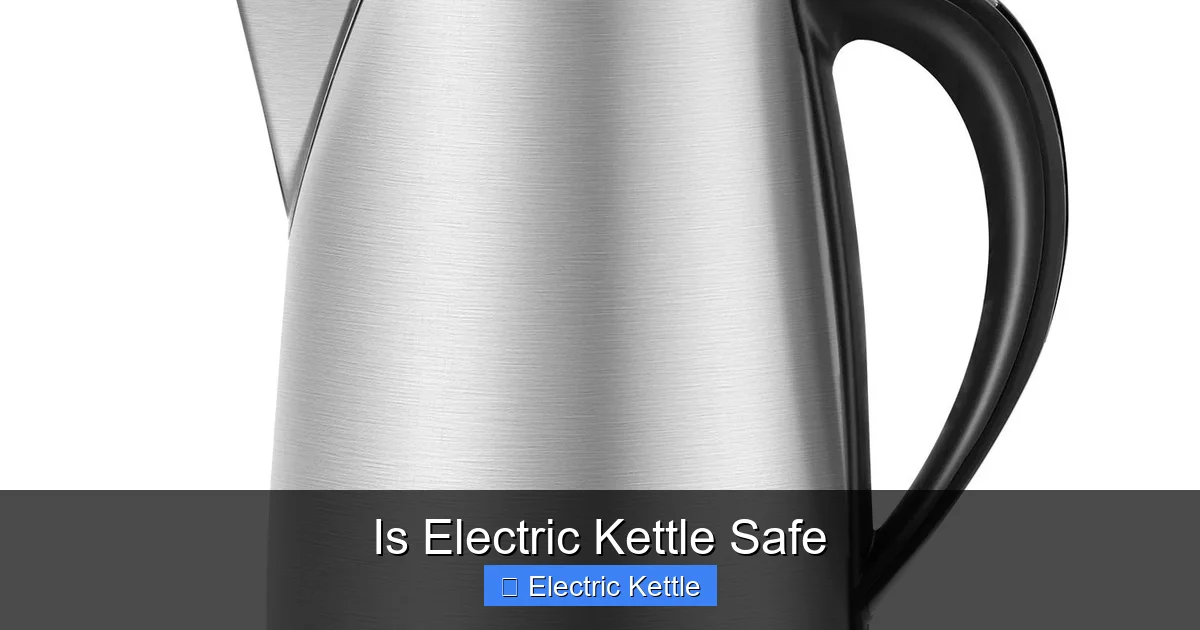
Visual guide about Is Electric Kettle Safe
Image source: images-na.ssl-images-amazon.com
To understand whether an electric kettle is safe, it helps to know how it works. At its core, an electric kettle is a simple device: it uses electricity to heat a coiled element (usually hidden under the base of the water chamber), which transfers heat to the water inside. Once the water reaches boiling point (around 212°F or 100°C), the kettle automatically shuts off.
This automatic shut-off is one of the most important safety features. It prevents the kettle from continuing to heat once the water has boiled, which could otherwise lead to overheating, steam buildup, or even damage to the unit. Most modern electric kettles also include boil-dry protection—a mechanism that cuts power if the kettle is turned on without water. This is crucial because running a kettle dry can cause the heating element to overheat and potentially start a fire.
Another safety aspect is the design of the kettle itself. Unlike stovetop kettles, electric models are self-contained. The heating element is sealed beneath the water chamber, reducing the risk of electric shock. The exterior remains cool to the touch (especially on models with double-wall insulation), and the lid is typically designed to stay closed during boiling to prevent scalding from escaping steam.
In short, electric kettles are engineered with multiple layers of protection. But like any appliance, they’re only as safe as the user allows them to be. That’s why understanding proper usage and maintenance is just as important as the kettle’s built-in features.
Key Safety Features to Look For in an Electric Kettle
Not all electric kettles are created equal. While basic models may get the job done, safer kettles come equipped with advanced features that protect you, your home, and the appliance itself. Here are the most important safety features to look for when shopping for an electric kettle.
Auto Shut-Off Function
This is non-negotiable. Every safe electric kettle should have an auto shut-off feature that turns the unit off as soon as the water reaches boiling point. This prevents over-boiling, reduces energy waste, and eliminates the risk of the kettle continuing to heat an empty or nearly empty chamber.
For example, if you’re boiling water for tea and get distracted by a phone call, the auto shut-off ensures your kettle won’t keep running indefinitely. This feature is especially important in households with children or elderly users who may forget to monitor the appliance.
Boil-Dry Protection
Boil-dry protection is a close second in importance. This safety mechanism detects when there’s no water in the kettle and automatically cuts power to the heating element. Without this feature, running a kettle dry can cause the element to overheat, potentially damaging the unit or creating a fire hazard.
Imagine accidentally turning on your kettle without adding water—boil-dry protection acts as a safeguard, giving you peace of mind even if you make a mistake.
Cool-Touch Exterior
A cool-touch exterior means the outer surface of the kettle stays relatively cool during and after boiling. This is especially important if you have young children or pets who might touch the kettle accidentally. Models with double-wall insulation or heat-resistant plastic exteriors are ideal for this reason.
For instance, some premium kettles use vacuum-insulated walls to keep the outside cool while maintaining high internal temperatures. This not only improves safety but also helps retain heat longer after boiling.
Secure Lid and Spout Design
The lid should close securely to prevent steam from escaping unexpectedly, which can cause burns. A well-designed spout with a smooth pour mechanism also reduces the risk of spills and splashes. Look for kettles with a locking lid or a lid that opens with a button to minimize contact with hot surfaces.
Some kettles even feature a 360-degree swivel base, allowing you to lift and pour from any angle without twisting the cord—another small but meaningful safety improvement.
Overheat Protection
In rare cases, internal components may malfunction. Overheat protection monitors the temperature of the heating element and cuts power if it exceeds safe levels. This is an extra layer of defense against electrical faults or component failure.
While not all kettles advertise this feature, higher-end models often include it as part of their safety suite.
Safety Certifications
Always check for safety certifications like UL (Underwriters Laboratories), ETL (Intertek), or CE (Conformité Européenne). These labels indicate that the kettle has been tested and approved by independent laboratories for electrical and fire safety.
For example, a UL-listed kettle has undergone rigorous testing for electrical insulation, temperature resistance, and fire hazards. Buying certified products reduces the risk of purchasing a counterfeit or poorly manufactured unit.
Are Electric Kettles Safe to Use with Different Materials?
One of the biggest concerns people have about electric kettles is the material they’re made from. After all, you’re boiling water—often for drinking—so you want to be sure nothing harmful is leaching into your beverage. Let’s break down the most common materials and their safety profiles.
Stainless Steel Electric Kettles
Stainless steel is widely considered the safest and most durable material for electric kettles. High-quality food-grade stainless steel (like 304 or 18/8 grade) is non-reactive, meaning it won’t interact with water or acidic liquids like lemon juice. It’s also resistant to rust, stains, and odors.
One advantage of stainless steel kettles is that the heating element is usually hidden beneath the base, so the water doesn’t come into direct contact with metal. This reduces the risk of metallic taste or contamination. Plus, stainless steel is easy to clean and doesn’t retain flavors from previous uses.
However, some lower-quality stainless steel kettles may use cheaper alloys that contain nickel or other metals. If you have a nickel allergy, look for kettles labeled “nickel-free” or made from high-purity stainless steel.
Glass Electric Kettles
Glass kettles are popular for their sleek, modern look and the ability to see the water boiling—a satisfying visual cue. High borosilicate glass is heat-resistant and won’t crack under rapid temperature changes. It’s also non-porous and doesn’t retain odors or flavors.
The main concern with glass kettles is durability. While borosilicate glass is strong, it can still shatter if dropped or exposed to extreme thermal shock (like pouring cold water into a hot kettle). That said, most modern glass kettles are designed with reinforced bases and protective casings to minimize this risk.
From a safety standpoint, glass is inert and won’t leach chemicals, making it a great choice for health-conscious users.
Plastic Electric Kettles
Plastic kettles are lightweight and affordable, but they come with more safety concerns. The biggest issue is the potential for chemicals to leach into hot water, especially if the plastic contains BPA (bisphenol A) or other harmful additives.
BPA is a chemical used in some plastics that can mimic estrogen and has been linked to health problems. While many manufacturers now produce BPA-free kettles, “BPA-free” doesn’t always mean “safe.” Some alternatives, like BPS or BPF, may have similar health risks.
If you do choose a plastic kettle, look for ones labeled “BPA-free” and made from high-quality, heat-resistant plastics like Tritan. Avoid kettles with a strong chemical smell or those that feel flimsy—these are signs of low-quality materials.
Also, never use a plastic kettle that’s cracked, warped, or discolored. These signs indicate degradation, which increases the risk of chemical leaching.
Kettles with Exposed Heating Elements
Some budget kettles have exposed heating coils inside the water chamber. While these are cheaper to manufacture, they pose several safety and hygiene issues.
First, exposed elements can accumulate mineral deposits quickly, especially in areas with hard water. This not only reduces efficiency but can also create hot spots that damage the element over time. Second, the metal may react with water or acidic liquids, potentially affecting taste or safety.
For these reasons, it’s best to avoid kettles with exposed heating elements. Opt for models with concealed elements under a stainless steel or glass base.
Common Safety Risks and How to Avoid Them
Even with the best safety features, electric kettles can pose risks if used improperly. Here are the most common safety issues and practical tips to prevent them.
Electrical Hazards
Electric kettles use high wattage (typically 1500–3000 watts), which means they draw a lot of power. If the cord is frayed, the plug is damaged, or the outlet is faulty, there’s a risk of electric shock or fire.
To stay safe:
– Always inspect the power cord before use. If it’s cracked, exposed, or feels warm, stop using the kettle immediately.
– Plug the kettle directly into a wall outlet—don’t use extension cords or power strips, which can overheat.
– Avoid using the kettle with wet hands or on a wet surface.
– Unplug the kettle when not in use, even if it has auto shut-off.
Scalding and Burns
Steam and hot water can cause serious burns, especially if the kettle is overfilled or the lid pops open during boiling.
To prevent burns:
– Never overfill the kettle. Follow the max fill line to allow space for steam expansion.
– Keep the lid closed while boiling. Open it only after the kettle has shut off and steam has dissipated.
– Pour slowly and steadily, especially when the water is near boiling.
– Keep the kettle away from the edge of the counter and out of reach of children.
Fire and Overheating
While rare, fires can occur if a kettle malfunctions or is used incorrectly. This is more likely with older models or those without safety features.
To reduce fire risk:
– Never leave a boiling kettle unattended for long periods.
– Don’t place the kettle near flammable materials like curtains, paper, or wooden cabinets.
– Replace your kettle every 3–5 years, or sooner if you notice signs of wear.
Mineral Buildup and Hygiene Issues
Hard water leaves behind limescale—a chalky deposit of calcium and magnesium. Over time, this buildup can insulate the heating element, making the kettle less efficient and potentially causing overheating. It can also affect the taste of your water.
To maintain hygiene and performance:
– Descale your kettle monthly using a mixture of white vinegar and water (1:1 ratio). Let it sit for 30 minutes, then rinse thoroughly.
– Use filtered water if your tap water is particularly hard.
– Wipe the exterior and base regularly to prevent dust and grease buildup.
Best Practices for Safe and Efficient Use
Using your electric kettle safely isn’t just about avoiding danger—it’s also about getting the best performance and longevity from your appliance. Here are some everyday habits that make a big difference.
Follow the Manufacturer’s Instructions
Every kettle is different. The user manual will tell you the correct water levels, cleaning methods, and any specific safety warnings. Skipping this step is a common mistake.
For example, some kettles recommend not boiling more than a certain amount of water to prevent spills, while others have specific descaling instructions. Following these guidelines ensures safe and optimal operation.
Use the Right Water Level
Always fill the kettle between the minimum and maximum markers. Underfilling can trigger boil-dry protection or damage the element. Overfilling can cause water to spill into the base or steam to escape uncontrollably.
A good rule of thumb: fill just enough for your immediate needs. There’s no need to boil a full kettle if you only need one cup of water.
Clean Regularly
A clean kettle is a safe kettle. In addition to descaling, wipe down the exterior, lid, and spout after each use. This prevents mold, bacteria, and residue buildup.
If your kettle has a removable filter (common in models with exposed elements), clean it weekly to prevent clogs.
Store Properly
When not in use, store your kettle in a dry, cool place. Don’t wrap the cord tightly around the base, as this can damage the wires over time. If your kettle has a detachable base, store it separately to avoid strain on the connection.
Replace When Necessary
Even the best kettles don’t last forever. Signs it’s time to replace your kettle include:
– Slow boiling or inconsistent heating
– Unusual noises (clicking, popping)
– Visible damage to the cord, plug, or body
– Persistent bad taste or odor in the water
Investing in a new kettle every few years ensures you’re always using a safe, efficient appliance.
Conclusion: Yes, Electric Kettles Are Safe—When Used Right
So, is electric kettle safe? The answer is a resounding yes—when you choose a quality model, follow safety guidelines, and maintain it properly. Modern electric kettles are designed with multiple layers of protection, from auto shut-off to boil-dry detection, making them one of the safest and most convenient ways to boil water.
The key to safe usage lies in awareness. Pay attention to the materials, check for safety certifications, and never ignore warning signs like strange smells, noises, or performance issues. With a little care, your electric kettle can serve you safely for years, delivering hot water for tea, coffee, oatmeal, and more—without worry.
Ultimately, the safety of your electric kettle is in your hands. By making informed choices and practicing good habits, you can enjoy all the benefits of this handy appliance with complete confidence.
Frequently Asked Questions
Can an electric kettle explode?
It’s extremely rare, but possible under extreme conditions—like a complete failure of the pressure release system or using a damaged kettle. Modern kettles with proper safety features make explosions highly unlikely.
Is it safe to leave an electric kettle plugged in?
Yes, it’s generally safe to leave it plugged in, but unplugging it after use reduces electrical risks and saves a small amount of standby power. It’s a good habit for safety and energy efficiency.
Can I boil milk or other liquids in an electric kettle?
It’s not recommended. Most kettles are designed for water only. Milk can scorch, leave residue, and damage the heating element. Use a stovetop or microwave-safe container instead.
Do electric kettles use a lot of electricity?
They use more power than some appliances, but they’re very efficient. Boiling only the water you need minimizes energy use—often faster and cheaper than using a stovetop kettle.
How often should I clean my electric kettle?
Clean the exterior after each use and descale the interior monthly (or more often if you have hard water). Regular cleaning prevents buildup and ensures safe, great-tasting water.
Are cheaper electric kettles unsafe?
Not necessarily, but very cheap models may lack safety features or use low-quality materials. Always check for certifications and read reviews before buying a budget kettle.