Electric kettles are convenient and efficient, but is the water they heat truly healthy? This guide explores how electric kettles affect water quality, safety concerns, mineral retention, and health benefits—so you can make informed choices for your daily hydration.
Key Takeaways
- Electric kettles boil water quickly and safely: They reach 100°C, killing harmful bacteria and viruses, making water safe to drink.
- Material matters for health: Stainless steel and glass kettles are safer than plastic, which may leach chemicals when heated.
- Mineral content remains stable: Boiling doesn’t remove beneficial minerals like calcium and magnesium, so water stays nutritious.
- Repeated boiling can concentrate impurities: Avoid reboiling water multiple times to prevent buildup of nitrates or heavy metals.
- Energy efficiency supports sustainability: Electric kettles use less energy than stovetops, reducing your carbon footprint.
- Proper cleaning prevents contamination: Regular descaling and washing keep your kettle hygienic and your water clean.
- Filtered water improves taste and safety: Using filtered water in your kettle reduces chlorine and sediment, enhancing both flavor and health.
📑 Table of Contents
- Is Electric Kettle Water Good for Health? A Complete Guide
- How Electric Kettles Work and Why It Matters
- The Science Behind Boiling Water and Health
- Kettle Materials: How They Affect Water Quality
- Potential Health Risks and How to Avoid Them
- Tips for Maximizing Health Benefits
- Conclusion: Is Electric Kettle Water Good for Health?
Is Electric Kettle Water Good for Health? A Complete Guide
Imagine this: It’s early morning, and you’re craving a warm cup of tea. You fill your electric kettle, press the button, and within minutes, you’re sipping your favorite blend. It’s quick, easy, and comforting. But have you ever stopped to wonder—is the water from your electric kettle actually good for your health?
Electric kettles have become a staple in modern kitchens. They’re fast, energy-efficient, and perfect for making tea, coffee, instant soups, and even baby formula. But with convenience comes curiosity. Does boiling water in an electric kettle change its quality? Could it introduce harmful substances? Or does it preserve the natural goodness of water while making it safer to drink? These are important questions, especially when you consider that we rely on hot water for so many daily routines.
In this comprehensive guide, we’ll dive deep into the health implications of using an electric kettle. We’ll explore how boiling affects water quality, examine the role of kettle materials, discuss mineral retention, and uncover potential risks like chemical leaching or over-boiling. By the end, you’ll have a clear understanding of whether electric kettle water is not just safe—but actually beneficial for your health.
How Electric Kettles Work and Why It Matters
Before we assess the health impact, let’s understand how electric kettles function. Unlike stovetop kettles that rely on a flame or heating coil, electric kettles have built-in heating elements—usually hidden beneath the base—that heat water directly. Most models automatically shut off once the water reaches boiling point (around 100°C or 212°F at sea level), which prevents overheating and saves energy.
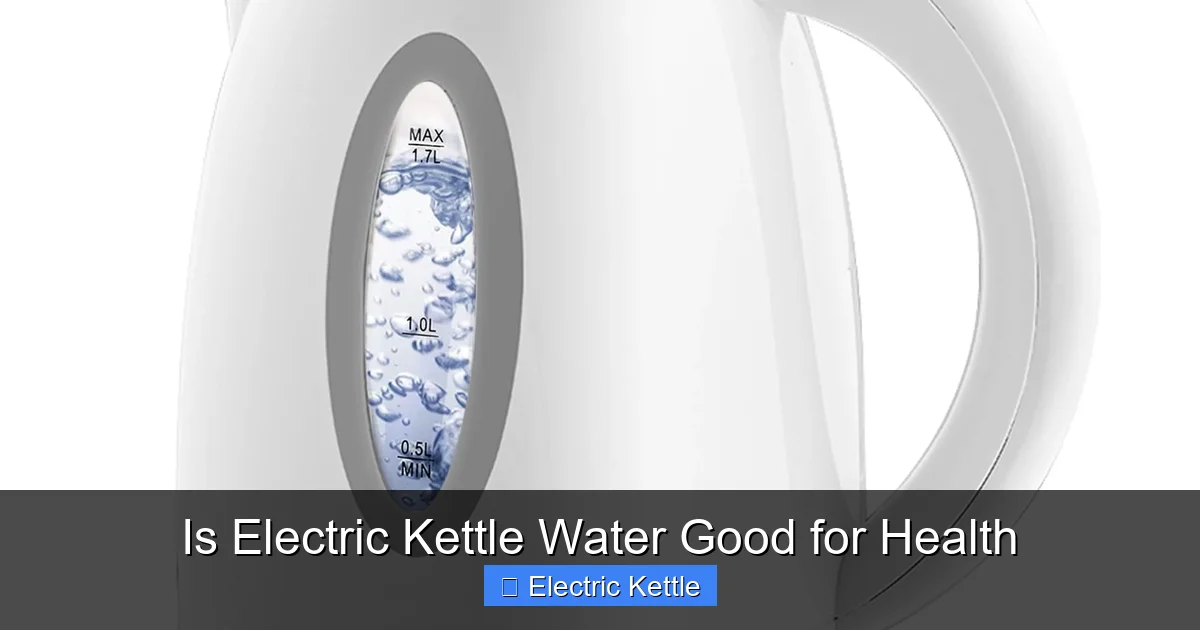
Visual guide about Is Electric Kettle Water Good for Health
Image source: m.media-amazon.com
Speed and Temperature Control
One of the biggest advantages of electric kettles is speed. They can boil water in 3 to 5 minutes, depending on the model and volume. This rapid heating is not only convenient but also effective at killing pathogens. Water heated to a rolling boil for at least one minute (or three minutes at high altitudes) destroys bacteria, viruses, and parasites like E. coli, Salmonella, and Giardia. This makes electric kettle water safer to drink, especially if you’re using tap water of questionable quality.
Energy Efficiency and Environmental Impact
Electric kettles are also more energy-efficient than stovetops. Studies show they use up to 50% less energy to boil the same amount of water. This efficiency reduces electricity consumption and lowers your carbon footprint. For health-conscious and eco-aware individuals, this is a win-win. Less energy used means fewer greenhouse gas emissions, contributing to a healthier planet—and by extension, healthier people.
Automatic Shut-Off and Safety Features
Modern electric kettles come with safety features like automatic shut-off, boil-dry protection, and cool-touch exteriors. These reduce the risk of burns, fires, or damage to the appliance. From a health perspective, this means fewer accidents in the kitchen and more consistent, reliable performance. You don’t have to worry about forgetting the kettle on the stove or overfilling it and causing spills.
The Science Behind Boiling Water and Health
Boiling water is one of the oldest and most trusted methods of water purification. But what exactly happens when water reaches its boiling point? And how does this process affect its health properties?
Pathogen Elimination
When water is heated to 100°C, the high temperature denatures proteins and disrupts cell membranes in microorganisms. This effectively kills or inactivates harmful pathogens. According to the World Health Organization (WHO), boiling is a reliable method for making water safe in areas with poor sanitation. Even if your tap water is treated, boiling adds an extra layer of protection—especially useful when traveling or during boil-water advisories.
Does Boiling Remove Minerals?
A common myth is that boiling water removes essential minerals like calcium, magnesium, and potassium. In reality, boiling does not eliminate these minerals. In fact, it can slightly increase their concentration because some water evaporates during boiling, leaving behind a higher mineral density. For example, if you boil 1 liter of water down to 800 ml, the remaining water will have more minerals per milliliter—though the total amount stays the same.
This means that electric kettle water retains its nutritional value. If you’re drinking mineral-rich tap or spring water, boiling it in your kettle won’t strip it of health benefits. On the contrary, it makes the water safer without sacrificing its natural goodness.
What About Chemicals and Contaminants?
While boiling kills microbes, it doesn’t remove chemical contaminants like lead, chlorine, pesticides, or heavy metals. In some cases, boiling can even concentrate these substances as water evaporates. For instance, if your water contains nitrates (common in agricultural areas), repeated boiling can increase nitrate levels, which may pose risks, especially for infants.
This is why it’s crucial to start with clean, filtered water. If your tap water has a strong chlorine taste or visible sediment, consider using a water filter before boiling. Carbon filters, reverse osmosis systems, or pitcher filters can reduce chlorine, lead, and other impurities, ensuring your electric kettle water is both safe and tasty.
Kettle Materials: How They Affect Water Quality
Not all electric kettles are created equal. The material your kettle is made from can significantly impact the health and taste of your water. Let’s break down the most common options.
Stainless Steel Kettles
Stainless steel is one of the safest and most durable materials for electric kettles. High-quality models use food-grade stainless steel (like 304 or 18/8), which is non-reactive and resistant to rust and corrosion. These kettles don’t leach chemicals into water, even when heated repeatedly.
One advantage of stainless steel is that it heats evenly and retains heat well, so your water stays warm longer. It’s also easy to clean and doesn’t retain odors or flavors from previous uses. However, some users report a slight metallic taste, especially in lower-quality models. To avoid this, choose kettles with a smooth, polished interior and avoid those with exposed heating elements.
Glass Kettles
Glass kettles are a popular choice for health-conscious users because they are completely inert—meaning they don’t react with water or release any substances. Borosilicate glass, used in high-end models, is heat-resistant and won’t crack under sudden temperature changes.
The transparency of glass allows you to see the water boiling, which some find satisfying. It also makes it easy to spot mineral buildup or residue. However, glass is more fragile than metal and can break if dropped. It’s also slower to heat and doesn’t retain warmth as well as stainless steel.
Plastic Kettles: Proceed with Caution
Plastic kettles are lightweight and affordable, but they come with health concerns. Many plastics contain chemicals like BPA (bisphenol A) or phthalates, which can leach into water when heated—especially at high temperatures. Even “BPA-free” plastics may contain similar compounds that disrupt hormones.
The World Health Organization and the FDA have raised concerns about chemical leaching from plastic containers, particularly when exposed to heat. While occasional use may not pose a major risk, regular exposure could accumulate over time. For this reason, health experts recommend avoiding plastic kettles, especially for daily use or for heating water for infants.
Kettles with Exposed Heating Elements
Some budget kettles have heating elements that come into direct contact with water. While this design is efficient, it can lead to mineral buildup (scale) and, in rare cases, metal leaching. If the element is made of low-quality materials, it may release small amounts of nickel or other metals into the water.
To minimize risk, choose kettles with concealed heating elements or those made with high-grade, corrosion-resistant metals. Regular descaling (we’ll cover this later) also helps maintain water purity.
Potential Health Risks and How to Avoid Them
While electric kettles are generally safe, a few risks can affect water quality and your health if not managed properly.
Over-Boiling and Repeated Boiling
Boiling water once is safe and effective. But reboiling the same water multiple times can be problematic. Each time water is boiled, some of it evaporates, leaving behind a higher concentration of dissolved solids—including minerals, salts, and potentially harmful substances like nitrates or heavy metals.
For example, if you boil water, let it cool, and then boil it again, the nitrate level may rise to unsafe levels, especially in areas with contaminated water sources. High nitrate intake is linked to methemoglobinemia (“blue baby syndrome”) in infants and may increase cancer risk in adults.
Tip: Avoid reboiling water more than once. If you need hot water again, use fresh water. This simple habit keeps your water clean and safe.
Mineral Buildup (Scale)
Hard water contains high levels of calcium and magnesium, which form limescale when boiled. This white, chalky residue builds up inside your kettle and on the heating element. While scale itself isn’t toxic, it can affect performance, reduce heating efficiency, and harbor bacteria if not cleaned.
Scale can also alter the taste of water, giving it a slightly bitter or metallic flavor. Over time, it may damage the kettle, leading to malfunctions or even safety hazards.
Solution: Descale your kettle regularly using vinegar or a commercial descaling solution. For mild buildup, fill the kettle halfway with equal parts water and white vinegar, let it sit for an hour, then boil and rinse thoroughly. Repeat if necessary.
Improper Cleaning and Hygiene
Like any kitchen appliance, electric kettles need regular cleaning. Residue from tea, coffee, or hard water can accumulate inside, creating a breeding ground for bacteria and mold. If you notice a slimy film, unusual odor, or discoloration, it’s time for a deep clean.
Cleaning Tip: Wipe the exterior with a damp cloth and mild detergent. For the interior, use a soft brush or sponge with vinegar solution. Never submerge the kettle in water—only the removable parts (like the lid or filter) should be washed separately.
Tips for Maximizing Health Benefits
Now that we’ve covered the risks, let’s focus on how to get the most health benefits from your electric kettle.
Use Filtered Water
Start with the best possible water. If your tap water tastes metallic, smells like chlorine, or comes from an older plumbing system, use a filter. Pitcher filters, under-sink systems, or faucet attachments can remove chlorine, lead, and sediment, giving you cleaner, better-tasting water to boil.
Choose the Right Kettle
Invest in a high-quality kettle made from stainless steel or glass. Look for certifications like FDA-approved, BPA-free, or food-grade materials. Avoid cheap plastic models, especially for daily use.
Boil Only What You Need
Boiling excess water wastes energy and increases the risk of over-concentration if reheated. Measure the amount you need—whether it’s one cup for tea or two for coffee—and boil only that. This saves time, energy, and keeps water fresh.
Store Boiled Water Properly
If you boil water in advance, store it in a clean, airtight container in the refrigerator. Use it within 24 hours to prevent bacterial growth. Avoid leaving boiled water in the kettle for long periods, as it can absorb odors or develop scale.
Descaling Routine
Set a monthly reminder to descale your kettle, especially if you live in a hard water area. This maintains performance, extends the kettle’s life, and ensures your water stays pure.
Conclusion: Is Electric Kettle Water Good for Health?
So, is electric kettle water good for health? The short answer is yes—when used correctly. Electric kettles are a safe, efficient, and healthy way to boil water, provided you choose the right model, use clean water, and maintain it properly.
They kill harmful pathogens, retain beneficial minerals, and use less energy than traditional methods. With materials like stainless steel and glass, you avoid chemical leaching and enjoy pure, great-tasting water. Just remember to avoid reboiling, descale regularly, and start with filtered water when possible.
Ultimately, your electric kettle can be a powerful tool for better health—not just for making tea, but for ensuring every sip you take is clean, safe, and nourishing. So go ahead, press that button, and enjoy your next cup with confidence.
Frequently Asked Questions
Can electric kettles make water unsafe to drink?
Electric kettles themselves don’t make water unsafe, but poor maintenance or using low-quality materials can introduce risks. Regular cleaning and choosing safe materials like stainless steel or glass help ensure water remains safe.
Does boiling water in an electric kettle remove fluoride?
No, boiling does not remove fluoride from water. In fact, it can slightly increase fluoride concentration as water evaporates. If you’re concerned about fluoride, use a reverse osmosis filter before boiling.
Is it safe to drink water boiled multiple times in an electric kettle?
It’s best to avoid reboiling water more than once. Repeated boiling can concentrate impurities like nitrates and minerals, potentially affecting taste and safety.
Do electric kettles remove chlorine from water?
Boiling water in an electric kettle can reduce chlorine levels slightly as it evaporates, but it won’t remove all of it. For better results, use a carbon filter before boiling.
Can I use an electric kettle to sterilize baby bottles?
Yes, you can use boiled water from an electric kettle to sterilize baby bottles, but ensure the water reaches a full boil and the bottles are thoroughly rinsed. Always follow pediatric guidelines for infant safety.
Are glass electric kettles safer than stainless steel?
Both are safe when made from high-quality materials. Glass is completely inert and won’t leach chemicals, while stainless steel is durable and efficient. Choose based on your preference for taste, durability, and maintenance.