Glass electric kettles are generally safe for health when made from high-quality, heat-resistant borosilicate glass and used properly. They don’t leach chemicals, preserve water taste, and are easy to clean, making them a healthier choice than plastic or low-grade metal kettles.
Key Takeaways
- Non-toxic material: High-quality glass kettles don’t release harmful chemicals into water, even when heated.
- No metallic taste: Unlike metal kettles, glass doesn’t impart any metallic flavor to your water or tea.
- Easy to clean and maintain: Transparent glass allows you to spot residue or buildup, helping prevent bacterial growth.
- Heat-resistant borosilicate glass is safest: This type of glass withstands rapid temperature changes without cracking or leaching.
- Avoid cheap or cracked glass: Low-quality glass may contain lead or break under stress, posing health and safety risks.
- Regular descaling is essential: Mineral buildup from hard water can affect taste and performance—clean regularly with vinegar or descaling solutions.
- Check for BPA-free and food-grade certifications: Ensure your kettle meets safety standards for consumer health.
📑 Table of Contents
- Is Glass Electric Kettle Safe for Health? A Complete Guide
- Why Glass Is a Healthier Choice for Electric Kettles
- Understanding Glass Types: Borosilicate vs. Regular Glass
- Potential Health Risks and How to Avoid Them
- Tips for Safe and Healthy Use of Your Glass Electric Kettle
- Comparing Glass to Other Kettle Materials
- Choosing the Right Glass Electric Kettle
- Conclusion: Is a Glass Electric Kettle Safe for Health?
Is Glass Electric Kettle Safe for Health? A Complete Guide
When it comes to choosing the right electric kettle, health and safety are top priorities for many households. With so many materials on the market—plastic, stainless steel, aluminum, and glass—it’s natural to wonder: Is a glass electric kettle safe for health? The short answer is yes—when chosen wisely and used correctly, glass electric kettles are among the safest options available.
Unlike plastic kettles, which may release microplastics or endocrine-disrupting chemicals like BPA when heated, glass is inert and non-reactive. This means it doesn’t interact with water, even at high temperatures. Similarly, while stainless steel kettles are durable, some lower-quality models may contain nickel or other metals that could leach into water over time. Glass, especially high-grade borosilicate glass, offers a clean, neutral surface that preserves the purity and taste of your water.
But not all glass kettles are created equal. The safety of your glass electric kettle depends on the quality of the glass, the design, and how well you maintain it. In this guide, we’ll dive deep into what makes a glass electric kettle safe, how to choose the best one, and how to use it without compromising your health.
Why Glass Is a Healthier Choice for Electric Kettles
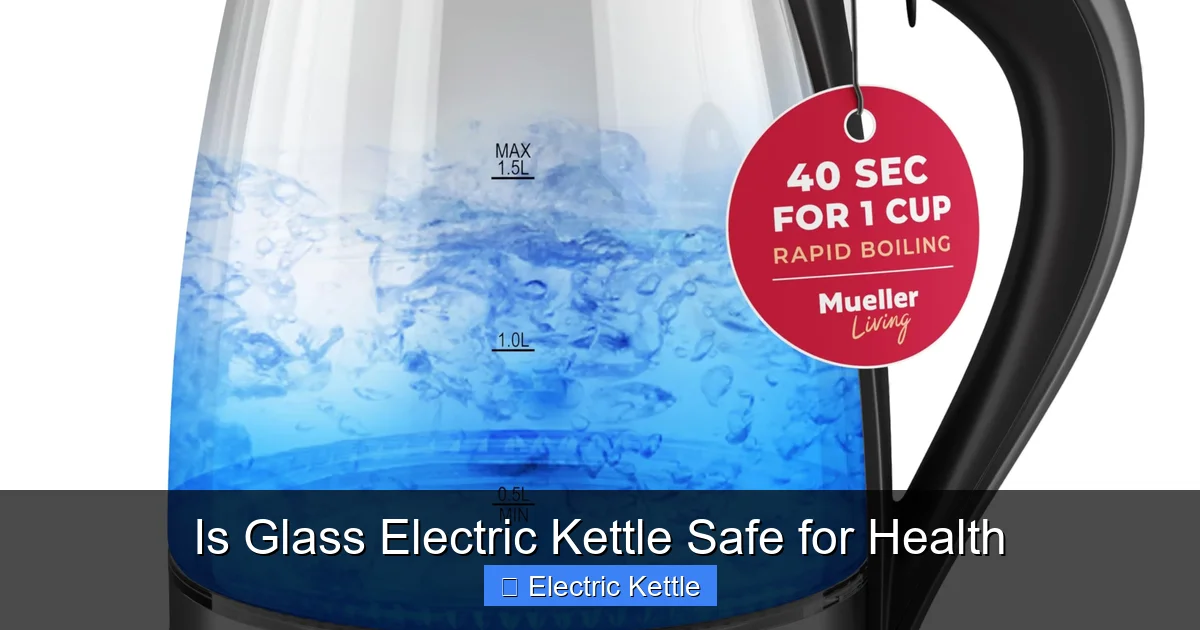
Visual guide about Is Glass Electric Kettle Safe for Health
Image source: m.media-amazon.com
Glass has long been favored in kitchenware for its purity and non-reactive nature. When it comes to electric kettles, this quality becomes even more important. Every time you boil water, you’re exposing the kettle’s interior to high heat and moisture—conditions that can cause some materials to degrade or release unwanted substances.
Non-Toxic and Chemical-Free
One of the biggest advantages of a glass electric kettle is that it doesn’t leach chemicals into your water. Plastic kettles, especially those made with polycarbonate, may release bisphenol A (BPA) or other plasticizers when heated. Even BPA-free plastics can contain similar compounds like BPS or BPF, which have been linked to hormonal imbalances and other health concerns.
Stainless steel kettles, while generally safe, can sometimes contain trace amounts of nickel, chromium, or other alloys. For people with metal sensitivities or allergies, this could be a concern. Glass, on the other hand, is made primarily from silica (sand), soda ash, and limestone—natural materials that don’t react with water.
Preserves Water Taste and Purity
Have you ever noticed a slight metallic or plastic taste in your tea or coffee? That’s often a sign that your kettle is affecting the flavor of your water. Glass kettles eliminate this problem. Because glass is non-porous and non-reactive, it doesn’t absorb odors or flavors from previous uses. This makes it ideal for brewing delicate teas, herbal infusions, or even baby formula, where taste and purity matter most.
For example, if you’ve ever used a plastic kettle to boil water for green tea, you might have noticed a faint chemical aftertaste. With a glass kettle, the water remains clean and neutral, allowing the natural flavors of your tea to shine.
Transparent Design for Easy Monitoring
Another health benefit of glass kettles is their transparency. You can easily see inside the kettle, which helps you spot mineral buildup, mold, or residue. This visibility encourages regular cleaning and prevents the growth of bacteria or algae—something that’s harder to detect in opaque metal or plastic kettles.
Imagine pouring a cup of water only to find a slimy film at the bottom of your kettle. With a glass model, you’d see it immediately and know it’s time for a deep clean. This level of oversight supports better hygiene and long-term health.
Understanding Glass Types: Borosilicate vs. Regular Glass
Not all glass is the same, especially when it comes to kitchen appliances. The type of glass used in your electric kettle plays a major role in its safety, durability, and performance.
Borosilicate Glass: The Gold Standard
The safest and most durable glass for electric kettles is borosilicate glass. Originally developed in the late 19th century by German glassmaker Otto Schott, this type of glass contains boron trioxide, which gives it exceptional resistance to thermal shock.
What does that mean in practical terms? Borosilicate glass can handle rapid temperature changes—like pouring cold water into a hot kettle or boiling water on a cold morning—without cracking or shattering. This is crucial for electric kettles, which heat water quickly and often cycle between hot and cold states.
Popular brands like Pyrex (in its original formulation) and many high-end electric kettles use borosilicate glass for this reason. It’s also used in laboratory glassware, bakeware, and even telescope mirrors—proof of its reliability under extreme conditions.
Regular Soda-Lime Glass: Proceed with Caution
Some budget-friendly glass kettles are made from regular soda-lime glass, the same type used in windows and drinking glasses. While this glass is cheaper to produce, it’s more prone to cracking under thermal stress. If you fill a hot soda-lime glass kettle with cold water or place it on a cold surface right after boiling, it may shatter.
More importantly, lower-quality glass may contain impurities or additives like lead or cadmium, especially if it’s imported from regions with less stringent manufacturing standards. These heavy metals can leach into water over time, posing serious health risks.
For example, a study by the University of Cincinnati found that some decorative glassware made with leaded glass released significant amounts of lead when exposed to acidic liquids like lemon juice or vinegar. While electric kettles typically don’t come into contact with acidic substances, the principle remains: low-quality glass can be unsafe.
How to Identify High-Quality Glass
When shopping for a glass electric kettle, look for labels like “borosilicate glass,” “heat-resistant glass,” or “laboratory-grade glass.” Reputable brands will often highlight these features in their product descriptions. You can also check customer reviews for mentions of durability or thermal performance.
Avoid kettles that feel thin, lightweight, or overly decorative. These may be made from lower-grade glass and could pose a safety risk. If possible, choose models with a sturdy base and a well-insulated handle to reduce the chance of accidental breakage.
Potential Health Risks and How to Avoid Them
While glass electric kettles are generally safe, there are a few potential risks to be aware of—especially if the kettle is poorly made or improperly maintained.
Cracking and Shattering
The most obvious risk with glass kettles is breakage. A cracked or shattered kettle can cause burns, cuts, or electrical hazards if water leaks into the heating element. This is why it’s essential to handle your kettle with care and avoid sudden temperature changes.
To minimize the risk:
– Always fill the kettle with water before turning it on.
– Don’t place a hot kettle on a cold surface (like a marble countertop) immediately after boiling.
– Avoid dropping or knocking the kettle against hard surfaces.
– Replace the kettle if you notice any cracks, chips, or cloudiness in the glass.
Lead and Heavy Metal Contamination
As mentioned earlier, some low-quality glass may contain lead or other heavy metals. While this is rare in modern, reputable brands, it’s still a concern with counterfeit or imported products.
To protect yourself:
– Buy from trusted retailers and well-known brands.
– Look for certifications like FDA approval, LFGB (European food safety standard), or SGS testing.
– Avoid kettles with painted designs or metallic accents on the interior, as these may contain harmful substances.
Bacterial Growth and Mineral Buildup
Even the cleanest glass can develop problems if not maintained properly. Hard water areas often leave behind limescale—a white, chalky deposit made of calcium and magnesium. Over time, this buildup can harbor bacteria, affect heating efficiency, and alter the taste of your water.
To prevent this:
– Descale your kettle regularly using white vinegar or a commercial descaling solution.
– Rinse thoroughly after each use and wipe the exterior with a damp cloth.
– Store the kettle with the lid open to allow airflow and prevent moisture buildup.
For example, if you live in an area with hard water, you might notice a white film inside your kettle after a few weeks. Simply fill it halfway with equal parts water and vinegar, let it sit for an hour, then boil and rinse. This simple routine keeps your kettle clean and safe.
Tips for Safe and Healthy Use of Your Glass Electric Kettle
Using a glass electric kettle safely goes beyond just choosing the right model. How you use and care for it also impacts your health and the kettle’s lifespan.
Follow the Manufacturer’s Instructions
Always read the user manual before using your kettle. It will provide important safety guidelines, such as maximum water levels, recommended cleaning methods, and warnings about overheating.
For instance, overfilling the kettle can cause water to spill into the electrical base, leading to short circuits or damage. Underfilling can cause the heating element to overheat and potentially crack the glass.
Use Filtered or Purified Water
While glass kettles don’t add chemicals to your water, the quality of the water you use still matters. Tap water may contain chlorine, heavy metals, or sediment that can affect taste and health over time.
Using filtered water not only improves flavor but also reduces mineral buildup inside the kettle. This means less frequent descaling and a longer life for your appliance.
Avoid Heating Empty or Overheating
Never turn on your kettle without water. Dry heating can damage the heating element and cause the glass to crack. Most modern kettles have auto-shutoff features to prevent this, but it’s still good practice to double-check before use.
Similarly, avoid boiling water repeatedly. Each boil concentrates minerals and can degrade the kettle over time. Instead, only boil the amount of water you need.
Clean Regularly and Thoroughly
Even with filtered water, some mineral buildup is inevitable. Clean your kettle at least once a month, or more often if you live in a hard water area.
Here’s a simple cleaning routine:
1. Mix equal parts white vinegar and water.
2. Fill the kettle and let it sit for 30–60 minutes.
3. Boil the solution, then let it cool.
4. Rinse thoroughly with clean water.
5. Wipe the exterior with a soft, damp cloth.
For stubborn stains, use a soft brush or sponge—never abrasive scrubbers that could scratch the glass.
Comparing Glass to Other Kettle Materials
To fully understand why glass is a healthy choice, it helps to compare it to other common kettle materials.
Glass vs. Plastic
Plastic kettles are lightweight and inexpensive, but they come with significant health concerns. Heating plastic can release microplastics and chemicals like BPA, BPS, and phthalates into your water. These substances have been linked to hormonal disruptions, fertility issues, and developmental problems in children.
Glass, by contrast, remains stable and inert, even at high temperatures. It’s also easier to clean and doesn’t retain odors.
Glass vs. Stainless Steel
Stainless steel kettles are durable, fast-heating, and often more affordable than glass models. However, they can impart a slight metallic taste, especially if the interior is uncoated or made from lower-grade steel.
Some stainless steel kettles have a glass or plastic window for visibility, but the water still touches metal. For people with metal sensitivities or those who prioritize taste purity, glass is the better option.
Glass vs. Aluminum
Aluminum kettles are lightweight and conduct heat well, but they’re not recommended for health reasons. Aluminum can leach into water, especially when boiled with acidic liquids like lemon or tea. Long-term exposure to aluminum has been associated with neurological conditions, including Alzheimer’s disease.
Glass is a much safer alternative, with no risk of metal leaching.
Choosing the Right Glass Electric Kettle
With so many options on the market, how do you pick the best glass electric kettle for your needs?
Look for Key Features
– **Borosilicate glass construction** for durability and safety.
– **Auto shut-off and boil-dry protection** to prevent overheating.
– **Cordless design** for easy pouring and storage.
– **Water level indicator** to help you measure accurately.
– **Removable filter** to catch limescale and debris.
Check Certifications and Reviews
Choose kettles that are certified by recognized safety organizations like UL, ETL, or CE. Read customer reviews to learn about real-world performance, especially regarding durability and ease of cleaning.
Consider Capacity and Speed
Most glass kettles hold between 1 and 1.7 liters—enough for 4 to 6 cups of tea. If you’re brewing for a family or office, go for a larger capacity. For quick single servings, a smaller model may suffice.
Also, check the wattage. Higher wattage (1500W or more) means faster boiling, which is convenient but may use more energy.
Price vs. Quality
While glass kettles tend to be more expensive than plastic or basic metal models, they’re a worthwhile investment for your health. Expect to pay between $40 and $100 for a high-quality glass electric kettle. Avoid extremely cheap options, as they may compromise on materials or safety features.
Conclusion: Is a Glass Electric Kettle Safe for Health?
So, is a glass electric kettle safe for health? The answer is a resounding yes—provided you choose a high-quality model made from borosilicate glass and use it responsibly.
Glass kettles offer a clean, non-toxic way to boil water without the risk of chemical leaching or metallic aftertaste. They’re easy to clean, visually appealing, and ideal for anyone who values purity and taste in their beverages.
While there are some risks—like breakage or mineral buildup—these can be easily managed with proper care and maintenance. By following the tips in this guide, you can enjoy safe, healthy, and delicious hot drinks for years to come.
In a world where health-conscious choices matter more than ever, a glass electric kettle is a smart, sustainable, and safe addition to your kitchen. Whether you’re brewing morning coffee, steeping herbal tea, or preparing baby formula, you can trust that your water is as pure as it gets.
Frequently Asked Questions
Can a glass electric kettle break easily?
High-quality borosilicate glass kettles are designed to resist thermal shock and are quite durable. However, they can still break if dropped or subjected to extreme temperature changes. Handle with care and avoid placing a hot kettle on cold surfaces.
Does glass leach chemicals into water when heated?
No, high-quality glass does not leach chemicals into water, even when boiled. Unlike plastic or low-grade metal, glass is inert and non-reactive, making it one of the safest materials for heating water.
How often should I clean my glass electric kettle?
Clean your kettle at least once a month, or more frequently if you live in an area with hard water. Regular descaling with vinegar prevents mineral buildup and keeps your water tasting fresh.
Is it safe to drink water from a glass kettle every day?
Yes, it’s completely safe to drink water boiled in a glass electric kettle daily, as long as the kettle is made from food-grade, heat-resistant glass and is properly maintained.
Can I put lemon or vinegar in a glass kettle for cleaning?
Yes, using a mixture of water and white vinegar is a safe and effective way to descale your glass kettle. Just be sure to rinse it thoroughly afterward to remove any vinegar taste.
Are all glass kettles made from borosilicate glass?
No, not all glass kettles use borosilicate glass. Some cheaper models use regular soda-lime glass, which is less durable. Always check the product specifications to ensure you’re getting heat-resistant, high-quality glass.