Choosing between a glass or stainless steel electric kettle depends on your priorities—style, taste, durability, and maintenance. Glass kettles offer a modern look and let you watch water boil, while stainless steel models are tough, retain heat well, and resist stains. This guide breaks down the pros and cons to help you pick the best fit for your kitchen.
Key Takeaways
- Glass kettles are visually appealing and allow you to monitor boiling water, but they can be fragile and show water spots easily.
- Stainless steel kettles are highly durable, resistant to dents and scratches, and often retain heat longer than glass models.
- Taste neutrality is better in high-quality stainless steel, especially with food-grade 304 or 18/8 steel, which doesn’t impart flavors.
- Glass kettles may retain odors or stains over time, particularly if not cleaned regularly, while stainless steel is easier to keep odor-free.
- Stainless steel kettles typically have better insulation, keeping water hot longer after boiling, which saves energy on reheating.
- Glass kettles are often lighter and easier to handle, making them ideal for small kitchens or users with limited strength.
- Price varies widely, but stainless steel kettles often offer better long-term value due to their longevity and low maintenance.
📑 Table of Contents
- Introduction: The Great Kettle Debate
- Material Matters: Understanding Glass vs. Stainless Steel
- Taste and Odor: Does Material Affect Water Flavor?
- Durability and Longevity: Which Lasts Longer?
- Heat Retention and Energy Efficiency
- Maintenance and Cleaning: Which Is Easier?
- Aesthetics and Kitchen Style
- Safety Considerations
- Conclusion: Which Is Better for You?
Introduction: The Great Kettle Debate
You’re standing in the kitchen, staring at the kettle, waiting for that familiar whistle or beep. But before you even fill it with water, you’ve probably asked yourself: Should I get a glass or stainless steel electric kettle? It’s a question more people are asking as electric kettles become staples in modern homes. No longer just for tea lovers, these appliances are used for everything from instant coffee to quick oatmeal and even sterilizing baby bottles.
The choice between glass and stainless steel isn’t just about looks—it affects taste, safety, durability, and how much you’ll enjoy using your kettle every day. Some swear by the elegance of glass, while others praise the rugged reliability of stainless steel. But which one truly comes out on top? The answer isn’t one-size-fits-all. It depends on your lifestyle, kitchen habits, and what you value most in a kitchen appliance. In this guide, we’ll dive deep into the strengths and weaknesses of both materials, so you can make an informed decision that fits your needs.
Material Matters: Understanding Glass vs. Stainless Steel
Before we compare performance, it’s important to understand what these materials are and how they behave under heat and daily use. Both glass and stainless steel have unique properties that influence how they function in an electric kettle.
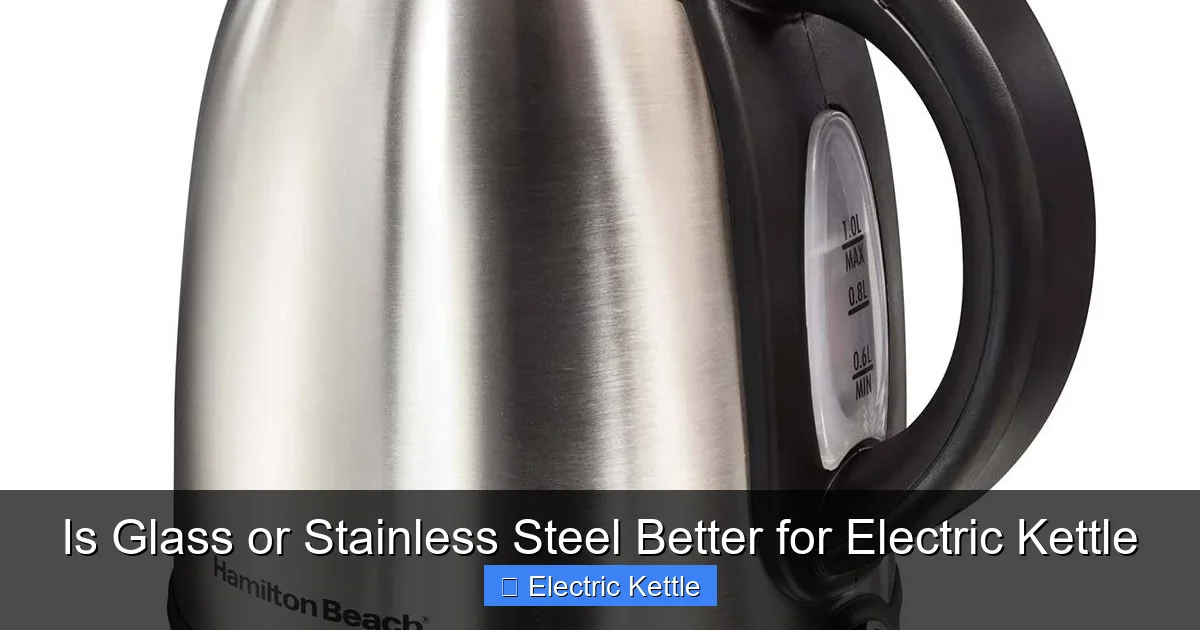
Visual guide about Is Glass or Stainless Steel Better for Electric Kettle
Image source: hamiltonbeach.com
What Is Tempered Glass?
Most glass electric kettles are made from tempered glass, which is treated to be stronger than regular glass. This process involves heating the glass and then rapidly cooling it, creating a surface that’s up to five times stronger than untreated glass. Tempered glass is also designed to shatter into small, dull pieces instead of sharp shards if broken—making it safer in the event of an accident.
However, even tempered glass has limits. It can crack if exposed to sudden temperature changes (like pouring cold water into a hot kettle) or if dropped on a hard surface. While it’s great for visibility and aesthetics, it’s not as tough as metal. Additionally, glass is prone to showing water spots, mineral deposits, and fingerprints, which means it requires more frequent cleaning to maintain its clear, shiny appearance.
What Is Food-Grade Stainless Steel?
Stainless steel kettles are typically made from food-grade stainless steel, most commonly type 304 (also known as 18/8). This grade contains 18% chromium and 8% nickel, giving it excellent resistance to rust, corrosion, and staining. It’s the same material used in high-quality cookware, surgical instruments, and food storage containers.
One of the biggest advantages of stainless steel is its durability. It can withstand drops, bumps, and daily wear and tear without cracking or breaking. It’s also non-porous, meaning it won’t absorb odors or flavors from previous uses—something that can be a problem with plastic or lower-quality metals. Plus, stainless steel is naturally resistant to heat, making it ideal for boiling water repeatedly.
How Do They Compare in Real-World Use?
In practice, glass kettles feel lighter and more delicate, while stainless steel models feel solid and substantial. If you’re someone who values a sleek, modern look and enjoys watching water bubble and steam rise, glass might appeal to you. But if you’re clumsy, have kids or pets, or just want something that lasts for years without fuss, stainless steel is likely the better choice.
Another factor is heat retention. Stainless steel conducts heat well and often has double-walled designs that help keep water hot longer. Glass, on the other hand, tends to cool down faster once the heating element turns off. This might not matter if you’re drinking your tea right away, but it could be a downside if you like to sip slowly or reheat water multiple times.
Taste and Odor: Does Material Affect Water Flavor?
One of the most important considerations when choosing a kettle is whether the material affects the taste of your water. After all, if your morning coffee or tea tastes “off,” it defeats the purpose of using a quality kettle.
Does Glass Affect Taste?
High-quality glass is generally considered taste-neutral, meaning it doesn’t impart any flavors into the water. This makes glass kettles a popular choice among tea connoisseurs who want to experience the pure, unaltered taste of their leaves. However, lower-quality glass or kettles with plastic components (like lids or handles) can sometimes leach subtle odors or tastes, especially when new.
Another issue with glass is that it can retain odors if not cleaned properly. For example, if you boil water with lemon slices for cleaning, the citrus scent might linger and affect the taste of your next cup of tea. Regular cleaning with vinegar or baking soda can help, but it’s an extra step some users find inconvenient.
Does Stainless Steel Affect Taste?
Stainless steel, particularly food-grade 304, is also highly taste-neutral when properly manufactured. In fact, many professional kitchens and coffee shops prefer stainless steel kettles because they don’t alter the flavor of water. However, there’s a catch: not all stainless steel is created equal.
Cheaper kettles may use lower-grade steel or have interior coatings that can degrade over time. These coatings might release metallic tastes or chemicals into the water, especially when heated repeatedly. To avoid this, always look for kettles labeled “18/8 stainless steel” or “food-grade stainless steel” and avoid models with non-stick interiors unless they’re clearly marked as safe for boiling water.
Real-World Taste Tests
In blind taste tests, most people can’t tell the difference between water boiled in a high-quality glass or stainless steel kettle. However, those with sensitive palates—especially tea and coffee enthusiasts—often report a slight preference for stainless steel, citing a “cleaner” taste. This may be due to the material’s non-reactive nature and resistance to odor retention.
That said, if your glass kettle is well-maintained and free of plastic parts near the water, it should perform just as well. The key is choosing a reputable brand and avoiding kettles with questionable materials.
Durability and Longevity: Which Lasts Longer?
When it comes to how long your kettle will last, stainless steel has a clear advantage. But let’s break down the specifics.
Glass Kettle Durability
Glass kettles are beautiful, but they’re not built for rough handling. A single drop on a tile floor can cause cracks or shattering, especially if the glass is thin or poorly tempered. Even without dropping, repeated exposure to heat and cold can cause stress fractures over time.
Additionally, glass is prone to mineral buildup from hard water. Over time, limescale can form a cloudy film inside the kettle, which is not only unsightly but can also affect heating efficiency. While this can be cleaned with vinegar, it requires regular maintenance. If neglected, the buildup can become permanent, requiring replacement.
On the plus side, glass doesn’t corrode or rust, and it won’t dent like metal. So if you’re careful and live in an area with soft water, a glass kettle can last several years.
Stainless Steel Kettle Durability
Stainless steel kettles are built to last. They can survive drops, bumps, and daily use without cracking or breaking. The metal resists corrosion, even in humid environments, and doesn’t degrade over time like plastic or low-quality metals.
However, stainless steel isn’t immune to wear. The exterior can scratch or dent, especially if you have a lot of other metal appliances in your kitchen. But these cosmetic issues don’t affect performance. More importantly, the interior remains intact, ensuring your water stays clean and safe.
One potential issue is limescale buildup, which affects both glass and stainless steel kettles. But because stainless steel is non-porous, it’s easier to scrub clean without damaging the surface. Many stainless steel kettles also come with removable filters or wide openings that make descaling simpler.
Which Is More Cost-Effective Long-Term?
While glass kettles often have a lower upfront cost, their shorter lifespan and higher risk of breakage can make them more expensive over time. A $40 glass kettle that lasts two years may end up costing more than a $60 stainless steel model that lasts five or more.
Stainless steel kettles also tend to retain their resale value better and are often seen as more premium. If you’re looking for a long-term investment, stainless steel is usually the smarter choice.
Heat Retention and Energy Efficiency
How long your water stays hot after boiling can impact your energy use and convenience. This is where stainless steel often shines.
How Well Does Glass Retain Heat?
Glass is a poor insulator. Once the heating element turns off, the water in a glass kettle begins to cool quickly. This means if you’re making multiple cups of tea or coffee, you might need to reheat the water, which uses extra electricity.
Some glass kettles come with double-walled designs or insulated lids to help retain heat, but these features are less common and often increase the price. Even then, they rarely match the insulation of stainless steel.
How Well Does Stainless Steel Retain Heat?
Stainless steel conducts heat efficiently and often features double-walled construction, which traps heat inside. This means water stays hot longer after boiling—sometimes up to 30 minutes or more, depending on the model.
This not only saves energy by reducing the need to reheat but also adds convenience. You can boil water once and use it for several cups without waiting. For households that drink multiple hot beverages throughout the day, this can make a big difference.
Energy Efficiency Comparison
Both glass and stainless steel kettles use similar amounts of energy to boil water—typically between 1200 and 1800 watts. The difference lies in how efficiently they retain that heat. Stainless steel’s superior insulation means less energy is wasted, making it the more energy-efficient option over time.
If you’re eco-conscious or trying to reduce your electricity bill, a stainless steel kettle with good insulation is the better pick.
Maintenance and Cleaning: Which Is Easier?
No one wants to spend hours scrubbing their kettle. Let’s see which material wins in the cleaning department.
Cleaning a Glass Kettle
Glass kettles look great when clean, but they show every spot, smear, and mineral deposit. Water spots are especially noticeable, and hard water can leave a cloudy film that’s hard to remove.
Cleaning requires regular descaling with vinegar or a commercial descaler. You’ll also need to wipe the exterior frequently to maintain its shine. Some glass kettles have narrow openings, making it difficult to reach inside with a brush.
On the plus side, glass is non-porous, so it won’t absorb odors if cleaned properly. But the frequent upkeep can be a hassle for busy households.
Cleaning a Stainless Steel Kettle
Stainless steel is much easier to maintain. It doesn’t show water spots as easily, and the smooth interior resists staining. Most models have wide openings, allowing you to easily scrub the inside with a brush or sponge.
Descaling is still necessary, but the process is simpler because the surface is more forgiving. You can use vinegar, baking soda, or a descaling solution without worrying about damaging the material.
The exterior may show fingerprints or smudges, but a quick wipe with a microfiber cloth usually does the trick. Some stainless steel kettles even have fingerprint-resistant coatings.
Which Requires Less Effort?
For low-maintenance users, stainless steel is the clear winner. It’s more forgiving, easier to clean, and doesn’t require constant polishing to look good. Glass kettles, while beautiful, demand more attention to keep them looking their best.
Aesthetics and Kitchen Style
Let’s be honest—how your kettle looks matters. It’s often one of the most visible appliances on your countertop.
The Look of Glass
Glass kettles are sleek, modern, and eye-catching. They come in clear, tinted, or frosted finishes and often feature LED lighting that illuminates the water as it boils. This creates a mesmerizing effect that’s both functional and decorative.
They’re ideal for minimalist, contemporary, or Scandinavian-style kitchens where transparency and light are valued. However, they can look out of place in rustic or traditional settings.
The Look of Stainless Steel
Stainless steel kettles have a classic, professional appearance. They blend well with most kitchen styles, from modern to farmhouse. The brushed or polished finish adds a touch of elegance without being flashy.
They’re also more versatile—matching other stainless steel appliances like toasters, microwaves, and refrigerators. If you have a coordinated kitchen, stainless steel is often the safer bet.
Which Fits Your Style?
If you love visual drama and want a kettle that doubles as a conversation piece, go for glass. But if you prefer timeless design and seamless integration with your existing appliances, stainless steel is the way to go.
Safety Considerations
Safety should always be a top priority when choosing any kitchen appliance.
Glass Safety
While tempered glass is safer than regular glass, it can still break. Sudden temperature changes, impacts, or manufacturing defects can cause cracks or shattering. Always handle glass kettles with care and avoid pouring cold water into a hot kettle.
Stainless Steel Safety
Stainless steel is inherently safer in terms of durability. It won’t shatter, and high-quality models are less likely to leach harmful substances. Look for kettles with automatic shut-off, boil-dry protection, and cool-touch handles to enhance safety.
Conclusion: Which Is Better for You?
So, is glass or stainless steel better for electric kettle? The answer depends on your priorities.
If you value visibility, modern design, and lightweight handling, a glass kettle might be perfect—especially if you’re careful and live in an area with soft water. But if you want durability, heat retention, low maintenance, and long-term value, stainless steel is the superior choice.
For most people, especially those with busy lifestyles or families, stainless steel offers the best balance of performance, safety, and convenience. But don’t dismiss glass entirely—it’s a great option for those who appreciate aesthetics and don’t mind a little extra care.
Ultimately, the best kettle is the one you’ll enjoy using every day. Whether it’s glass or stainless steel, choose a model from a reputable brand, check the materials, and read reviews to ensure quality. Your perfect cup of tea or coffee is just a boil away.
Frequently Asked Questions
Can a glass electric kettle break easily?
Yes, glass kettles can break if dropped or exposed to sudden temperature changes, but tempered glass is designed to be stronger and safer than regular glass. Handle with care to avoid cracks or shattering.
Does stainless steel leave a metallic taste in water?
High-quality food-grade stainless steel (like 18/8) should not leave a metallic taste. Lower-quality models or those with coatings may impart flavors, so always check the materials before buying.
Which type of kettle is easier to clean?
Stainless steel kettles are generally easier to clean because they resist staining and have wider openings. Glass kettles show water spots and require more frequent wiping to maintain clarity.
Do glass kettles retain heat as well as stainless steel?
No, glass is a poor insulator and loses heat quickly. Stainless steel kettles, especially double-walled models, retain heat much longer, keeping water hot for extended periods.
Are glass kettles safe for daily use?
Yes, as long as they’re made from tempered glass and used properly. Avoid extreme temperature changes and handle gently to prevent breakage.
Which lasts longer: glass or stainless steel kettle?
Stainless steel kettles typically last longer due to their durability and resistance to damage. Glass kettles are more fragile and may need replacing sooner if mishandled.