Heating water in an electric kettle is generally safe when used properly and with quality materials. However, safety depends on the kettle’s construction, maintenance, and how you use it. This guide covers everything you need to know to brew safely and confidently.
Key Takeaways
- Electric kettles are safe when made with food-grade materials: Look for stainless steel, borosilicate glass, or BPA-free plastic to avoid harmful chemical leaching.
- Regular cleaning prevents mineral buildup and bacteria: Descaling monthly and wiping interiors keeps your kettle hygienic and efficient.
- Avoid overfilling and overheating: Follow manufacturer guidelines to prevent steam burns, electrical faults, or damage to the heating element.
- Automatic shut-off features enhance safety: Most modern kettles turn off when water boils, reducing fire and scalding risks.
- Use only clean, cold water: Never heat distilled, flavored, or previously boiled water repeatedly to avoid concentrating impurities.
- Inspect cords and plugs regularly: Damaged wiring can cause shocks or short circuits—replace faulty parts immediately.
- Choose reputable brands with safety certifications: UL, ETL, or CE marks indicate compliance with electrical and material safety standards.
📑 Table of Contents
- Is Heating Water in an Electric Kettle Safe? A Complete Guide
- How Electric Kettles Work: Understanding the Basics
- Material Safety: What’s Inside Your Kettle Matters
- Health Risks: Separating Myth from Reality
- Electrical and Fire Safety: Preventing Accidents
- Maintenance and Cleaning: Keeping Your Kettle Safe
- Best Practices for Safe and Healthy Use
- Conclusion: Yes, It’s Safe—If You Do It Right
Is Heating Water in an Electric Kettle Safe? A Complete Guide
Imagine starting your morning with the gentle hum of an electric kettle warming up. In just minutes, you’ve got piping-hot water for tea, coffee, oatmeal, or instant soup. It’s fast, convenient, and energy-efficient—but is it safe?
You’re not alone in wondering. With so many models on the market, from sleek glass designs to budget-friendly plastic ones, it’s natural to question whether heating water in an electric kettle could pose health or safety risks. The good news? When used correctly and maintained well, electric kettles are among the safest and most reliable kitchen appliances.
But like any electrical device that involves heat and water, there are important factors to consider. From the materials used in construction to how often you clean it, your habits play a big role in ensuring safety. This guide will walk you through everything you need to know—so you can enjoy your hot beverages without worry.
How Electric Kettles Work: Understanding the Basics
Visual guide about Is Heating Water in Electric Kettle Safe
Image source: i.ytimg.com
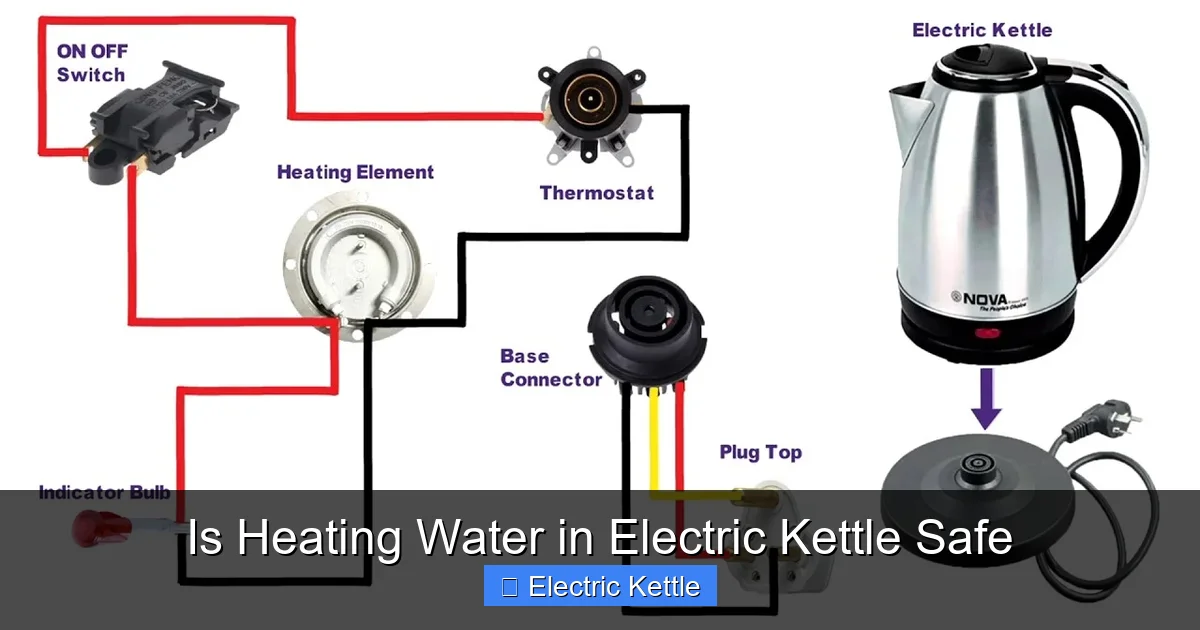
Before diving into safety, it helps to understand how these handy devices function. Most electric kettles operate on a simple principle: electricity heats a concealed or exposed heating element at the base, which transfers heat directly to the water inside.
When you plug in the kettle and press the switch, electric current flows through the heating coil. This coil resists the current, generating heat—a process known as Joule heating. The water absorbs this heat, and as its temperature rises, convection currents circulate it evenly. Once the water reaches boiling point (usually around 212°F or 100°C at sea level), a thermostat triggers an automatic shut-off mechanism. This stops the heating process, preventing overheating and saving energy.
Many modern kettles also include features like variable temperature settings (ideal for green tea or baby formula), keep-warm functions, and boil-dry protection—which cuts power if the kettle runs empty. These innovations not only improve convenience but also significantly boost safety.
Types of Electric Kettles and Their Safety Implications
Not all electric kettles are created equal. The material they’re made from can influence both performance and safety:
– **Stainless steel kettles**: Durable, non-reactive, and easy to clean. High-quality stainless steel (like 304 grade) won’t leach metals into your water. However, some cheaper models may have aluminum interiors coated with questionable coatings—always check product specs.
– **Glass kettles**: Offer a clean, chemical-free brewing experience and let you see the water boil. Borosilicate glass resists thermal shock, but it can break if dropped or exposed to sudden temperature changes.
– **Plastic kettles**: Lightweight and affordable, but potentially risky if not BPA-free. Low-quality plastics may release microplastics or endocrine-disrupting chemicals when heated. Always choose models labeled “BPA-free” and avoid prolonged boiling.
– **Kettles with concealed elements**: Safer for cleaning and reduce limescale buildup compared to exposed-coil models. They’re also less likely to corrode over time.
Understanding these differences helps you make informed choices that align with your health priorities and usage habits.
Material Safety: What’s Inside Your Kettle Matters
One of the biggest concerns about electric kettles is whether the materials used can contaminate your water—especially when heated repeatedly. Let’s break down the risks and how to avoid them.
Stainless Steel: The Gold Standard
High-grade stainless steel (particularly 18/8 or 304 stainless steel) is widely regarded as the safest material for electric kettles. It’s non-porous, resistant to rust and corrosion, and doesn’t react with water—even at high temperatures. Unlike some metals, it won’t leach nickel or chromium into your drink under normal use.
However, be cautious with very cheap stainless steel kettles. Some manufacturers use lower-grade alloys or add coatings that may degrade over time. If you notice a metallic taste or discoloration, it’s time to replace your kettle.
Glass: Pure and Transparent
Borosilicate glass kettles are excellent for purists who want zero contact between water and metal or plastic. This type of glass withstands rapid temperature changes without cracking, making it ideal for boiling water. Just ensure the handle and lid are heat-resistant and securely attached—loose parts can become burn hazards.
Avoid regular soda-lime glass, which is more prone to shattering. Also, never pour cold water into a hot glass kettle or vice versa, as thermal shock can cause fractures.
Plastic: Proceed with Caution
Plastic kettles are controversial. While many are labeled “BPA-free,” that doesn’t guarantee complete safety. Other chemicals like BPS or BPF may still be present and can mimic hormones in the body. When heated, especially repeatedly, these compounds may leach into water—particularly if the plastic shows signs of wear, such as cloudiness, scratches, or odor.
If you must use a plastic kettle:
– Choose one certified by reputable labs (look for NSF or FDA approval).
– Never boil water more than once in the same session.
– Replace it every 1–2 years or sooner if damaged.
– Avoid using it for baby formula or sensitive beverages.
For peace of mind, many health-conscious users opt for stainless steel or glass instead.
Heating Element Coatings: Hidden Hazards?
Some kettles feature heating elements coated with materials like Teflon or ceramic. While these coatings can prevent mineral buildup, there’s limited research on their long-term safety when exposed to high heat. If the coating chips or degrades, particles could mix with your water.
Stick to kettles with bare stainless steel heating elements (concealed or exposed) or those using inert ceramic coatings from trusted brands. Always follow cleaning instructions to preserve the coating’s integrity.
Health Risks: Separating Myth from Reality
You might have heard claims that boiling water in an electric kettle causes cancer, releases toxins, or depletes oxygen—but how much truth is there?
Does Boiling Water Remove Oxygen?
It’s true that boiling reduces dissolved oxygen in water, but this isn’t harmful. Your body gets oxygen from breathing, not drinking. In fact, slightly deoxygenated water may even be gentler on your digestive system. So unless you’re a competitive athlete monitoring every variable, this isn’t a concern.
Can Reboiling Water Be Dangerous?
Reboiling water isn’t inherently dangerous, but it can concentrate certain substances if done excessively. For example:
– Minerals like calcium and magnesium become more concentrated, potentially affecting taste.
– If your tap water contains nitrates (common in agricultural areas), repeated boiling can increase nitrate levels slightly—though usually not to hazardous levels.
– Volatile organic compounds (VOCs) may evaporate during the first boil, so reboiling doesn’t add new risks.
The real issue arises with distilled or purified water. Reboiling it can lead to superheating—where water exceeds boiling point without bubbling—creating a sudden, dangerous eruption when disturbed. Always use fresh, cold tap or filtered water for each boil.
Microplastics and Chemical Leaching: Real Concerns?
Recent studies have detected microplastics in bottled and tap water, raising questions about kettles. While stainless steel and glass pose minimal risk, plastic kettles—especially older or low-quality ones—may shed tiny particles when heated. A 2022 study found that some plastic kettles released millions of microplastic particles per liter after just one use.
To minimize exposure:
– Avoid plastic kettles altogether if possible.
– If using one, never heat it beyond boiling point.
– Replace worn or cloudy kettles immediately.
– Consider using a high-quality water filter before filling your kettle.
While the long-term health effects of microplastic ingestion are still being studied, it’s wise to err on the side of caution.
Electrical and Fire Safety: Preventing Accidents
Electric kettles involve water and electricity—two elements that don’t mix well if mishandled. Fortunately, modern designs include multiple safeguards, but user behavior remains critical.
Automatic Shut-Off: Your Best Friend
Nearly all electric kettles today come with automatic shut-off. This feature turns off the heating element once water reaches boiling point, preventing dry boiling and reducing fire risk. Some models also include boil-dry protection, which detects low water levels and cuts power before damage occurs.
Always ensure this feature works by testing it occasionally (with water present!). If your kettle doesn’t turn off automatically, stop using it immediately—it could overheat and cause a fire.
Cord and Plug Safety
Damaged cords are a leading cause of kitchen electrical fires. Regularly inspect your kettle’s power cord for fraying, cracks, or exposed wires. Never wrap the cord tightly around the base, as this can weaken internal wires over time.
Use the kettle on a stable, dry surface away from sinks or edges. Keep the cord away from hot stovetops or sharp counter corners. If you notice sparks, burning smells, or the plug feels hot, unplug the kettle and have it checked by a professional.
Water Level and Overfilling Risks
Every kettle has minimum and maximum water level markers. Ignoring them can cause problems:
– **Underfilling**: Can trigger boil-dry protection or damage the heating element.
– **Overfilling**: May cause boiling water to spill out during use, leading to steam burns or short-circuiting the base.
As a rule, fill your kettle with only the amount of water you need. This also saves energy and reduces boiling time.
Steam Burns: A Common but Preventable Injury
Steam from a boiling kettle can reach temperatures over 200°F (93°C)—hot enough to cause serious burns in seconds. Never lean over the spout while boiling, and keep children and pets away during operation.
When pouring, tilt the kettle slowly and use oven mitts if the handle gets hot. Some kettles have cool-touch handles, but it’s still wise to handle with care.
Maintenance and Cleaning: Keeping Your Kettle Safe
A clean kettle is a safe kettle. Neglecting maintenance doesn’t just affect taste—it can compromise safety and efficiency.
Descaling: Fighting Limescale Buildup
If you live in a hard water area, mineral deposits (mainly calcium and magnesium) will accumulate inside your kettle. This limescale can:
– Reduce heating efficiency
– Harbor bacteria
– Flake off into your water
Descaling monthly is recommended. Use a mixture of equal parts white vinegar and water:
1. Fill the kettle halfway with the solution.
2. Boil, then let it sit for 30–60 minutes.
3. Rinse thoroughly with clean water (boil and discard 2–3 times to remove vinegar taste).
Alternatively, use commercial descaling solutions or citric acid for a gentler option.
Interior and Exterior Cleaning Tips
Wipe the exterior with a damp cloth and mild detergent. Never submerge the base or cord in water.
For the interior, avoid abrasive scrubbers that can scratch surfaces. A soft brush or sponge works best. If your kettle has a removable filter (common in pour-over designs), clean it weekly to prevent clogging.
When to Replace Your Kettle
Even the best kettles don’t last forever. Signs it’s time for a new one include:
– Persistent odors or strange tastes
– Visible rust or corrosion
– Slow heating or inconsistent boiling
– Cracks, leaks, or electrical issues
Most quality kettles last 3–5 years with proper care. Investing in a durable model pays off in safety and performance.
Best Practices for Safe and Healthy Use
Now that you know the risks and solutions, here’s how to use your electric kettle safely every day:
– **Use only cold, fresh water**: Hot water from the tap may contain leached metals from your plumbing.
– **Don’t leave water sitting**: Stagnant water can breed bacteria. Empty and rinse the kettle after each use if possible.
– **Avoid additives**: Never add salt, sugar, or flavorings directly to the kettle—they can corrode elements or leave sticky residues.
– **Store properly**: Keep the kettle unplugged and dry when not in use. Leave the lid open slightly to prevent moisture buildup.
– **Follow the manual**: Every model is different. Read the user guide for specific safety instructions and warranty details.
By adopting these habits, you’ll extend your kettle’s life and protect your health.
Conclusion: Yes, It’s Safe—If You Do It Right
So, is heating water in an electric kettle safe? The answer is a resounding yes—provided you choose a well-made model, use it responsibly, and maintain it regularly.
Electric kettles are designed with safety in mind, featuring automatic shut-offs, boil-dry protection, and food-grade materials. When paired with good habits—like using clean water, avoiding overfilling, and descaling monthly—they’re one of the safest ways to boil water quickly.
The key is awareness. Don’t assume all kettles are equal. Read labels, check certifications, and replace aging units. Your morning tea deserves to be both delicious and safe.
With the tips in this guide, you can enjoy fast, efficient, and worry-free boiling for years to come. Stay safe, stay hydrated, and happy brewing!
Frequently Asked Questions
Can heating water in an electric kettle cause cancer?
No, there is no scientific evidence that heating water in a properly made electric kettle causes cancer. Concerns often stem from misinformation about plastic leaching or radiation, but certified kettles using food-safe materials pose no known carcinogenic risk.
Is it safe to drink water boiled in a plastic electric kettle?
It can be safe if the kettle is labeled BPA-free and made from high-quality, food-grade plastic. However, repeated heating may degrade lower-quality plastics, potentially releasing microplastics or chemicals. For maximum safety, choose stainless steel or glass kettles.
How often should I descale my electric kettle?
Descale your kettle once a month if you use it daily, or more frequently if you live in a hard water area. Signs like slow heating, white deposits, or odd tastes indicate it’s time for cleaning.
Can I leave water in my electric kettle overnight?
It’s not recommended. Stagnant water can promote bacterial growth and absorb odors. For best hygiene, empty and rinse the kettle after each use, especially if you won’t be using it for several hours.
Why does my kettle smell or taste funny?
Unusual odors or tastes usually result from limescale buildup, residual cleaning agents, or degraded materials. Clean the interior thoroughly with vinegar or a descaling solution, and replace the kettle if the issue persists.
Are automatic shut-off features reliable?
Yes, modern automatic shut-off mechanisms are highly reliable and tested for safety. However, test the feature occasionally and stop using the kettle immediately if it fails to turn off when water boils.