Using an electric kettle is generally a smart, efficient choice for boiling water quickly and safely. It saves time, energy, and offers precise temperature control—perfect for tea, coffee, and cooking.
Key Takeaways
- Energy Efficiency: Electric kettles use less energy than stovetop kettles, especially when boiling small amounts of water.
- Speed and Convenience: They boil water faster than most stovetop methods, often in under 5 minutes.
- Temperature Control: Many models offer variable temperature settings, ideal for different types of tea and coffee.
- Built-in Safety Features: Auto shut-off, boil-dry protection, and cool-touch exteriors reduce risks.
- Durability and Maintenance: With proper care, electric kettles last for years and are easy to clean.
- Environmental Impact: They produce fewer emissions than gas stoves and reduce overall energy waste.
- Versatility: Beyond beverages, they’re great for instant noodles, oatmeal, baby formula, and more.
📑 Table of Contents
- Is It Good to Use Electric Kettle? A Complete Guide
- Why Electric Kettles Are a Kitchen Game-Changer
- Safety Features That Give You Peace of Mind
- Durability and Maintenance: Built to Last
- Environmental Impact: A Greener Choice
- Choosing the Right Electric Kettle for Your Needs
- Common Misconceptions About Electric Kettles
- Conclusion: Is It Good to Use Electric Kettle?
Is It Good to Use Electric Kettle? A Complete Guide
Imagine this: It’s early morning, and you’re craving a hot cup of tea or coffee. You flick a switch, and within minutes, your water is boiling—no waiting, no watching the stove. That’s the magic of an electric kettle. But is it really worth the investment? Are there hidden downsides? And how does it compare to traditional stovetop kettles?
In today’s fast-paced world, convenience matters. We want things that save time, energy, and effort. Electric kettles have become a staple in modern kitchens for good reason. They’re sleek, fast, and packed with features that make daily routines smoother. But like any appliance, they come with pros and cons. Whether you’re a tea enthusiast, a coffee lover, or just someone who needs hot water for cooking, understanding the full picture will help you decide if an electric kettle is right for you.
This guide dives deep into the world of electric kettles. We’ll explore their benefits, potential drawbacks, how they compare to other methods, and tips for choosing and maintaining the best one for your needs. By the end, you’ll know exactly whether it’s good to use electric kettle—and how to get the most out of it.
Why Electric Kettles Are a Kitchen Game-Changer
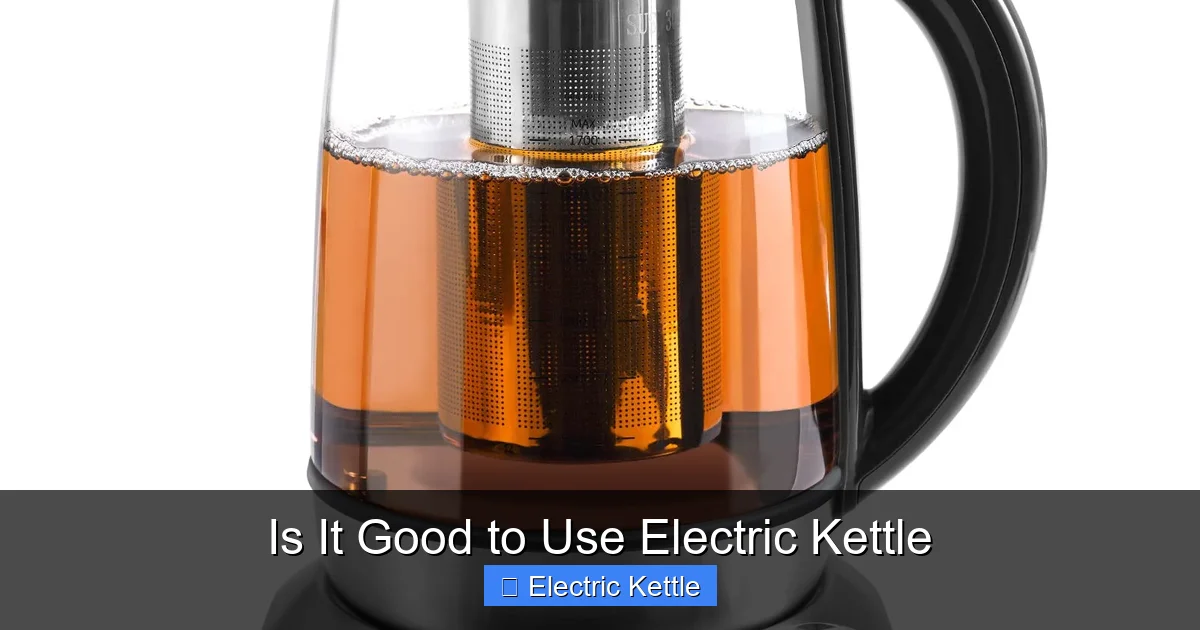
Visual guide about Is It Good to Use Electric Kettle
Image source: m.media-amazon.com
Let’s start with the obvious: electric kettles are fast. Really fast. Most models can boil a full liter of water in under five minutes—sometimes even less. Compare that to a stovetop kettle, which can take 8–10 minutes depending on your stove type and heat setting. That’s a huge time saver, especially during busy mornings or when you’re in a rush.
But speed isn’t the only advantage. Electric kettles are also incredibly convenient. You don’t need to watch them like a hawk. Just fill, press a button, and walk away. Many models come with automatic shut-off features, so they turn off the moment the water reaches boiling point. This means no more forgotten kettles boiling dry or whistling nonstop while you’re in another room.
Another big plus? Precision. If you’re into specialty teas like green tea or white tea, you know that boiling water can ruin the delicate flavors. Overheating can make your tea bitter. That’s where variable temperature control comes in. Many modern electric kettles let you choose exact temperatures—say, 175°F for green tea or 200°F for black tea. This level of control is hard to achieve with a stovetop kettle unless you’re using a thermometer.
And let’s not forget versatility. Sure, electric kettles are great for tea and coffee, but they’re also perfect for making instant noodles, oatmeal, hot chocolate, or even sterilizing baby bottles. Some people even use them to heat water for cleaning or steaming vegetables. The possibilities go beyond just beverages.
Energy Efficiency: Saving Power and Money
One of the most compelling reasons to switch to an electric kettle is energy efficiency. Electric kettles are designed to heat water directly and quickly, with minimal heat loss. In contrast, stovetop kettles lose a lot of heat to the surrounding air, especially on gas stoves where flames can escape around the sides.
Studies have shown that electric kettles use up to 50% less energy than stovetop kettles when boiling the same amount of water. This is because they transfer heat more efficiently and often have better insulation. For example, if you’re only boiling enough water for one cup of tea, an electric kettle will use far less energy than heating a full stovetop kettle.
Over time, this efficiency adds up. Lower energy use means lower electricity bills and a smaller carbon footprint. If you’re environmentally conscious, this is a big win. Plus, many electric kettles are made with recyclable materials and have longer lifespans than cheap stovetop kettles, further reducing waste.
Speed: Boiling Water in Record Time
Let’s talk numbers. On average, an electric kettle boils one liter of water in about 3–4 minutes. A stovetop kettle? That can take 6–10 minutes, depending on the stove and kettle material. Even microwaves aren’t much faster—and they’re less efficient for larger amounts.
Why the difference? Electric kettles use powerful heating elements (often 1500–3000 watts) that heat water directly from the bottom. There’s no waiting for a burner to heat up or for heat to transfer through a metal base. The result? Faster boiling, every time.
This speed is especially helpful in households with multiple people. Imagine making coffee for three people in the morning. With an electric kettle, you can boil water three times in the time it takes a stovetop kettle to boil once. That’s a game-changer for busy families or shared living spaces.
Temperature Control: Perfect Brews Every Time
Not all hot water is created equal. Different beverages require different temperatures for optimal flavor. Coffee, for instance, brews best at around 195–205°F. Green tea? Closer to 160–180°F. Boiling water (212°F) can scorch delicate leaves and ruin the taste.
Many high-end electric kettles come with variable temperature settings. You can select the exact temperature you need with the push of a button. Some even have preset options labeled “Green Tea,” “White Tea,” “Coffee,” and “Boil.” This precision ensures you get the best flavor every time—no guesswork, no thermometers.
This feature is especially valuable for tea connoisseurs. If you’ve invested in high-quality loose-leaf tea, you don’t want to waste it with improperly heated water. An electric kettle with temperature control helps you get the most out of every cup.
Safety Features That Give You Peace of Mind
Safety is a major concern when dealing with hot water and electricity. But modern electric kettles are designed with multiple safety features to prevent accidents.
One of the most important is automatic shut-off. Once the water reaches the set temperature, the kettle turns off on its own. This prevents overheating, reduces the risk of fire, and saves energy. Some models even have a “keep warm” function that maintains the temperature for a short time without continuous boiling.
Another key feature is boil-dry protection. If you accidentally turn on the kettle without water, it will detect the lack of liquid and shut off immediately. This protects the heating element from damage and prevents potential hazards.
Many electric kettles also have cool-touch exteriors. Even when the water inside is boiling, the outside stays safe to touch. This is especially helpful if you have kids or pets at home. Plus, most models have secure lids that won’t pop open when boiling, reducing the risk of spills.
Auto Shut-Off and Boil-Dry Protection
Auto shut-off is a standard feature in almost all electric kettles today. It’s a simple but crucial safety mechanism. When the water reaches boiling point (or your selected temperature), the kettle automatically cuts power to the heating element. This not only prevents overheating but also saves energy.
Boil-dry protection works similarly. If the kettle is turned on without water—maybe you forgot to fill it—the sensor detects the absence of liquid and shuts off the heating element. This prevents damage to the kettle and reduces fire risk. It’s a small feature that makes a big difference in safety and longevity.
Cool-Touch Exteriors and Secure Lids
Ever grabbed a stovetop kettle right after it boiled? Ouch. That’s why cool-touch exteriors are such a welcome innovation. The outer shell of many electric kettles stays cool to the touch, even when the water inside is at a rolling boil. This makes handling safer and more comfortable.
Secure lids are another safety plus. Unlike stovetop kettles that can rattle or pop open when boiling, electric kettles usually have tight-fitting lids that stay closed. Some even have locking mechanisms or one-touch open buttons for added safety.
Durability and Maintenance: Built to Last
A good electric kettle should last for years—especially if you take care of it. Most models are made from durable materials like stainless steel, BPA-free plastic, or heat-resistant glass. These materials resist rust, stains, and odors, ensuring your kettle stays clean and functional.
Stainless steel kettles are particularly popular. They’re sturdy, easy to clean, and don’t retain flavors or smells. Glass kettles offer a modern look and let you see the water boiling, which some people find satisfying. Plastic kettles are lightweight and affordable but may not last as long or handle high heat as well.
Cleaning and Descaling Tips
Like any appliance that uses water, electric kettles can develop mineral buildup—especially if you have hard water. This buildup, called limescale, can affect performance and taste. But it’s easy to prevent with regular cleaning.
The best way to descale your kettle is with a mixture of equal parts water and white vinegar. Fill the kettle halfway, let it sit for 30–60 minutes, then boil the solution. After boiling, let it cool, then rinse thoroughly with clean water. For stubborn scale, you can repeat the process or use a commercial descaling solution.
You should also wipe the exterior regularly with a damp cloth and clean the lid and spout to prevent mold or residue buildup. Avoid submerging the base in water—only the removable parts should be washed.
How Long Do Electric Kettles Last?
With proper care, most electric kettles last between 3 to 5 years. High-quality models from reputable brands can even last longer. The lifespan depends on usage, water quality, and maintenance.
Signs it’s time to replace your kettle include:
– Slow boiling times
– Leaking or cracks
– Strange smells or tastes
– Frequent auto shut-offs (indicating sensor issues)
Investing in a well-made kettle from a trusted brand can extend its life and save you money in the long run.
Environmental Impact: A Greener Choice
If you’re concerned about your environmental footprint, an electric kettle is a smart choice. As mentioned earlier, they use less energy than stovetop kettles—especially when boiling small amounts. This reduces your household’s carbon emissions.
Electric kettles also reduce waste. Unlike disposable coffee pods or single-use tea bags, they encourage reusable brewing methods. You can use loose-leaf tea, French press coffee, or pour-over setups—all of which are more sustainable.
Additionally, many electric kettles are made with recyclable materials. When it’s time to replace yours, check if the manufacturer offers a recycling program or if local e-waste centers accept small appliances.
Energy Use Comparison
Let’s break it down:
– Electric kettle: ~0.1 kWh to boil 1 liter
– Gas stovetop: ~0.2 kWh (equivalent)
– Microwave: ~0.15 kWh (for small amounts)
Electric kettles win on efficiency, especially for single servings. They also heat water more evenly, reducing the need to re-boil.
Reducing Waste with Reusable Brewing
Using an electric kettle encourages eco-friendly habits. Instead of buying bottled water or single-use coffee pods, you can boil tap water and brew your own drinks. This cuts down on plastic waste and saves money.
Pair your kettle with a reusable tea infuser, French press, or pour-over dripper for a zero-waste brewing experience. It’s better for the planet—and often tastes better too.
Choosing the Right Electric Kettle for Your Needs
Not all electric kettles are created equal. With so many options on the market, it’s important to choose one that fits your lifestyle and preferences.
Key Features to Look For
– **Capacity:** 1–1.7 liters is standard. Choose based on your household size.
– **Material:** Stainless steel is durable; glass is stylish; plastic is lightweight.
– **Temperature Control:** Essential for tea lovers.
– **Speed:** Look for 1500W or higher for faster boiling.
– **Cordless Design:** Makes pouring easier and safer.
– **Water Level Window:** Helps you measure accurately.
– **Quiet Operation:** Some kettles are designed to boil more quietly.
Top Brands to Consider
– **Breville:** Known for precision and smart features.
– **Cuisinart:** Reliable, stylish, and affordable.
– **Hamilton Beach:** Budget-friendly with solid performance.
– **OXO:** User-friendly designs and excellent build quality.
– **Russell Hobbs:** Classic styles with modern tech.
Budget vs. Premium Options
You can find electric kettles for as little as $20 or as much as $150+. Budget models work fine for basic boiling, but premium kettles offer better materials, temperature control, and durability. If you drink tea or coffee daily, the investment is worth it.
Common Misconceptions About Electric Kettles
Despite their popularity, some myths still surround electric kettles. Let’s clear them up.
“They Use Too Much Electricity”
False. Electric kettles are actually more energy-efficient than stovetops. They heat water faster and with less waste. Over time, they can even lower your energy bills.
“They Make Water Taste Metallic”
This can happen with low-quality kettles or if they’re not cleaned properly. High-quality models with stainless steel or glass interiors don’t impart flavors. Regular descaling also prevents odd tastes.
“They’re Dangerous”
Modern electric kettles are very safe. With auto shut-off, boil-dry protection, and cool-touch exteriors, the risk of accidents is minimal—especially compared to open flames or hot stovetops.
Conclusion: Is It Good to Use Electric Kettle?
So, is it good to use electric kettle? The short answer is yes—especially if you value speed, efficiency, and convenience. Electric kettles save time, use less energy, and offer features that enhance your daily routine. They’re safer, more precise, and versatile enough for everything from tea to cooking.
Of course, they’re not perfect. They require electricity, so they won’t work during power outages. And low-quality models may not last long or could affect taste. But with the right choice and proper care, an electric kettle can be a reliable, long-lasting addition to your kitchen.
Whether you’re a busy professional, a tea enthusiast, or just someone who wants hot water fast, an electric kettle is a smart investment. It’s not just about boiling water—it’s about making life a little easier, one cup at a time.
Frequently Asked Questions
Are electric kettles safe to use?
Yes, modern electric kettles are very safe. They come with features like auto shut-off, boil-dry protection, and cool-touch exteriors to prevent accidents. As long as you follow the manufacturer’s instructions, they’re safe for daily use.
Do electric kettles use a lot of electricity?
No, electric kettles are actually energy-efficient. They use less power than stovetop kettles, especially when boiling small amounts. On average, boiling a liter of water uses about 0.1 kWh—less than a microwave or gas stove.
Can I use an electric kettle for coffee?
Absolutely! Many electric kettles have temperature settings perfect for coffee brewing. Look for models with a “coffee” preset or adjustable temperatures between 195–205°F for the best results.
How often should I clean my electric kettle?
It’s best to descale your kettle every 1–2 months, or more often if you have hard water. Regular cleaning prevents limescale buildup and keeps your water tasting fresh.
Can I leave water in my electric kettle overnight?
It’s not recommended. Stagnant water can promote bacterial growth and affect taste. Always empty and rinse your kettle after use, and refill it fresh each time.
Do electric kettles work during a power outage?
No, electric kettles require electricity to function. If the power goes out, you’ll need an alternative method like a gas stove, camping stove, or microwave to heat water.