Using an electric kettle is generally safe and healthy when you choose quality materials and maintain it properly. While concerns about plastic leaching or mineral buildup exist, modern electric kettles made from stainless steel or glass minimize risks. With regular cleaning and smart usage habits, an electric kettle can be a convenient, energy-efficient way to boil water for tea, coffee, and cooking.
Key Takeaways
- Electric kettles are safe when made from non-toxic materials: Stainless steel, glass, and BPA-free plastic models reduce exposure to harmful chemicals.
- Regular cleaning prevents mineral buildup and bacteria: Descaling with vinegar or lemon juice keeps your kettle hygienic and efficient.
- Boiling water kills pathogens: Electric kettles effectively sterilize water, making it safer to drink, especially in areas with questionable water quality.
- Avoid overheating or reboiling water repeatedly: This can concentrate minerals and potentially affect taste and safety over time.
- Energy efficiency supports health indirectly: Electric kettles use less energy than stovetop methods, reducing household emissions and promoting a healthier environment.
- Choose kettles with automatic shut-off and boil-dry protection: These safety features prevent accidents and extend the appliance’s lifespan.
- Be mindful of noise and heat exposure: Place your kettle on a stable, heat-resistant surface away from children and sensitive electronics.
📑 Table of Contents
- Is It Healthy to Use Electric Kettle? A Comprehensive Guide
- How Electric Kettles Work and Why They’re Popular
- Health Benefits of Using an Electric Kettle
- Potential Health Concerns and How to Avoid Them
- Choosing the Right Electric Kettle for Health and Safety
- Maintenance Tips for a Healthy Electric Kettle
- Conclusion: Yes, It’s Healthy—When Used Wisely
Is It Healthy to Use Electric Kettle? A Comprehensive Guide
Imagine this: It’s early morning, and you’re craving a warm cup of tea or coffee. Instead of waiting for a pot to boil on the stove, you press a button, and within minutes, your water is ready. That’s the magic of the electric kettle—a small kitchen appliance that’s become a staple in homes around the world. But as convenient as it is, you might be wondering: Is it healthy to use electric kettle? With growing awareness about toxins in everyday products and the impact of kitchen appliances on our well-being, it’s a fair and important question.
The short answer? Yes, using an electric kettle is generally healthy—especially when you make informed choices about the materials, maintenance, and usage habits. However, like any kitchen tool, it’s not without potential pitfalls. From concerns about plastic components leaching chemicals to worries about mineral buildup affecting water quality, there are factors to consider. But don’t worry—this guide will walk you through everything you need to know to use your electric kettle safely and healthily. Whether you’re a tea enthusiast, a busy parent, or just someone who values efficiency, understanding the health implications of your electric kettle can help you make better decisions for you and your family.
How Electric Kettles Work and Why They’re Popular
Before diving into health concerns, let’s take a quick look at how electric kettles function. Unlike traditional stovetop kettles, electric kettles have a built-in heating element—usually located at the base—that heats water quickly and efficiently. Most models come with an automatic shut-off feature that turns the kettle off once the water reaches boiling point, preventing overheating and saving energy. Some advanced versions even offer temperature control, allowing you to heat water to specific temperatures ideal for different types of tea or coffee.
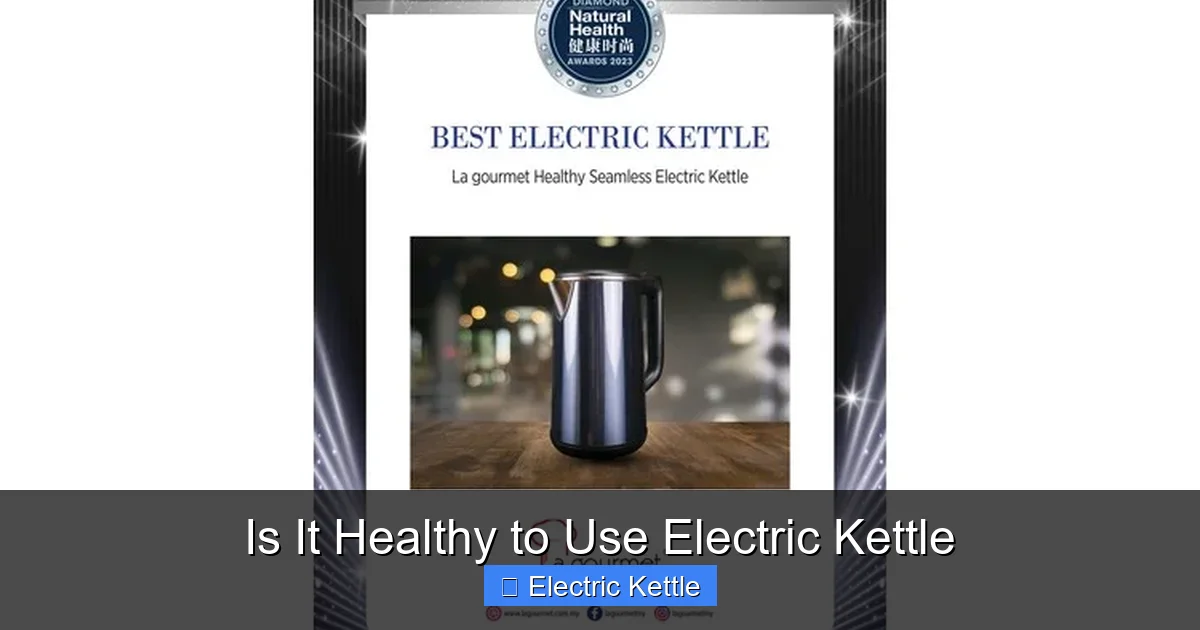
Visual guide about Is It Healthy to Use Electric Kettle
Image source: 100comments.com
The popularity of electric kettles isn’t just about speed. They’re also incredibly convenient. No need to monitor a stove or worry about forgetting the kettle on the burner. Just fill, press a button, and walk away. This makes them especially useful in offices, dorm rooms, or homes with busy schedules. Plus, they’re often more energy-efficient than boiling water on a gas or electric stove, which means lower utility bills and a smaller carbon footprint.
Energy Efficiency and Environmental Impact
One of the often-overlooked health benefits of electric kettles is their positive impact on the environment. Because they heat water faster and use less energy than stovetop methods, they reduce household energy consumption. This not only saves money but also lowers greenhouse gas emissions associated with electricity generation. Over time, using an electric kettle instead of a stove can contribute to a healthier planet—and by extension, healthier communities.
For example, a study by the Energy Saving Trust found that electric kettles use about 30% less energy than boiling the same amount of water on a gas hob. That’s a significant difference, especially if you boil water multiple times a day. And since many modern kettles are designed to heat only the amount of water you need (thanks to features like variable capacity markings), there’s less waste overall.
Convenience Without Compromise
Let’s be honest—convenience matters. In today’s fast-paced world, we rely on appliances that save time and effort. Electric kettles deliver on that promise without sacrificing safety or quality. Whether you’re making a quick cup of green tea, preparing instant oatmeal, or sterilizing baby bottles, an electric kettle gets the job done quickly and reliably.
And with features like keep-warm functions, cordless designs, and sleek aesthetics, they’ve evolved far beyond the basic models of the past. Many now come with smart technology, allowing you to control them via smartphone apps or voice assistants. While these extras aren’t necessary for health, they do enhance usability and encourage consistent, safe use.
Health Benefits of Using an Electric Kettle
So, what makes electric kettles a healthy choice? Let’s break it down. First and foremost, boiling water is one of the simplest and most effective ways to make it safe to drink. Whether you’re using tap water or filtered water, heating it to 100°C (212°F) kills bacteria, viruses, and parasites that could cause illness. This is especially important in areas where water quality is questionable or during travel.
Electric kettles make this process effortless. Instead of waiting for a pot to boil on the stove—where you might forget it and risk boiling dry—an electric kettle does the work for you. The automatic shut-off ensures the water reaches the right temperature and then stops, reducing the risk of accidents and ensuring consistent results every time.
Promoting Hydration and Healthy Habits
Another health benefit? Electric kettles encourage better hydration. When hot water is readily available, people are more likely to drink herbal teas, infusions, or warm water with lemon—all of which support digestion, immunity, and overall wellness. Unlike sugary drinks or caffeine-heavy sodas, these alternatives are low in calories and rich in antioxidants.
For instance, drinking warm water with lemon in the morning can kickstart your metabolism and aid digestion. Herbal teas like chamomile or peppermint can soothe stress and improve sleep. And green tea, brewed at the right temperature (thanks to temperature-controlled kettles), delivers a powerful dose of catechins—compounds linked to heart health and weight management.
Supporting Food Safety and Preparation
Beyond beverages, electric kettles play a role in safe food preparation. Boiling water is essential for cooking pasta, sterilizing utensils, or preparing baby formula. Using an electric kettle ensures that the water reaches a consistent, high temperature quickly, reducing the risk of undercooked food or contamination.
For parents, this is a game-changer. Sterilizing baby bottles and pacifiers requires boiling water for at least 5 minutes. An electric kettle can do this in under 10 minutes, making it a reliable tool for maintaining hygiene during those early months.
Potential Health Concerns and How to Avoid Them
While electric kettles offer many benefits, it’s important to acknowledge potential health concerns. The good news? Most of these can be avoided with smart choices and proper maintenance.
One common worry is the risk of chemicals leaching into water from the kettle’s materials. Older or low-quality kettles made with certain plastics may contain BPA (bisphenol A) or other endocrine disruptors. When heated, these chemicals can migrate into the water, especially if the kettle is old or damaged.
However, most modern electric kettles are made from safer materials. Stainless steel and glass models are excellent choices because they’re non-reactive and don’t leach chemicals. If you prefer a plastic kettle, look for labels that say “BPA-free” or “food-grade plastic.” Always check the manufacturer’s specifications and avoid kettles with strong chemical odors.
Mineral Buildup and Scale Formation
Another concern is limescale—a chalky deposit that forms when hard water is heated repeatedly. This buildup isn’t harmful to drink, but it can affect the taste of your water and reduce the kettle’s efficiency over time. More importantly, if left unchecked, scale can harbor bacteria or mold in hard-to-reach areas.
The solution? Regular descaling. Once a month (or more often if you have hard water), clean your kettle with a mixture of white vinegar and water. Fill the kettle halfway with equal parts vinegar and water, let it sit for an hour, then boil it. Rinse thoroughly afterward. For a natural alternative, use lemon juice instead of vinegar.
Overheating and Reboiling Water
Some people worry that reboiling water multiple times can concentrate impurities or create harmful compounds. While it’s true that repeated boiling can increase the concentration of minerals like nitrates or heavy metals (if present in the water), the risk is generally low with clean, filtered water.
Still, it’s best to avoid reboiling water unnecessarily. Instead, boil only the amount you need. If you’re making multiple cups of tea, consider using a kettle with a keep-warm function or reheating water gently on the stove. This preserves taste and minimizes potential risks.
Choosing the Right Electric Kettle for Health and Safety
Not all electric kettles are created equal. To ensure you’re making a healthy choice, pay attention to the materials, features, and certifications.
Start with the interior. Look for kettles with stainless steel or glass interiors. These materials are non-porous, easy to clean, and won’t react with water or acidic beverages like lemon tea. Avoid kettles with aluminum interiors unless they’re coated with a safe, non-reactive layer.
Next, check for safety certifications. In the U.S., look for UL (Underwriters Laboratories) listing. In Europe, CE marking indicates compliance with health and safety standards. These labels mean the product has been tested for electrical safety and material integrity.
Key Features to Look For
When shopping for an electric kettle, prioritize these health-focused features:
- Automatic shut-off: Prevents overheating and saves energy.
- Boil-dry protection: Turns off the kettle if there’s no water inside, reducing fire risk.
- Temperature control: Allows precise heating for different beverages, preserving nutrients and flavor.
- Removable filter: Catches sediment and makes cleaning easier.
- Cordless design: Reduces clutter and makes pouring safer.
For example, the Breville BKE820XL IQ Electric Kettle offers variable temperature settings and a stainless steel interior, making it a top choice for health-conscious users. Similarly, the Hamilton Beach Glass Electric Kettle combines transparency with safety, allowing you to see the water level and interior cleanliness at a glance.
Budget-Friendly and Eco-Conscious Options
You don’t need to spend a fortune to get a healthy electric kettle. Many affordable models from brands like OXO, Cuisinart, and Mueller offer excellent safety and performance. Just be sure to read reviews and check material specifications before buying.
If sustainability is a priority, consider kettles with long lifespans and repairable designs. Some companies even offer recycling programs for old appliances. Choosing a durable kettle reduces waste and supports a healthier planet.
Maintenance Tips for a Healthy Electric Kettle
A well-maintained electric kettle is a healthy electric kettle. Regular care not only extends the appliance’s life but also ensures your water stays clean and safe.
Start with daily habits. After each use, empty any remaining water to prevent stagnation. Wipe the exterior with a damp cloth and dry it thoroughly. Never submerge the base in water—only the removable parts should be washed.
Weekly and Monthly Cleaning Routine
Once a week, give your kettle a quick rinse with warm, soapy water. Focus on the spout and lid, where residue can accumulate. For monthly deep cleaning, use the vinegar or lemon method described earlier.
If your kettle has a removable filter, clean it weekly. Rinse it under running water and use a soft brush to remove any buildup. This prevents clogs and ensures smooth pouring.
Signs It’s Time to Replace Your Kettle
Even the best kettles don’t last forever. Watch for signs that it’s time for an upgrade:
- Persistent odors or tastes in the water
- Visible rust or corrosion inside
- Slow heating or frequent tripping of the circuit
- Cracks in the body or lid
- Automatic shut-off no longer working
If you notice any of these issues, replace your kettle promptly. Continuing to use a damaged appliance can pose safety and health risks.
Conclusion: Yes, It’s Healthy—When Used Wisely
So, is it healthy to use electric kettle? The answer is a resounding yes—provided you choose a high-quality model, maintain it properly, and use it responsibly. Electric kettles offer a safe, efficient, and convenient way to boil water, supporting everything from hydration to food safety.
By selecting kettles made from stainless steel or glass, avoiding unnecessary reboiling, and keeping up with regular cleaning, you can enjoy all the benefits without the risks. And with so many smart, eco-friendly options on the market, there’s never been a better time to make the switch.
At the end of the day, your electric kettle is more than just a kitchen gadget—it’s a tool for healthier living. Whether you’re sipping a calming herbal tea or preparing a nutritious meal, that little appliance is working hard to support your well-being. So go ahead, press that button, and enjoy your perfectly boiled water with peace of mind.
Frequently Asked Questions
Can electric kettles leach chemicals into water?
Most modern electric kettles are made from safe, non-toxic materials like stainless steel or BPA-free plastic. As long as you choose a reputable brand and avoid damaged or low-quality models, chemical leaching is unlikely.
Is it safe to drink water boiled in an electric kettle?
Yes, it’s safe and often healthier. Boiling water kills harmful bacteria and parasites, making it safer to drink, especially in areas with poor water quality.
How often should I clean my electric kettle?
Clean the exterior after each use and descale the interior once a month (or more often if you have hard water). This prevents mineral buildup and keeps your water tasting fresh.
Can I use an electric kettle to boil milk or other liquids?
It’s not recommended. Most electric kettles are designed for water only. Boiling milk can cause scorching, damage the heating element, and create stubborn residue that’s hard to clean.
Do electric kettles use a lot of electricity?
No, they’re actually very energy-efficient. Electric kettles heat water faster and use less energy than stovetop methods, making them a greener choice.
What should I do if my electric kettle starts making strange noises?
Unplug it immediately and check for mineral buildup or loose parts. If the noise persists, stop using it and consider replacing the kettle to avoid safety hazards.