Boiling eggs in an electric kettle is possible but comes with important caveats. While it can save time and energy, doing so risks damaging your kettle, creating unpleasant odors, and potentially compromising food safety if not done correctly.
Key Takeaways
- It’s technically possible to boil eggs in an electric kettle, but most manufacturers don’t recommend it due to potential damage and safety concerns.
- Eggshells can crack during boiling, leading to egg whites leaking into the water and leaving stubborn, hard-to-clean residues inside the kettle.
- Using an electric kettle for eggs may void your warranty, as many brands explicitly prohibit non-water uses in their guidelines.
- Residual smells and flavors can linger, especially if egg residue isn’t thoroughly cleaned, affecting the taste of future beverages.
- Alternative methods like stovetop pots or egg cookers are safer and more reliable, offering better control over doneness and minimizing appliance risk.
- If you choose to proceed, use cold eggs, fill the kettle properly, and clean it immediately afterward to reduce risks.
- Always prioritize your kettle’s intended purpose—heating water— and reserve egg boiling for emergencies or when no other option is available.
📑 Table of Contents
- Is It Ok to Boil Eggs in Electric Kettle? A Practical Guide
- How Electric Kettles Work and Why It Matters
- The Risks of Boiling Eggs in an Electric Kettle
- When Might It Be Acceptable to Boil Eggs in a Kettle?
- Step-by-Step Guide: How to Boil Eggs in an Electric Kettle (If You Must)
- Better Alternatives to Boiling Eggs in a Kettle
- Conclusion: Should You Boil Eggs in an Electric Kettle?
Is It Ok to Boil Eggs in Electric Kettle? A Practical Guide
You’re in a rush. Breakfast needs to be quick, and you’ve got a meeting in 20 minutes. You’ve got eggs, an electric kettle, and a spark of curiosity: *Can I just drop these eggs in the kettle and call it a day?* It sounds convenient—after all, the kettle boils water fast, right? But before you toss those eggs in and hit the power button, let’s talk about what really happens when you boil eggs in an electric kettle.
At first glance, it seems like a clever life hack. Electric kettles are designed to heat water quickly and efficiently, and boiling eggs requires hot water. So why not combine the two? The idea is tempting, especially for college students, busy professionals, or travelers staying in hotel rooms with limited kitchen access. But while the logic appears sound, the reality is a bit more complicated. Boiling eggs in an electric kettle isn’t inherently dangerous, but it does come with a set of risks and drawbacks that most people don’t consider until it’s too late.
In this article, we’ll explore whether it’s actually okay to boil eggs in an electric kettle, what the potential consequences are, and how to do it safely—if you choose to at all. We’ll also look at why manufacturers generally advise against it, what types of kettles are more or less suitable, and what alternatives exist that are both safer and more effective. By the end, you’ll have a clear understanding of the pros, cons, and best practices so you can make an informed decision.
How Electric Kettles Work and Why It Matters
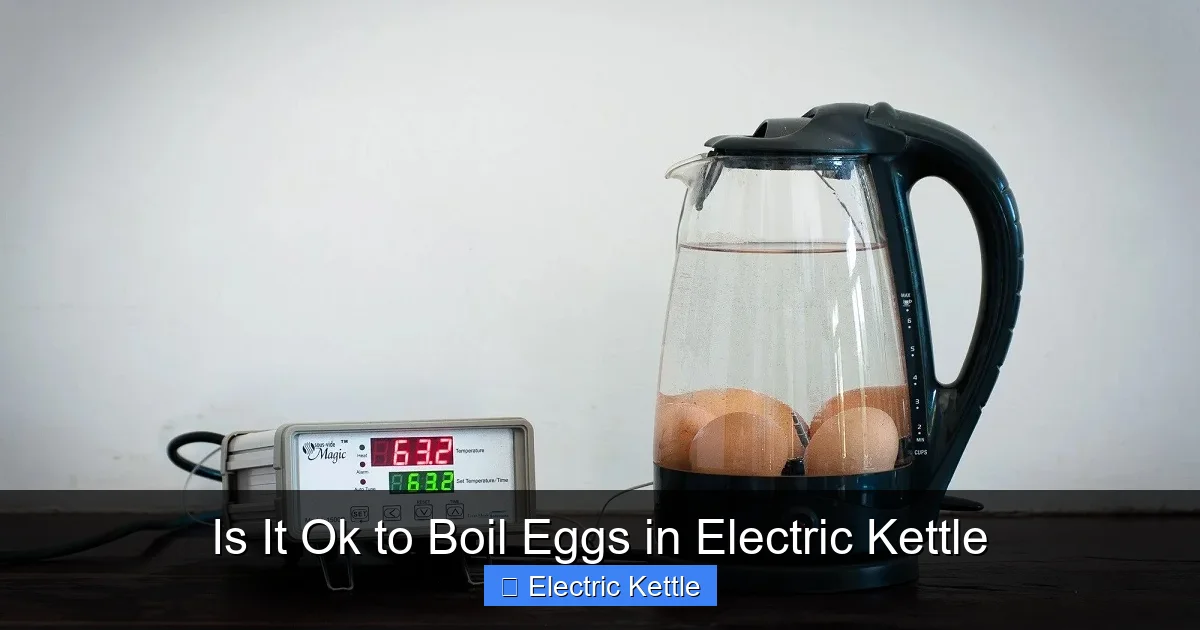
Visual guide about Is It Ok to Boil Eggs in Electric Kettle
Image source: storables.com
To understand whether boiling eggs in an electric kettle is a good idea, it helps to know how these appliances function. Electric kettles are designed with one primary purpose: to heat water quickly and efficiently using an internal heating element, usually located at the base. When you press the switch, electricity flows through this element, generating heat that transfers to the water. Most modern kettles have automatic shut-off mechanisms that turn off the power once the water reaches boiling point (around 212°F or 100°C at sea level), preventing overheating and saving energy.
This design is optimized for water—clean, clear, and free of solids. Water conducts heat well and doesn’t leave behind residues when it evaporates. Eggs, on the other hand, are a completely different story. They’re organic, contain proteins and fats, and are encased in a fragile shell that can crack under thermal stress. When an egg cracks in boiling water, the liquid inside—especially the egg white—can seep out and stick to the heating element or the interior walls of the kettle. This creates a sticky, cooked-on residue that’s difficult to remove and can affect the kettle’s performance over time.
Moreover, electric kettles aren’t built with food in mind. Unlike pots or pans, they lack non-stick coatings, wide openings, or easy-access designs that make cleaning food residues simple. The narrow spout and sealed interior mean that scrubbing out dried egg goop can be a real challenge. And if residue builds up on the heating element, it can insulate the metal, causing the kettle to overheat or fail to boil water properly. In extreme cases, this could even pose a fire hazard.
Another factor to consider is the thermostat. Most kettles are calibrated to detect when water has reached boiling point by sensing steam or temperature changes. If eggs are inside, they can alter the boiling dynamics—trapping steam, changing heat distribution, or causing the water to boil unevenly. This might trick the thermostat into shutting off too early or not at all, leading to undercooked eggs or, worse, overheating.
So while the basic principle—boiling water to cook eggs—is sound, the appliance itself isn’t designed to handle the complexities of cooking food. It’s like using a hairdryer to dry your clothes: it might work in a pinch, but it’s not what it was made for, and you could end up damaging the tool.
The Risks of Boiling Eggs in an Electric Kettle
Now that we understand how electric kettles work, let’s dive into the specific risks involved when you use them to boil eggs. While it might seem like a harmless shortcut, there are several potential downsides that can affect both your appliance and your health.
1. Damage to the Kettle’s Interior and Heating Element
One of the biggest concerns is physical damage to the kettle. As mentioned earlier, eggshells can crack when exposed to rapid temperature changes—especially if you drop cold eggs into already-boiling water. When this happens, egg whites and yolks can leak into the water and come into direct contact with the heating element. Proteins in the egg coagulate when heated, forming a sticky, rubbery layer that bonds to metal surfaces. Over time, this buildup can insulate the heating element, reducing its efficiency and potentially causing it to overheat.
In severe cases, the residue can burn onto the element, creating hot spots that may lead to malfunction or even failure. Some users have reported that their kettles stopped working altogether after repeated use with eggs. Even if the kettle continues to function, the presence of burnt egg residue can affect the taste of future boiled water, giving it a faint sulfurous or “eggy” flavor.
2. Lingering Odors and Flavors
Eggs contain sulfur compounds, which are responsible for that distinctive “eggy” smell—especially when overcooked. When eggs boil in a kettle, these compounds can vaporize and settle on the interior surfaces, including the lid, spout, and heating chamber. Even after cleaning, the odor can persist, especially in plastic or poorly ventilated kettles. This means your next cup of tea or coffee might taste faintly of breakfast, which is hardly ideal.
Some kettles, particularly those made of stainless steel, are less prone to retaining odors than plastic models. However, no material is completely immune, especially if the residue isn’t cleaned immediately. The problem is compounded if egg whites have dried and baked onto the heating element, as these areas are hard to reach and clean thoroughly.
3. Voiding the Warranty
Most electric kettle manufacturers explicitly state in their user manuals that the appliance should only be used for heating water. Using it to cook food—including eggs—is considered misuse and can void your warranty. If your kettle breaks down after you’ve boiled eggs in it, the company may refuse to honor the warranty, leaving you to pay for repairs or a replacement out of pocket.
For example, popular brands like Breville, Cuisinart, and Hamilton Beach all include clauses in their warranties that exclude damage caused by improper use. Even if the damage isn’t directly visible, the company may still deny coverage if they suspect non-water use. This is a significant risk, especially if you’ve invested in a high-end model.
4. Food Safety Concerns
Boiling eggs in an electric kettle can also raise food safety issues. Unlike a pot on the stove, where you can monitor the eggs closely, a kettle operates automatically and often with a closed lid. This makes it difficult to check for cracks or adjust the cooking time. Undercooked eggs can harbor bacteria like Salmonella, while overcooked eggs can develop a greenish-gray ring around the yolk due to iron-sulfur reactions—both of which are undesirable.
Additionally, if the kettle isn’t cleaned properly after use, residual egg proteins can become a breeding ground for bacteria. This is especially risky if the kettle is used again soon after without a thorough wash. Cross-contamination is another concern: if you use the same kettle for both eggs and drinking water, you risk transferring pathogens unless it’s sanitized correctly.
5. Inconsistent Cooking Results
Electric kettles aren’t designed for precise temperature control. While they’re great at bringing water to a boil, they don’t maintain a steady simmer like a stovetop pot. This can lead to uneven cooking. Eggs may cook too quickly on the outside while remaining undercooked in the center, or they may overcook and become rubbery. The lack of visibility (most kettles have opaque bodies) means you can’t see what’s happening inside, making it hard to judge doneness.
Moreover, the shape of the kettle—narrow and tall—can cause eggs to bump against the sides or the heating element, increasing the chance of cracking. This not only affects the appearance of the eggs but also increases the risk of leakage and residue buildup.
When Might It Be Acceptable to Boil Eggs in a Kettle?
Despite the risks, there are situations where boiling eggs in an electric kettle might be acceptable—or at least, the lesser of two evils. For example, if you’re traveling and don’t have access to a stove, or if you’re in a dorm room with only a microwave and kettle, this method could be a temporary solution. In emergencies, convenience might outweigh caution.
Some people also use dedicated travel kettles or budget models specifically for this purpose, accepting that the appliance may have a shorter lifespan. If you’re using a kettle that’s already nearing the end of its life or one you don’t mind potentially damaging, the risk is lower.
Additionally, certain types of electric kettles are more tolerant of non-water use. For instance, kettles with exposed heating elements (like some older or commercial models) may be easier to clean if egg residue gets on them. However, these are less common today, as most modern kettles have concealed elements for safety and efficiency.
That said, even in these scenarios, it’s important to proceed with caution. Use cold eggs (to reduce cracking), fill the kettle to the recommended level (don’t overfill), and avoid using the kettle for drinking water until it’s been thoroughly cleaned. And remember: this should be the exception, not the rule.
Step-by-Step Guide: How to Boil Eggs in an Electric Kettle (If You Must)
If you’ve weighed the risks and still decide to boil eggs in your electric kettle, here’s a safe and practical method to minimize damage and ensure decent results.
1. Choose the Right Kettle
Not all kettles are created equal. If you’re going to do this, opt for a stainless steel model with a wide opening and a removable lid. Avoid plastic kettles, as they’re more likely to retain odors and can warp under high heat. Also, make sure the kettle is clean and free of any previous residues.
2. Use Cold, Room-Temperature Eggs
Cold eggs are more likely to crack when dropped into hot water. To reduce this risk, let your eggs sit at room temperature for about 10–15 minutes before use. Alternatively, you can place them in the kettle with cold water and then turn it on—this allows for a gentler temperature rise.
3. Fill the Kettle Properly
Add enough water to cover the eggs completely—usually about 1–2 inches above the top egg. Don’t overfill, as boiling water can expand and spill over, potentially damaging the electrical components. Most kettles have minimum and maximum fill lines; stay within these limits.
4. Place Eggs Gently
Lower the eggs into the water one by one using a spoon or your hands. Avoid dropping them, as the impact can cause cracks. If your kettle has a narrow opening, consider using a small mesh bag or egg holder to keep the eggs contained and prevent them from bumping into the sides.
5. Boil and Monitor
Turn on the kettle and let it boil. Most kettles will shut off automatically, but keep an eye on it if possible. For soft-boiled eggs, aim for 6–7 minutes of boiling. For hard-boiled, 9–12 minutes is typical. Since you can’t see inside, you’ll need to rely on timing.
6. Cool and Remove
Once the kettle shuts off, carefully remove the eggs using a spoon or tongs. Place them in a bowl of ice water to stop the cooking process and make peeling easier. Let them cool for at least 5 minutes.
7. Clean the Kettle Immediately
This is the most important step. As soon as the kettle is cool enough to handle, empty it and rinse thoroughly with warm water. Use a soft brush or sponge to scrub the interior, paying special attention to the heating element area. For stubborn residue, soak the kettle in a mixture of water and vinegar (1:1 ratio) for 30 minutes, then scrub again. Rinse well and dry completely before using for water again.
Better Alternatives to Boiling Eggs in a Kettle
Given the risks, it’s worth considering safer and more effective alternatives for boiling eggs. Here are a few options that are both practical and appliance-friendly.
1. Stovetop Pot
The classic method: place eggs in a pot, cover with cold water, bring to a boil, then simmer for 9–12 minutes. This gives you full control over the process and allows you to monitor the eggs. It’s reliable, consistent, and won’t damage your appliances.
2. Microwave Egg Cooker
Specialized microwave egg cookers are inexpensive and designed specifically for boiling or poaching eggs. They’re safe, easy to clean, and don’t require a stove. Just add water and eggs, microwave for a few minutes, and you’re done.
3. Electric Egg Cooker
These small appliances are made solely for cooking eggs. They can boil, poach, or scramble eggs with minimal effort and consistent results. Many models even have automatic shut-off and come with measuring cups for perfect doneness.
4. Instant Pot or Multi-Cooker
If you already own a pressure cooker like an Instant Pot, you can use it to boil eggs quickly and evenly. The “egg” setting on many models ensures perfect results every time, and cleanup is a breeze.
5. Boil Water Separately, Then Transfer
If you’re in a pinch and only have a kettle, boil the water first, then pour it into a heat-safe bowl or mug with the eggs. Cover and let sit for 10–12 minutes. This avoids putting eggs directly in the kettle while still using it to heat the water.
Conclusion: Should You Boil Eggs in an Electric Kettle?
So, is it ok to boil eggs in an electric kettle? The short answer is: *technically yes, but it’s not recommended.* While it’s possible and might work in a emergency, the risks—damage to your kettle, lingering odors, warranty issues, and inconsistent results—often outweigh the convenience.
Electric kettles are designed for one thing: heating water. Using them for anything else, especially food, pushes them beyond their intended use and can lead to long-term problems. If you do choose to boil eggs this way, follow the safety steps carefully and clean the kettle immediately afterward. But for everyday use, it’s better to stick with traditional methods or invest in a dedicated egg cooker.
At the end of the day, your kettle is a valuable kitchen tool—don’t risk it for a quick breakfast hack. Save the eggs for the stove, and keep your kettle for what it does best: making your morning tea fast, hot, and delicious.
Frequently Asked Questions
Can I boil eggs in any type of electric kettle?
While you can technically boil eggs in most electric kettles, stainless steel models with wide openings are better suited than plastic ones. However, it’s still not recommended by manufacturers and may void your warranty.
Will boiling eggs in a kettle ruin it?
It can, especially if egg residue builds up on the heating element. Over time, this can reduce efficiency, cause overheating, or lead to permanent damage. Immediate and thorough cleaning reduces but doesn’t eliminate the risk.
Do I need to clean the kettle right after boiling eggs?
Yes. Cleaning immediately prevents egg proteins from drying and bonding to the interior. Use warm water and a soft brush, and consider a vinegar soak for stubborn residue.
Can I still use my kettle for tea after boiling eggs?
Only after a thorough cleaning. Lingering odors or flavors can affect the taste of your beverages. If the kettle still smells or tastes off, it may be best to reserve it for non-drinking purposes.
Are there kettles specifically designed for boiling eggs?
No mainstream electric kettles are designed for cooking eggs. Some travel or multi-use appliances may advertise egg-boiling features, but these are rare and often less reliable than dedicated egg cookers.
What’s the safest way to boil eggs without a stove?
Use a microwave egg cooker, an electric egg boiler, or boil water in the kettle and transfer it to a heat-safe container with the eggs. These methods are safer and protect your kettle from damage.