Boiling water in an electric kettle is generally safe and convenient, but safety depends on the kettle’s quality, materials, and maintenance. With proper use and regular cleaning, electric kettles offer a fast, energy-efficient way to heat water without health risks.
Key Takeaways
- Electric kettles are safe when used correctly: Most modern electric kettles meet strict safety standards and include features like auto shut-off and boil-dry protection.
- Material matters: Stainless steel and glass kettles are safer than plastic ones, which may leach chemicals when heated.
- Regular cleaning prevents contamination: Mineral buildup and mold can affect taste and safety—clean your kettle monthly.
- Use filtered water when possible: Hard water can cause limescale, reducing efficiency and potentially harboring bacteria.
- Avoid overfilling and overheating: Follow manufacturer guidelines to prevent spills, burns, or damage to the kettle.
- Replace old or damaged kettles: Cracks, rust, or malfunctioning parts can pose electrical or health hazards.
- Energy-efficient and time-saving: Electric kettles heat water faster and use less energy than stovetop methods.
📑 Table of Contents
Is It Safe to Boil Water in Electric Kettle?
If you’ve ever stood in your kitchen waiting for a pot of water to boil on the stove, you know how slow and inefficient it can feel. Enter the electric kettle—a sleek, fast, and modern solution that heats water in minutes. But with convenience comes questions: Is it safe to boil water in electric kettle? Are there hidden health risks? Can it damage your health over time?
The short answer is yes—boiling water in an electric kettle is safe, as long as you use a quality appliance and follow basic safety practices. Electric kettles have become a staple in homes around the world, praised for their speed, energy efficiency, and ease of use. From making morning tea to preparing instant coffee or cooking instant noodles, they’re a daily workhorse in many kitchens.
But like any kitchen appliance, electric kettles come with responsibilities. The safety of boiling water in an electric kettle depends on several factors: the materials used in construction, how well you maintain the device, the quality of your water, and how you use it. In this guide, we’ll explore everything you need to know to use your electric kettle safely and confidently. Whether you’re a first-time buyer or a long-time user, this article will help you make informed decisions and get the most out of your kettle—without compromising your health or safety.
How Electric Kettles Work
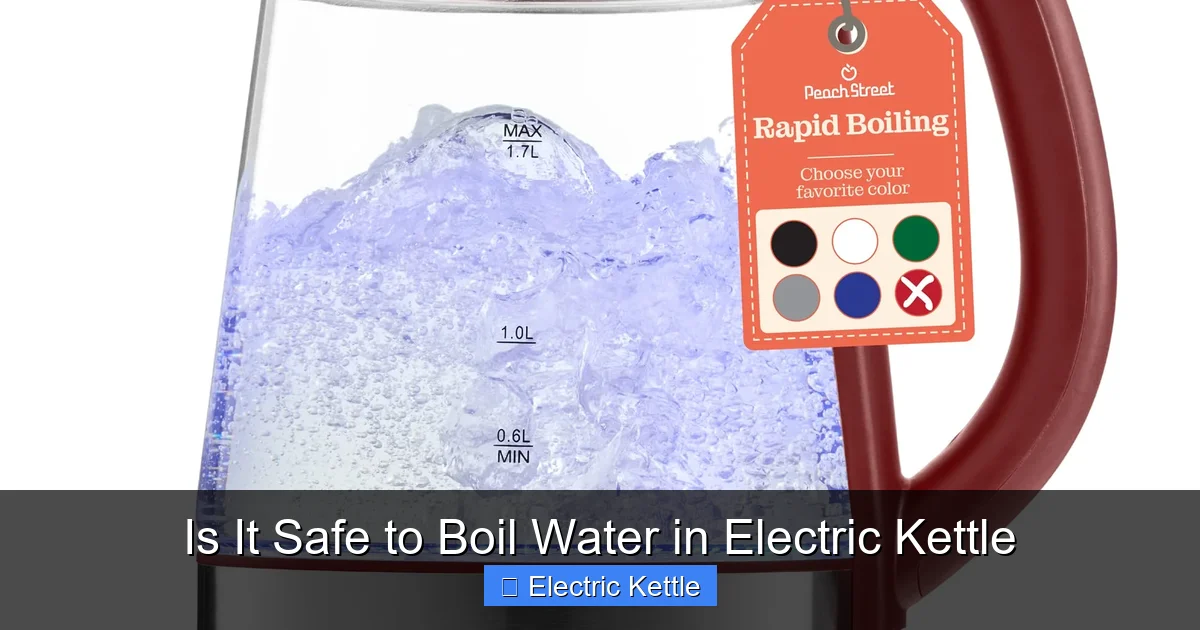
Visual guide about Is It Safe to Boil Water in Electric Kettle
Image source: m.media-amazon.com
Before diving into safety, it helps to understand how electric kettles function. At their core, electric kettles are simple devices designed to heat water quickly using electricity. Unlike stovetop kettles that rely on external heat sources, electric kettles have a built-in heating element—usually located at the base—that transfers heat directly to the water.
When you plug in the kettle and turn it on, electricity flows through the heating element, which becomes hot. This heat is then transferred to the water inside the kettle. Most electric kettles are equipped with a thermostat that monitors the water temperature. Once the water reaches boiling point (around 212°F or 100°C at sea level), the thermostat triggers an automatic shut-off mechanism, turning off the heating element. This prevents the kettle from overheating or boiling dry, which could damage the appliance or pose a fire risk.
Modern electric kettles often include additional safety features such as boil-dry protection, which cuts power if the kettle is turned on without water. Some models also have insulated handles, cool-touch exteriors, and cordless designs for added convenience and safety. These features make electric kettles not only efficient but also safer than many people realize.
Types of Electric Kettles
Not all electric kettles are created equal. They come in different materials, designs, and price ranges, each with its own pros and cons. The most common types include:
- Stainless Steel Kettles: Durable, easy to clean, and resistant to rust and corrosion. They don’t retain odors or flavors, making them ideal for frequent use. However, they can get hot on the outside unless they have double-wall insulation.
- Glass Kettles: Transparent and stylish, glass kettles allow you to see the water boiling. They’re non-reactive and don’t leach chemicals, but they can be fragile and prone to cracking if dropped or exposed to sudden temperature changes.
- Plastic Kettles: Lightweight and affordable, plastic kettles are common in budget models. However, they raise concerns about chemical leaching, especially when heated repeatedly. Look for BPA-free plastic if you choose this type.
- Ceramic Kettles: Aesthetic and often handcrafted, ceramic kettles are great for slow heating and retaining warmth. They’re less common and can be heavier, but they’re generally safe if made with food-grade materials.
Choosing the right type depends on your priorities—durability, safety, aesthetics, or cost. For most people, stainless steel or glass kettles offer the best balance of safety and performance.
Safety Features in Modern Electric Kettles
One of the biggest reasons electric kettles are safe is the inclusion of advanced safety features. These aren’t just marketing gimmicks—they’re designed to protect you, your home, and the appliance itself. Let’s look at the most important ones.
Auto Shut-Off
This is perhaps the most crucial safety feature. Once the water reaches boiling point, the kettle automatically turns off. This prevents overheating, reduces the risk of fire, and saves energy. Without this feature, water could continue to boil away, potentially damaging the heating element or causing the kettle to overheat.
Boil-Dry Protection
Accidentally turning on an empty kettle is a common mistake. Boil-dry protection detects when there’s no water inside and cuts power immediately. This prevents the heating element from burning out and reduces the risk of fire or electrical hazards.
Cool-Touch Exterior
Many modern kettles have insulated exteriors that stay cool to the touch, even when the water inside is boiling. This is especially important if you have children or pets at home. It prevents burns and makes handling the kettle safer.
Overheat Protection
Some kettles include thermal fuses or sensors that detect excessive heat and shut down the appliance if something goes wrong. This adds an extra layer of protection, especially in older models or during power surges.
Cordless Design
Cordless kettles allow you to lift the kettle off its base for pouring, reducing the risk of tripping over cords or spilling hot water. The base remains plugged in, but the kettle itself is detachable, making it easier and safer to use.
Water Level Indicators
Clear markings inside the kettle help you measure the right amount of water. Overfilling can cause spills when boiling, while underfilling can trigger boil-dry protection or damage the heating element.
These features, when combined, make modern electric kettles some of the safest kitchen appliances available. However, they only work if the kettle is used properly and maintained regularly.
Health and Material Safety Concerns
While electric kettles are generally safe, some concerns about materials and long-term health effects have been raised. Let’s address the most common ones.
Plastic and Chemical Leaching
Plastic kettles, especially cheaper models, may contain chemicals like BPA (bisphenol A) or phthalates. When heated, these chemicals can potentially leach into the water. While many manufacturers now use BPA-free plastic, it’s still wise to avoid prolonged heating in plastic containers. If you must use a plastic kettle, choose one labeled “food-grade” and “BPA-free,” and avoid boiling water multiple times in the same session.
Stainless Steel and Metal Taste
Some users report a metallic taste when using stainless steel kettles, especially new ones. This is usually due to residual manufacturing oils or coatings. To fix this, boil a few cycles of water and discard it before first use. Over time, the taste should disappear. High-quality stainless steel (like 304 or 18/8 grade) is non-reactive and safe for repeated use.
Glass and Thermal Shock
Glass kettles are safe from a chemical standpoint, but they can crack if exposed to sudden temperature changes. For example, pouring cold water into a hot glass kettle or placing it on a cold surface right after boiling can cause it to shatter. Always let the kettle cool slightly before refilling, and avoid using it on stovetops or open flames.
Limescale and Mineral Buildup
Hard water contains minerals like calcium and magnesium, which can accumulate inside the kettle as limescale. While not harmful to drink, limescale can affect the kettle’s efficiency, reduce heating speed, and harbor bacteria if not cleaned. Regular descaling with vinegar or a commercial cleaner can prevent this.
Electrical Safety
Electric kettles are electrical appliances, so there’s always a risk of shock or fire if damaged. Never immerse the base or cord in water, and avoid using the kettle with wet hands. Check the cord regularly for fraying or damage, and replace the kettle if you notice any electrical issues.
Overall, the health risks of boiling water in an electric kettle are minimal—especially when compared to the benefits. The key is choosing a high-quality kettle made from safe materials and using it responsibly.
Best Practices for Safe Use
Using your electric kettle safely doesn’t require special skills—just a few simple habits. Here’s how to get the most out of your kettle while minimizing risks.
Read the Manual
It might sound obvious, but many people skip the instruction manual. It contains important information about capacity, cleaning, and safety warnings specific to your model. Take five minutes to read it before first use.
Use the Right Amount of Water
Always fill the kettle between the minimum and maximum water levels. Too little water can trigger boil-dry protection or damage the heating element. Too much can cause spills when boiling, leading to burns or electrical hazards.
Use Filtered or Cold Water
Start with cold, filtered water whenever possible. Hot water from the tap can contain more dissolved minerals and may have been sitting in pipes, increasing the risk of contaminants. Filtered water also reduces limescale buildup.
Avoid Reboiling Water Repeatedly
While it’s not dangerous, reboiling water multiple times can concentrate minerals and reduce oxygen content, affecting taste. It’s better to boil fresh water each time.
Clean Regularly
Clean your kettle at least once a month, or more often if you live in a hard water area. Use a mixture of white vinegar and water (1:1 ratio), boil it, let it sit for 30 minutes, then rinse thoroughly. For stubborn limescale, use a commercial descaler.
Store Properly
When not in use, store the kettle in a dry place with the lid open to prevent mold or odors. Don’t leave water sitting in the kettle for long periods.
Replace When Needed
If your kettle shows signs of damage—cracks, rust, strange noises, or failure to shut off—replace it immediately. Older kettles may lack modern safety features and pose greater risks.
Following these practices will keep your kettle safe, efficient, and long-lasting.
Energy Efficiency and Environmental Impact
Beyond safety, electric kettles are also praised for their energy efficiency. They use less electricity than stovetop kettles or microwaves because they heat water directly and quickly. Most electric kettles boil water in 3–5 minutes, using about 2,000 to 3,000 watts of power.
Compared to boiling water on a gas or electric stove, electric kettles can save up to 50% in energy, especially if you only need a small amount of water. This not only reduces your electricity bill but also lowers your carbon footprint.
Additionally, because electric kettles heat water so quickly, they reduce the time your kitchen stays hot, which can help lower cooling costs in warmer months. They’re also more precise—many models allow you to set specific temperatures for different types of tea or coffee, preventing over-boiling and waste.
From an environmental standpoint, choosing a durable, long-lasting kettle made from recyclable materials (like stainless steel or glass) is better than frequently replacing cheap plastic models. Proper maintenance extends the life of your kettle, reducing electronic waste.
Myths and Misconceptions
There are several myths about electric kettles that can cause unnecessary worry. Let’s clear them up.
Myth: Boiling Water in an Electric Kettle Removes Oxygen
While boiling does reduce dissolved oxygen, it doesn’t make the water unsafe. You’ll still get plenty of oxygen from the air you breathe. The slight change in taste is normal and not harmful.
Myth: Electric Kettles Cause Radiation
Electric kettles use standard electrical currents and do not emit harmful radiation. They’re no more dangerous than a toaster or microwave.
Myth: All Plastic Kettles Are Dangerous
Not all plastic is bad. High-quality, BPA-free plastic kettles are safe for everyday use. The key is choosing reputable brands and avoiding cheap, unlabeled products.
Myth: You Should Never Reboil Water
Reboiling water is safe, though it may affect taste. It doesn’t create harmful chemicals or toxins.
Separating fact from fiction helps you use your kettle with confidence.
Conclusion
So, is it safe to boil water in electric kettle? The answer is a resounding yes—when used properly. Electric kettles are among the safest, most efficient ways to heat water, thanks to built-in safety features, quality materials, and smart design. They save time, energy, and effort, making them a valuable addition to any kitchen.
The key to safe use lies in choosing a high-quality kettle, maintaining it regularly, and following basic safety guidelines. Avoid plastic models if you’re concerned about chemicals, clean your kettle to prevent limescale, and always use filtered water when possible. With these simple steps, you can enjoy hot beverages and quick meals without worry.
Electric kettles aren’t just convenient—they’re a smart, safe, and sustainable choice for modern living. Whether you’re brewing tea, making coffee, or cooking, your electric kettle can be a trusted companion for years to come.
Frequently Asked Questions
Can boiling water in an electric kettle make you sick?
No, boiling water in an electric kettle does not make you sick when the kettle is clean and made from safe materials. Boiling kills bacteria and pathogens, making water safer to drink.
Is it safe to drink water boiled in a plastic electric kettle?
It can be safe if the kettle is labeled BPA-free and food-grade. However, stainless steel or glass kettles are generally safer and more durable for long-term use.
How often should I clean my electric kettle?
Clean your electric kettle at least once a month, or more often if you live in an area with hard water. Regular cleaning prevents limescale and bacteria buildup.
Can I leave water in my electric kettle overnight?
It’s best not to leave water sitting in the kettle for long periods, as it can promote bacterial growth or leave mineral deposits. Empty and dry the kettle after each use.
Why does my electric kettle smell bad?
A bad smell is usually caused by mold, limescale, or leftover residue. Clean the kettle with vinegar or a descaling solution to remove odors and buildup.
Is it safe to use an electric kettle with a damaged cord?
No, a damaged cord can cause electrical shocks or fires. Stop using the kettle immediately and replace it or have it repaired by a professional.