Drinking hot water from an electric kettle is generally safe if the appliance is made with food-grade materials and maintained properly. However, concerns about plastic leaching, mineral buildup, and overheating mean you should choose your kettle wisely and follow best practices.
Key Takeaways
- Material matters most: Stainless steel and glass kettles are safer than plastic ones, which may release harmful chemicals when heated.
- Boiling kills bacteria: Electric kettles heat water to 100°C (212°F), effectively eliminating most pathogens and making water safe to drink.
- Descaling is essential: Mineral deposits from hard water can affect taste and performance—clean your kettle regularly with vinegar or descaling solutions.
- Avoid reboiling water: Repeatedly boiling the same water can concentrate impurities and reduce oxygen levels, though it’s not highly dangerous.
- Check for certifications: Look for kettles with BPA-free labels, FDA approval, or certifications like LFGB or NSF for added safety assurance.
- Proper ventilation prevents overheating: Always ensure the kettle has adequate space around it and never operate it empty to avoid damage or fire risks.
- Use filtered water when possible: Starting with clean, filtered water reduces contaminants and extends the life of your kettle.
📑 Table of Contents
- Is It Safe to Drink Hot Water from Electric Kettle?
- How Electric Kettles Work and Why They’re Popular
- Materials Matter: Choosing a Safe Electric Kettle
- Health Risks and Misconceptions About Boiling Water
- Maintenance and Cleaning: The Key to Safe Use
- Best Practices for Safe and Healthy Use
- Conclusion: Enjoy Your Hot Water with Confidence
Is It Safe to Drink Hot Water from Electric Kettle?
You wake up, flip the switch on your electric kettle, and within minutes, you’re sipping a steaming cup of tea or preparing instant oatmeal. It’s quick, convenient, and part of daily life for millions. But have you ever paused to wonder: *Is it safe to drink hot water from an electric kettle?*
The short answer is yes—**drinking hot water from an electric kettle is generally safe**, especially when the appliance is well-made, properly maintained, and used correctly. However, like any kitchen tool, electric kettles come with caveats. From the materials they’re made of to how often you clean them, several factors influence whether that hot water is truly safe for consumption.
In this comprehensive guide, we’ll explore the science behind electric kettles, examine potential health risks, and share practical tips to ensure every cup you brew is both delicious and safe. Whether you’re a tea lover, coffee enthusiast, or just someone who enjoys a warm drink, understanding these nuances can help you make smarter choices for your health and your home.
How Electric Kettles Work and Why They’re Popular
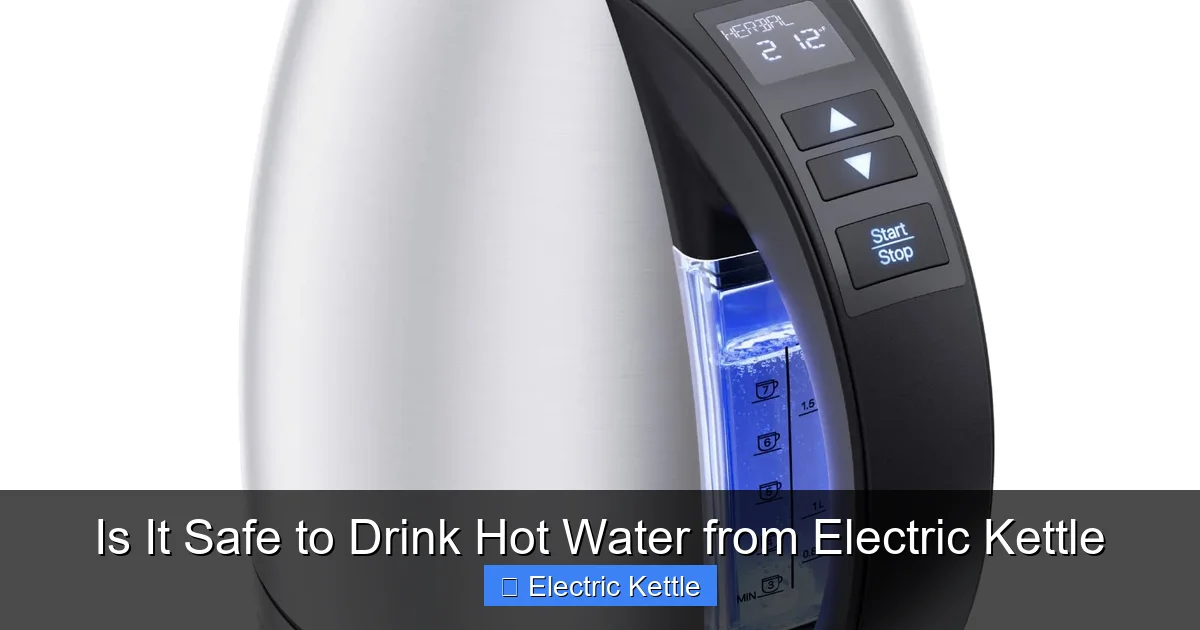
Visual guide about Is It Safe to Drink Hot Water from Electric Kettle
Image source: m.media-amazon.com
Electric kettles have become a staple in modern kitchens thanks to their speed, efficiency, and ease of use. Unlike stovetop kettles, which rely on gas or electric burners, electric kettles contain a built-in heating element that directly heats the water inside. Most models feature automatic shut-off mechanisms that turn the kettle off once the water reaches boiling point—typically around 100°C (212°F) at sea level.
This rapid heating process not only saves time but also ensures that water reaches a temperature high enough to kill harmful microorganisms. According to the World Health Organization (WHO), boiling water for at least one minute effectively eliminates bacteria, viruses, and parasites such as E. coli, Salmonella, and Giardia. That makes electric kettles a reliable tool for purifying water, especially in areas where tap water quality is questionable.
Beyond safety, electric kettles offer energy efficiency. Because they heat water directly and quickly, they use less electricity than boiling a full pot on the stove. Many modern models also include temperature control settings, allowing users to select precise temperatures for different beverages—like 80°C for green tea or 90°C for French press coffee. This level of control enhances flavor and prevents scalding delicate leaves or grounds.
Another reason for their popularity? Convenience. With cordless designs, LED indicators, and keep-warm functions, electric kettles fit seamlessly into busy lifestyles. Whether you’re making a quick breakfast or hosting guests, having hot water ready in under five minutes is a game-changer.
But while the benefits are clear, it’s important to recognize that not all electric kettles are created equal. The safety of the hot water you drink depends heavily on the design, materials, and maintenance of your appliance.
Materials Matter: Choosing a Safe Electric Kettle
One of the biggest concerns about drinking hot water from an electric kettle revolves around the materials used in its construction. When water is heated, especially to boiling temperatures, it can interact with certain components of the kettle—potentially leaching chemicals or metals into your drink.
Let’s break down the most common materials and their safety profiles:
Stainless Steel Kettles
Stainless steel is widely regarded as one of the safest materials for electric kettles. High-quality food-grade stainless steel (such as 304 or 18/8 grade) is non-reactive, durable, and resistant to rust and corrosion. It doesn’t impart flavors to water and is easy to clean.
Most stainless steel kettles have an internal heating element that’s either exposed or enclosed in a metal sheath. While exposed elements can accumulate mineral deposits over time, they’re still considered safe as long as the steel meets food-grade standards. Just be sure to descale regularly to prevent buildup.
One tip: Look for kettles labeled “18/8” or “304 stainless steel”—these indicate high nickel and chromium content, which enhance durability and safety.
Glass Kettles
Glass kettles are another excellent choice for health-conscious users. Borosilicate glass, commonly used in these models, is heat-resistant and non-porous, meaning it won’t absorb odors or flavors. Since you can see the water level and any buildup inside, maintenance is straightforward.
The main concern with glass kettles is durability—they can crack if dropped or exposed to sudden temperature changes. However, when handled with care, they offer a clean, chemical-free brewing experience. Just ensure the heating element and lid are also made from safe materials (like stainless steel or BPA-free plastic).
Plastic Kettles
Plastic kettles are often the most affordable option, but they come with significant safety concerns. Many plastics contain chemicals like bisphenol A (BPA) or phthalates, which can leach into hot water—especially when repeatedly heated.
Even “BPA-free” plastics may contain alternative chemicals (like BPS or BPF) that have similar endocrine-disrupting effects. Studies have shown that heating plastic can accelerate the release of these compounds, potentially affecting hormone function and long-term health.
If you must use a plastic kettle, choose one labeled “BPA-free” and “food-safe,” and avoid overheating or prolonged use. Better yet, consider upgrading to stainless steel or glass for peace of mind.
Kettles with Non-Stick Coatings
Some budget kettles feature non-stick interiors to prevent scaling. While convenient, these coatings—often made from PTFE (Teflon)—can degrade at high temperatures, releasing toxic fumes. Although the risk is low under normal use, it’s best to avoid kettles with non-stick linings, especially if the coating shows signs of wear.
Health Risks and Misconceptions About Boiling Water
Despite their widespread use, electric kettles have sparked myths and misunderstandings about the safety of boiled water. Let’s address some of the most common concerns.
Does Boiling Water Remove All Contaminants?
Boiling water is highly effective at killing biological contaminants like bacteria, viruses, and parasites. However, it does **not** remove chemical pollutants such as heavy metals (lead, arsenic), pesticides, or industrial runoff. In fact, boiling can sometimes concentrate these substances as water evaporates.
For example, if your tap water contains lead from old pipes, boiling won’t eliminate it—it may even increase the concentration. That’s why experts recommend using a certified water filter (like activated carbon or reverse osmosis) before boiling, especially if you live in an older home or area with known water quality issues.
Is Reboiling Water Dangerous?
You’ve probably heard that reboiling water is unhealthy. The idea stems from concerns about increased nitrite levels or reduced oxygen content. While it’s true that repeated boiling can slightly concentrate dissolved solids and lower dissolved oxygen, the health impact is negligible for most people.
The real issue with reboiling is practical: it wastes energy and can accelerate mineral buildup in your kettle. To keep your water tasting fresh, it’s better to boil only what you need and avoid reheating the same batch multiple times.
Can Hot Water Leach Metals from the Kettle?
In rare cases, low-quality kettles may leach small amounts of metals like nickel or aluminum into water—especially if the interior isn’t food-grade. Stainless steel kettles with proper coatings are generally safe, but cheap imports or damaged units pose a higher risk.
If your water tastes metallic or you notice discoloration, stop using the kettle immediately and inspect it for corrosion or wear. Regular cleaning and choosing reputable brands can prevent this issue.
Maintenance and Cleaning: The Key to Safe Use
Even the safest kettle can become a health hazard if it’s not cleaned and maintained properly. Over time, mineral deposits (scale), bacteria, and mold can build up—especially in areas with hard water.
Descaling Your Kettle
Hard water contains high levels of calcium and magnesium, which form white, chalky deposits inside your kettle. These not only affect performance (slowing heating and reducing efficiency) but can also harbor bacteria and alter the taste of your water.
To descale, mix equal parts white vinegar and water, fill the kettle, and let it sit for 30–60 minutes. Boil the solution, then let it cool before rinsing thoroughly. For heavy buildup, repeat the process or use a commercial descaling product.
Tip: Descale your kettle every 1–2 months, or more often if you live in a hard water area.
Cleaning the Exterior and Lid
Don’t forget the outside! Wipe down the exterior with a damp cloth and mild detergent. Pay special attention to the lid and spout, where dust and residue can accumulate. Avoid submerging the base or electrical components in water.
Preventing Mold and Bacteria
Always empty the kettle after use and leave the lid open to air dry. Standing water creates a breeding ground for mold and bacteria, especially in warm, dark environments. If you notice a musty smell or slimy residue, deep-clean with a baking soda paste or hydrogen peroxide solution.
Best Practices for Safe and Healthy Use
To get the most out of your electric kettle while minimizing risks, follow these simple guidelines:
- Use filtered water: Start with clean, filtered water to reduce contaminants and extend the life of your kettle.
- Don’t overfill: Leave space at the top to prevent boiling water from spilling or damaging the lid.
- Never operate empty: Running a kettle without water can damage the heating element and pose a fire risk.
- Unplug when not in use: This saves energy and reduces wear on the appliance.
- Replace old or damaged kettles: If your kettle shows signs of rust, cracks, or malfunctioning parts, it’s time for a new one.
- Follow the manufacturer’s instructions: Each model has specific care and usage guidelines—read the manual!
Conclusion: Enjoy Your Hot Water with Confidence
So, is it safe to drink hot water from an electric kettle? The answer is a resounding yes—**when you choose the right kettle and use it responsibly**. By opting for food-grade stainless steel or glass, avoiding plastic when possible, and maintaining your appliance with regular cleaning, you can enjoy hot beverages without worry.
Electric kettles are more than just convenient gadgets; they’re tools that, when used correctly, support healthy hydration and safe drinking water. Whether you’re brewing tea, making soup, or sterilizing baby bottles, your kettle can be a trusted ally in your daily routine.
Remember: safety starts with awareness. Pay attention to materials, clean regularly, and listen to your senses. If something looks, smells, or tastes off, don’t ignore it. With a little care, your electric kettle will serve you well for years to come.
So go ahead—pour yourself that cup of hot water. It’s safe, it’s simple, and it’s one of the easiest ways to start your day right.
Frequently Asked Questions
Can drinking water from a plastic electric kettle cause cancer?
While there’s no direct evidence linking plastic kettles to cancer, some plastics may release endocrine-disrupting chemicals when heated. To be safe, choose BPA-free models or switch to stainless steel or glass kettles.
Is it okay to drink water boiled in an electric kettle every day?
Yes, drinking water boiled in an electric kettle daily is safe and healthy, especially if the kettle is clean and made from safe materials. Boiling kills harmful microbes and makes water safer to consume.
How often should I clean my electric kettle?
Clean your electric kettle every 1–2 months with vinegar or a descaling solution. If you use it daily or have hard water, clean it more frequently to prevent mineral buildup.
Can I use my electric kettle to boil milk or soup?
It’s not recommended. Milk and soups can scorch, leave sticky residues, and damage the heating element. Most kettles are designed for water only—using them for other liquids may void the warranty.
Why does my boiled water taste funny?
A strange taste could be due to mineral buildup, old water, or low-quality materials. Try descaling your kettle and using fresh, filtered water. If the taste persists, consider replacing the kettle.
Are electric kettles safer than stovetop kettles?
Electric kettles are generally safer because they have automatic shut-off features and don’t require an open flame. However, both types are safe when used properly and made from quality materials.