Drinking water from an electric kettle is generally safe when the appliance is made from high-quality, food-grade materials and used properly. However, safety depends on the kettle’s construction, maintenance, and water source. With regular cleaning and proper usage, electric kettles provide a convenient and reliable way to enjoy hot water for tea, coffee, and more.
Key Takeaways
- Material Matters: Choose electric kettles made from stainless steel, borosilicate glass, or BPA-free plastic to avoid harmful chemical leaching.
- Regular Cleaning Prevents Buildup: Mineral deposits and bacteria can accumulate over time—clean your kettle monthly with vinegar or a descaling solution.
- Boiling Kills Most Pathogens: Heating water to a rolling boil effectively eliminates bacteria, viruses, and parasites, making it safe to drink.
- Avoid Overheating and Dry Boiling: Running an empty kettle or overheating can damage components and potentially release fumes or particles.
- Use Filtered or Treated Water: Starting with clean water reduces contaminants and improves taste and safety.
- Check for Certifications: Look for kettles certified by NSF, UL, or other safety organizations to ensure compliance with health and electrical standards.
- Replace When Worn: Old or damaged kettles may degrade over time—replace them if you notice rust, cracks, or strange odors.
📑 Table of Contents
- Is It Safe to Drink Water from an Electric Kettle?
- How Electric Kettles Work and Why They’re Popular
- Materials Used in Electric Kettles: What to Look For
- The Science Behind Boiling Water and Safety
- Cleaning and Maintenance: The Key to Long-Term Safety
- Potential Risks and How to Avoid Them
- Choosing the Right Electric Kettle for Safe Drinking Water
- Conclusion: Safe, Smart, and Simple
Is It Safe to Drink Water from an Electric Kettle?
Imagine starting your morning with a steaming cup of tea or coffee, brewed from water heated in your trusty electric kettle. It’s quick, convenient, and part of daily life for millions. But have you ever paused to wonder: Is it safe to drink water from an electric kettle?
The short answer is yes—drinking water from an electric kettle is generally safe, especially when the appliance is well-maintained and made from quality materials. Electric kettles are designed to heat water efficiently and safely, and when used correctly, they pose minimal health risks. However, like any kitchen appliance, their safety depends on several factors, including the materials they’re made from, how often they’re cleaned, and the quality of the water you’re using.
In this comprehensive guide, we’ll explore everything you need to know about the safety of drinking water from electric kettles. From understanding the materials used in construction to learning how to clean and maintain your kettle, we’ll cover all the bases. Whether you’re a tea lover, a coffee enthusiast, or just someone who values clean drinking water, this article will help you make informed decisions about your electric kettle use.
How Electric Kettles Work and Why They’re Popular
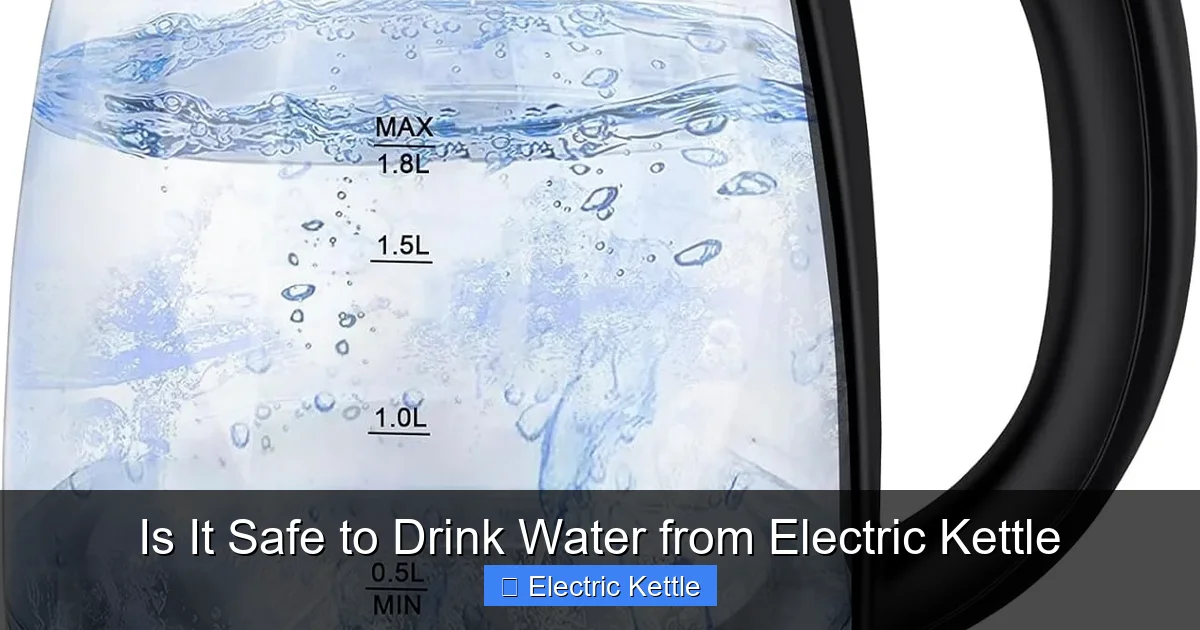
Visual guide about Is It Safe to Drink Water from Electric Kettle
Image source: m.media-amazon.com
Electric kettles have become a staple in kitchens around the world, and for good reason. They’re fast, energy-efficient, and easy to use. Unlike stovetop kettles, which require a flame or heating element, electric kettles plug directly into an outlet and heat water internally using a concealed or exposed heating coil.
When you pour water into an electric kettle and turn it on, the heating element rapidly warms the water. Most modern kettles are equipped with automatic shut-off features that turn the device off once the water reaches boiling point (around 212°F or 100°C at sea level). Some advanced models even offer temperature control, allowing you to heat water to specific temperatures ideal for different types of tea or coffee.
One of the biggest advantages of electric kettles is speed. They can boil water in just a few minutes—often faster than a microwave or stovetop method. This makes them ideal for busy mornings, office break rooms, or anyone who wants hot water on demand. Additionally, because they’re sealed systems, they reduce the risk of spills and burns compared to open-flame heating.
But popularity doesn’t automatically equal safety. While electric kettles are generally safe, their safety depends on how they’re designed, used, and maintained. Let’s dive deeper into the factors that determine whether your kettle is truly safe for drinking water.
Materials Used in Electric Kettles: What to Look For
Not all electric kettles are created equal. The materials used in their construction play a crucial role in determining whether the water they heat is safe to drink. Here’s a breakdown of the most common materials and what you should know about each.
Stainless Steel
Stainless steel is one of the safest and most popular materials for electric kettles. It’s durable, resistant to rust and corrosion, and doesn’t react with water or impart any metallic taste. High-quality food-grade stainless steel (such as 304 or 18/8 grade) is non-toxic and ideal for heating water.
One advantage of stainless steel kettles is that the heating element is often concealed beneath the base, meaning the water doesn’t come into direct contact with the metal. This reduces the risk of leaching and makes cleaning easier. However, some lower-quality stainless steel kettles may contain nickel or other alloys that could cause issues for people with sensitivities.
Borosilicate Glass
Glass kettles, particularly those made from borosilicate glass, are another excellent option. This type of glass is heat-resistant and doesn’t leach chemicals into water. It’s also transparent, allowing you to see the water level and any buildup inside.
The main downside of glass kettles is that they’re more fragile than metal ones. They can crack or shatter if dropped or exposed to sudden temperature changes. However, for those who prioritize purity and visibility, glass is a top choice.
BPA-Free Plastic
Plastic kettles are lightweight and affordable, but they come with caveats. Many older plastic kettles contained BPA (bisphenol A), a chemical linked to hormonal disruptions and other health concerns. While most modern plastic kettles are now labeled “BPA-free,” it’s still important to check the materials used.
Even BPA-free plastics can release other chemicals when heated, especially if they’re scratched or degraded. For this reason, plastic kettles are generally considered less safe than stainless steel or glass. If you do use a plastic kettle, avoid overheating it and replace it at the first sign of wear.
Aluminum
Aluminum kettles are lightweight and conduct heat well, but they’re less common in modern electric models. Pure aluminum can react with acidic liquids and may leach into water, especially when heated repeatedly. Most aluminum kettles are lined with a non-reactive coating to prevent this, but the coating can wear off over time.
For safety, it’s best to avoid unlined aluminum kettles and opt for stainless steel or glass instead.
Ceramic
Ceramic kettles are stylish and often used for aesthetic purposes. They’re generally safe as long as they’re made with food-grade glazes and don’t contain lead or cadmium. However, they’re heavier and more prone to chipping than other materials.
When choosing an electric kettle, always look for models labeled as “food-safe” or “food-grade.” Check for certifications from reputable organizations like NSF International or UL (Underwriters Laboratories), which test appliances for safety and performance.
The Science Behind Boiling Water and Safety
One of the primary reasons electric kettles are considered safe is that they heat water to a temperature high enough to kill most harmful microorganisms. Boiling water is one of the oldest and most effective methods of water purification.
How Boiling Kills Germs
When water reaches a rolling boil (212°F or 100°C), it effectively destroys bacteria, viruses, parasites, and other pathogens. For example, common waterborne illnesses like E. coli, Salmonella, and Giardia are eliminated within seconds of boiling. This makes boiling a reliable method for making contaminated water safe to drink, especially in emergency situations or when traveling.
However, it’s important to note that boiling does not remove chemical contaminants like lead, pesticides, or heavy metals. If your water source is known to contain such pollutants, boiling alone won’t make it safe. In these cases, using a water filter before boiling is essential.
Does Boiling Affect Water Quality?
Boiling water can change its taste and composition in minor ways. As water heats, dissolved gases like oxygen and carbon dioxide escape, which can make the water taste “flat” to some people. This is purely a sensory change and doesn’t affect safety.
Boiling also concentrates certain minerals if the water evaporates significantly. For example, if you boil water and let it reduce, the concentration of minerals like calcium and magnesium increases. This is why hard water can leave more scale in your kettle over time.
But for most people using municipal tap water, these changes are negligible and don’t pose health risks. In fact, boiling can improve safety by reducing microbial load.
Overheating and Steam Risks
While boiling is safe, overheating water beyond its boiling point can be dangerous. Some electric kettles, especially older or malfunctioning models, may not shut off properly and continue heating. This can lead to excessive steam, pressure buildup, or even damage to the kettle.
Modern kettles with automatic shut-off and boil-dry protection are designed to prevent this. Still, it’s wise to never leave a kettle unattended while it’s heating and to replace any unit that shows signs of malfunction.
Cleaning and Maintenance: The Key to Long-Term Safety
Even the safest kettle can become a source of contamination if it’s not cleaned regularly. Over time, mineral deposits (limescale), bacteria, and mold can build up inside the kettle, especially in areas with hard water.
Why Cleaning Matters
Limescale is a chalky deposit made of calcium and magnesium that forms when hard water is heated. While it’s not toxic, it can affect the taste of your water and reduce the kettle’s efficiency. More importantly, scale can harbor bacteria and make cleaning more difficult.
Bacteria and mold can grow in stagnant water, especially if the kettle isn’t dried properly after use. This is more common in kettles with hard-to-reach areas or those left with water inside for long periods.
How to Clean Your Electric Kettle
Cleaning your kettle is simple and should be done at least once a month—or more often if you live in a hard water area.
Vinegar Method: Fill the kettle halfway with equal parts water and white vinegar. Bring it to a boil, then let it sit for 15–30 minutes. Pour out the solution, rinse thoroughly, and boil fresh water once or twice to remove any vinegar taste.
Lemon Juice Method: Similar to vinegar, use fresh lemon juice instead. Cut a lemon in half, squeeze the juice into the kettle, add water, and boil. Let it sit, then rinse.
Commercial Descalers: Products like Durgol or Urnex are specifically designed for kettles and coffee makers. Follow the instructions on the label for best results.
After cleaning, always rinse the kettle thoroughly and allow it to air dry with the lid open to prevent moisture buildup.
Tips for Preventing Buildup
– Use filtered water to reduce mineral content.
– Empty the kettle after each use and let it dry.
– Avoid leaving water sitting in the kettle for extended periods.
– Wipe the exterior and handle regularly to prevent grime.
Potential Risks and How to Avoid Them
While electric kettles are generally safe, there are a few risks to be aware of—especially with older or poorly made models.
Chemical Leaching
As mentioned earlier, low-quality materials can leach chemicals into water, especially when heated. This is most common with cheap plastic kettles or those with degraded coatings. To avoid this, always choose kettles made from food-grade stainless steel, glass, or certified BPA-free materials.
Electrical Hazards
Electric kettles are electrical appliances, so there’s always a risk of shock or fire if they’re damaged or used improperly. Never immerse the base or cord in water, and avoid using a kettle with frayed wires or a cracked base.
Burns and Scalds
Hot water and steam can cause serious burns. Always use the handle and avoid opening the lid immediately after boiling. Keep the kettle away from children and pets.
Noise and Disturbance
Some kettles can be loud when boiling, which may be disruptive in quiet environments. Look for models with quiet boil technology if noise is a concern.
Choosing the Right Electric Kettle for Safe Drinking Water
When shopping for an electric kettle, prioritize safety, quality, and ease of use. Here are some features to look for:
– Automatic shut-off: Turns the kettle off when water boils.
– Boil-dry protection: Prevents the kettle from heating when empty.
– Temperature control: Allows precise heating for different beverages.
– Removable filter: Catches sediment and makes cleaning easier.
– Water level indicator: Helps you measure the right amount of water.
– Certifications: Look for NSF, UL, or CE marks.
Brands like Breville, Cuisinart, Hamilton Beach, and Fellow are known for producing high-quality, safe electric kettles.
Conclusion: Safe, Smart, and Simple
So, is it safe to drink water from an electric kettle? The answer is a resounding yes—as long as you choose a well-made kettle, use clean water, and maintain it properly. Electric kettles are one of the most convenient and efficient ways to heat water, and when used correctly, they pose minimal health risks.
By selecting a kettle made from safe materials like stainless steel or glass, cleaning it regularly, and following basic safety practices, you can enjoy hot water with confidence. Whether you’re brewing tea, making instant coffee, or preparing baby formula, your electric kettle can be a reliable and safe tool in your kitchen.
Remember: safety starts with awareness. Take a few minutes to inspect your kettle, clean it monthly, and replace it when needed. Your health—and your taste buds—will thank you.
Frequently Asked Questions
Can drinking water from an electric kettle cause health problems?
Generally, no—drinking water from a well-maintained electric kettle is safe. However, using a low-quality kettle or failing to clean it regularly can lead to mineral buildup or bacterial growth, which may affect taste or safety.
Is it safe to drink water boiled in a plastic electric kettle?
It depends on the plastic. BPA-free, food-grade plastic kettles are safer, but they can still release chemicals if overheated or degraded. For maximum safety, choose stainless steel or glass kettles instead.
How often should I clean my electric kettle?
Clean your electric kettle at least once a month. If you live in an area with hard water, clean it every 2–3 weeks to prevent limescale buildup.
Can I use tap water in my electric kettle?
Yes, you can use tap water, but filtered water is better for taste and reduces mineral deposits. If your tap water is known to contain contaminants, use a filter before boiling.
Is it safe to leave water in an electric kettle overnight?
It’s not recommended. Stagnant water can promote bacterial growth and mineral buildup. Always empty and dry your kettle after use.
What should I do if my kettle starts to smell or taste metallic?
This could indicate mineral buildup, bacterial growth, or material degradation. Clean the kettle thoroughly with vinegar or a descaler. If the problem persists, consider replacing the kettle.