

Using an electric kettle is generally safe when you choose quality models and follow basic safety practices. Concerns about materials, overheating, and mineral buildup are valid but manageable with proper care and awareness.
Key Takeaways
- Electric kettles are safe for daily use when manufactured with food-grade materials and certified by safety standards like UL or ETL.
- Stainless steel and BPA-free plastic models are the safest choices, avoiding harmful chemical leaching.
- Regular cleaning prevents limescale buildup, which can affect performance and hygiene over time.
- Automatic shut-off and boil-dry protection are essential safety features that prevent overheating and fire hazards.
- Using filtered water reduces mineral deposits and improves taste, longevity, and safety.
- Avoid overfilling and improper placement to prevent spills, burns, and electrical issues.
- Old or damaged kettles should be replaced to avoid malfunctions and potential safety risks.
📑 Table of Contents
- Is It Safe to Use Electric Kettle? A Complete Safety Guide
- Understanding Electric Kettle Safety: What Makes Them Safe?
- Materials Matter: Choosing a Safe Electric Kettle
- Health Concerns: Can Electric Kettles Harm Your Health?
- Proper Use and Maintenance: Keeping Your Kettle Safe
- Energy Efficiency and Environmental Impact
- Myths vs. Facts: Debunking Common Electric Kettle Concerns
- Conclusion: Yes, Electric Kettles Are Safe—When Used Right
Is It Safe to Use Electric Kettle? A Complete Safety Guide
If you’ve ever stood in your kitchen, waiting for water to boil on the stove, only to forget it and walk away—then returned to a whistling kettle and a dry burner—you’ve probably considered switching to an electric kettle. They’re faster, more energy-efficient, and often come with handy features like temperature control and auto shut-off. But with convenience comes questions: Is it safe to use electric kettle? Are there hidden risks? Could the materials leach chemicals into your water? Or worse—could it overheat and cause a fire?
You’re not alone in wondering. As electric kettles become a staple in modern kitchens, more people are asking about their safety, especially when it comes to health, materials, and long-term use. The good news? When used correctly and chosen wisely, electric kettles are not only safe—they’re one of the most reliable and efficient ways to boil water at home.
In this guide, we’ll break down everything you need to know about electric kettle safety. From the materials they’re made of to how to maintain them properly, we’ll cover the facts so you can make an informed decision. Whether you’re a tea lover, a coffee enthusiast, or just someone who wants hot water fast, this article will help you use your electric kettle with confidence.
Understanding Electric Kettle Safety: What Makes Them Safe?
At first glance, an electric kettle seems simple: you fill it with water, plug it in, press a button, and wait for it to boil. But beneath that simplicity lies a well-engineered system designed with safety in mind. Modern electric kettles are built with multiple layers of protection to prevent accidents, overheating, and electrical faults.
One of the most important safety features is the automatic shut-off mechanism. Once the water reaches boiling point (usually around 212°F or 100°C), the kettle turns itself off. This prevents the water from boiling away completely, which could damage the heating element or, in extreme cases, cause a fire. Many models also include boil-dry protection, which detects when there’s no water inside and cuts power immediately. This is especially important if you accidentally turn the kettle on without filling it.
Another key safety component is the thermostat, a small device that monitors the temperature of the water and the heating element. If the thermostat detects overheating—say, due to a malfunction or blocked vent—it will trip and stop the current. This helps prevent overheating and potential burns or electrical hazards.
Additionally, reputable electric kettles are tested and certified by independent safety organizations like UL (Underwriters Laboratories) or ETL (Intertek). These certifications mean the product has passed rigorous tests for electrical safety, fire resistance, and performance. Always look for these labels when shopping for a new kettle.
But safety isn’t just about electronics—it’s also about design. A well-designed kettle has a stable base, a secure lid, and a spout that pours smoothly without dripping. The handle should stay cool to the touch, even when the water inside is boiling. Some models even have double-wall insulation, which keeps the exterior cool and reduces the risk of burns.
Common Safety Features to Look For
When shopping for an electric kettle, keep an eye out for these essential safety features:
- Auto shut-off: Turns the kettle off when water boils.
- Boil-dry protection: Prevents operation when the kettle is empty.
- Cool-touch exterior: Keeps the outer surface safe to touch.
- Stability and non-slip base: Reduces the risk of tipping.
- Secure lid with locking mechanism: Prevents spills during boiling.
- Overheat protection: Cuts power if internal temperature gets too high.
These features work together to make electric kettles one of the safest kitchen appliances—when used properly.
Materials Matter: Choosing a Safe Electric Kettle
One of the biggest concerns people have about electric kettles is the materials they’re made from. After all, you’re pouring water into these devices and heating them to high temperatures. If the materials aren’t food-safe, there’s a risk of chemicals leaching into your water—especially over time.
The good news is that most modern electric kettles are made from safe, durable materials. But not all are created equal. Let’s break down the most common materials and what you need to know.
Stainless Steel Kettles
Stainless steel is one of the safest and most popular materials for electric kettles. It’s non-reactive, meaning it won’t interact with water or release harmful substances when heated. High-quality stainless steel kettles (look for 18/8 or 304 grade) are durable, easy to clean, and resistant to rust and corrosion.
One advantage of stainless steel is that it doesn’t retain odors or flavors, so your tea or coffee will taste pure. It’s also less likely to scratch or dent, which helps maintain hygiene over time. However, some cheaper models may have a plastic interior or lid, so always check the full construction.
Glass Kettles
Glass kettles are another safe option, especially if they’re made from borosilicate glass—a type of heat-resistant glass used in lab equipment and high-end cookware. These kettles allow you to see the water boiling, which some people find satisfying. They’re also non-porous and won’t absorb flavors.
However, glass can be fragile. If you drop it or expose it to sudden temperature changes (like pouring cold water into a hot kettle), it may crack or shatter. So while glass is safe from a chemical standpoint, it requires more careful handling.
Plastic Kettles
This is where things get tricky. Plastic kettles are lightweight and affordable, but they come with potential risks. The main concern is BPA (Bisphenol A), a chemical once commonly used in plastics that has been linked to hormonal disruptions and other health issues.
Many manufacturers now produce BPA-free plastic kettles, which is a step in the right direction. But even BPA-free plastics can contain other chemicals that may leach into water when heated—especially if the plastic is low quality or begins to degrade.
If you do choose a plastic kettle, make sure it’s labeled BPA-free and food-grade. Avoid models where the heating element is exposed to plastic, as this increases the risk of chemical transfer. Also, never use a plastic kettle that shows signs of wear, such as cracks, discoloration, or a strange smell.
Ceramic and Other Materials
Some kettles are made from ceramic or coated metals. Ceramic is generally safe and non-reactive, but it can be heavy and prone to chipping. Coated kettles (like non-stick interiors) should be avoided unless the coating is clearly labeled as food-safe and PTFE/PFOA-free.
Tip: Check the Heating Element
Even if the kettle body is made of safe material, the heating element matters too. Some kettles have exposed coils, which can come into direct contact with water. While this isn’t necessarily unsafe, it can lead to mineral buildup and affect taste.
Look for kettles with a concealed heating element—a smooth, flat base that’s easier to clean and less likely to harbor bacteria or limescale. This design also reduces the risk of chemical leaching, especially in plastic models.
Health Concerns: Can Electric Kettles Harm Your Health?
Now let’s address the elephant in the room: Can using an electric kettle be bad for your health? The short answer is: not if you use it correctly. But there are a few health-related concerns worth discussing.
Chemical Leaching
As mentioned earlier, the risk of chemicals leaching into your water depends largely on the materials. Plastic kettles, especially older or low-quality ones, are the biggest culprits. When heated, certain plastics can release compounds like BPA, phthalates, or styrene—especially if the kettle is old or damaged.
To minimize this risk:
- Choose kettles made from stainless steel, glass, or BPA-free plastic.
- Avoid kettles with plastic parts in direct contact with boiling water.
- Replace kettles that show signs of wear, such as cracks or discoloration.
Mineral Buildup and Limescale
If you live in an area with hard water (high in calcium and magnesium), you’ve probably noticed a white, chalky buildup inside your kettle—this is limescale. While limescale isn’t toxic, it can affect the taste of your water and reduce the efficiency of your kettle over time.
More importantly, if left unchecked, limescale can harbor bacteria or mold, especially in hard-to-reach areas like the spout or under the lid. This is why regular cleaning is essential.
Boiling Water and Microplastics
A recent area of concern is the potential release of microplastics from plastic kettles when water is boiled. Some studies have found that heating plastic can cause tiny particles to break off and enter the water.
While the long-term health effects of microplastic ingestion are still being studied, the risk is higher with low-quality or damaged plastic kettles. Again, choosing a stainless steel or glass model significantly reduces this risk.
Boiling Water and Nutrient Loss
Some people worry that boiling water in an electric kettle might destroy nutrients in tea or other beverages. But this is a misconception. Boiling water is necessary to extract flavors and activate compounds in tea, coffee, and herbs. In fact, electric kettles with temperature control allow you to heat water to the ideal temperature for different types of tea (e.g., 175°F for green tea), which can actually preserve delicate flavors and nutrients.
Proper Use and Maintenance: Keeping Your Kettle Safe
Even the safest electric kettle can become a hazard if it’s not used or maintained properly. Here’s how to keep your kettle in top condition and ensure it remains safe for daily use.
How to Use Your Electric Kettle Safely
- Never overfill: Most kettles have a “max” line. Filling beyond this can cause water to spill into the electrical base, leading to short circuits or shocks.
- Don’t operate when empty: Always add water before turning it on. Running a kettle dry can damage the heating element and trigger safety mechanisms.
- Place on a stable, heat-resistant surface: Avoid placing it on wooden tables or near flammable materials.
- Keep the cord away from the spout: Prevent steam from damaging the cord or causing electrical issues.
- Unplug when not in use: This reduces the risk of electrical faults and saves energy.
Cleaning and Descaling
Regular cleaning is crucial for both safety and performance. Here’s a simple descaling method:
- Fill the kettle halfway with equal parts water and white vinegar.
- Let it sit for 30–60 minutes.
- Boil the solution, then let it cool.
- Pour out the liquid and rinse thoroughly with clean water.
- Boil fresh water 1–2 times to remove any vinegar taste.
For mild buildup, you can also use lemon juice or a commercial descaling solution. Clean the exterior with a damp cloth and avoid submerging the base in water.
Inspecting for Damage
Check your kettle regularly for:
- Cracks or chips in the body or lid
- Frayed or damaged power cord
- Loose or wobbly handle
- Unusual smells or tastes in the water
If you notice any of these issues, it’s time to replace your kettle. Continuing to use a damaged appliance increases the risk of electrical faults, leaks, or burns.
Energy Efficiency and Environmental Impact
Beyond safety, electric kettles are also praised for their energy efficiency. They heat water faster and use less energy than stovetop kettles or microwaves. In fact, studies show that electric kettles can be up to 80% more efficient because they transfer heat directly to the water with minimal loss.
This efficiency isn’t just good for your electricity bill—it’s better for the environment. Less energy use means lower carbon emissions, especially if your electricity comes from renewable sources.
However, the environmental impact also depends on the materials and lifespan of the kettle. Stainless steel and glass kettles tend to last longer than plastic ones, reducing waste. When it’s time to replace your kettle, look for recycling options—many components can be reused or repurposed.
Myths vs. Facts: Debunking Common Electric Kettle Concerns
Let’s clear up some common misconceptions about electric kettles:
Myth: Electric kettles explode.
Fact: While rare, explosions can happen—but usually only with defective or poorly designed models. Modern kettles with safety features like pressure release valves and auto shut-off are extremely unlikely to explode. Always buy from reputable brands and avoid cheap, uncertified products.
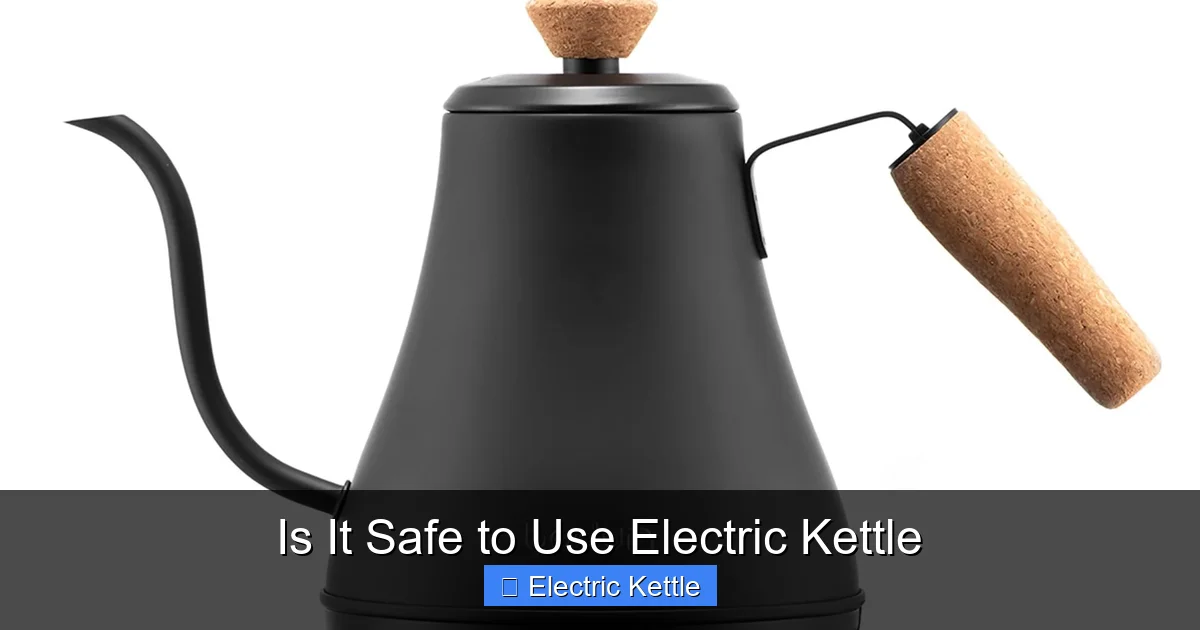
Visual guide about Is It Safe to Use Electric Kettle
Image source: m.media-amazon.com
Myth: Boiling water in an electric kettle removes oxygen, making it unhealthy.
Fact: Boiling does reduce dissolved oxygen, but this doesn’t make water unsafe. You’ll re-oxygenate the water simply by pouring it or letting it sit. The health benefits of hot water (like aiding digestion) far outweigh any minor oxygen loss.
Myth: Electric kettles use more electricity than stovetops.
Fact: Actually, electric kettles are more energy-efficient because they heat water directly and quickly. Stovetops lose heat to the surrounding air, making them less efficient.
Myth: You can’t use an electric kettle for anything but water.
Fact: While designed for water, some people use kettles to heat broths or milk. However, this can leave residues and affect taste. Stick to water unless the manufacturer says otherwise.
Conclusion: Yes, Electric Kettles Are Safe—When Used Right
So, is it safe to use electric kettle? The answer is a resounding yes—as long as you choose a quality model, follow basic safety practices, and maintain it properly.
Electric kettles are among the safest and most efficient ways to boil water. With features like auto shut-off, boil-dry protection, and cool-touch exteriors, they’re designed to prevent accidents and protect your health. By selecting kettles made from stainless steel or BPA-free materials, cleaning them regularly, and replacing them when needed, you can enjoy hot water with peace of mind.
Whether you’re brewing your morning coffee, steeping a calming cup of tea, or preparing instant noodles, your electric kettle can be a reliable and safe kitchen companion. Just remember: safety starts with smart choices. Invest in a well-made kettle, treat it with care, and it will serve you well for years to come.
Frequently Asked Questions
Can electric kettles cause cancer?
No, there is no credible evidence that electric kettles cause cancer. As long as you use a kettle made from safe, food-grade materials and avoid damaged or low-quality plastic models, the risk is negligible.
Is it safe to leave an electric kettle plugged in?
Yes, it’s generally safe to leave an electric kettle plugged in, but it’s better to unplug it when not in use. This reduces the risk of electrical faults and saves energy.
How often should I clean my electric kettle?
Clean your kettle every 2–4 weeks, or more often if you have hard water. Regular descaling prevents limescale buildup and keeps your water tasting fresh.
Can I boil milk or other liquids in an electric kettle?
It’s not recommended. Most electric kettles are designed for water only. Boiling milk or sugary liquids can leave sticky residues, damage the heating element, and void the warranty.
What should I do if my electric kettle smells bad?
A bad smell usually indicates mold, bacteria, or mineral buildup. Clean the kettle thoroughly with vinegar or a descaling solution. If the smell persists, replace the kettle.
Are cheap electric kettles unsafe?
Not all cheap kettles are unsafe, but they’re more likely to lack safety certifications, use low-quality materials, or have poor construction. Always check for UL/ETL certification and read reviews before buying.