
Using a plastic electric kettle may seem convenient, but concerns about chemical leaching—especially when heated—raise serious health and safety questions. While some plastic kettles meet safety standards, experts often recommend switching to stainless steel or glass models to avoid potential toxins like BPA and microplastics.
Key Takeaways
- Plastic kettles may leach harmful chemicals when heated: High temperatures can cause plastics to release substances like BPA, phthalates, and microplastics into your water.
- Not all plastic is created equal: Look for BPA-free, food-grade plastics labeled as safe for hot liquids, but even these may degrade over time.
- Stainless steel and glass are safer alternatives: These materials don’t leach chemicals and are more durable and eco-friendly in the long run.
- Regular cleaning reduces contamination risks: Mineral buildup and biofilm in plastic kettles can harbor bacteria and increase chemical exposure.
- Certifications matter: Choose kettles with certifications like FDA, LFGB, or NSF to ensure they meet safety standards.
- Long-term health effects are still being studied: While occasional use may be low-risk, daily exposure to heated plastic raises concerns about endocrine disruption and chronic illness.
- Eco-impact is another concern: Plastic kettles contribute to microplastic pollution and are less sustainable than reusable metal or glass options.
📑 Table of Contents
- Is It Safe to Use Plastic Electric Kettle? A Deep Dive into Health, Safety, and Alternatives
- Understanding How Plastic Reacts to Heat
- Common Chemicals Found in Plastic Kettles and Their Health Risks
- Safety Standards and Certifications: What to Look For
- Comparing Materials: Plastic vs. Stainless Steel vs. Glass
- Tips for Safe Use of Plastic Electric Kettles
- Environmental Impact: Beyond Personal Health
- Conclusion: Making the Right Choice for Your Health and Home
Is It Safe to Use Plastic Electric Kettle? A Deep Dive into Health, Safety, and Alternatives
Imagine starting your morning with a warm cup of tea or coffee, brewed quickly and easily using your trusty plastic electric kettle. It’s lightweight, affordable, and heats water in minutes. But have you ever stopped to wonder: is it safe to use plastic electric kettle every day? With growing awareness about plastic pollution and chemical exposure, this question is more relevant than ever.
Plastic has become a staple in modern kitchens due to its convenience and low cost. From water bottles to food containers, it’s everywhere—including in electric kettles. However, when plastic is exposed to heat, especially repeatedly, it can break down and release potentially harmful substances into the water you drink. This raises legitimate concerns about long-term health effects, environmental impact, and overall safety.
In this article, we’ll explore the science behind plastic leaching, examine safety standards, compare materials, and help you make an informed decision about whether a plastic electric kettle belongs in your kitchen. Whether you’re a daily tea drinker or just looking to upgrade your appliances, understanding the risks and benefits will empower you to choose what’s best for your health and home.
Understanding How Plastic Reacts to Heat
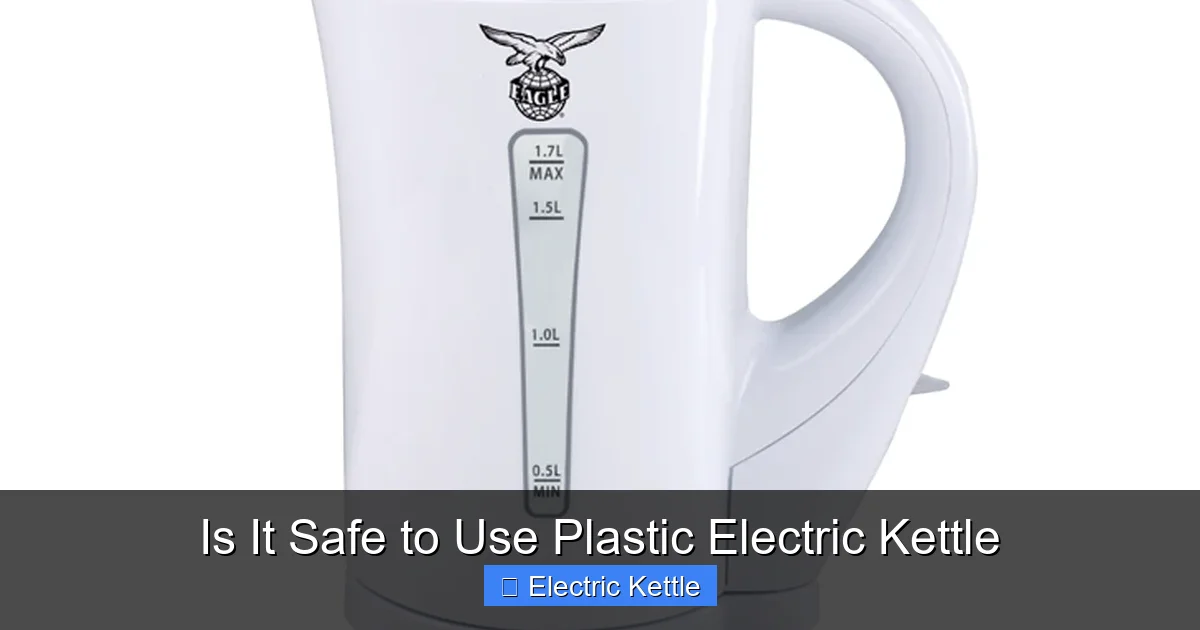
Visual guide about Is It Safe to Use Plastic Electric Kettle
Image source: eagleconsumer.in
To answer the question “is it safe to use plastic electric kettle,” we first need to understand how plastic behaves when heated. Most plastic electric kettles are made from materials like polypropylene (PP) or polycarbonate (PC). While these are commonly used in food containers, their safety under repeated high heat is debated.
When water is boiled in a plastic kettle, the internal temperature can reach up to 100°C (212°F). At this heat, the molecular structure of some plastics can begin to degrade. This process, known as thermal degradation, can cause chemicals to leach into the water. The most well-known of these chemicals is bisphenol A (BPA), a compound once widely used in polycarbonate plastics. BPA is an endocrine disruptor, meaning it can interfere with hormone function in the body. Although many manufacturers now use “BPA-free” plastics, substitutes like BPS or BPF may have similar health risks.
Even BPA-free plastics aren’t entirely safe. Studies have shown that many so-called “safe” plastics still leach estrogenic chemicals when exposed to heat. A 2011 study published in *Environmental Health Perspectives* found that almost all commercially available plastics release chemicals that mimic estrogen—even those labeled BPA-free. This means that every time you boil water in a plastic kettle, you could be ingesting tiny amounts of hormone-disrupting substances.
Moreover, microplastics—tiny plastic particles—can also shed from the kettle’s interior. Research from the University of Victoria found that plastic teabags and bottles can release millions of microplastic particles into hot water. While similar studies on kettles are limited, the mechanism is the same: heat accelerates the breakdown of plastic.
So, while your plastic kettle may look intact, invisible changes are happening at the molecular level. Over time, these cumulative exposures could contribute to health issues, especially with daily use.
Common Chemicals Found in Plastic Kettles and Their Health Risks
Let’s take a closer look at the specific chemicals that may be present in plastic electric kettles and what they mean for your health.
BPA and BPA Alternatives
BPA was once the go-to chemical for making hard, clear plastics like those used in some older kettles. However, due to its link to reproductive issues, developmental problems in children, and increased risk of heart disease and diabetes, many countries have restricted its use in food-contact products. In response, manufacturers switched to BPA alternatives such as BPS (bisphenol S) and BPF (bisphenol F). Unfortunately, research suggests these substitutes may be just as harmful. A 2013 study in *Proceedings of the National Academy of Sciences* found that BPS can disrupt cell function and may affect brain development.
Phthalates
Phthalates are plasticizers used to make plastics more flexible. They’re commonly found in PVC and some food packaging. When heated, phthalates can leach into water and food. These chemicals are known endocrine disruptors and have been linked to reduced testosterone levels, birth defects, and fertility issues. While not all plastic kettles contain phthalates, their presence in other kitchen plastics raises concerns about cross-contamination and cumulative exposure.
Antimony and Other Heavy Metals
Some plastics may contain trace amounts of heavy metals like antimony, which is used as a catalyst in plastic production. Antimony trioxide, in particular, has been classified as a possible human carcinogen by the International Agency for Research on Cancer (IARC). While levels in kettles are typically low, repeated exposure through daily use could pose a risk over time.
Microplastics
Perhaps the most insidious threat is microplastics—tiny plastic fragments less than 5mm in size. These particles can break off from the kettle’s interior and mix with your water. A 2022 study in *Environmental Science & Technology* estimated that people may be ingesting tens of thousands of microplastic particles per year through food and water. While the long-term health effects are still being studied, early research suggests microplastics can cause inflammation, oxidative stress, and may even enter the bloodstream.
Styrene and Other Volatile Compounds
Some plastics release volatile organic compounds (VOCs) when heated. Styrene, for example, is a possible carcinogen found in polystyrene and some other plastics. While electric kettles are typically made from more stable plastics, low-level emissions during heating can’t be ruled out, especially in older or lower-quality models.
The bottom line? Even if your plastic kettle is labeled “BPA-free” or “food-safe,” it may still release harmful substances when heated. The risk increases with frequent use, high temperatures, and wear and tear.
Safety Standards and Certifications: What to Look For
Not all plastic electric kettles are created equal. Some are designed with safety in mind and undergo rigorous testing to ensure they meet health and environmental standards. When shopping for a kettle—plastic or otherwise—look for these key certifications:
FDA Approval
The U.S. Food and Drug Administration (FDA) regulates materials that come into contact with food. A kettle labeled as FDA-approved means its materials have been evaluated for safety under intended use conditions. However, FDA approval doesn’t guarantee zero leaching—it only means the product meets minimum safety thresholds.
LFGB Certification
The German LFGB (Lebensmittel- und Futtermittelgesetzbuch) is one of the strictest food safety standards in the world. Products with LFGB certification have passed tests for chemical migration, including under heat. If a plastic kettle carries this mark, it’s a strong indicator of higher safety standards.
NSF Certification
The NSF (National Sanitation Foundation) tests and certifies products for public health safety. An NSF-certified kettle has been independently verified to meet standards for material safety, structural integrity, and cleanability. This is especially important for kettles that come into direct contact with drinking water.
BPA-Free and Food-Grade Labels
While “BPA-free” is a good start, it’s not enough on its own. Look for additional labels like “food-grade polypropylene” or “heat-resistant plastic.” These indicate the material is designed to withstand high temperatures without degrading.
EU RoHS and REACH Compliance
These European regulations restrict the use of hazardous substances in electrical equipment. RoHS limits heavy metals like lead and mercury, while REACH controls chemicals of concern. Compliance suggests the manufacturer prioritizes safety and sustainability.
Even with certifications, it’s important to follow usage guidelines. Avoid overfilling, don’t let the kettle boil dry, and replace it if you notice cracks, discoloration, or a plastic taste in your water. These signs indicate the material is breaking down.
Comparing Materials: Plastic vs. Stainless Steel vs. Glass
When it comes to electric kettles, material choice plays a huge role in safety, durability, and performance. Let’s compare the three most common options.
Plastic Electric Kettles
Pros:
– Lightweight and easy to handle
– Affordable and widely available
– Often come with colorful designs and features
Cons:
– Risk of chemical leaching when heated
– Can absorb odors and stains over time
– Less durable; prone to cracking and warping
– Environmental impact: non-biodegradable, contributes to microplastic pollution
Best for: Occasional use, budget-conscious buyers, or those who prioritize portability.
Stainless Steel Electric Kettles
Pros:
– No chemical leaching—completely inert
– Highly durable and long-lasting
– Resistant to rust, stains, and odors
– Easy to clean and maintain
– Better heat retention
Cons:
– Heavier than plastic
– Can be more expensive
– Some models have plastic parts (lids, handles), so check the full construction
Best for: Daily users, health-conscious households, and those looking for a long-term investment.
Glass Electric Kettles
Pros:
– Non-reactive and doesn’t leach chemicals
– Transparent design lets you see water level and cleanliness
– Modern and stylish appearance
– Easy to clean and doesn’t retain flavors
Cons:
– Fragile—can break if dropped
– Heavier than plastic
– May have plastic or metal components in the base or lid
Best for: Those who want a clean, chemical-free boil and don’t mind handling with care.
Hybrid Models
Some kettles combine materials—like a stainless steel interior with a plastic exterior. These aim to offer the best of both worlds: safety and insulation. However, if the interior is plastic, the same leaching risks apply. Always check which parts contact the water.
Practical Tip: The Taste Test
One simple way to assess your kettle’s safety is by taste. If your boiled water has a slight plastic or metallic aftertaste, it’s a sign that materials are leaching. This is especially common in older or low-quality plastic kettles. Switching to stainless steel or glass often eliminates this issue immediately.
Tips for Safe Use of Plastic Electric Kettles
If you’re not ready to replace your plastic kettle just yet, there are steps you can take to minimize risks:
Choose High-Quality, Certified Models
Invest in a kettle from a reputable brand with clear safety certifications. Avoid cheap, unbranded kettles from unknown sources—they’re more likely to use low-grade plastics.
Avoid Overheating
Don’t let the kettle boil longer than necessary. Use the auto-shutoff feature and avoid reboiling water multiple times. Each boil increases the chance of chemical release.
Clean Regularly
Mineral deposits and biofilm can build up inside the kettle, creating a breeding ground for bacteria and accelerating plastic degradation. Clean your kettle weekly with a mixture of white vinegar and water. Let it sit for 30 minutes, then rinse thoroughly.
Don’t Store Water in the Kettle
Leaving water sitting in a plastic kettle for hours or days increases exposure time and leaching potential. Always empty and dry the kettle after use.
Replace When Worn
If you notice cracks, cloudiness, or a persistent plastic smell, it’s time to replace the kettle. Even small damages can increase leaching.
Use Filtered Water
Hard water can accelerate mineral buildup, which may interact with plastic and increase contamination. Using filtered water reduces this risk and improves taste.
Consider the Lid and Handle
Even if the body is plastic, check the lid and handle. Some kettles have plastic parts that don’t touch the water but still emit fumes when heated. Opt for models with heat-resistant, BPA-free lids.
While these tips can help, they don’t eliminate the risks entirely. For peace of mind and long-term health, upgrading to a stainless steel or glass kettle is the safest choice.
Environmental Impact: Beyond Personal Health
The safety of plastic electric kettles isn’t just a personal health issue—it’s an environmental one too. The production, use, and disposal of plastic appliances contribute to pollution and climate change.
Microplastic Pollution
Every time you boil water in a plastic kettle, tiny plastic particles may shed and enter your drinking water. These microplastics don’t just stay in your body—they eventually make their way into wastewater, rivers, and oceans. Marine life ingests them, and they enter the food chain, potentially coming back to us through seafood.
Carbon Footprint
Plastic production is energy-intensive and relies on fossil fuels. Manufacturing a single plastic kettle emits greenhouse gases, contributing to global warming. In contrast, stainless steel and glass are more energy-efficient to recycle and have longer lifespans, reducing overall environmental impact.
Waste and Recycling Challenges
Most plastic kettles are not easily recyclable due to mixed materials (plastic, metal, electronics). When they break, they often end up in landfills or incinerators, releasing toxic fumes. Stainless steel and glass, on the other hand, are highly recyclable and can be reused indefinitely.
Sustainability Tip: Buy Less, Choose Well
Instead of replacing your kettle every few years, invest in a high-quality, durable model. A stainless steel kettle can last 10+ years with proper care, reducing waste and saving money in the long run.
Conclusion: Making the Right Choice for Your Health and Home
So, is it safe to use plastic electric kettle? The answer isn’t black and white, but the evidence leans toward caution. While occasional use of a high-quality, certified plastic kettle may pose minimal risk, daily exposure to heated plastic raises legitimate concerns about chemical leaching, microplastic ingestion, and long-term health effects.
For those who prioritize health, safety, and sustainability, switching to a stainless steel or glass electric kettle is a smart move. These materials are inert, durable, and free from harmful chemicals. They may cost more upfront, but they offer better performance, cleaner water, and long-term savings.
If you’re sticking with plastic for now, follow the safety tips above and stay vigilant about wear and tear. But consider this: every time you boil water, you’re not just making tea—you’re making a choice about what you put into your body and the planet.
Ultimately, the best kettle is one that keeps you healthy, lasts for years, and aligns with your values. Whether you choose plastic, steel, or glass, make it an informed decision. Your health—and the environment—will thank you.
Frequently Asked Questions
Can plastic electric kettles cause cancer?
While there’s no direct evidence that plastic kettles cause cancer, some chemicals they may release—like BPA and antimony—are classified as possible carcinogens. Long-term exposure, especially with daily use, could increase risk, but more research is needed.
Are BPA-free plastic kettles safe?
BPA-free kettles reduce exposure to one harmful chemical, but they may still leach other estrogenic substances like BPS or BPF. They’re safer than older BPA-containing models but not risk-free, especially when heated repeatedly.
How often should I replace my plastic electric kettle?
Replace your plastic kettle every 1–2 years, or sooner if you notice cracks, discoloration, or a plastic taste in your water. Regular wear increases the risk of chemical leaching.
Can I boil milk or other liquids in a plastic kettle?
It’s not recommended. Milk and sugary liquids can scorch, stick to the plastic, and promote bacterial growth. They may also react with plastic chemicals, increasing contamination risk.
Do stainless steel kettles alter the taste of water?
High-quality stainless steel kettles are non-reactive and shouldn’t affect taste. However, low-grade steel or poor cleaning can leave a metallic flavor. Regular cleaning and using filtered water help maintain purity.
Are glass kettles safer than plastic?
Yes, glass kettles are generally safer because they don’t leach chemicals, even when heated. They’re inert, easy to clean, and provide a pure tasting result—making them an excellent choice for health-conscious users.