
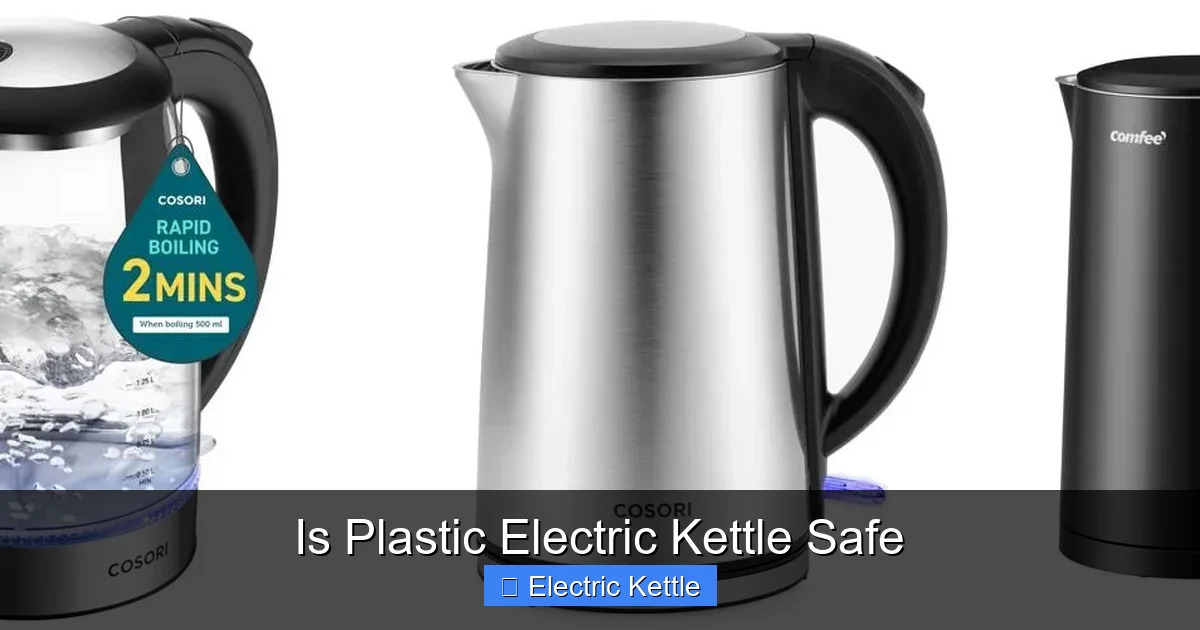
Plastic electric kettles can be safe if made from high-quality, BPA-free materials and used properly. However, low-quality plastics may leach harmful chemicals when heated, posing potential health risks. Choosing the right kettle and following safety tips ensures a safer boiling experience.
Key Takeaways
- Not all plastic kettles are equal: Safety depends on the type of plastic used and manufacturing quality.
- BPA-free doesn’t always mean safe: Some BPA-free plastics release other endocrine disruptors when heated.
- Heat accelerates chemical leaching: Boiling water in plastic increases the risk of toxins entering your water.
- Look for certifications: Choose kettles labeled as food-grade, FDA-approved, or LFGB-certified.
- Stainless steel or glass are safer alternatives: These materials don’t leach chemicals and are more durable.
- Proper maintenance matters: Regular cleaning and avoiding overheating extend safety and lifespan.
- Check for wear and damage: Cracked or discolored plastic should be replaced immediately.
📑 Table of Contents
- Is Plastic Electric Kettle Safe? A Complete Guide to Making the Right Choice
- Understanding the Types of Plastic Used in Electric Kettles
- The Science Behind Chemical Leaching in Plastic Kettles
- Health Risks Associated with Plastic Electric Kettles
- How to Choose a Safe Plastic Electric Kettle
- Safer Alternatives to Plastic Electric Kettles
- Tips for Safe Use and Maintenance
- Conclusion: Is Plastic Electric Kettle Safe?
Is Plastic Electric Kettle Safe? A Complete Guide to Making the Right Choice
If you’ve ever stood in the kitchen, waiting for your morning tea or coffee, watching steam rise from your electric kettle, you might have wondered: *Is plastic electric kettle safe?* It’s a fair question—especially when you consider that you’re boiling water inside a plastic container, day after day. With growing concerns about chemical exposure and long-term health, it’s no surprise that more people are rethinking their kitchen appliances.
Electric kettles are convenient, fast, and energy-efficient. They heat water quickly, often in under five minutes, making them a staple in homes, offices, and dorm rooms. But when that kettle is made of plastic, doubts creep in. Can heat cause harmful substances to seep into your water? Are you unknowingly drinking toxins with your tea? The short answer is: it depends. Not all plastic kettles are created equal, and understanding the materials, risks, and safety standards can help you make an informed decision.
In this guide, we’ll dive deep into the safety of plastic electric kettles. We’ll explore the types of plastic used, the science behind chemical leaching, and what certifications to look for. We’ll also compare plastic to safer alternatives like stainless steel and glass, and share practical tips to minimize risk if you choose to use a plastic kettle. By the end, you’ll know exactly what to look for—and whether your current kettle is truly safe for daily use.
Understanding the Types of Plastic Used in Electric Kettles
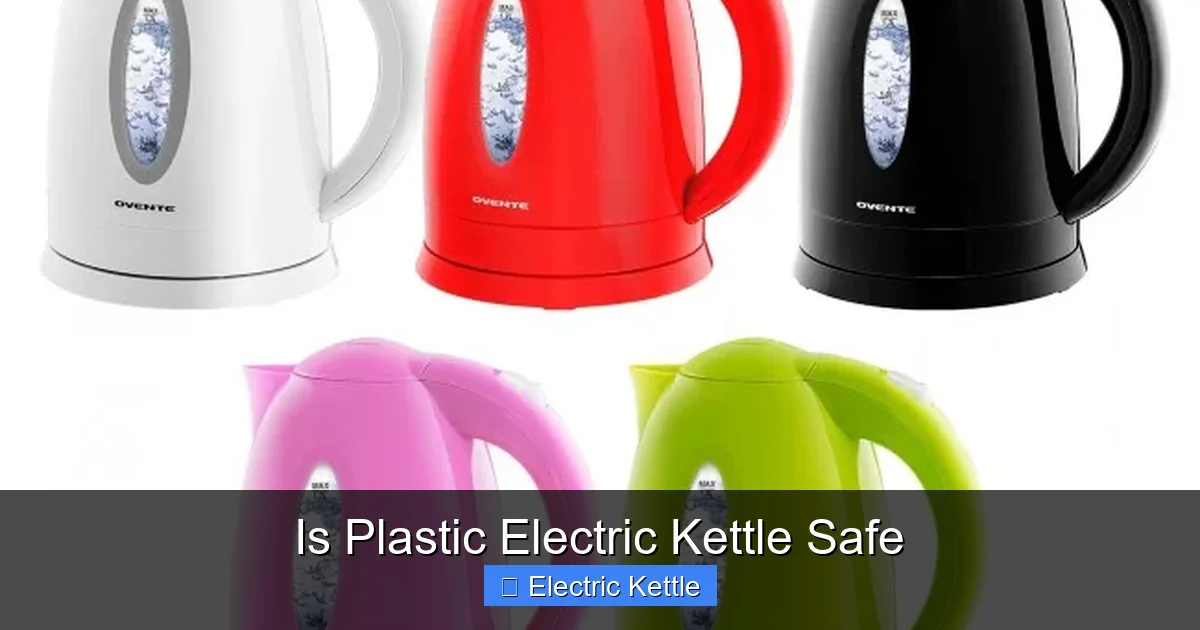
Visual guide about Is Plastic Electric Kettle Safe
Image source: ovente.com
Not all plastics are the same, especially when it comes to food and beverage contact. The safety of a plastic electric kettle largely depends on the type of plastic used in its construction. Let’s break down the most common plastics found in kettles and what you need to know about each.
Polypropylene (PP) – The Most Common Choice
Polypropylene, often labeled as PP or with the recycling code “5,” is one of the most widely used plastics in kitchen appliances, including electric kettles. It’s known for its high heat resistance, durability, and relatively low cost. Many manufacturers choose PP because it can withstand temperatures up to 120°C (248°F) without degrading—making it suitable for boiling water.
One of the main advantages of polypropylene is that it’s generally considered safe for food contact. It’s less likely to leach chemicals compared to other plastics, especially when it’s high-quality and food-grade. You’ll often see PP labeled as “BPA-free,” which is a good sign—but not a guarantee of complete safety.
However, even PP can release small amounts of chemicals if it’s low-quality, poorly manufactured, or exposed to repeated high heat over time. For example, cheaper kettles may use recycled or contaminated PP, which increases the risk of leaching. So while PP is a better option than many other plastics, quality matters.
Polycarbonate (PC) – A Red Flag for Health
Polycarbonate, marked with recycling code “7,” was once popular in water bottles and kettles due to its clarity and strength. But it’s now widely discouraged because it often contains bisphenol A (BPA), a chemical linked to hormonal disruptions, reproductive issues, and other health problems.
When polycarbonate is heated—like when boiling water in a kettle—BPA can leach into the water. Studies have shown that even low levels of BPA exposure over time may contribute to long-term health risks. Because of this, many countries have banned or restricted the use of BPA in food containers, especially for children.
If your kettle is made of polycarbonate, it’s best to replace it. Look for labels that say “BPA-free,” but be cautious—some BPA-free polycarbonates may still contain similar chemicals like bisphenol S (BPS) or bisphenol F (BPF), which may have similar health effects.
Other Plastics: ABS, Tritan, and More
Some modern kettles use alternative plastics like ABS (acrylonitrile butadiene styrene) or Tritan, a newer material developed by Eastman Chemical. Tritan is marketed as BPA-free and heat-resistant, and it’s often used in high-end water bottles and kitchenware.
Tritan is generally considered safe for hot liquids and is less likely to leach chemicals. However, it’s still a plastic, and long-term studies on its safety are limited. ABS is durable but not always food-safe unless specifically labeled as such. Always check the manufacturer’s specifications before assuming a plastic is safe.
The bottom line? Polypropylene (PP) is the safest plastic option for electric kettles, especially when it’s food-grade and BPA-free. Avoid polycarbonate and unknown plastics, and always verify the material before purchasing.
The Science Behind Chemical Leaching in Plastic Kettles
So, what exactly happens when you boil water in a plastic kettle? Does the heat really cause chemicals to seep into your drink? The short answer is yes—under certain conditions, plastic can release substances into water, especially when exposed to high temperatures.
How Heat Affects Plastic
Plastics are made of long chains of molecules called polymers. During manufacturing, additives like plasticizers, stabilizers, and colorants are often added to improve flexibility, durability, or appearance. When plastic is heated, these additives can break down or migrate out of the material—a process known as leaching.
Boiling water reaches 100°C (212°F), which is hot enough to accelerate this process. Even if a plastic is labeled “heat-resistant,” repeated exposure to boiling temperatures can weaken its structure over time, increasing the risk of chemical release.
For example, a study published in the journal *Environmental Health Perspectives* found that BPA leaching from polycarbonate bottles increased significantly when exposed to hot water. While newer BPA-free plastics may reduce this risk, they’re not immune. Research has shown that some BPA-free plastics release estrogenic chemicals—substances that mimic hormones—when heated.
Factors That Increase Leaching Risk
Several factors can increase the likelihood of chemical leaching in a plastic kettle:
– **Temperature:** Higher heat = greater leaching. Boiling water is the biggest culprit.
– **Age and wear:** Older kettles with scratches, cracks, or discoloration are more likely to leach chemicals.
– **Acidic or alkaline water:** Water with high mineral content or added lemon (acidic) can accelerate degradation.
– **Poor-quality materials:** Cheap plastics often contain impurities or untested additives.
– **Repeated use:** Daily boiling over months or years wears down the plastic.
Imagine using a plastic kettle every morning for two years. Each time you boil water, tiny amounts of chemicals may enter your drink. Over time, this cumulative exposure could pose health risks, especially if the plastic contains endocrine disruptors.
Real-World Examples and Studies
In 2011, a study by the University of Cincinnati tested 10 different BPA-free plastics and found that 90% of them released estrogenic chemicals when exposed to heat. This suggests that simply avoiding BPA isn’t enough—other chemicals in “BPA-free” plastics may be just as harmful.
Another study in *Chemosphere* analyzed water boiled in plastic kettles and detected trace amounts of antimony, a metal used in some plastics, in the water. While levels were below regulatory limits, long-term exposure is still a concern.
These findings don’t mean you should panic—but they do highlight the importance of choosing high-quality, certified kettles and replacing them when they show signs of wear.
Health Risks Associated with Plastic Electric Kettles
Now that we understand how chemicals can leach from plastic, let’s talk about what that means for your health. Are these chemicals actually dangerous? And what are the potential long-term effects?
Endocrine Disruption and Hormonal Imbalance
One of the biggest concerns with plastic kettles is endocrine disruption. Endocrine disruptors are chemicals that interfere with the body’s hormonal system. They can mimic, block, or alter hormone signals, potentially leading to developmental, reproductive, neurological, and immune problems.
BPA is the most well-known endocrine disruptor, but as mentioned earlier, many BPA-free plastics contain similar chemicals like BPS and BPF. These “regrettable substitutions” were introduced as safer alternatives, but research suggests they may have similar effects.
For example, a 2015 study in *Nature Communications* found that BPS and BPF can disrupt thyroid hormone function and affect brain development in animal models. While human studies are limited, the potential risks are concerning—especially for pregnant women, infants, and children.
Long-Term Exposure and Chronic Health Issues
Even if the amount of chemicals leaching into your water is small, daily exposure over months or years can add up. Chronic low-level exposure to endocrine disruptors has been linked to:
– Increased risk of obesity and diabetes
– Reproductive issues (infertility, early puberty)
– Developmental delays in children
– Certain cancers (breast, prostate)
– Thyroid dysfunction
These effects are often subtle and may not appear immediately, making them hard to detect. That’s why prevention—choosing safer materials—is so important.
Vulnerable Populations
Some groups are more vulnerable to the effects of chemical leaching:
– **Pregnant women:** Hormonal changes during pregnancy make women more sensitive to disruptors.
– **Infants and children:** Developing bodies are more susceptible to hormonal interference.
– **People with compromised immune systems:** May be less able to process toxins.
If you fall into one of these categories, it’s especially important to avoid plastic kettles or choose the safest possible option.
Myth vs. Reality: How Dangerous Is It Really?
It’s easy to feel overwhelmed by health warnings, but it’s important to keep things in perspective. Not every plastic kettle is dangerous, and not every use will lead to illness. Regulatory agencies like the FDA and EFSA set safety limits for chemical migration, and most certified kettles fall within these guidelines.
However, these limits are based on average exposure and may not account for cumulative effects or vulnerable populations. Plus, enforcement varies by country, and some cheaper imports may not meet strict safety standards.
The bottom line? While the risk from a single use is low, repeated daily use of a low-quality plastic kettle could contribute to long-term health issues. It’s better to be safe than sorry.
How to Choose a Safe Plastic Electric Kettle
If you’re set on using a plastic electric kettle—maybe because of budget, weight, or design preferences—there are ways to minimize risk and choose a safer option.
Look for Certifications and Labels
Always check for safety certifications. These labels indicate that the kettle has been tested and meets specific standards:
– **FDA-approved:** Indicates the plastic is safe for food contact in the U.S.
– **LFGB-certified:** A stricter European standard for food safety.
– **BPA-free:** Avoids bisphenol A, but check for other harmful chemicals.
– **Food-grade:** Means the material is safe for direct contact with food.
Avoid kettles that don’t list materials or certifications. If the packaging is vague or the brand is unknown, it’s best to skip it.
Choose High-Quality Polypropylene (PP)
As discussed earlier, polypropylene is the safest plastic for kettles. Look for kettles that clearly state they’re made from food-grade PP. Avoid anything labeled simply as “plastic” without details.
Check for Recycled or Unknown Plastics
Some manufacturers use recycled plastics to cut costs. While recycling is good for the environment, recycled plastics may contain contaminants or unknown additives. Stick to kettles made from virgin, food-grade materials.
Inspect the Design and Build Quality
A well-made kettle will have:
– Smooth, seamless interiors (hard to clean crevices can trap bacteria)
– No strong chemical smell when new
– Sturdy construction without warping or discoloration
Avoid kettles with visible seams, rough textures, or a plastic odor—these can indicate poor quality.
Consider the Heating Element
Some plastic kettles have exposed heating elements, which can increase leaching risk. Look for models with concealed or stainless steel heating elements, which reduce direct contact between water and plastic.
Read Reviews and Research Brands
Before buying, read customer reviews and check if the brand has a history of safety issues. Reputable companies like Cuisinart, Breville, and Hamilton Beach often provide detailed material information.
Safer Alternatives to Plastic Electric Kettles
If you’re concerned about plastic, you’re not alone—and you have better options. Stainless steel and glass kettles are widely available and offer significant safety advantages.
Stainless Steel Kettles
Stainless steel is durable, non-reactive, and doesn’t leach chemicals. It’s also easy to clean and resistant to rust and corrosion. High-quality models often have a food-grade interior (look for 18/8 or 304 stainless steel).
Pros:
– No chemical leaching
– Long lifespan
– Retains heat well
Cons:
– Heavier than plastic
– Can be more expensive
– May retain odors if not cleaned properly
Glass Kettles
Glass is inert, meaning it doesn’t react with water or release chemicals. It’s also easy to see when it needs cleaning. However, glass can break if dropped or exposed to sudden temperature changes.
Pros:
– Completely non-toxic
– Easy to clean and inspect
– Modern designs with LED indicators
Cons:
– Fragile
– Can be heavy when full
– May require a plastic or silicone base for stability
Hybrid Models
Some kettles combine materials—like a stainless steel interior with a plastic exterior for insulation. These can offer the best of both worlds, but make sure the water only touches safe materials.
Tips for Safe Use and Maintenance
Even if you choose a plastic kettle, proper use and care can reduce risks.
Avoid Overheating
Don’t boil water unnecessarily or let the kettle run dry. Overheating can damage the plastic and increase leaching.
Clean Regularly
Limescale and mineral buildup can harbor bacteria and degrade plastic. Use vinegar or a descaling solution monthly.
Replace When Worn
If your kettle shows cracks, discoloration, or a plastic taste, replace it immediately. Don’t wait for it to break.
Don’t Store Water in the Kettle
Always empty the kettle after use. Stagnant water can increase chemical migration.
Use Filtered Water
Hard water with high mineral content can accelerate plastic degradation. Filtered water is gentler on your kettle.
Conclusion: Is Plastic Electric Kettle Safe?
So, is plastic electric kettle safe? The answer isn’t a simple yes or no—it depends on the quality of the plastic, how it’s used, and your personal health priorities.
High-quality, food-grade polypropylene kettles that are BPA-free and properly maintained can be safe for daily use. However, cheaper or older models may leach harmful chemicals, especially when heated repeatedly. For peace of mind and long-term health, stainless steel or glass kettles are the safest choices.
Ultimately, the best kettle is one that balances safety, convenience, and durability. By understanding the risks and making informed decisions, you can enjoy your morning tea without worrying about what’s lurking in your water.
Frequently Asked Questions
Can boiling water in a plastic kettle cause cancer?
There is no direct evidence that boiling water in a plastic kettle causes cancer. However, some chemicals in low-quality plastics, like BPA or BPS, are classified as potential carcinogens. Long-term exposure may increase risk, so choosing safer materials is wise.
How can I tell if my plastic kettle is BPA-free?
Check the product label, packaging, or manufacturer’s website. Look for phrases like “BPA-free” or “no bisphenol A.” You can also look for recycling code “5” (polypropylene), which is typically BPA-free.
Is it safe to boil water with lemon in a plastic kettle?
Lemon is acidic and can accelerate plastic degradation. It’s safer to use stainless steel or glass kettles for acidic liquids. If using plastic, rinse thoroughly afterward and avoid frequent use.
How often should I replace my plastic electric kettle?
Replace your kettle every 1–2 years, or sooner if you notice cracks, discoloration, or a plastic taste. Regular use and heat exposure degrade plastic over time.
Are all BPA-free plastics safe?
Not necessarily. Some BPA-free plastics contain similar chemicals like BPS or BPF, which may also disrupt hormones. Look for certifications and choose food-grade materials.
Can I use a plastic kettle for baby formula?
It’s not recommended. Infants are more vulnerable to chemical exposure. Use stainless steel or glass kettles to prepare baby formula for maximum safety.