Rust in an electric kettle can be dangerous if left unchecked, potentially leaching iron and harmful contaminants into your drinking water. While small amounts may not cause immediate harm, prolonged exposure could affect taste, health, and appliance performance. Regular cleaning and proper maintenance are essential to keep your kettle safe and functional.
Key Takeaways
- Rust can contaminate water: Iron oxide from rust may leach into boiling water, affecting taste and potentially introducing unwanted metals.
- Health risks depend on exposure level: Occasional rust exposure is unlikely to cause harm, but long-term ingestion may lead to iron overload or gastrointestinal issues.
- Stainless steel kettles can rust: Even high-quality kettles made of stainless steel are prone to rust if the protective layer is damaged or maintenance is neglected.
- Regular cleaning prevents rust: Using vinegar or citric acid solutions helps dissolve mineral deposits and early rust spots before they spread.
- Replace severely rusted kettles: If rust has penetrated deep into the interior or heating element, it’s safer to replace the kettle to avoid contamination.
- Prevention is easier than repair: Dry your kettle after each use and avoid leaving water sitting overnight to reduce rust formation.
- Check manufacturer guidelines: Some kettles have rust-resistant coatings—follow care instructions to maintain warranty and safety.
📑 Table of Contents
- Is Rust in Electric Kettle Dangerous? A Complete Guide to Safety and Prevention
- What Causes Rust in Electric Kettles?
- Health Risks: Can Rust in Your Kettle Make You Sick?
- How to Clean Rust from Your Electric Kettle
- When to Replace Your Electric Kettle
- Prevention Tips: Keeping Your Kettle Rust-Free
- Conclusion: Stay Safe, Stay Informed
Is Rust in Electric Kettle Dangerous? A Complete Guide to Safety and Prevention
You wake up craving a warm cup of tea or coffee, reach for your trusty electric kettle, press the button, and—wait. You notice a reddish-brown stain near the spout or inside the chamber. Your first thought? Is rust in electric kettle dangerous? It’s a valid concern, especially when something you use daily to prepare hot beverages shows signs of corrosion.
Electric kettles are a staple in modern kitchens—fast, efficient, and convenient. But like any appliance that holds water and heats metal, they’re susceptible to wear and tear over time. Rust, scientifically known as iron oxide, forms when iron or steel reacts with oxygen and moisture. While it’s more common in older or lower-quality kettles, even premium stainless steel models aren’t immune. The real question isn’t just whether rust looks bad—it’s whether it poses a real threat to your health and the performance of your appliance.
In this comprehensive guide, we’ll explore the science behind rust formation in electric kettles, examine the potential health risks, and provide actionable tips to clean, prevent, and decide when it’s time to replace your kettle. Whether you’ve spotted a tiny speck or a full-blown rust patch, this article will help you make informed decisions about your kitchen safety.
What Causes Rust in Electric Kettles?
Rust doesn’t appear overnight. It’s the result of a slow chemical reaction that occurs when metal is exposed to water and air over time. But why does this happen in electric kettles, which are designed to hold and heat water regularly?
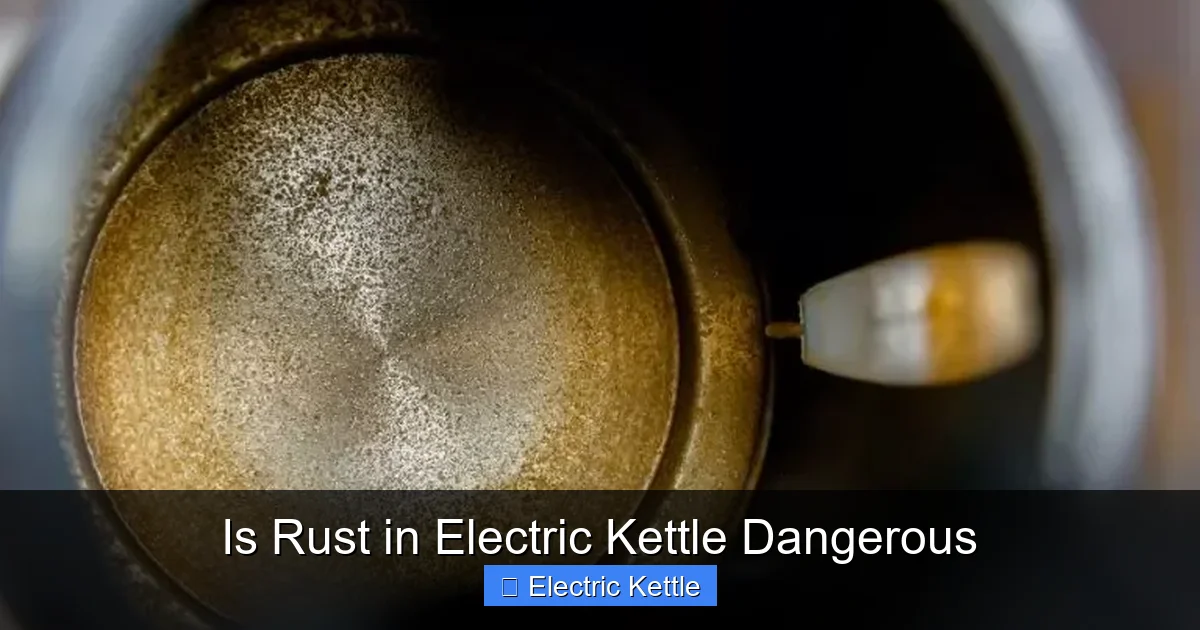
Visual guide about Is Rust in Electric Kettle Dangerous
Image source: irrorwxhiqijjr5q.ldycdn.com
The Role of Water Quality
One of the biggest culprits behind rust formation is hard water. Hard water contains high levels of minerals like calcium, magnesium, and iron. When you boil hard water repeatedly, these minerals accumulate as limescale on the kettle’s interior. Over time, this scale can trap moisture and create micro-environments where rust can begin to form—especially if the kettle’s protective coating is compromised.
For example, if you live in an area with iron-rich groundwater, your water may already contain dissolved iron. When heated, this iron can oxidize and settle as rust on the kettle’s surface. Even if your kettle is made of stainless steel, which is naturally resistant to corrosion, prolonged exposure to iron-laden water can overwhelm its defenses.
Material Matters: Stainless Steel Isn’t Rust-Proof
Many people assume that stainless steel kettles are immune to rust—but that’s a common misconception. Stainless steel contains chromium, which forms a passive oxide layer that protects the underlying metal. However, this layer can be damaged by scratches, harsh cleaning agents, or prolonged exposure to salt, chlorine, or acidic substances.
Once the protective layer is breached, the iron in the steel becomes vulnerable to oxidation. This is especially true near the heating element, where high temperatures and constant moisture accelerate corrosion. Cheaper kettles may use lower-grade stainless steel or thin coatings that wear off faster, making them more prone to rust.
Poor Maintenance and Storage Habits
How you care for your kettle plays a huge role in rust prevention. Leaving water sitting in the kettle overnight, especially after boiling, creates a damp environment ideal for rust. Similarly, failing to dry the interior after use allows moisture to linger, promoting oxidation.
Using abrasive scrubbers or harsh chemicals like bleach can also damage the kettle’s surface, stripping away its protective layer. Even dishwashers aren’t always safe—many manufacturers advise against washing electric kettles in dishwashers due to the risk of corrosion and electrical damage.
Health Risks: Can Rust in Your Kettle Make You Sick?
Now for the million-dollar question: Is rust in electric kettle dangerous to your health? The short answer is: it depends. Small amounts of rust are unlikely to cause immediate harm, but long-term exposure could pose risks.
Iron Overload and Toxicity
Rust is primarily composed of iron oxide. When it flakes off into your water, you may end up consuming small amounts of iron. For most people, this isn’t a problem—iron is an essential mineral, and your body regulates its absorption. However, individuals with conditions like hemochromatosis (a genetic disorder causing excessive iron absorption) could be at risk of iron overload.
Symptoms of iron toxicity include nausea, abdominal pain, fatigue, and in severe cases, liver damage. While it’s rare to reach toxic levels from kettle rust alone, consistent ingestion over months or years could contribute to elevated iron levels, especially if your diet is already high in iron.
Bacterial Growth and Contamination
Rust isn’t just unsightly—it can also harbor bacteria. The rough, porous surface of rust provides a perfect breeding ground for microbes like Legionella or E. coli, especially if the kettle isn’t cleaned regularly. When you boil water, most bacteria are killed, but if rust particles remain in the water after boiling, they could reintroduce contaminants.
Additionally, rust can trap limescale and other debris, creating a biofilm that’s difficult to remove. This not only affects water quality but can also lead to unpleasant odors and tastes. Imagine sipping your morning coffee only to detect a metallic or earthy flavor—chances are, rust is the culprit.
Heavy Metals and Manufacturing Defects
In rare cases, rust may indicate a deeper issue: poor manufacturing or the use of substandard materials. Some low-cost kettles may contain traces of heavy metals like lead or cadmium in their coatings or solder. When these materials corrode, they can leach into your water, posing serious health risks.
While reputable brands adhere to strict safety standards, it’s always wise to check product certifications (like FDA, LFGB, or CE) and avoid kettles with peeling paint or unusual odors. If you suspect your kettle is made with unsafe materials, it’s best to stop using it immediately.
How to Clean Rust from Your Electric Kettle
Spotting rust doesn’t necessarily mean you need to toss your kettle. In many cases, early-stage rust can be removed with simple, non-toxic cleaning methods. The key is to act quickly before the corrosion spreads.
Vinegar Solution: The Natural Rust Remover
White vinegar is one of the most effective and eco-friendly ways to clean rust from your kettle. Its acetic acid content dissolves mineral deposits and breaks down rust without damaging stainless steel.
Here’s how to do it:
- Fill the kettle halfway with equal parts white vinegar and water.
- Bring the solution to a boil, then let it sit for 15–30 minutes.
- Scrub gently with a soft sponge or brush—avoid steel wool, which can scratch the surface.
- Pour out the solution and rinse thoroughly with clean water.
- Boil fresh water 2–3 times to remove any lingering vinegar taste.
For stubborn rust, you can increase the vinegar concentration or repeat the process. Always ensure the kettle is completely dry afterward to prevent new rust from forming.
Citric Acid: A Gentle Alternative
If you prefer a scent-free option, citric acid is another excellent choice. Commonly used in food preservation, it’s safe, effective, and leaves no aftertaste.
To use citric acid:
- Dissolve 1–2 tablespoons of citric acid powder in a liter of water.
- Pour the solution into the kettle and let it sit for 1–2 hours.
- Boil the solution, then scrub and rinse as described above.
Citric acid is particularly good at removing limescale, which often accompanies rust. It’s also safe for kettles with sensitive coatings.
Baking Soda Paste for Surface Rust
For light surface rust or discoloration, a baking soda paste can work wonders. Mix baking soda with a small amount of water to form a thick paste, then apply it to the affected area with a soft cloth.
Gently scrub in circular motions, then rinse thoroughly. Baking soda is mildly abrasive but won’t scratch stainless steel when used correctly. Follow up with a vinegar rinse to neutralize any residue.
When to Replace Your Electric Kettle
Despite your best efforts, there comes a point when cleaning isn’t enough. Knowing when to replace your kettle is crucial for both safety and performance.
Signs It’s Time to Say Goodbye
Consider replacing your kettle if you notice any of the following:
- Rust has spread across large areas or penetrated deep into the metal.
- The heating element is visibly corroded or flaking.
- The kettle emits a metallic taste or odor, even after cleaning.
- The exterior paint is peeling, indicating internal corrosion.
- The kettle takes longer to boil or doesn’t heat evenly.
Severe rust can compromise the structural integrity of the kettle, increasing the risk of leaks or electrical faults. If the heating element is affected, it may also pose a fire hazard.
Choosing a Rust-Resistant Replacement
When shopping for a new kettle, look for models made from high-quality 304 or 316 stainless steel, which offer superior corrosion resistance. Features like a concealed heating element, removable limescale filters, and BPA-free coatings can also extend the kettle’s lifespan.
Brands like Breville, Cuisinart, and Fellow are known for durable, well-designed kettles. While they may cost more upfront, they’re less likely to rust and often come with longer warranties.
Prevention Tips: Keeping Your Kettle Rust-Free
An ounce of prevention is worth a pound of cure—especially when it comes to rust. With a few simple habits, you can keep your kettle in top condition for years.
Daily Care Routine
After each use, empty the kettle and wipe the interior with a dry cloth. Leave the lid open to allow air circulation and prevent moisture buildup. Avoid storing water in the kettle overnight, even if it’s just a few sips.
Monthly Deep Cleaning
Even if you don’t see rust, mineral deposits can accumulate over time. Schedule a monthly cleaning with vinegar or citric acid to dissolve limescale and prevent corrosion.
Use Filtered Water
If your tap water is hard or high in iron, consider using filtered water in your kettle. This reduces mineral buildup and lowers the risk of rust formation.
Avoid Harsh Cleaners
Stick to mild, non-abrasive cleaners. Avoid bleach, ammonia, or steel wool, which can damage the kettle’s surface and accelerate rusting.
Inspect Regularly
Make it a habit to check your kettle weekly for signs of rust, discoloration, or damage. Early detection makes cleanup easier and prevents bigger problems down the line.
Conclusion: Stay Safe, Stay Informed
So, is rust in electric kettle dangerous? The answer isn’t black and white. While a small amount of rust is unlikely to cause immediate harm, it’s a red flag that shouldn’t be ignored. Rust can affect the taste of your water, introduce unwanted metals, and even harbor bacteria. More importantly, it’s often a sign of underlying issues—like poor maintenance, low-quality materials, or hard water—that could compromise your health over time.
The good news? Most rust problems are preventable and treatable. With regular cleaning, proper care, and attention to water quality, you can keep your kettle safe and functional for years. And if your kettle is beyond repair, investing in a high-quality replacement is a small price to pay for peace of mind.
Your morning cup of tea or coffee should be a moment of comfort, not concern. By staying informed and proactive, you can enjoy every sip—knowing your kettle is clean, safe, and rust-free.
Frequently Asked Questions
Can I still use my kettle if there’s a little rust?
Yes, you can use it temporarily, but it’s best to clean the rust as soon as possible. Small spots can usually be removed with vinegar or citric acid. However, if the rust is widespread or affecting the heating element, replace the kettle for safety.
Does boiling water kill bacteria in rust?
Boiling water kills most bacteria, but rust particles may remain in the water after boiling. These particles can affect taste and potentially carry contaminants, so it’s safer to remove rust before use.
Can rust in a kettle cause iron poisoning?
It’s unlikely from occasional use, but long-term ingestion of rust-contaminated water could contribute to iron overload, especially in people with hemochromatosis. Monitor your kettle and clean or replace it if rust persists.
Why does my stainless steel kettle have rust?
Stainless steel can rust if its protective chromium layer is damaged by scratches, harsh cleaners, or prolonged exposure to hard water. Poor maintenance and low-quality materials also increase rust risk.
How often should I clean my electric kettle?
Clean your kettle monthly with vinegar or citric acid to prevent limescale and rust. If you use hard water or notice buildup, clean it more frequently—every 2–3 weeks.
Is it safe to drink water from a rusted kettle after boiling?
Boiling kills bacteria, but rust particles may still be present, affecting taste and potentially introducing metals. It’s safer to clean the kettle first or replace it if rust is severe.