Stainless steel electric kettles are generally safe, durable, and free from harmful chemicals like BPA. They offer excellent heat retention, resist rust and corrosion, and are easy to clean—making them a top choice for health-conscious households.
Key Takeaways
- Stainless steel is non-toxic and inert: High-quality stainless steel (especially 304 or 18/8 grade) doesn’t leach harmful chemicals into water, even when heated repeatedly.
- No plastic contact with hot water: Unlike plastic or glass kettles with plastic components, stainless steel models keep water away from potentially harmful plastics during boiling.
- Durable and long-lasting: Stainless steel resists dents, cracks, and corrosion, ensuring your kettle lasts for years with proper care.
- Easy to clean and maintain: The smooth, non-porous surface prevents bacterial buildup and makes cleaning simple with soap and water.
- Energy-efficient heating: Stainless steel kettles heat water quickly and evenly, reducing energy use compared to stovetop methods.
- Choose food-grade stainless steel: Always look for 304 or 18/8 stainless steel markings to ensure safety and quality.
- Avoid cheap, low-grade metals: Poor-quality kettles may contain nickel or chromium that can leach under extreme conditions—stick to trusted brands.
📑 Table of Contents
- Is Stainless Steel Electric Kettle Safe? A Complete Guide
- What Makes Stainless Steel a Safe Material?
- Stainless Steel vs. Other Kettle Materials
- Potential Risks and How to Avoid Them
- How to Choose a Safe Stainless Steel Electric Kettle
- Tips for Safe and Long-Lasting Use
- Conclusion: Yes, Stainless Steel Electric Kettles Are Safe
Is Stainless Steel Electric Kettle Safe? A Complete Guide
When it comes to kitchen appliances, safety is always top of mind—especially when boiling water for your morning coffee, tea, or instant meals. One question that comes up often is: Is a stainless steel electric kettle safe? With so many options on the market—plastic, glass, and stainless steel—it’s natural to wonder which material is best for your health and daily use.
The good news? Stainless steel electric kettles are widely considered one of the safest choices available. They combine durability, efficiency, and health benefits in a sleek, modern design. Unlike plastic kettles that may release chemicals when heated, or glass kettles that can shatter, stainless steel offers a reliable, long-lasting solution. But like any product, not all stainless steel kettles are created equal. The safety and performance depend heavily on the quality of materials, manufacturing standards, and how you use and maintain the kettle.
In this guide, we’ll dive deep into the safety of stainless steel electric kettles. We’ll explore the science behind the material, compare it to other kettle types, discuss potential risks, and give you practical tips for choosing and caring for your kettle. Whether you’re upgrading from an old plastic model or just starting your search, this article will help you make an informed decision.
What Makes Stainless Steel a Safe Material?
Stainless steel is an alloy made primarily of iron, chromium, and nickel. The “stainless” part comes from the chromium, which forms a thin, protective oxide layer on the surface. This layer prevents rust and corrosion, even when exposed to water and heat—two things your kettle deals with every day.
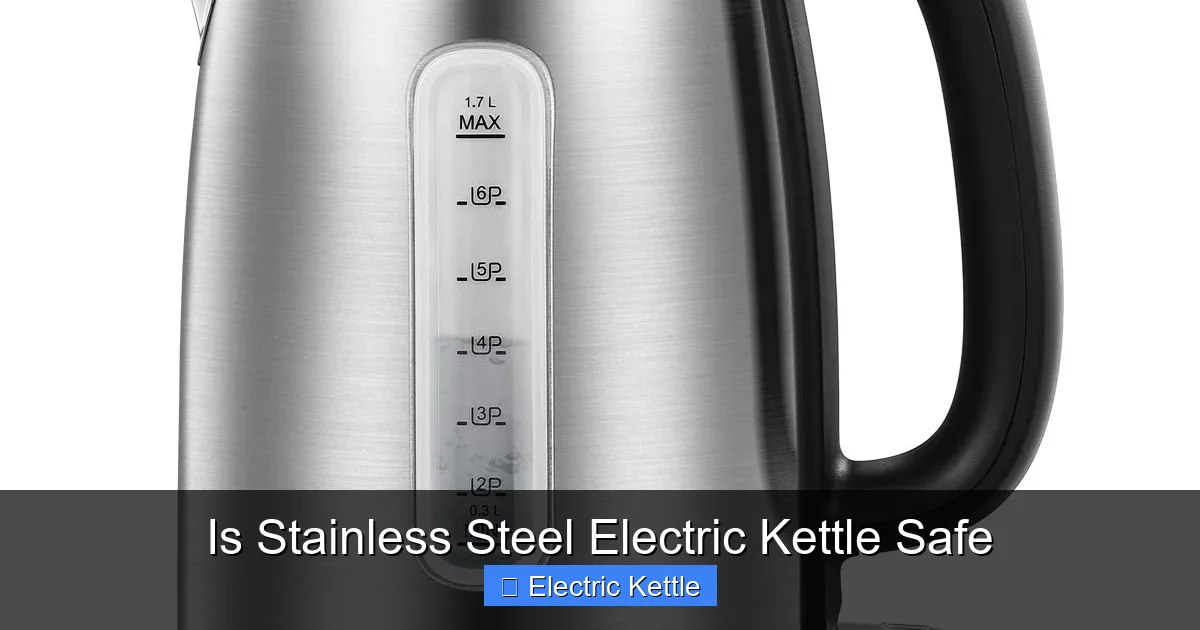
Visual guide about Is Stainless Steel Electric Kettle Safe
Image source: m.media-amazon.com
Non-Toxic and Chemically Inert
One of the biggest concerns with kitchen appliances is chemical leaching—when materials break down and release substances into your food or drink. Stainless steel, especially food-grade varieties, is chemically inert. This means it doesn’t react with water, even at high temperatures. Unlike plastic, which can release BPA or phthalates when heated, stainless steel won’t introduce harmful chemicals into your boiling water.
For example, if you’ve ever noticed a plastic taste in water from a cheap kettle, that’s a sign of chemical leaching. With a high-quality stainless steel kettle, you’ll get pure, clean-tasting water every time—no aftertaste, no worries.
Food-Grade Stainless Steel: What to Look For
Not all stainless steel is the same. The safest kettles are made from 304 stainless steel, also known as 18/8 stainless steel. The numbers refer to the composition: 18% chromium and 8% nickel. This grade is widely used in foodservice and medical industries because it’s resistant to corrosion and safe for contact with consumables.
When shopping, check the product description or packaging for “304” or “18/8” stainless steel. Avoid kettles that simply say “stainless steel” without specifying the grade. Lower grades like 201 or 430 may contain higher levels of manganese or less nickel, which can affect durability and safety over time.
Resistance to Heat and Corrosion
Stainless steel can withstand high temperatures without degrading. This is crucial for electric kettles, which heat water to boiling point (212°F or 100°C) repeatedly. Unlike plastic, which can warp or release fumes, stainless steel remains stable and intact.
Additionally, the corrosion-resistant nature of stainless steel means your kettle won’t rust or develop pits, even if you live in an area with hard water. This not only extends the life of the kettle but also ensures that no metal flakes or rust particles end up in your water.
Stainless Steel vs. Other Kettle Materials
To truly understand whether a stainless steel electric kettle is safe, it helps to compare it with other common materials: plastic, glass, and aluminum.
Plastic Kettles: Convenience at a Cost
Plastic kettles are lightweight and affordable, but they come with significant health concerns. Many plastics contain BPA (Bisphenol A) or similar chemicals that can leach into water when heated. Even “BPA-free” plastics may contain other endocrine disruptors like BPS or BPF, which have similar health risks.
For instance, a study published in Environmental Health Perspectives found that most plastic products release estrogenic chemicals when exposed to heat. This means every time you boil water in a plastic kettle, you could be ingesting trace amounts of potentially harmful substances.
Additionally, plastic can scratch easily, creating tiny crevices where bacteria can grow. Over time, these scratches can harbor mold or mildew, especially if the kettle isn’t dried properly after use.
Glass Kettles: Clean but Fragile
Glass kettles are a popular alternative because they’re non-reactive and allow you to see the water boiling. High-quality borosilicate glass (like Pyrex) is heat-resistant and safe for boiling water.
However, glass has its downsides. It’s more fragile than stainless steel and can shatter if dropped or exposed to sudden temperature changes. For example, pouring cold water into a hot glass kettle can cause thermal shock and cracking. This not only poses a safety risk but also shortens the kettle’s lifespan.
Also, many glass kettles have plastic components—like the lid, handle, or base—that come into contact with hot water. Even if the main chamber is glass, these plastic parts can still leach chemicals.
Aluminum Kettles: Lightweight but Risky
Aluminum kettles are lightweight and heat up quickly, but they’re generally not recommended for boiling drinking water. Aluminum can react with acidic liquids (like lemon water or tea) and leach into the water. Long-term exposure to aluminum has been linked to health issues, including neurological concerns.
Some aluminum kettles have a non-stick coating to prevent leaching, but these coatings can degrade over time, especially with frequent use. Once the coating wears off, the aluminum is exposed, increasing the risk of contamination.
Why Stainless Steel Wins
When you compare all the options, stainless steel stands out as the safest, most durable choice. It doesn’t leach chemicals, resists heat and corrosion, and doesn’t require coatings or linings that can wear out. Plus, it’s easy to clean and maintain, making it ideal for daily use.
Potential Risks and How to Avoid Them
While stainless steel electric kettles are generally safe, there are a few potential risks to be aware of—especially if you choose a low-quality model or neglect proper maintenance.
Leaching of Nickel and Chromium
High-quality stainless steel is designed to minimize leaching, but under extreme conditions, trace amounts of nickel or chromium can enter the water. This is more likely with low-grade steel or if the kettle is damaged (e.g., deep scratches or pitting).
For most people, these trace amounts are not harmful. However, individuals with nickel allergies should be cautious. If you have a known sensitivity, look for kettles labeled “nickel-free” or made from low-nickel stainless steel grades like 316 (used in medical implants).
To reduce any risk, avoid boiling water for extended periods or reboiling water multiple times. Stagnant or repeatedly boiled water can concentrate minerals and increase the chance of metal leaching.
Hard Water and Mineral Buildup
If you live in an area with hard water (high in calcium and magnesium), you may notice a white, chalky residue inside your kettle. This is limescale, and while it’s not toxic, it can affect the kettle’s performance and taste of your water.
Limescale buildup can also trap bacteria and make cleaning more difficult. To prevent this, descale your kettle regularly using a mixture of white vinegar and water. Simply fill the kettle halfway with equal parts vinegar and water, let it sit for an hour, then boil and rinse thoroughly.
Electrical Safety Concerns
Like all electric appliances, kettles can pose electrical risks if not used properly. Always ensure your kettle is plugged into a grounded outlet and avoid using extension cords. Check the cord regularly for fraying or damage.
Also, never operate the kettle without water. Most modern kettles have automatic shut-off features to prevent dry boiling, but it’s still important to follow the manufacturer’s instructions. Overheating can damage the heating element and potentially cause a fire.
Improper Cleaning and Maintenance
Even the safest material can become unsafe if not cleaned properly. Food particles, oils, or soap residue can build up inside the kettle, especially around the heating element or spout.
To keep your kettle safe and hygienic, clean it weekly with warm, soapy water. Use a soft sponge or brush to scrub the interior, and rinse thoroughly. Avoid abrasive cleaners or steel wool, which can scratch the surface and compromise the protective oxide layer.
How to Choose a Safe Stainless Steel Electric Kettle
Now that you know the benefits and risks, here’s how to pick a kettle that’s truly safe and reliable.
Look for Food-Grade Stainless Steel
As mentioned earlier, always choose a kettle made from 304 or 18/8 stainless steel. This ensures the material is safe for food contact and resistant to corrosion. Check the product description or contact the manufacturer if the information isn’t clear.
Check for Certifications
Reputable brands often have their products tested and certified by third-party organizations. Look for labels like:
- FDA Approved: Indicates the material is safe for food contact.
- LFGB Certified: A German standard for food safety, stricter than FDA.
- CE Marking: Shows compliance with European safety standards.
These certifications give you peace of mind that the kettle has been tested for safety and performance.
Inspect the Design and Features
A well-designed kettle enhances safety and usability. Look for:
- Automatic shut-off: Turns off the kettle when water reaches boiling point.
- Boil-dry protection: Prevents the kettle from operating without water.
- Cool-touch handle and lid: Reduces the risk of burns.
- Removable filter: Catches limescale and debris, making cleaning easier.
For example, the Breville BKE820XL IQ Electric Kettle features a stainless steel interior, automatic shut-off, and a removable mesh filter—making it a top pick for safety and convenience.
Read Reviews and Choose Trusted Brands
Before buying, read customer reviews on sites like Amazon, Consumer Reports, or Wirecutter. Look for feedback on durability, safety, and ease of use. Avoid unknown brands or unusually cheap kettles—they may cut corners on materials or safety features.
Some trusted brands known for high-quality stainless steel kettles include:
- Cuisinart
- Hamilton Beach
- OXO
- Bonavita
- Russell Hobbs
Tips for Safe and Long-Lasting Use
Even the best kettle needs proper care to stay safe and functional. Follow these tips to get the most out of your stainless steel electric kettle.
Descale Regularly
Hard water can cause limescale buildup, which affects taste and efficiency. Descale your kettle every 1–2 months, or more often if you live in a hard water area. Use a 1:1 mixture of white vinegar and water, boil, let sit, then rinse thoroughly.
Don’t Overfill or Underfill
Always stay within the minimum and maximum water levels marked inside the kettle. Overfilling can cause water to spill into the electrical base, while underfilling can trigger boil-dry protection or damage the heating element.
Clean the Exterior and Base
Wipe the outside of the kettle with a damp cloth after each use. Avoid getting water on the electrical base or plug. If the base gets wet, unplug it and let it dry completely before using again.
Store Properly
When not in use, store the kettle in a dry place with the lid open to prevent moisture buildup and odors. Avoid stacking heavy items on top, which can dent the stainless steel.
Replace When Necessary
Even stainless steel kettles don’t last forever. If you notice rust, deep scratches, a damaged cord, or inconsistent heating, it’s time to replace it. Continuing to use a damaged kettle can compromise safety and performance.
Conclusion: Yes, Stainless Steel Electric Kettles Are Safe
So, is a stainless steel electric kettle safe? The answer is a resounding yes—especially when you choose a high-quality model made from food-grade stainless steel. These kettles offer a safe, durable, and efficient way to boil water without exposing yourself to harmful chemicals or fragile materials.
Compared to plastic, glass, or aluminum kettles, stainless steel stands out for its non-toxic nature, resistance to heat and corrosion, and long lifespan. With proper care and maintenance, a stainless steel electric kettle can serve you well for many years, delivering clean, great-tasting water for your favorite beverages and meals.
The key is to do your research, choose a reputable brand, and follow safe usage practices. By doing so, you’ll enjoy all the benefits of a stainless steel kettle—peace of mind, convenience, and reliability—every time you press the boil button.
Frequently Asked Questions
Can stainless steel kettles leach metal into water?
High-quality stainless steel kettles made from 304 or 18/8 grade are designed to minimize leaching. Trace amounts of nickel or chromium may enter water under extreme conditions, but this is rare and generally not harmful for most people.
Is it safe to boil water in a stainless steel kettle every day?
Yes, it’s completely safe to use a stainless steel electric kettle daily. Just ensure it’s made from food-grade steel and maintain it properly by descaling and cleaning regularly.
Do stainless steel kettles contain BPA?
No, stainless steel kettles do not contain BPA or other plastic-related chemicals. They are made entirely of metal, so there’s no risk of BPA leaching into your water.
Can I put lemon or vinegar in a stainless steel kettle for cleaning?
Yes, you can safely use white vinegar to descale your kettle. Lemon juice is also safe in moderation, but avoid leaving acidic liquids in the kettle for long periods, as they can affect the metal over time.
Are stainless steel kettles safe for people with nickel allergies?
Most stainless steel contains some nickel, which may affect sensitive individuals. If you have a nickel allergy, look for kettles made from low-nickel or nickel-free stainless steel, such as 316 grade.
How often should I clean my stainless steel electric kettle?
Clean the interior weekly with soap and water, and descale every 1–2 months (or more often in hard water areas) using a vinegar solution to prevent limescale buildup.