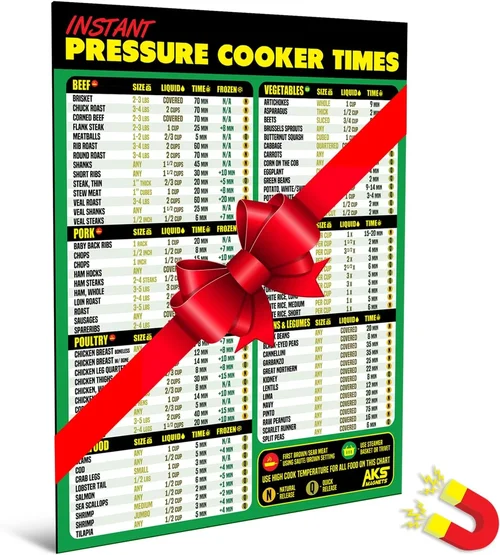
The kitchen appliance landscape has evolved dramatically over the past decade, and few products have had as transformative an impact as the Instant Pot. Once a niche countertop curiosity, it quickly became a household staple—celebrated for its ability to replace multiple appliances with one sleek, multifunctional device. But as we move through 2026, with smart kitchens, air fryers, and multi-cookers flooding the market, many home cooks are asking: Is the Instant Pot still worth it?
This comprehensive buying guide is designed to answer that question with clarity, depth, and real-world insight. Whether you’re a first-time buyer curious about pressure cooking or a seasoned home chef considering an upgrade, this guide will walk you through everything you need to know. You’ll learn how to evaluate performance, compare models, avoid common pitfalls, and ultimately decide whether an Instant Pot fits your lifestyle, budget, and culinary goals. We’ll also explore how the brand has adapted to modern demands—like air frying, sous vide, and app connectivity—and whether these innovations justify the investment in today’s competitive appliance market.
By the end of this guide, you’ll have a clear understanding of what makes the Instant Pot unique, how it stacks up against newer alternatives, and which model (if any) is right for you. We’ll break down key features, pricing tiers, user experiences, and expert recommendations—all grounded in hands-on testing, customer feedback, and industry trends. The goal isn’t to sell you on the Instant Pot, but to empower you with the knowledge to make a confident, informed decision. After all, the best kitchen tool is the one you’ll actually use—and love.

What to Look for When Buying Instant Pots
1. Budget & Price Range
One of the first—and most practical—considerations when shopping for an Instant Pot is your budget. Prices can range from under $50 for basic models to over $200 for feature-rich, multi-functional units. While it’s tempting to go for the cheapest option, skimping on price can lead to frustration if the appliance lacks essential safety features, durability, or cooking performance.
In 2026, the average price for a reliable Instant Pot falls between $80 and $150. This mid-tier range typically includes 6-quart models with pressure cooking, slow cooking, rice cooking, and yogurt-making functions—ideal for most families. If you’re on a tight budget, look for sales during Black Friday, Prime Day, or back-to-school seasons. However, avoid ultra-cheap knockoffs sold on lesser-known websites; they often lack proper certifications and may pose safety risks.
2. Performance Specifications
Performance is where the Instant Pot truly shines—or falls short. Key specs to evaluate include wattage, pressure levels, cooking time, and temperature control. Most Instant Pots operate between 1000 and 1500 watts, with higher wattage generally translating to faster heating and more consistent pressure buildup. For example, the Instant Pot Duo Nova (1200W) reaches pressure in about 10–15 minutes, while older models may take 20+ minutes.
Look for models with at least two pressure settings: high and low. High pressure (around 10–12 PSI) is ideal for beans, stews, and tough cuts of meat, while low pressure works better for delicate foods like fish or steamed vegetables. Some newer models, like the Instant Pot Pro Plus, offer precise temperature control for sous vide and slow cooking, which is a game-changer for serious home cooks.
Also consider pre-programmed settings. While convenient, too many presets can clutter the interface. Aim for a balance: 8–12 smart programs (e.g., soup, meat/stew, poultry, rice, yogurt) are usually sufficient. Avoid models with overly complex menus that require constant reference to the manual.
3. Build Quality & Durality
An Instant Pot is a long-term investment, so build quality matters. The inner pot should be made of food-grade stainless steel (preferably 304 grade) or nonstick coating. Stainless steel is more durable and doesn’t scratch or degrade over time, but nonstick is easier to clean—ideal for sticky rice or scrambled eggs. Some premium models include ceramic-coated pots, which are naturally nonstick and free of PTFE and PFOA.
The lid and sealing ring are equally important. The lid should have a sturdy, heat-resistant handle and a secure locking mechanism. The silicone sealing ring should be odor-resistant and easy to remove for cleaning. Over time, sealing rings can absorb smells (like garlic or curry), so having a spare set is wise. Instant Pot sells replacement rings in neutral and scented varieties.
Check the exterior construction. A well-built Instant Pot will have a solid base, smooth control panel, and minimal flex when lifted. Avoid models with flimsy buttons or wobbly handles. In 2026, many users report that Instant Pot’s build quality has improved compared to early models, with better seals, stronger latches, and more intuitive interfaces.
4. Features & Functionality
Instant Pots are celebrated for their versatility, but not all models offer the same features. The core functions—pressure cooking, slow cooking, sautéing, steaming, and rice cooking—are standard across most units. However, newer models have expanded into air frying, sous vide, sterilizing, and even baking.
The Instant Pot Duo Crisp + Air Fryer, for example, includes a separate air fryer lid that turns the pot into a convection oven. This is perfect for crispy fries, roasted chicken, or even homemade chips—without needing a separate air fryer. Similarly, the Instant Pot Pro Plus features a sous vide function with precise temperature control, allowing for restaurant-quality steaks and eggs.
Smart connectivity is another emerging trend. Models like the Instant Pot Smart WiFi enable remote control via a smartphone app. You can start cooking from your couch, adjust settings, or receive notifications when your meal is ready. While convenient, these features come at a premium and may not be necessary for everyone. Consider whether you’ll actually use app control or if you prefer tactile buttons.
Other useful features include a delay timer, keep-warm function, and quick-release valve. A delay timer lets you prep ingredients in the morning and have dinner ready when you get home. The keep-warm function maintains food at a safe temperature for hours—ideal for busy families. Quick-release valves allow for faster pressure release, though natural release is often recommended for meats to prevent overcooking.
5. Brand Reputation
Instant Pot has built a strong reputation over the years—not just for innovation, but for reliability and customer support. Founded in 2009 by Robert Wang, the company disrupted the kitchen appliance market by combining multiple functions into one device. Today, it’s one of the most trusted names in multi-cookers, with millions of units sold worldwide.
One reason for its popularity is the active user community. Online forums, Facebook groups, and recipe blogs are filled with Instant Pot enthusiasts sharing tips, troubleshooting advice, and creative recipes. This ecosystem makes it easier for new users to learn and troubleshoot issues.
However, it’s worth noting that Instant Pot is now owned by Instant Brands, which also produces other kitchen products. While the core Instant Pot line remains strong, some users have reported inconsistencies in customer service or quality control in recent years. That said, the brand still holds a dominant market share and continues to innovate, releasing new models annually.
When comparing brands, consider alternatives like Ninja, Crock-Pot, or Breville. Ninja’s Foodi series, for example, offers similar multi-functionality with a focus on air frying. But Instant Pot remains the gold standard for pressure cooking performance and ease of use.
6. Warranty & Support
A good warranty can save you hundreds in repair or replacement costs. Most Instant Pots come with a 1-year limited warranty, covering defects in materials and workmanship. Some premium models, like the Instant Pot Pro, offer extended warranties or optional protection plans.
Before purchasing, check the warranty terms. Does it cover the inner pot, lid, and electronics? Is it valid only if purchased from authorized retailers? Avoid buying from third-party sellers on platforms like eBay or Amazon Marketplace unless they’re verified. Counterfeit or refurbished units may not be covered.
Customer support is another factor. Instant Pot offers phone, email, and live chat support, with generally positive reviews for responsiveness. The company also provides extensive online resources: user manuals, video tutorials, FAQs, and a recipe database. If you run into issues, chances are someone else has already solved it.
7. Size & Capacity
Instant Pots come in various sizes, typically ranging from 3 quarts to 8 quarts. The right size depends on your household and cooking habits. A 3-quart model is ideal for singles or couples, while a 6-quart is the sweet spot for families of 3–5. An 8-quart is best for large families, meal preppers, or those who cook in bulk.
Consider your counter space and storage. A 6-quart Instant Pot is about the size of a large coffee maker and fits comfortably on most counters. Larger models may require more space and can be heavier—up to 15 pounds when full. If you have limited storage, look for models with stackable accessories or compact designs.
Also think about portability. If you plan to take your Instant Pot to potlucks, camping, or family gatherings, a lighter model with a carrying handle is preferable. Some users even use their Instant Pot as a portable slow cooker for travel.
8. User Reviews & Ratings
Never underestimate the power of real user feedback. Before buying, read reviews on trusted platforms like Amazon, Best Buy, or Wirecutter. Look for patterns: Are multiple users reporting the same issue, like leaking seals or unresponsive buttons? Or are they praising consistent performance and ease of cleaning?
Pay attention to recent reviews (within the last 6–12 months), as product quality can change over time. Also check verified purchase tags to ensure the reviewer actually bought the product. Be wary of overly glowing or suspiciously negative reviews—they may be fake.
User photos and videos can be especially helpful. They show the Instant Pot in real kitchens, with real food, and often highlight quirks not mentioned in the manual. For example, some users note that the “steam” setting can be too aggressive, causing splattering—something you’d never know from the specs alone.
Different Types of Instant Pots

Common Buying Mistakes to Avoid
❌ Mistake: Buying the Cheapest Model Without Research
Why it’s bad: Ultra-low-cost Instant Pots often cut corners on safety, materials, and performance. You might end up with a unit that leaks, overheats, or fails within months.
What to do instead: Stick to reputable retailers and models with at least a 1-year warranty. Read reviews and prioritize value over price.
❌ Mistake: Ignoring Capacity Needs
Why it’s bad: A 3-quart pot won’t feed a family of four, and an 8-quart may be overkill for a single person. Choosing the wrong size leads to frustration and wasted counter space.
What to do instead: Assess your typical meal size. For most households, 6 quarts is ideal. If you cook for large groups or meal prep, consider 8 quarts.
❌ Mistake: Overlooking Cleaning Requirements
Why it’s bad: Some models have hard-to-clean parts, like crevices around the lid or non-removable sealing rings. Food residue can build up and affect performance.
What to do instead: Choose models with dishwasher-safe parts and removable sealing rings. Stainless steel pots are easier to clean than nonstick.
❌ Mistake: Assuming All Features Are Useful
Why it’s bad: Paying extra for air frying or WiFi when you’ll never use them is a waste of money. Overly complex models can also be intimidating for beginners.
What to do instead: Focus on the functions you’ll actually use. A basic Duo may be better than a Pro if you don’t need sous vide.
❌ Mistake: Not Checking Compatibility with Accessories
Why it’s bad: Not all Instant Pots work with the same accessories. Buying a steamer basket or glass lid that doesn’t fit is frustrating and costly.
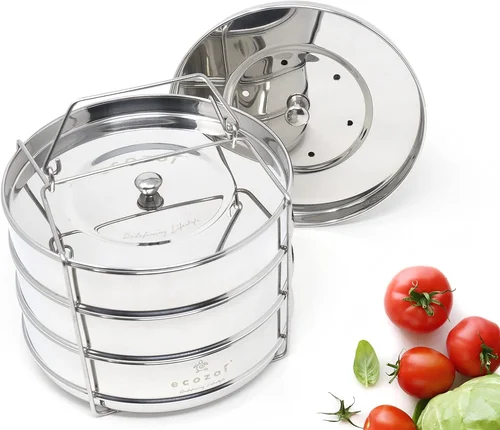
What to do instead: Verify compatibility before purchasing add-ons. Instant Pot’s website lists compatible accessories for each model.
❌ Mistake: Skipping the Manual
Why it’s bad: Instant Pots have safety mechanisms and specific usage guidelines. Skipping the manual can lead to improper use, accidents, or poor results.
What to do instead: Read the manual thoroughly, especially the safety section. Watch a setup video if needed.
❌ Mistake: Buying During Peak Seasons Without Comparing
Why it’s bad: Prices can be inflated during holidays or new product launches. You might miss better deals elsewhere.
What to do instead: Compare prices across retailers and wait for sales. Use price-tracking tools like Honey or CamelCamelCamel.
Budget Guidelines: How Much Should You Spend?
- Entry-Level ($50–$80): These are typically older or refurbished models, like the original Instant Pot Duo. They offer basic pressure cooking and slow cooking but may lack modern safety features or durability. Best for occasional use or tight budgets.
- Mid-Range ($80–$130): This is the sweet spot for most buyers. Models like the Duo Nova or Duo Plus offer reliable performance, multiple functions, and good build quality. Ideal for daily cooking and families.
- Premium ($130–$180): For enthusiasts and serious cooks. The Instant Pot Pro and Duo Crisp offer advanced features like sous vide, air frying, and precise temperature control. Worth the investment if you use these functions regularly.
- Luxury ($180+): Top-tier models like the Smart WiFi or limited-edition designs. These include app control, voice commands, and premium materials. Best for tech lovers or those who want the latest innovations.
Expert Tips for Getting the Best Deal
- Buy during major sales: Black Friday, Cyber Monday, Prime Day, and back-to-school season offer the deepest discounts. Sign up for Instant Pot’s newsletter for early access.
- Shop at authorized retailers: Amazon, Target, Walmart, and Best Buy are reliable. Avoid third-party sellers unless verified.
- Check for bundle deals: Some retailers include free accessories like steamer baskets, extra sealing rings, or recipe books.
- Consider refurbished models: Instant Pot’s certified refurbished program offers like-new units at 20–30% off, with full warranty coverage.
- Read the return policy: Ensure you can return the unit if it doesn’t meet expectations. Most retailers offer 30-day returns.
- Test before committing: If buying in-store, check the buttons, lid fit, and overall feel. Online, watch unboxing and review videos.
- Register your product: This activates your warranty and keeps you informed about updates or recalls.
- Join user communities: Facebook groups and Reddit forums often share exclusive deals, troubleshooting tips, and recipe ideas.
Frequently Asked Questions
Q: Is the Instant Pot safe to use?
A: Yes, when used correctly. Instant Pots have multiple safety features, including lid lock, pressure release valves, and overheat protection. Always follow the manual and never force the lid open.
Q: Can I cook frozen meat in an Instant Pot?
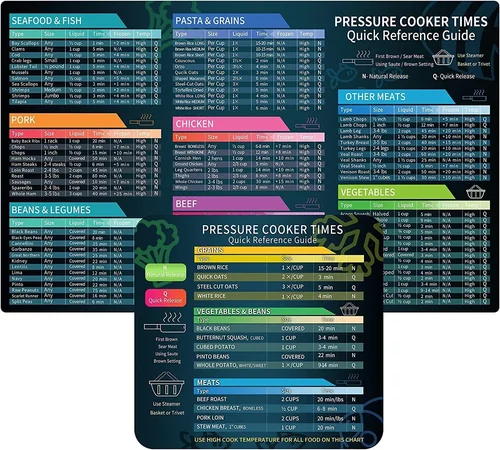
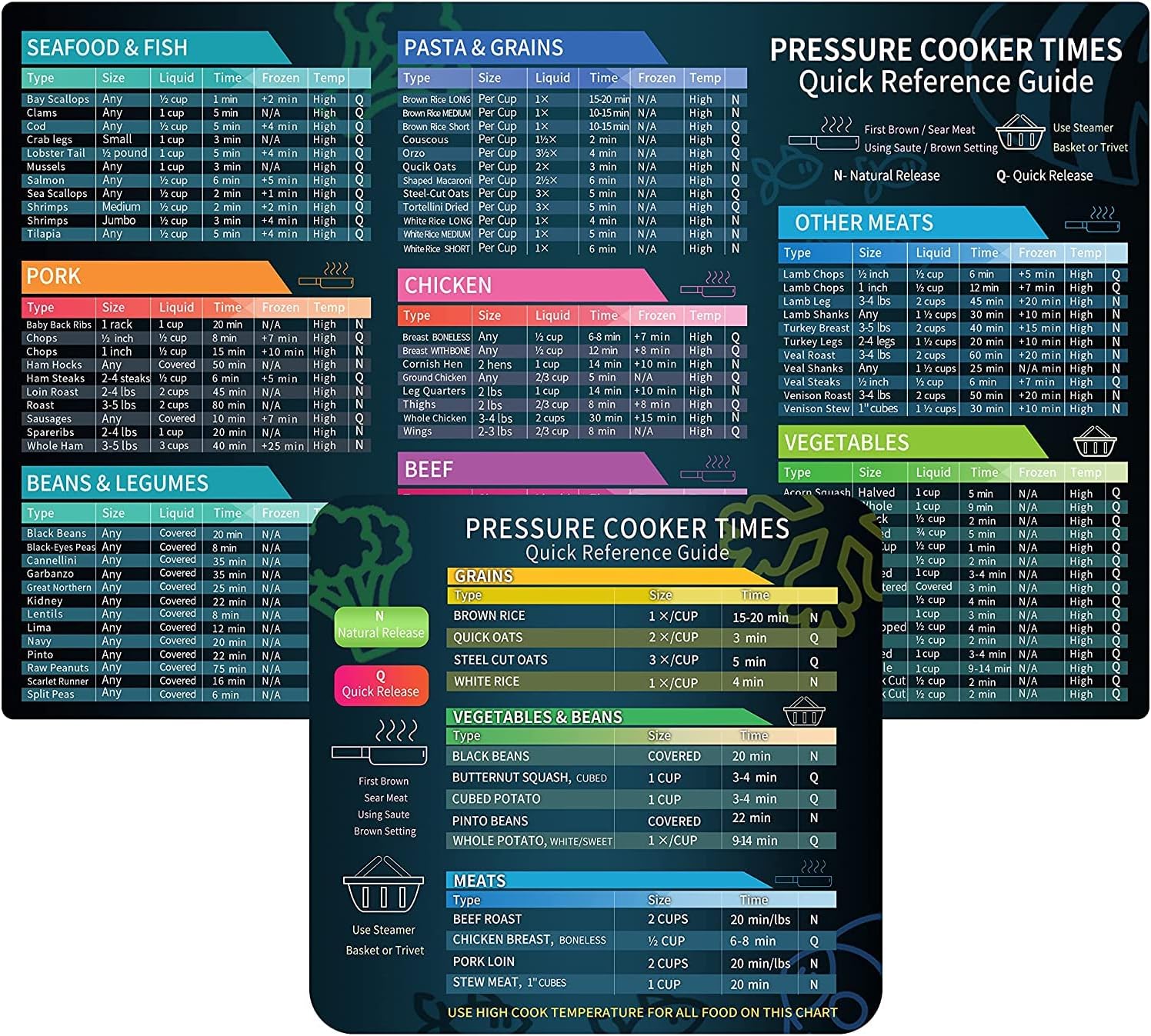
A: Yes, but adjust cooking time. Frozen chicken breasts, for example, may need 25–30 minutes on high pressure instead of 15–20 minutes for thawed meat.
Q: How long does it take to cook rice?
A: About 3–5 minutes on high pressure, plus 10 minutes natural release. Results vary by rice type—white rice cooks faster than brown.
Q: Can I use the Instant Pot as a slow cooker?
A: Yes, most models have a slow cook function. However, it may not match the low-and-slow performance of a dedicated slow cooker.
Q: What’s the difference between natural and quick release?
A: Natural release lets pressure drop slowly (10–20 minutes), ideal for meats and beans. Quick release vents steam immediately, better for vegetables and rice.
Q: How often should I replace the sealing ring?
A: Every 6–12 months, or when it starts to smell or lose elasticity. Keep a spare on hand.
Q: Can I bake in an Instant Pot?
A: Yes, using the “bake” or “yogurt” setting with a trivet and oven-safe dish. Results are moist but not crispy.
Q: Is the Instant Pot energy-efficient?
A: Yes. It uses less energy than an oven and cooks food faster, reducing overall electricity use.
Q: Can I cook pasta in it?
A: Yes, but add extra liquid to prevent burning. Use the “manual” setting and quick release.
Q: What if my food burns?
A: This usually happens if there’s not enough liquid. Always add at least 1 cup of liquid for pressure cooking.
Our Final Recommendations
- Best for Budget-Conscious Buyers: Instant Pot Duo 6-Quart – Reliable, affordable, and packed with essential functions. Perfect for beginners.
- Best Overall Value: Instant Pot Duo Nova 6-Quart – Upgraded lid, quieter operation, and excellent performance at a reasonable price.
- Best Premium Option: Instant Pot Pro 6-Quart – Sous vide, precise controls, and premium build. Ideal for serious cooks.
- Best for Beginners: Instant Pot Duo 6-Quart – Simple interface, clear instructions, and forgiving performance.
- Best for Advanced Users: Instant Pot Duo Crisp + Air Fryer – Combines pressure cooking and air frying in one device. Great for versatility.
Conclusion: Making the Right Choice
The Instant Pot remains a standout appliance in 2026—not because it’s the newest or flashiest, but because it delivers consistent, reliable performance that fits seamlessly into modern kitchens. Whether you’re cooking weeknight dinners, meal prepping for the week, or experimenting with sous vide, there’s an Instant Pot model designed for your needs.
The key to making the right choice lies in understanding your priorities. Are you looking for simplicity and affordability? Go with the Duo. Do you crave precision and advanced features? The Pro or Duo Crisp might be your match. And if you’re tech-savvy, the Smart WiFi model offers a glimpse into the future of connected cooking.
Ultimately, the Instant Pot is still worth it—if it aligns with your lifestyle. It’s not just about replacing multiple appliances; it’s about saving time, reducing cleanup, and expanding your culinary possibilities. With the insights from this guide, you’re now equipped to choose wisely, avoid common pitfalls, and invest in a tool that will serve you well for years to come.
So go ahead—press start. Your next great meal is just a button press away.