Using an electric kettle is generally safe for health when you choose the right materials and maintain it properly. Concerns about chemicals leaching into water are valid but avoidable with informed choices like stainless steel or BPA-free plastic models.
Key Takeaways
- Material matters most: Stainless steel and glass electric kettles are the safest options, minimizing chemical leaching risks.
- Avoid low-quality plastics: Cheap plastic kettles may release BPA or other harmful substances when heated.
- Regular cleaning prevents buildup: Mineral deposits and mold can affect taste and safety—clean your kettle monthly.
- Boil only what you need: Repeatedly reheating water can concentrate impurities; fresh fills are healthier.
- Look for certifications: Choose kettles with FDA, LFGB, or CE marks to ensure food-grade safety standards.
- Don’t overfill or overheat: Follow manufacturer guidelines to prevent damage and potential hazards.
- Modern designs enhance safety: Auto shut-off, boil-dry protection, and cool-touch exteriors reduce accident risks.
📑 Table of Contents
- Is Using Electric Kettle Safe for Health? A Complete Guide
- Understanding How Electric Kettles Work
- Material Matters: What Your Kettle Is Made Of
- Chemical Leaching: What You Need to Know
- Maintenance and Hygiene: Keeping Your Kettle Clean
- Smart Usage Tips for Maximum Safety
- Choosing the Right Electric Kettle for Health
- Conclusion: Yes, Electric Kettles Can Be Safe—If You Choose Wisely
Is Using Electric Kettle Safe for Health? A Complete Guide
If you’re like most people, your day probably starts with a hot cup of tea or coffee—and if you’re using an electric kettle, that ritual is quick, convenient, and comforting. But have you ever stopped to wonder: Is using electric kettle safe for health? It’s a fair question, especially with growing awareness about toxins in everyday appliances and the potential risks of heating certain materials.
Electric kettles have become kitchen staples in homes worldwide. They’re fast, energy-efficient, and perfect for boiling water for everything from instant noodles to herbal infusions. But behind that sleek design and rapid boil time lies a question of safety—particularly when it comes to the materials used in construction and how they interact with hot water. Some people worry about chemicals leaching into their drinking water, while others are concerned about long-term exposure to metals or plastics.
The good news? When used correctly and chosen wisely, electric kettles are generally safe and pose minimal health risks. However, not all kettles are created equal. The safety of your electric kettle largely depends on three factors: the material it’s made from, how well you maintain it, and how you use it. In this guide, we’ll dive deep into each of these areas, helping you make informed decisions so you can enjoy your hot beverages with peace of mind.
Understanding How Electric Kettles Work
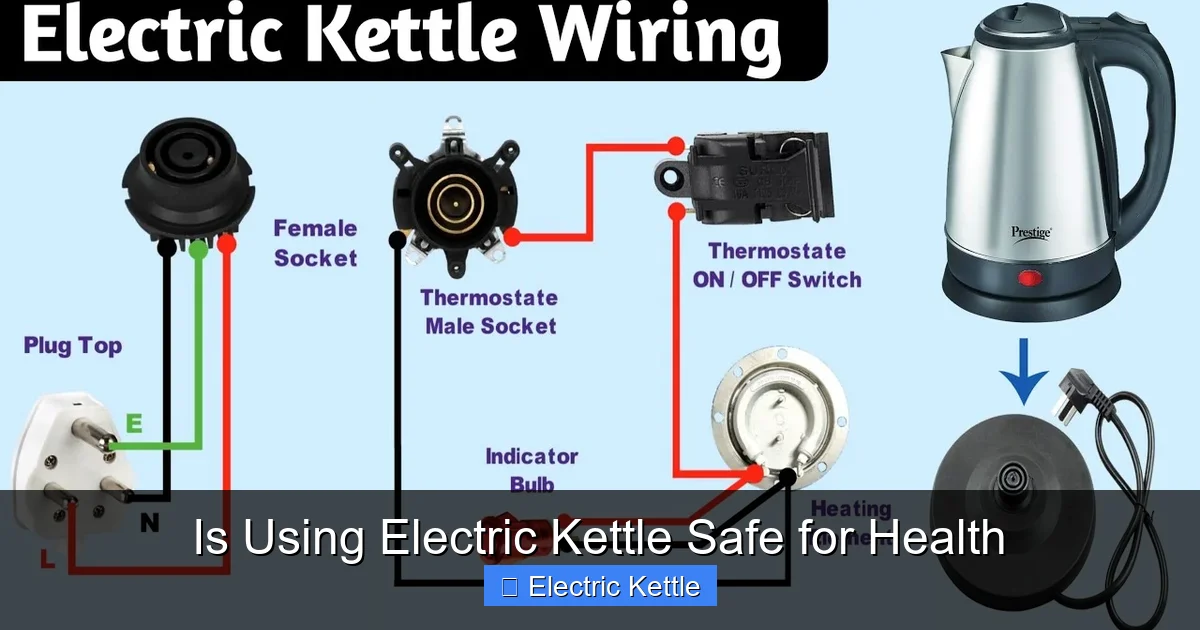
Visual guide about Is Using Electric Kettle Safe for Health
Image source: i.ytimg.com
Before we get into safety concerns, let’s quickly go over how electric kettles function—because understanding the mechanics helps explain why certain materials are safer than others.
An electric kettle works by using an internal heating element, usually located at the base, to heat water quickly. When you press the “on” button, electricity flows through the heating coil, which becomes hot and transfers that heat directly to the water. Most modern kettles have automatic shut-off features that turn the device off once the water reaches boiling point (around 100°C or 212°F at sea level). This prevents overheating and saves energy.
Unlike stovetop kettles, electric models are self-contained and don’t require an external heat source. This makes them more efficient—boiling water in just 3 to 5 minutes—and safer in terms of fire risk. But the real health concern comes from what the water touches during that heating process.
The interior of the kettle—where the water sits and heats up—is the critical zone. If this part is made from low-quality materials, especially plastics or metals that aren’t food-grade, there’s a chance that tiny particles or chemicals could migrate into the water, especially when exposed to high temperatures repeatedly.
That’s why material choice is so important. We’ll explore that in detail next, but first, it’s worth noting that most reputable brands design their kettles with safety in mind. Features like double-walled insulation, cool-touch handles, and sealed heating elements help reduce risks. Still, it’s up to you, the user, to choose wisely and use the appliance responsibly.
Material Matters: What Your Kettle Is Made Of
When it comes to answering “Is using electric kettle safe for health?”, the material of the kettle is the most important factor. Let’s break down the most common materials used in electric kettles and how they affect your health.
Stainless Steel: The Gold Standard
Stainless steel is widely regarded as the safest and most durable material for electric kettles. High-quality food-grade stainless steel (like 304 or 18/8 grade) is non-reactive, meaning it won’t leach harmful chemicals into your water—even when heated to boiling temperatures.
One of the biggest advantages of stainless steel is its resistance to corrosion and rust. Unlike cheaper metals, it doesn’t degrade easily, so you won’t have to worry about metal flakes ending up in your tea. Plus, stainless steel kettles often have a smooth, non-porous interior that’s easy to clean and less likely to harbor bacteria.
Many premium electric kettles use stainless steel for both the interior and exterior, giving them a sleek, modern look and long lifespan. Some models even feature a concealed heating element, which means the metal coil doesn’t come into direct contact with the water—further reducing any risk of contamination.
If you’re serious about health and safety, a stainless steel electric kettle is a smart investment. Just make sure it’s labeled as “food-grade” or “18/8 stainless steel” to avoid lower-quality alloys that might contain nickel or other metals.
Glass: Transparent and Non-Reactive
Glass electric kettles are another excellent choice for health-conscious users. Made from borosilicate glass—the same type used in laboratory equipment and high-end bakeware—these kettles are heat-resistant and chemically inert. That means they won’t react with water or release any substances, even at high temperatures.
One of the biggest perks of glass kettles is visibility. You can see the water boiling, which helps you monitor the process and avoid overfilling. It also makes cleaning easier, since you can spot mineral buildup or residue right away.
However, glass kettles do have some downsides. They’re more fragile than metal models and can crack if dropped or exposed to sudden temperature changes (like pouring cold water into a hot kettle). Also, because glass is a poor conductor of heat, some models may take slightly longer to boil water compared to stainless steel.
Still, for purity and peace of mind, glass is a top-tier option. Just handle it with care and avoid extreme temperature shifts.
Plastic: Proceed with Caution
Plastic electric kettles are common because they’re lightweight, affordable, and come in a variety of colors and designs. But when it comes to health, they’re the riskiest option—especially if they’re made from low-quality plastics.
The main concern with plastic kettles is the potential release of harmful chemicals when heated. One of the most notorious is bisphenol A (BPA), a chemical once widely used in polycarbonate plastics. BPA has been linked to hormonal disruptions, reproductive issues, and other health problems. While many manufacturers now claim their products are “BPA-free,” that doesn’t automatically make them safe.
Other chemicals, such as phthalates and antimony, can also leach from plastic when exposed to high heat. Even “BPA-free” plastics may contain alternative compounds that haven’t been thoroughly studied for long-term health effects.
If you do choose a plastic kettle, look for models labeled “BPA-free” and made from Tritan or other certified food-safe plastics. Avoid kettles with a strong chemical smell—this could indicate poor-quality materials. And never use a plastic kettle that’s cracked, discolored, or warped, as these are signs of degradation.
Aluminum and Other Metals: Not Recommended
Some budget kettles are made from aluminum, but this material is generally not recommended for electric kettles. Aluminum can react with acidic liquids (like lemon water or tea) and may leach into the water, especially if the interior isn’t properly coated.
While small amounts of aluminum are naturally present in food and water, excessive exposure has been associated with neurological concerns, including Alzheimer’s disease—though the link is still debated in the scientific community. To be safe, it’s best to avoid aluminum kettles unless they have a high-quality, non-reactive lining.
Other metals, like copper or iron, are rarely used in modern electric kettles due to reactivity and corrosion issues. Stick with stainless steel or glass for the best health outcomes.
Chemical Leaching: What You Need to Know
One of the biggest fears people have about electric kettles is chemical leaching—the process where substances from the kettle’s materials migrate into the water. This is especially concerning when water is heated repeatedly or left sitting in the kettle for long periods.
BPA and Plastic Concerns
As mentioned earlier, BPA is a major concern in plastic kettles. This chemical was once used to make hard, clear plastics, but it’s now banned in many countries for use in baby bottles and food containers due to its estrogen-mimicking properties.
Even if a kettle is labeled “BPA-free,” it may contain substitutes like BPS or BPF, which some studies suggest may be just as harmful. These chemicals can disrupt the endocrine system and have been linked to obesity, diabetes, and developmental issues in children.
The risk increases when plastic is heated. High temperatures accelerate the breakdown of plastic polymers, making it easier for chemicals to leach into water. That’s why it’s especially important to avoid boiling water in plastic kettles—especially if they’re old or damaged.
Metals and Heavy Metal Risks
While stainless steel is generally safe, lower-quality metals can pose risks. For example, some cheap kettles may use nickel-plated interiors. Nickel is a common allergen and can cause skin irritation or respiratory issues in sensitive individuals. In rare cases, excessive nickel exposure has been linked to lung and nasal cancers.
Lead is another concern, though it’s more common in imported or counterfeit products. Lead can leach from soldered joints or low-grade metals, especially in kettles that aren’t properly sealed. Chronic lead exposure is dangerous, particularly for children and pregnant women, and can cause developmental delays, learning difficulties, and organ damage.
To minimize these risks, always buy kettles from reputable brands and check for safety certifications. Avoid kettles with visible rust, flaking, or a metallic taste in the water—these are red flags.
How to Minimize Leaching Risks
Even with safe materials, there are steps you can take to reduce the chance of chemical leaching:
– Never leave water sitting in the kettle for extended periods. Empty it after each use.
– Avoid reheating the same water multiple times. Fresh water is always safer.
– Don’t boil water with added substances (like lemon or tea bags) unless the kettle is designed for it.
– Replace your kettle every 3–5 years, or sooner if you notice damage or odors.
By following these simple practices, you can enjoy the convenience of an electric kettle without compromising your health.
Maintenance and Hygiene: Keeping Your Kettle Clean
A clean kettle is a safe kettle. Over time, mineral deposits (limescale), bacteria, and mold can build up inside your electric kettle—especially if you live in an area with hard water. These contaminants can affect the taste of your water and potentially pose health risks.
Limescale: The Silent Culprit
Limescale is a white, chalky deposit made of calcium and magnesium that forms when hard water is heated. It’s not harmful to drink in small amounts, but large buildup can affect the kettle’s performance, reduce heating efficiency, and even harbor bacteria.
To remove limescale, use a mixture of equal parts white vinegar and water. Fill the kettle halfway, bring it to a boil, then let it sit for 30 minutes. Scrub gently with a soft brush or sponge, then rinse thoroughly. For stubborn deposits, repeat the process or use a commercial descaling solution.
Bacteria and Mold: Hidden Dangers
If you leave water in your kettle overnight or for several days, it can become a breeding ground for bacteria and mold. Stagnant water, especially in warm environments, encourages microbial growth.
To prevent this, always empty your kettle after use and let it air dry with the lid open. Wipe the interior with a clean cloth weekly. If you notice a musty smell or slimy residue, deep clean with a baking soda solution (2 tablespoons per liter of water) and rinse well.
Regular Cleaning Schedule
Here’s a simple maintenance routine to keep your kettle in top shape:
– Weekly: Wipe the exterior and interior with a damp cloth.
– Monthly: Descale with vinegar or a descaling product.
– After spills or accidents: Clean immediately to prevent staining or odor.
A well-maintained kettle not only lasts longer but also ensures your water stays pure and safe to drink.
Smart Usage Tips for Maximum Safety
Even the safest kettle can become a health risk if used improperly. Here are some practical tips to ensure you’re using your electric kettle in the healthiest way possible.
Boil Only What You Need
One common mistake is filling the kettle to the top every time, even if you only need one cup of water. This leads to repeated reheating of the same water, which can concentrate impurities and increase the risk of chemical leaching.
Instead, measure the water you need and fill the kettle accordingly. Most kettles have markings to help you pour the right amount. This also saves energy and reduces wear on the heating element.
Avoid Overheating and Boil-Dry
Never run your kettle without water. Most modern models have boil-dry protection that shuts off the kettle if it detects no water, but it’s still best to avoid testing this feature. Running a dry kettle can damage the heating element and potentially release fumes or particles.
Also, don’t override the auto shut-off. Let the kettle turn off on its own to prevent overheating and potential hazards.
Use Filtered Water When Possible
If your tap water is high in minerals or contaminants, consider using filtered water in your kettle. This reduces limescale buildup and improves taste. Just make sure your filter is certified to remove the specific impurities in your area.
Store Properly
After use, empty the kettle and leave the lid open to air dry. Store it in a cool, dry place away from direct sunlight. Avoid stacking heavy items on top, especially if it’s a glass model.
Choosing the Right Electric Kettle for Health
With so many options on the market, how do you pick a kettle that’s truly safe for your health? Here’s what to look for:
– **Material:** Prioritize stainless steel or glass. Avoid plastic unless it’s certified food-safe and BPA-free.
– **Certifications:** Look for labels like FDA (U.S.), LFGB (Germany), or CE (Europe) to ensure compliance with safety standards.
– **Features:** Auto shut-off, boil-dry protection, and cool-touch handles enhance safety.
– **Brand Reputation:** Choose well-known brands with positive reviews and transparent manufacturing practices.
– **Warranty:** A longer warranty often indicates higher quality and durability.
Reading customer reviews and checking independent lab tests can also help you make an informed decision.
Conclusion: Yes, Electric Kettles Can Be Safe—If You Choose Wisely
So, is using electric kettle safe for health? The answer is a resounding yes—when you make smart choices. The vast majority of modern electric kettles are designed with safety in mind, and when used properly, they pose minimal risk to your health.
The key is to focus on materials: stainless steel and glass are your best bets, while plastic should be approached with caution. Regular cleaning, proper usage, and buying from reputable brands all contribute to a safer experience.
Electric kettles offer unmatched convenience, speed, and energy efficiency. By understanding the potential risks and taking simple precautions, you can enjoy your daily cup of tea or coffee without worry. After all, a healthy lifestyle isn’t just about what you drink—it’s also about how you prepare it.
Frequently Asked Questions
Can electric kettles cause cancer?
There is no strong evidence that using a properly made electric kettle causes cancer. Concerns usually stem from low-quality plastics or metals leaching chemicals, but choosing food-grade materials eliminates this risk.
Is it safe to drink water boiled in a plastic kettle?
It depends on the plastic. BPA-free, food-safe plastics like Tritan are generally safe, but avoid cheap or damaged plastic kettles, as they may release harmful chemicals when heated.
How often should I clean my electric kettle?
Clean the exterior weekly and descale the interior monthly, or more often if you have hard water. Regular cleaning prevents limescale and bacteria buildup.
Can I put tea bags directly in my electric kettle?
It’s not recommended. Most kettles aren’t designed for steeping, and residue can build up. Use a separate teapot or infuser for best results and easier cleaning.
Is it safe to leave water in an electric kettle overnight?
It’s best to empty the kettle after each use. Stagnant water can promote bacterial growth and affect taste, especially in warm environments.
Do electric kettles use a lot of electricity?
No, electric kettles are energy-efficient. They heat water faster than stovetops and use less energy overall, especially when you only boil what you need.