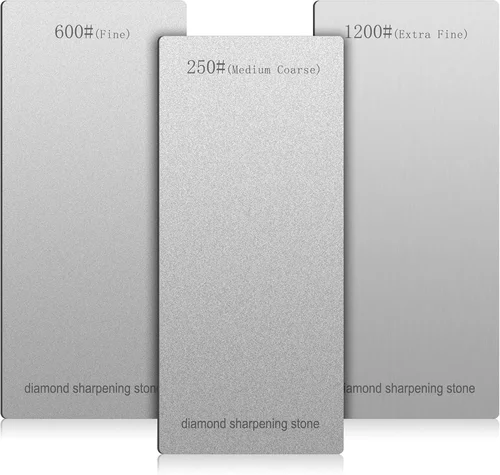
When it comes to keeping your knives razor-sharp, the sharpening system you choose can make or break your kitchen experience—or your workshop results. Whether you’re a home cook, a professional chef, a woodworker, or an outdoor enthusiast, the debate between Japanese water stones and diamond plates is one that surfaces time and again. Both have passionate advocates, and both deliver exceptional results when used correctly. But how do you decide which is right for you?
This comprehensive buying guide is designed to cut through the noise and give you a clear, expert-level understanding of Japanese water stones versus diamond plates. We’ll explore everything from grit progression and cutting speed to durability, cost, and ease of use. By the end, you’ll know not only what each tool does, but also which one aligns with your sharpening goals, skill level, and budget. The sharpening market today is flooded with options—ranging from budget-friendly synthetic stones to high-end natural Japanese whetstones and industrial-grade diamond plates. With so many choices, it’s easy to feel overwhelmed. That’s why this guide matters: it’s built to help you make a smart, informed decision that will serve you for years.

What to Look for When Buying Buying Guide
1. Budget & Price Range
Your budget plays a pivotal role in determining whether Japanese water stones or diamond plates are the better fit. Japanese water stones, especially high-quality ones from brands like Shapton, Naniwa, or Suehiro, can be expensive. A full set of three or four stones (ranging from 400 to 8000 grit) can easily cost $150 to $400 or more. Natural stones from regions like the Aizu area in Japan can run even higher, sometimes exceeding $500 for a single stone. In contrast, diamond plates offer a more budget-friendly entry point. A single diamond plate from brands like DMT or Atoma typically costs between $30 and $100, and one plate can cover a wide range of grits depending on the model. For example, the Atoma 140 is a coarse 140-grit plate ideal for repairing damaged edges, while the Atoma 400 is a fine 400-grit plate suitable for initial sharpening. This makes diamond plates a cost-effective option, especially for beginners or those who need versatility without a large upfront investment.
However, it’s important to consider long-term value. While diamond plates may have a lower initial cost, they can wear unevenly over time, especially with heavy use, leading to flatness issues. Japanese water stones, while pricier, are often more consistent in performance and can be flattened easily with a flattening stone. If you’re serious about sharpening and plan to maintain your knives regularly, investing in quality water stones may pay off in the long run. On the other hand, if you’re on a tight budget or only sharpen occasionally, a diamond plate might be the smarter choice.
2. Performance Specifications
Performance is where the real differences between Japanese water stones and diamond plates become apparent. Japanese water stones are renowned for their ability to produce an exceptionally fine, polished edge. They work by abrading the metal with fine particles suspended in water, which allows for precise control over the sharpening process. The result is a sharp, refined edge that’s ideal for tasks requiring precision, such as slicing vegetables, filleting fish, or carving wood. Water stones also offer excellent feedback—you can feel the progression of the edge as you move through grits, and the sound and resistance change subtly as the burr forms and is removed.
Diamond plates, by contrast, are faster and more aggressive. The diamond particles are bonded to a rigid metal plate, allowing them to cut through metal quickly. This makes them ideal for repairing chips, reshaping edges, or working on heavily damaged blades. However, because they remove material rapidly, they offer less control and can sometimes leave a slightly rougher finish unless followed by finer stones. That said, high-quality diamond plates like the DMT Dia-Sharp or Atoma series provide consistent grit distribution and flat surfaces, which help maintain edge geometry. For users who prioritize speed and efficiency—such as chefs who need to maintain multiple knives daily or outdoorsmen who need quick field repairs—diamond plates are hard to beat.
3. Build Quality & Durability
Durability is a major differentiator between these two sharpening systems. Japanese water stones are made from abrasive particles bonded with clay or resin. While they are effective, they are also relatively soft and can wear down over time, especially with frequent use. This means they require regular flattening to maintain a true surface. Some stones, particularly natural ones, can also chip or crack if dropped or mishandled. However, many synthetic water stones are designed to be more durable and resistant to wear, and they can last for years with proper care.
Diamond plates, on the other hand, are built to last. The diamond particles are electroplated or sintered onto a rigid steel or aluminum base, making them extremely resistant to wear. A high-quality diamond plate can last decades with minimal degradation in performance. The downside is that if the diamond coating wears off in certain areas—often due to uneven pressure or heavy use—the plate can become unbalanced, leading to inconsistent sharpening. Additionally, diamond plates are heavier and less portable than water stones, which may be a consideration for those who travel or sharpen on the go.
4. Features & Functionality
When evaluating features, consider how each system fits into your sharpening routine. Japanese water stones require soaking in water for 5 to 15 minutes before use, depending on the stone. This adds a small but noticeable step to the process. They also need to be stored properly to prevent drying out or cracking. However, many modern water stones, like the Shapton Pro series, are splash-and-go, meaning they only need a quick splash of water before use—no soaking required. This makes them more convenient for quick touch-ups.
Diamond plates require no soaking and can be used dry or with water or oil as a lubricant. This makes them ideal for field use or situations where water isn’t available. Some models even come with built-in angle guides or non-slip bases, enhancing usability. Additionally, diamond plates are often available in dual-grit versions, with coarse on one side and fine on the other, offering versatility in a single tool. Water stones, by contrast, typically require multiple stones to achieve a full grit progression, which can take up more space and add to the overall cost.
5. Brand Reputation
Brand reputation matters when investing in sharpening tools. Established brands like Naniwa, Shapton, and King have built their names on consistent quality and performance in the water stone market. These companies have decades of experience in manufacturing synthetic stones and often offer detailed guidance on usage and maintenance. Natural stone makers like Ozuku or Hukyu are revered for their hand-selected, high-quality stones, though they come with a premium price tag.
In the diamond plate market, DMT (Diamond Machining Technology) is the gold standard. Known for precision engineering and durable coatings, DMT plates are trusted by professionals worldwide. Atoma, a brand under the Belgian company Eurodiamant, is also highly regarded for its high-density diamond coatings and flat, stable bases. Lesser-known brands may offer lower prices, but they often sacrifice consistency and longevity. When choosing a brand, look for customer reviews, warranty policies, and a history of innovation in sharpening technology.
6. Warranty & Support
Warranty and customer support are often overlooked but can be crucial, especially for higher-priced items. Most reputable water stone manufacturers offer limited warranties against defects, typically ranging from 1 to 3 years. However, warranties usually don’t cover normal wear and tear, chipping, or improper use. Some brands, like Shapton, provide excellent customer service and replacement policies, while others may be less responsive.
Diamond plate manufacturers like DMT often offer longer warranties—sometimes up to 5 years—due to the durability of their products. They also provide detailed care instructions and replacement parts in some cases. When comparing options, check the warranty terms and the company’s reputation for honoring them. A strong warranty can provide peace of mind, especially if you’re investing in a premium product.
7. Size & Portability
Size and portability are important if you plan to sharpen on the go or have limited workspace. Japanese water stones come in various sizes, but the standard is around 8 x 2.5 x 1 inches. This makes them easy to store and handle, but a full set can take up significant drawer space. Some compact travel sets are available, but they often sacrifice grit range or stone quality.
Diamond plates are generally larger and heavier, especially the full-sized models. A typical DMT plate measures 8 x 3 inches and weighs over a pound. While this provides a stable sharpening surface, it’s less ideal for travel or small kitchens. However, smaller diamond plates and folding models are available for portability. If you’re a backpacker, hunter, or frequent traveler, a compact diamond plate might be more practical than a set of water stones.
8. User Reviews & Ratings
User reviews offer real-world insights that specs and marketing materials can’t provide. When researching Japanese water stones, look for feedback on consistency, flatness, and how well they hold up over time. Many users praise the edge quality but note the learning curve and maintenance requirements. Reviews of diamond plates often highlight speed and durability but mention issues with uneven wear or difficulty achieving a mirror polish.
Platforms like Amazon, BladeForums, and ChefKnivesToGo provide detailed user experiences. Pay attention to patterns—if multiple users report the same issue, it’s likely a genuine concern. Also, consider the user’s skill level; a beginner’s negative review of a high-end water stone might stem from improper use rather than product flaws.
Different Types of Buying Guide
Common Buying Mistakes to Avoid
❌ Mistake: Buying Based on Price Alone
Why it’s bad: Choosing the cheapest option without considering performance or longevity can lead to frustration. A $20 water stone may seem like a bargain, but if it wears out quickly or produces inconsistent results, you’ll end up spending more in the long run.
What to do instead: Focus on value, not just cost. Consider the total cost of ownership, including replacement frequency and performance. A mid-range diamond plate or a single high-quality water stone may serve you better than a full set of low-end stones.
❌ Mistake: Ignoring Grit Progression
Why it’s bad: Many beginners buy a single stone and expect it to do everything. But sharpening is a process that requires multiple grits—coarse for repair, medium for shaping, and fine for polishing.
What to do instead: Plan your grit progression. Start with a coarse stone or plate (200-400 grit), add a medium (800-1000), and finish with a fine (3000-8000). Even if you start with one, know what you’ll need next.
❌ Mistake: Overlooking Flattening Needs
Why it’s bad: Both water stones and diamond plates can become uneven with use. A warped surface leads to inconsistent angles and poor edge geometry.
What to do instead: Invest in a flattening stone or lapping plate. For water stones, use a flattening stone regularly. For diamond plates, check flatness with a straightedge and lap if necessary.
❌ Mistake: Using the Wrong Lubricant
Why it’s bad: Using oil on a water stone or water on an oil-based diamond plate can damage the stone or reduce effectiveness.
What to do instead: Always use the recommended lubricant. Water stones need water; most diamond plates work with water or oil, but check the manufacturer’s guidelines.
❌ Mistake: Skipping Maintenance
Why it’s bad: Neglecting to clean, store, or flatten your stones leads to poor performance and shorter lifespan.
What to do instead: Clean stones after use, store them properly, and flatten them regularly. A well-maintained stone lasts years.
❌ Mistake: Expecting Instant Results
Why it’s bad: Sharpening is a skill that takes practice. Expecting a razor edge on the first try leads to disappointment.
What to do instead: Be patient. Practice on inexpensive knives, learn proper technique, and gradually build confidence.
❌ Mistake: Buying for the Wrong Use Case
Why it’s bad: Using a fine water stone to repair a chipped blade is inefficient. Using a coarse diamond plate for daily touch-ups can over-sharpen.
What to do instead: Match the tool to the task. Use coarse stones/plates for repair, fine ones for finishing.
Budget Guidelines: How Much Should You Spend?
Entry-Level ($20 – $50): At this price, you’ll find basic diamond plates or low-end water stones. These are fine for occasional use or beginners learning the basics. Expect shorter lifespan and less consistency.
Mid-Range ($50 – $150): This is the sweet spot for most users. You can get a quality diamond plate or a single high-performance water stone. Great for home cooks and hobbyists who sharpen regularly.
Premium ($150 – $400): Ideal for enthusiasts and professionals. Here, you’ll find top-tier water stones or premium diamond plates with excellent durability and performance. A full grit progression is achievable.
Luxury ($400+): For collectors and serious sharpening aficionados. Natural Japanese stones or custom diamond systems fall here. These offer unmatched performance but require expertise to use effectively.
Expert Tips for Getting the Best Deal
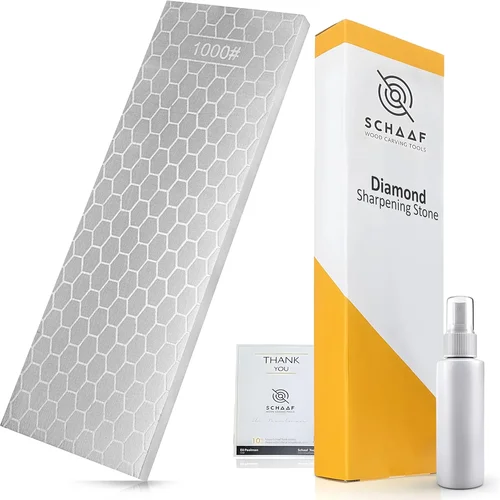
- Buy during seasonal sales: Look for discounts around Black Friday, Amazon Prime Day, or knife shows. Many retailers offer 20-30% off sharpening kits.
- Shop at specialty retailers: Stores like ChefKnivesToGo, BladeHQ, or Japanese Tools often have better selections and expert advice than big-box stores.
- Consider used or refurbished: Gently used water stones or diamond plates can be found on forums or marketplaces at a fraction of the cost.
- Bundle purchases: Some retailers offer discounts when you buy multiple stones or a complete sharpening system.
- Check return policies: Ensure you can return or exchange if the product doesn’t meet expectations.
- Read the fine print on warranties: Understand what’s covered and for how long.
- Test before committing: If possible, try a friend’s setup or attend a sharpening workshop to see what feels right.

Frequently Asked Questions
Q: Can I use water stones and diamond plates together?
A: Absolutely. Many sharpeners use a diamond plate for initial repair or shaping and finish with a water stone for a polished edge. This hybrid approach combines speed and refinement.
Q: Do water stones need to be soaked?
A: Most traditional water stones require 5-15 minutes of soaking. However, splash-and-go stones like Shapton Pro only need a quick splash of water before use.
Q: How often should I flatten my stones?
A: It depends on usage. For frequent sharpening, flatten every 2-4 uses. For occasional use, every 10-15 uses may suffice. Always check for flatness with a straightedge.
Q: Are diamond plates better for beginners?
A: They can be, due to their ease of use and no soaking required. However, they offer less feedback, which can make learning proper technique harder. Water stones teach better feel and control.
Q: Can I sharpen serrated knives with these tools?
A: Diamond plates work well for serrated edges with the right technique. Water stones are less ideal due to their softness. Specialized serrated sharpeners may be better.
Q: How long do water stones last?
A: With proper care, a synthetic water stone can last 5-10 years. Natural stones may last longer but are more fragile.
Q: Do I need a honing rod if I use these?
A: Yes. Honing rods realign the edge between sharpenings. They don’t replace sharpening but extend the time between sessions.
Q: Can I use oil on water stones?
A: No. Oil can clog the pores and ruin the stone. Always use water.
Q: Are natural water stones worth it?
A: They offer a unique sharpening experience and historical value, but they’re expensive and require skill. Best for collectors or advanced users.
Q: What’s the best grit to start with?
A: For most users, an 800-1000 grit stone or plate is ideal for general sharpening. It balances speed and finish.
Our Final Recommendations
Best for Budget-Conscious Buyers: DMT Dia-Sharp 400/1200 Double-Sided Diamond Plate – Affordable, durable, and versatile.
Best Overall Value: Naniwa Super Stone 500/2000 Grit Combo – Excellent performance, good price, and easy to use.
Best Premium Option: Shapton Pro 1000/6000 Grit Set – Splash-and-go convenience with professional-grade results.
Best for Beginners: King 1000/6000 Grit Combo Stone – Reliable, widely available, and great for learning.
Best for Advanced Users: Atoma 140/400 Combo Plate – Fast material removal with precision flatness, ideal for repair and shaping.
Conclusion: Making the Right Choice
Choosing between Japanese water stones and diamond plates isn’t about which is objectively better—it’s about which is better for you. Water stones offer unparalleled edge refinement and a tactile sharpening experience, making them ideal for those who value precision and tradition. Diamond plates deliver speed, durability, and convenience, perfect for busy professionals or those who need reliable performance in the field.
Consider your budget, sharpening frequency, skill level, and the types of knives you use. Don’t rush the decision. Start with one system, master it, and expand as needed. And remember: the best sharpening tool is the one you’ll actually use. With the knowledge from this guide, you’re now equipped to make a smart, confident choice that will keep your blades sharp for years to come.